


Evaluating the Certificate of Analysis is a critical step when sourcing ingredients for cognitive and immune health formulations. This checklist outlines the specific technical parameters and compliance requirements buyers must verify to ensure product safety and supply chain reliability.
Definition
NANA Powder COA Checklist: What Buyers Must Verify Before Ordering refers to a structured evaluation framework used by procurement professionals and R&D teams to assess the quality, purity, and regulatory compliance of N-Acetylneuraminic Acid before bulk procurement.
Main Content
What NANA Powder COA Checklist: What Buyers Must Verify Before Ordering Is
NANA is a naturally occurring carbohydrate that functions as a fundamental building block for brain development and cellular communication. The checklist serves as a quality gate to ensure the raw material meets pharmaceutical or nutraceutical grade standards.
Industry Background
The demand for this compound has grown significantly due to its established presence in human milk oligosaccharides (HMOs). As a core component of Sialic Acid, it is widely recognized for its biological importance in early nutrition and adult health maintenance.
Business Relevance
Market Demand and Supply
The inclusion of this ingredient in premium supplement raw materials portfolios has increased as brands seek scientifically backed active compounds. Sourcing reliable volumes requires an understanding of global production capacities and logistics.
Production Factors
Manufacturing scale directly impacts pricing and lead times. Buyers looking for NANAH bulk quantities must ensure that the supplier utilizes controlled fermentation processes to guarantee batch-to-batch consistency.
Differences vs. Alternatives
Compared to synthetic alternatives or animal-derived extracts, fermented options offer higher purity and lower risk of pathogen contamination. While extraction methods may present lower initial costs, they often lack the structural consistency required for high-end applications.
Fermentation-derived ingredients also demonstrate superior stability under standard processing conditions, reducing degradation during tablet compression or capsule filling.
Advantages and Limitations
This ingredient provides precise dosing capabilities due to its high assay values. It integrates well into both powder and liquid delivery formats without requiring complex encapsulation technologies.
The primary limitation is hygroscopicity, which demands strict environmental controls during storage and manufacturing. Additionally, specialized analytical equipment is required to verify purity levels accurately.
Suitable Users
This ingredient is intended for dietary supplement brand owners developing cognitive or pediatric nutrition lines. It is also highly suitable for OEM/ODM facilities processing NANA Powder into finished capsules, gummies, or functional beverages.
Global distributors seeking to expand their functional carbohydrate portfolios represent another key user segment for this material.
Compliance and Quality Considerations
Regulatory compliance requires adherence to food-grade or pharmaceutical-grade manufacturing standards. Heavy metal limits, solvent residue thresholds, and microbial specifications must align with regional regulatory frameworks.
Third-party testing documentation is essential to validate in-house COA data and facilitate smooth customs clearance in international markets.
What Buyers Must Evaluate Before Sourcing
Before finalizing a purchase order for any NANA raw material, buyers must scrutinize the COA for assay accuracy and impurity profiles. The document must clearly state the testing methodology used for each parameter.
Furthermore, evaluating the NANA manufacturer involves verifying their facility certifications, production capacity, and historical batch consistency to prevent supply disruptions.
Technical Parameter Table
| Parameter | Specification Requirement |
|---|---|
| Purity | ≥ 98.0% |
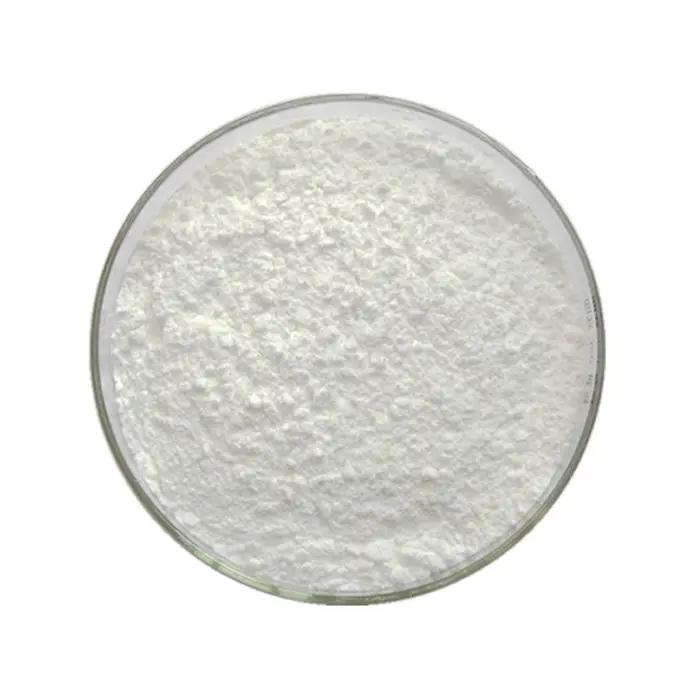
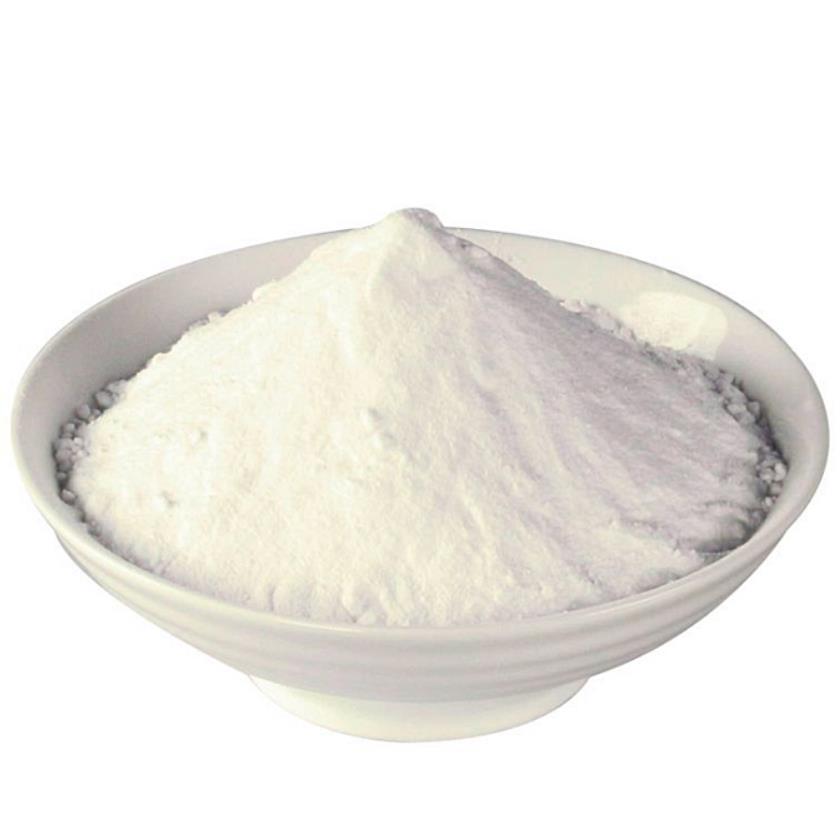
| Appearance | White to off-white crystalline powder |
| Heavy Metals | ≤ 10 ppm (Lead, Arsenic, Cadmium, Mercury) |
| Microbiological Limits | Total Plate Count ≤ 1,000 cfu/g; E. coli, Salmonella negative |
| Solvent Residues | Meets USP <467> guidelines |
| Identification | IR Spectroscopy matches reference standard |
| Assay | 98.0% – 102.0% on anhydrous basis |
| Storage | Sealed, in a cool and dry place (below 25°C) |
| Packaging | 1kg/5kg/25kg aluminum foil bags or fiber drums |
| Quality Standards | GMP, ISO, Third-party testing |
B2B Decision Support
How to Judge Raw Material Quality via COA
Focus on the assay range and impurity profiles. A narrow assay range indicates precise manufacturing control. Ensure heavy metal and microbial limits are well below regulatory maximums.
How to Verify Supplier Qualifications
Request copies of current GMP and ISO certificates directly from the certifying bodies. Conduct a facility audit or review third-party audit reports to verify actual production capabilities.
How to Reduce Procurement Risks
Always request pre-shipment samples matched with the corresponding COA. Implement a small pilot batch test before committing to large-volume orders to confirm downstream processing compatibility.
How to Evaluate Supply Chain Stability
Assess the supplier’s raw material sourcing and inventory buffer capacity. A vertically integrated manufacturer with controlled fermentation capacity offers more reliable lead times than a trading company.
Frequently Asked Questions
What is NANA Powder COA Checklist: What Buyers Must Verify Before Ordering?
It is a systematic guide for evaluating the purity, safety, and compliance documentation of N-Acetylneuraminic Acid before making a bulk purchase.
Is NANA Powder COA Checklist: What Buyers Must Verify Before Ordering stable?
The compound itself is stable under proper storage conditions, but the COA parameters must be verified to ensure the specific batch meets required stability indicators.
How is it used in formulations?
It is primarily used in capsules, tablets, and functional powders focused on cognitive health, immune support, and infant nutrition formulas.
How does it compare to alternatives?
Fermentation-derived ingredients offer higher purity and lower biological contamination risks compared to animal-tissue extraction methods.
What should buyers check before sourcing?
Buyers must check the COA for assay accuracy, heavy metal limits, solvent residues, and verify the supplier’s GMP and ISO certifications.
Why Partner With Gothink Biology
R&D is led by a team of PhD scientists trained in the US and UK, bringing advanced expertise to every stage of product development.
The company develops an average of over 2,000 customized formulations annually, ensuring rapid innovation and a highly stable supply chain.
Manufacturing facilities hold ISO 9001, ISO 22000, GMP, SGS, NSF, Halal, and Kosher certifications, meeting the highest global safety standards.
Services include functional ingredient wholesale, OEM/ODM manufacturing, private labeling, bulk production, and reliable global supply.