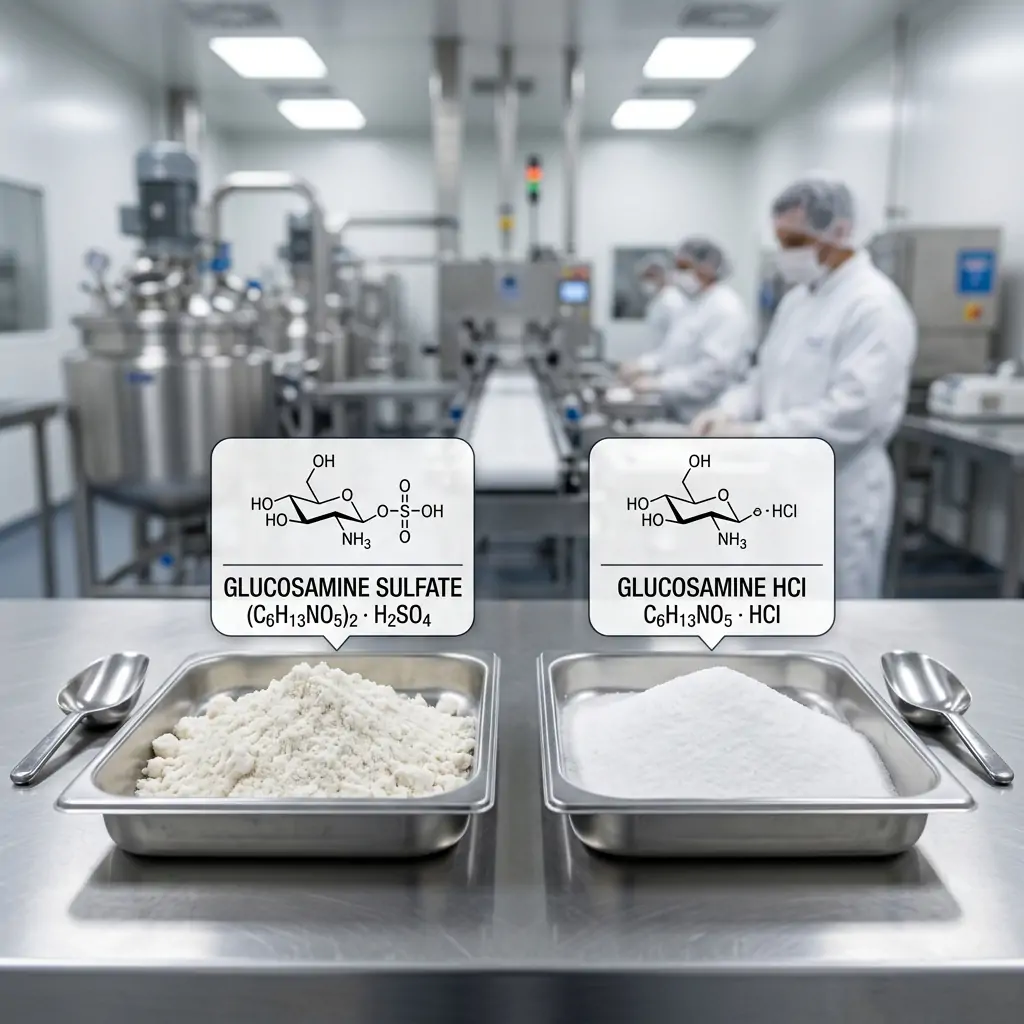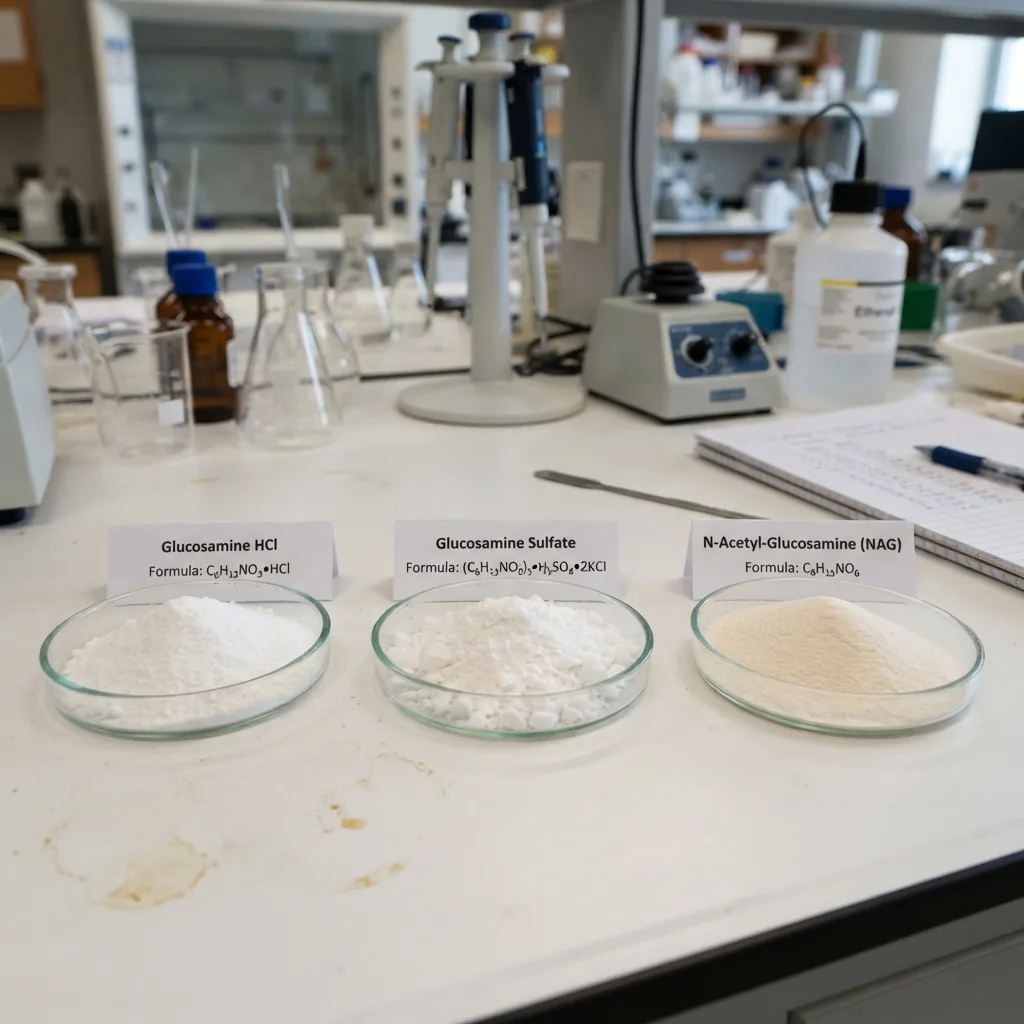



For supplement brand owners, OEM/ODM manufacturers, and R&D formulators evaluating supplement raw materials, technical manufacturability determines commercial success. N-Acetyl-Glucosamine is valued not for marketing claims, but for its neutral sensory, high solubility, and vegan-compatible supply chain when sourced via fermentation.
1. Technical Specifications
Specification Profile
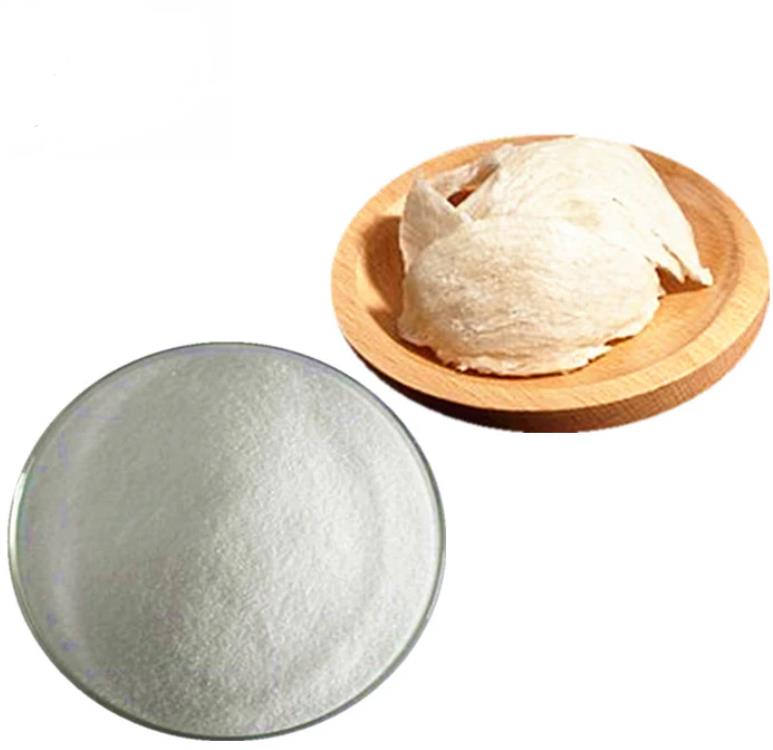
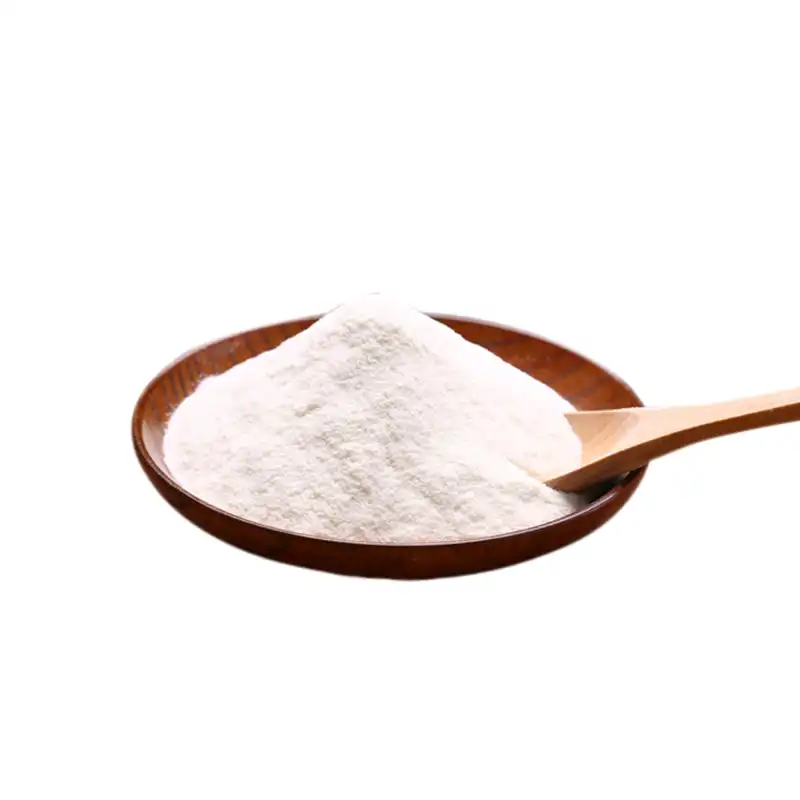
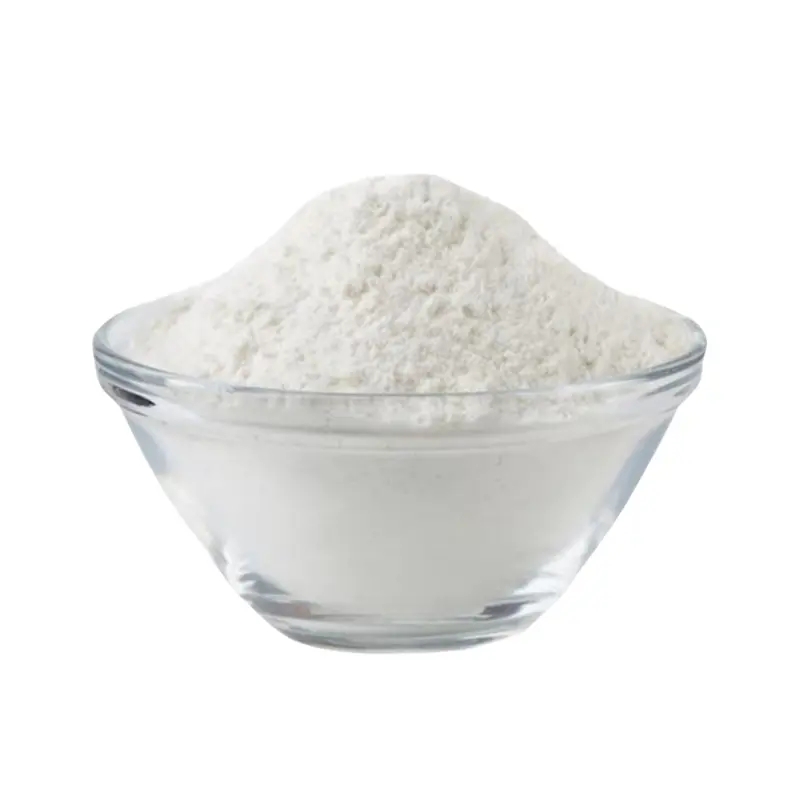
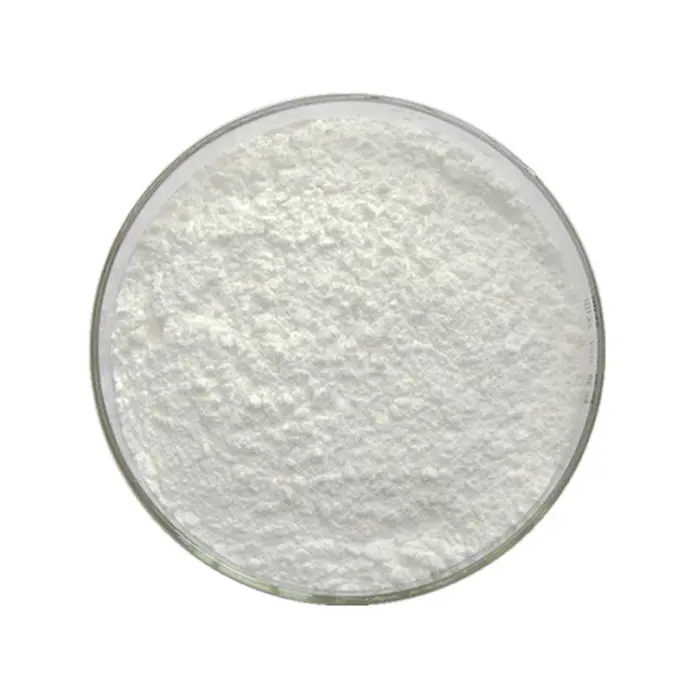
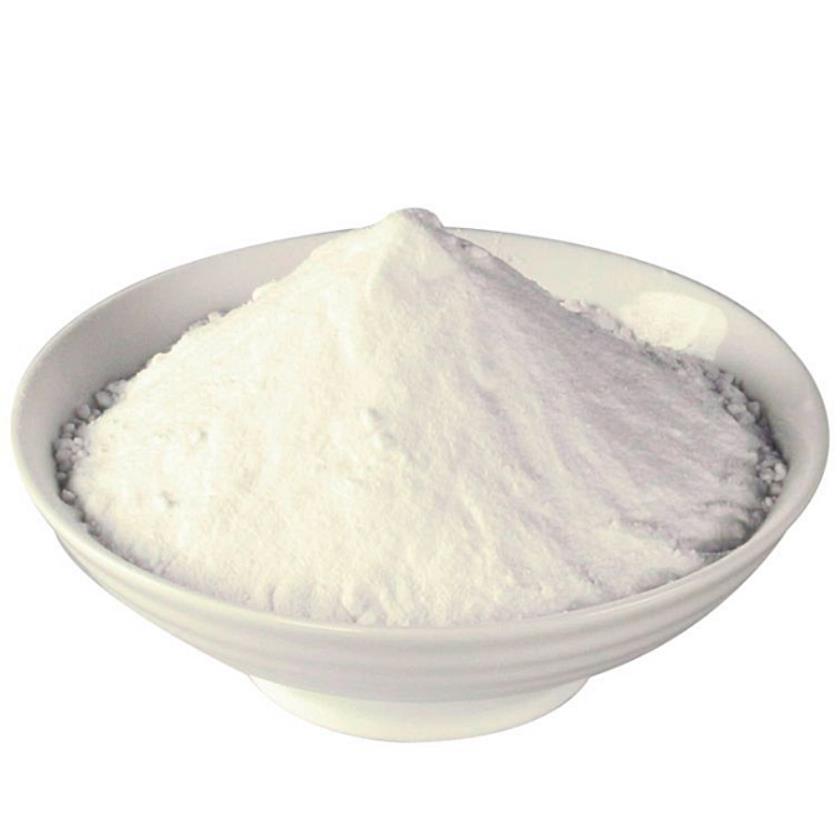
Standard NAG raw material spec defines assay by HPLC at NLT 98.0%, typically 98.0%-102.0% on dried basis. Appearance is white to off-white crystalline powder, odorless or faintly characteristic. Loss on drying is controlled below 0.5% and residue on ignition below 0.1% to limit inorganic impurities.
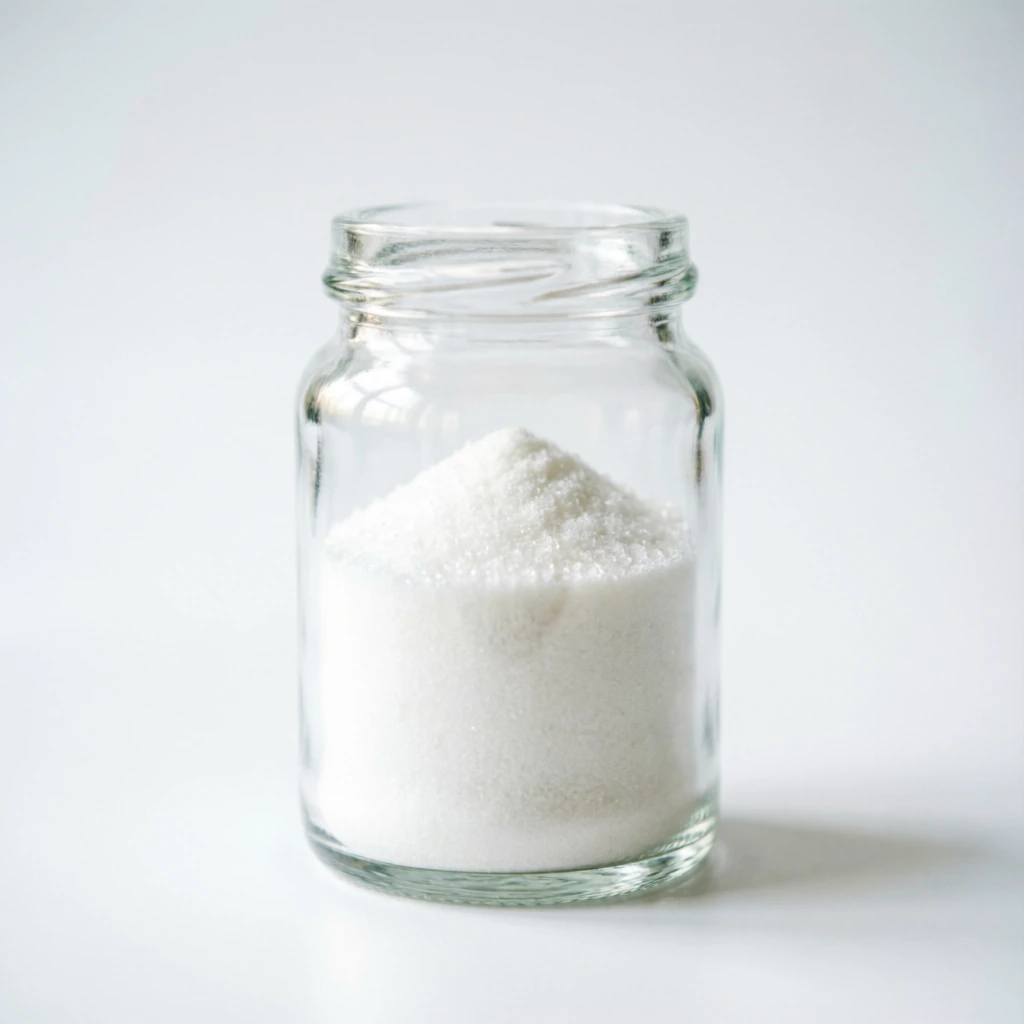
Particle size is commercially available in 80 mesh, 100 mesh, and micronized 120 mesh for different dosage forms. Tighter distribution improves flowability in capsule filling and content uniformity in direct compression. Color and odor are critical QC points because off-color often indicates Maillard intermediates or residual proteins from fermentation.
Key impurities include residual solvents (ethanol, methanol), fermentation by-products, and trace heavy metals. A qualified NAG manufacturer controls these through multiple recrystallization steps and activated carbon treatment. Protein residue should be below detection limit to support allergen-free and vegan claims.
Solubility & Dispersibility
NAG Powder is freely soluble in water and exhibits rapid dissolution without gelling. In 25°C water, it achieves clear solution with low viscosity, which benefits powder and liquid applications. Solubility decreases slightly in ethanol and is limited in non-polar solvents.
In acidic systems (pH 3.0-4.5), dispersion remains stable at ambient temperature but prolonged heating accelerates deacetylation. In hot systems above 90°C, pre-dissolution in cold water before heating reduces agglomeration. High-shear mixing at 2-5% concentration yields uniform distribution without foaming.
Stability Profile
NAG bulk shows strong stability across pH 3.5-7.0 at room temperature. Thermal stability is good up to 120°C short exposure; melting point is around 205°C with decomposition. It is non-hygroscopic compared to glucosamine hydrochloride, reducing caking risk in humid environments.
Photostability is high in solid state; no light-induced degradation under ICH Q1B conditions. Oxidation risk is low due to absence of free amino group. Moisture is the primary stability factor, requiring barrier packaging and RH control below 60%.
Potency Retention
Under accelerated conditions (40°C/75% RH, 6 months), potency retention remains above 98% when sealed. In finished dosage forms, retention correlates with water activity and storage temperature. Low water activity formulations (<0.6) preserve assay best.
Compatibility Matrix
NAG raw material is compatible with common carriers including maltodextrin, microcrystalline cellulose, and silicon dioxide. It is stable with non-reducing sweeteners such as sucralose, stevia, and erythritol. Reducing sugars should be evaluated for Maillard risk under high heat.
With organic acids (citric, malic), compatibility is good at pH >3.5; high acid load with heat requires buffering. Divalent minerals (calcium, magnesium, zinc) do not form complexes or precipitate. Most vitamins (C, D3, B complex) are compatible; high-dose ascorbic acid in liquid requires antioxidant and pH control.
Production Method
Current commercial routes include shellfish chitin hydrolysis, chemical synthesis, and microbial fermentation. Fermentation using non-GMO strains has become mainstream for supplement raw materials due to vegan positioning and allergen control. Enzymatic acetylation offers higher selectivity but is less scaled than fermentation.
For B2B buyers, fermentation-derived N-Acetyl-Glucosamine provides documentation advantages for HALAL, KOSHER, and Vegan certifications. It also eliminates crustacean allergen labeling, which is required for chitin-derived sources. Chemical synthesis route is declining due to solvent residue concerns and consumer perception.
Batch-to-Batch Consistency
Consistency is controlled via fermentation parameters, crystallization temperature, and drying profile. Critical process parameters are locked after process validation to limit Cpk variation. Qualified NAG manufacturer provides PSD and assay histograms across batches for R&D qualification.
2. Manufacturing Applications
Formulation feasibility of NAG bulk differs by dosage form due to temperature, pH, and water activity. Understanding processing windows prevents deacetylation and sensory defects.
Gummies
Processing temperature: gummy slurry at 85-95°C is acceptable for short hold time (<30 min) if NAG Powder is added late stage after cooking. pH 3.2-4.0 from fruit acids is tolerable if heat exposure is limited. Encapsulation or coating is not required but pectin-based systems protect better than gelatin under acidic heat.
Taste is neutral to slightly sweet with no bitterness, no impact on flavor masking. Color remains clear in pectin gummies; no browning if reducing sugars are minimized. Texture and hardness are not affected at 200-500 mg per 3g gummy; flowability of pre-mix benefits from 80 mesh.
Capsules
Processing temperature has minimal impact as capsule filling is ambient. pH is irrelevant in dry fill. No enteric coating needed for stability, though moisture-barrier HPMC capsules improve shelf life in humid markets.
Taste masking is inherent due to capsule shell. Color does not migrate. Flowability depends on particle size; 80-100 mesh with 0.5% SiO2 achieves angle of repose <35° for high-speed filling.
Tablets
Processing temperature: direct compression is preferred; granulation drying should stay below 60°C. pH impact occurs only in wet granulation with acidic binders. Coating is recommended for moisture protection, not for potency.
Neutral taste helps chewable tablets, but high dosage may require sweetener. No discoloration at typical 300-700 mg dose. Hardness and friability remain within USP limits when MCC ratio is 30-40%; disintegration <15 min unaffected.
Powder – Solid Beverage, Sachet
Processing temperature low, instant dissolution required. pH 3.0-6.5 in ready-to-drink reconstitution is stable at ambient serving. No microencapsulation needed due to low hygroscopicity.
Sensory profile is clean, no marine odor unlike glucosamine HCl. Colorless solution supports clear beverage positioning. Flowability in stick packs requires 100 mesh and anti-caking; caking index should be tested at 25°C/60% RH.
Liquid – Beverages, Drops
Processing temperature critical: UHT 135°C for seconds is tolerated, but prolonged 90°C hold at pH <3.5 causes assay loss. pH should be buffered to 3.8-6.0 for long shelf life. Encapsulation not feasible; nitrogen flushing and opaque PET reduce oxidation of co-ingredients, not NAG itself.
Taste remains neutral at 1-2% concentration, no salty aftertaste. Color stability excellent, no precipitation. For drops, solubility allows 100-200 mg/mL concentration without viscosity increase.
3. Sourcing Considerations
For NAG raw material, MOQ 1kg enables formulation trials, stability batches, and small pilot production without inventory pressure. This is standard among specialized NAG manufacturer partners serving OEM/ODM projects. It allows buyers to validate mesh size and compatibility before committing to volume.
Packaging is typically 1kg double-layer aluminum foil bag with desiccant for lab and pilot lots. Bulk trade uses 25kg fiber drum with double PE liner and tamper-evident seal. Custom nitrogen-filled liners available for humid destination markets.
Lead time is 7-15 days for stocked mesh sizes, 15-25 days for custom PSD, micronized, or certified HALAL/KOSHER lots. Lead time extends if third-party certification audit or additional testing (e.g., residual protein, allergen) is requested. Clear communication of mesh and certification at RFQ stage prevents delays.
Capacity stability is higher for fermentation-derived NAG Powder versus shellfish-derived sources. Fermentation is not seasonal and avoids fishery quota and shellfish allergen supply shocks. Buyers should audit supplier fermentation capacity and crystallization line redundancy, not just trader stock.
Supply chain risks include chitin raw material origin for legacy routes, energy costs for fermentation, and export policy for dietary ingredients. Non-shellfish route mitigates fishery-related sustainability and import scrutiny. Dual sourcing qualification is recommended despite stable supply.
OEM/ODM support differentiates supplier from distributor: dosage calculation, excipient compatibility screening, and prototype processing guidance. Technical support should include pH-temperature stability matrix and dissolution profiles. Brands developing gummies or acidic beverages benefit most from this support.
Documentation package must include TDS, MSDS, COA per batch, allergen statement, non-GMO, and vegan declaration when applicable. HALAL, KOSHER, and ISO certificates should be current and site-specific. Traceability from fermentation lot to final drum should be available.
4. Quality & Compliance
COA for NAG bulk should report assay (HPLC), appearance, identification (IR/HPLC), particle size distribution, loss on drying, residue on ignition, heavy metals (Pb, As, Cd, Hg) by ICP-MS, and microbial limits (TAMC, TYMC, E. coli, Salmonella). Additional tests include residual solvents by GC, protein residue, and bulk density for capsule/tablet developers.
Necessary certifications for global trade include ISO 22000 or FSSC 22000, cGMP (NSF/ANSI 455-2 or equivalent), HACCP, and HALAL, KOSHER, Vegan where market requires. These certifications affect market access more than assay alone. Buyers should verify certificate scope covers N-Acetyl-Glucosamine production, not just repackaging.
Regulatory status: in the US, N-Acetyl-Glucosamine is used as a dietary supplement ingredient under DSHEA with appropriate NDI considerations for new sources. In the EU, fermentation-derived NAG requires assessment under food supplement directive and Novel Food history of consumption review. In China, it is regulated under health food raw material catalog and GB standards for food additives/contaminants apply.
Impurity source logic: residual solvents originate from recrystallization (ethanol) and must be controlled per ICH Q3C limits. Reaction by-products include deacetylated glucosamine and acetate oligomers from over-hydrolysis. Heavy metals and protein traces come from fermentation media or equipment; control relies on purification depth and filtration integrity.
Stability and shelf life is typically 24 months for standard packaging, extendable to 36 months with foil liner and low water activity. Retest protocol after 24 months should include assay, appearance, and microbial. Stability studies should follow ICH Q1A long-term 25°C/60% RH and accelerated 40°C/75% RH.
Storage conditions: sealed, cool 15-25°C, dry RH <60%, protected from direct sunlight and strong odors. Once opened, use within 30 days or reseal with desiccant to prevent moisture uptake. Warehouse stacking should avoid pressure compaction that alters flowability.
5. Market Insights
Price trend for fermentation-derived NAG raw material shows relative stability with moderate upward pressure from energy, compliance, and certification costs. Shellfish-derived material shows higher volatility due to fishery yields and allergen management. Overall, buyers should expect stable-to-firm pricing rather than sharp declines as vegan-certified demand grows.
Origin landscape: China dominates global fermentation capacity for NAG bulk with integrated crystallization and drying lines. Japan retains process IP and high-purity niches, while US/EU players focus on distribution, certification, and secondary processing. This structure makes China primary source for bulk and US/EU for compliance documentation and local stock.
Technology route trend is clear shift from shellfish extraction to microbial fermentation and enzymatic acetylation. Fermentation route supports non-GMO, allergen-free, and vegan claims that OEM/ODM clients request. Enzymatic methods are gaining interest for selectivity but have not yet replaced large-scale fermentation due to cost.
Downstream demand: fastest growth is in gummies and flavored powder sachets where neutral taste and high solubility are advantages. Capsules remain volume-stable for joint and beauty-from-within formulas. Functional beverages and liquid shots are emerging but require pH-optimized formulations, limiting broad adoption today.
Brand procurement preference has moved from price-per-kilo to total qualification cost: assay consistency, PSD control, allergen-free documentation, and COA completeness. Purchasing managers increasingly request batch-to-batch data and stability data before first order. For supplement raw materials overall, traceability and certification bundle outweighs small price differences in final product margin.
Recommendation for Buyers: For product developers and purchasing managers evaluating N-Acetyl-Glucosamine, technical fit and compliance file determine long-term success more than headline purity. Qualifying a NAG manufacturer with fermentation route, controlled PSD, and full documentation reduces reformulation risk. Starting with 1kg MOQ for compatibility and accelerated stability testing is the most efficient path to scale. For more information, please visit the Glucosamine Knowledge Hub and Joint & Bone Health Ingredients.