
Trusted Supplier of N-Acetylneuraminic Acid (NANA), Coenzymes, HMOs & Glucosamine.
Supplying premium ingredients for nutraceutical, pharmaceutical and functional food applications.
Hot search: N-Acetylneuraminic Acid(NANA), Coenzyme, HMO, Glucosamine, NAD, NMN, 2′-Fucosyllactose, N-Acetyl-Glucosamine


- 10 Questions to Ask Before Choosing a Glucosamine Manufacturer
 By Adrian Chen, Scientific Affairs & Product Development, Advanced Nutrition Innovation Center A reliable Glucosamine manufacturer provides assay ≥98.0% on dried basis, complete COA traceability per batch, and compliance with USP or EP monographs for joint health applications. Glucosamine Manufacturing quality depends on source control of chitin, validated purification, and… Read more: 10 Questions to Ask Before Choosing a Glucosamine Manufacturer
 - Glucosamine Stability, Purity, and Testing Requirements for Manufacturers
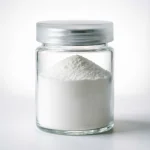 Core Requirements for Glucosamine Manufacturing Glucosamine Manufacturing requires tight control of four interlocked variables: assay on dried basis, moisture content, counterion identity, and microbial limits. Together, these parameters determine batch-to-batch consistency in finished joint health supplements. Glucosamine raw material is dosed at 500 mg to 1500 mg per day in… Read more: Glucosamine Stability, Purity, and Testing Requirements for Manufacturers
 - Glucosamine Manufacturing Process: From Raw Material Selection to Quality Control
 Glucosamine is an amino sugar and one of the most widely traded supplement raw materials in the joint-health category — and its quality is decided on the production floor, not on a sales page. Reliable Glucosamine Manufacturing depends on validated chitin sourcing, controlled acid hydrolysis at 80-90°C, and HPLC-verified assay… Read more: Glucosamine Manufacturing Process: From Raw Material Selection to Quality Control
 - N-Acetyl-Glucosamine Raw Material Technology White Paper: Specifications, Production Process and Quality Control
 Author: Adrian Chen, Scientific Affairs & Product Development, Advanced Nutrition Innovation Center Executive Summary: Key Facts for Bulk Buyers N-Acetyl-Glucosamine (CAS 7512-17-6, molecular formula C8H15NO6, molecular weight 221.21 g/mol) is the acetylated form of glucosamine supplied as a white to off-white crystalline powder for joint and skin health formulations. Pharmaceutical-grade… Read more: N-Acetyl-Glucosamine Raw Material Technology White Paper: Specifications, Production Process and Quality Control