


By Adrian Chen, Scientific Affairs & Product Development, Advanced Nutrition Innovation Center
A reliable Glucosamine manufacturer provides assay ≥98.0% on dried basis, complete COA traceability per batch, and compliance with USP or EP monographs for joint health applications. Glucosamine Manufacturing quality depends on source control of chitin, validated purification, and control of heavy metals below 10 ppm total. Procurement risk drops when the supplier documents capacity, certifications, and stability data for Glucosamine raw material in the same audit file.
What Defines a Reliable Glucosamine Manufacturer
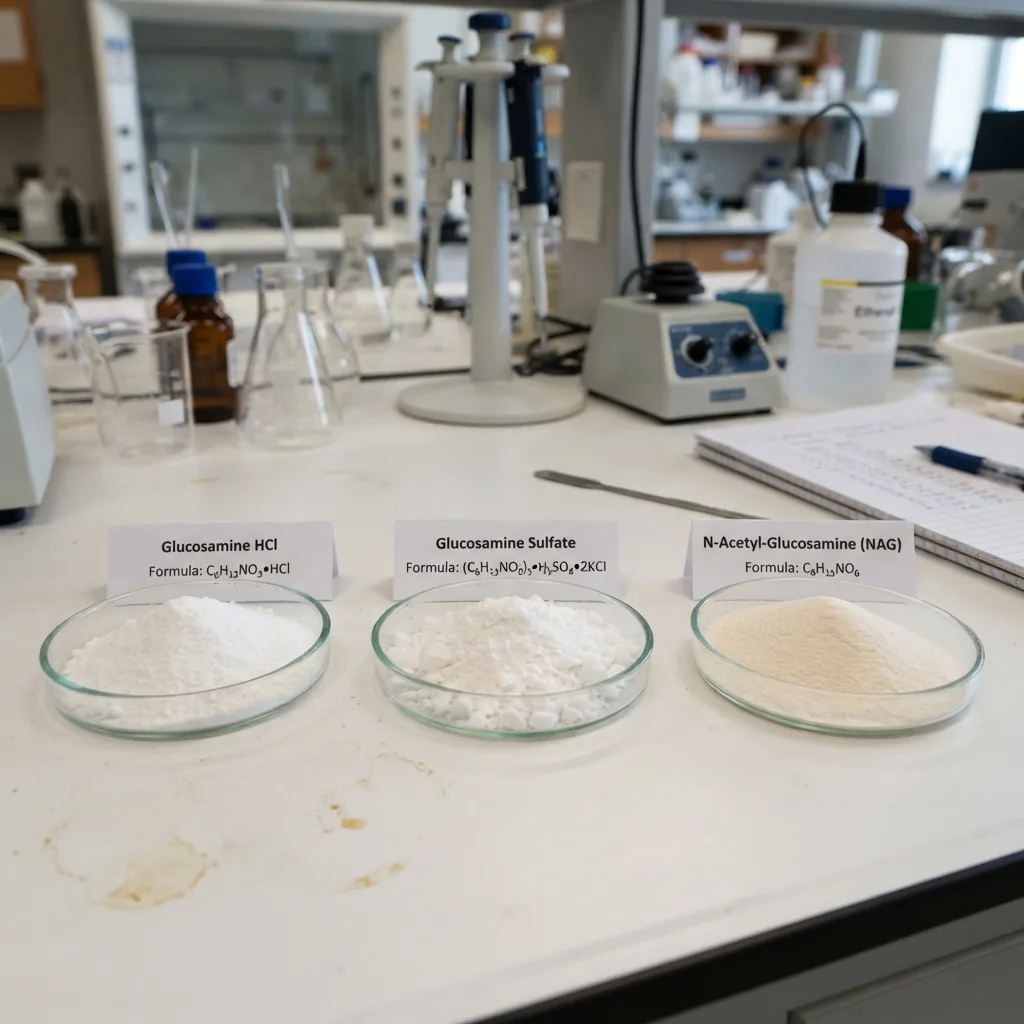
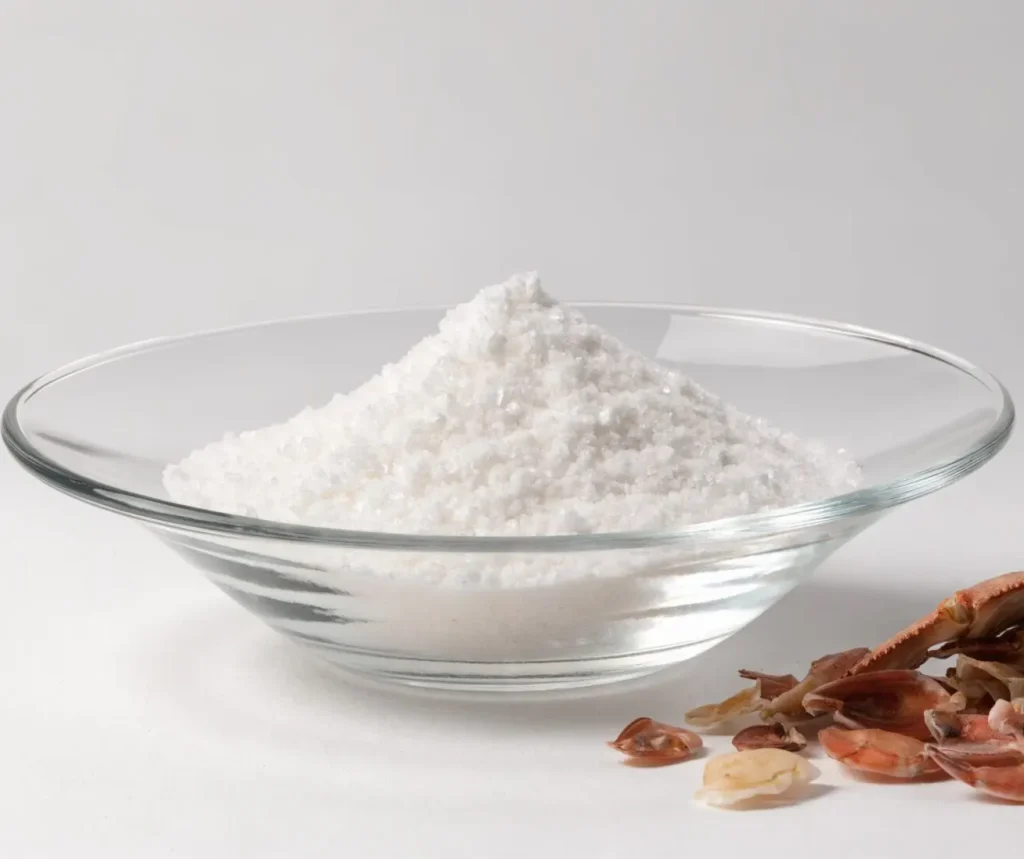
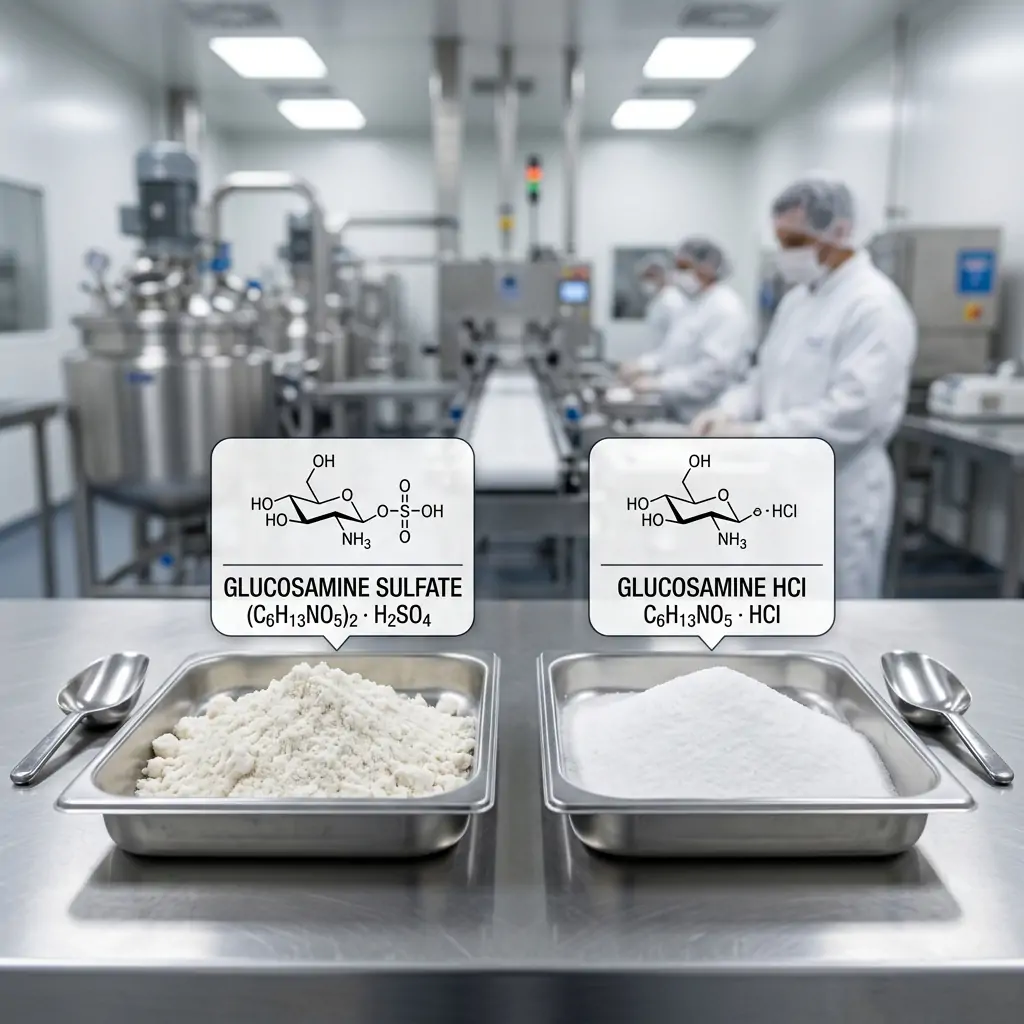
The manufacturer must control three variables: source identity, chemical form, and contaminant profile of supplement raw materials. Glucosamine (GlcN) is produced by acid hydrolysis of chitin from crustacean shells or by fermentation of corn for vegan grades. The finished Glucosamine raw material must match the declared form, either Glucosamine Hydrochloride CAS 66-84-2 or Glucosamine sulfate CAS 29031-19-4, with molecular formula C6H13NO5·HCl or (C6H13NO5)2SO4.
Capacity and documentation separate traders from manufacturers. A facility producing 16 tons per day with a 100,000-class cleanroom can support Glucosamine bulk orders without subcontracting crystallization. R&D capability matters because 2,000+ new formulations per year indicate method development for Glucosamine Powder in gummies, capsules, and tablets.
Critical Quality Indicators for Glucosamine
Purity is measured by HPLC or titration per USP 43. Glucosamine Hydrochloride requires 98.0% to 102.0% on dried basis. Glucosamine sulfate 2KCl requires 98.0% to 102.0% for glucosamine content and 16.0% to 19.0% for potassium chloride.
Moisture impacts stability of Glucosamine Powder. Loss on drying must be ≤1.0% for hydrochloride and ≤2.0% for sulfate forms per EP 11.0. Sulfated ash for hydrochloride must be ≤0.2%.
Contaminant limits are non-negotiable for Glucosamine bulk. Total heavy metals ≤10 ppm, lead ≤1.0 ppm, arsenic ≤1.0 ppm, cadmium ≤1.0 ppm, mercury ≤0.1 ppm. Total plate count ≤1000 CFU/g, yeast and mold ≤100 CFU/g, E. coli negative per gram.
Batch consistency is verified by COA trend analysis over 10 consecutive lots. Relative standard deviation for assay must be ≤1.5%. Residual solvents must meet ICH Q3C Class 3 limits when isopropanol is used in purification.
Certification Requirements That Matter for This Ingredient
Not all certificates apply equally to Glucosamine. ISO9001 and GMP demonstrate quality system control for supplement raw materials. ISO22000, HACCP, and FSSC 22000 demonstrate food safety control for chitin hydrolysis where biological contamination risk exists.
FDA registration is required for US market entry of Glucosamine raw material. BRC, HALAL, KOSHER, and Vegan certifications determine market eligibility, not intrinsic purity. PJPH certification is required for Japan market.
Pharmacopoeia compliance determines acceptance by R&D. USP, EP, and JP monographs define identification by IR and specific optical rotation +52.5° to +55.0° for Glucosamine Hydrochloride. A 10,000-class pharma-grade R&D lab is typically required to validate these methods.
Supplier Audit Checklist: 10 Questions to Ask
1. What Is the Source and Form of Your Glucosamine Raw Material?
Ask for species and origin of chitin: shrimp, crab, or fermentation-derived corn. Shellfish-derived Glucosamine Powder carries allergen labeling obligations under FALCPA. Fermentation-derived Glucosamine requires documentation of non-GMO corn and absence of crustacean protein below 2.5 ppm by ELISA.
2. What Is Your Assay Method and Minimum Purity Threshold?
Require HPLC-RI or potentiometric titration with method validation report. The minimum assay for pharmaceutical-grade Glucosamine Hydrochloride is 98.5% per COA. Ask for chromatograms for 3 recent lots of Glucosamine raw material.
3. How Do You Control Heavy Metals, Solvents, and Microbiological Contaminants?
Ask for ICP-MS data for Pb, As, Cd, Hg per batch. Total heavy metals must be reported, not only individual metals. Ask for solvent recovery logs if ethanol or isopropanol is used in final wash, with residual limit ≤5000 ppm for Class 3 solvents.
4. Which Certifications and Pharmacopoeia Standards Do You Meet?
Request copies of GMP certificate issued within last 12 months and ISO22000 certificate number. For Glucosamine manufacturer serving EU, request EP compliance statement with reference to monograph 1721 for Glucosamine sulfate. Certifications like ISO9001, HACCP, FDA, BRC, FSSC 22000, HALAL, KOSHER, Vegan should be verified on certification body database.
5. Can You Provide Batch-to-Batch Consistency Data and COA Traceability?
Request COAs for 10 recent lots with lot numbers linked to chitin source lots. Each COA must include CAS number 66-84-2 for hydrochloride or 31284-96-5 for sulfate 2KCl complex, manufacturing date, and retest date. Shelf life assignment must be supported by 24-month accelerated stability data at 40°C / 75% RH per ICH Q1A.
6. What Is Your Production Capacity, Lead Time, and MOQ Flexibility?
Confirm daily capacity in tons and annual capacity in tons, for example 5,000 tons per year. Lead time for Glucosamine bulk in 25 kg drums is typically 15 to 25 days after QC release. MOQ flexibility below 100 kg indicates distributor stock rather than direct Glucosamine Manufacturing.
7. How Is Your Quality Management System Structured for Supplement Raw Materials?
Ask for QMS flowchart showing IQC, IPQC, and FQC checkpoints for Glucosamine raw material. Particle size distribution must be controlled, for example 80 mesh or 100 mesh, with bulk density 0.50 to 0.70 g/mL. OOS procedure must include investigation within 15 business days.
8. Do You Offer Vegan, Non-Shellfish Glucosamine Options?
Vegan Glucosamine is produced by fermentation of Aspergillus niger or corn. Ask for Vegan certification issued by The Vegan Society or equivalent, and allergen statement confirming absence of crustacean. Price differential is 18% to 30% higher than shellfish-derived grades as of 2024.
9. What Documentation Supports Regulatory Compliance in Target Markets?
For US, request FDA Food Facility Registration and GRAS determination letter or NDI notification reference for Glucosamine. For EU, request confirmation that Glucosamine is not classified as Novel Food when derived from chitin. For Canada, request NHP Master File reference.
10. How Do You Handle Stability, Storage, and Packaging for Glucosamine Bulk?
Ask for storage condition: 15°C to 25°C, relative humidity ≤60%, sealed in double PE bags inside fiber drum. Shelf life must be 24 months minimum for Glucosamine Hydrochloride and 18 months for Glucosamine sulfate. Packaging formats must include 25 kg drum, 20 kg carton, and 1 kg sample bag with desiccant.
Red Flags in Supplier Communication
Reject suppliers who refuse to disclose chitin species or who provide identical COAs with different lot numbers. A Glucosamine manufacturer must provide original HPLC chromatograms, not only summary percentages.
Warning signs include assay claimed at 99.9% without loss on drying data, heavy metals reported as “<10 ppm” without ICP-MS values, and absence of specific optical rotation. Another red flag is inability to provide 3 reference customers for Glucosamine Powder in regulated markets within 48 hours.
Forced promotion without technical data indicates trading. A technical team led by USTC professors with postdoctoral experience at Cold Spring Harbor Laboratory and Emory University would reference method validation rather than marketing slogans.
Specification Table for Glucosamine Raw Material
| Parameter | Specification | Test Method |
|---|---|---|
| CAS Number (Hydrochloride / Sulfate) | 66-84-2 / 29031-19-4 | Per COA |
| Molecular Formula | C6H13NO5·HCl / (C6H13NO5)2SO4 | USP |
| Assay (dried basis) | 98.0% to 102.0% | HPLC-RI / Titration |
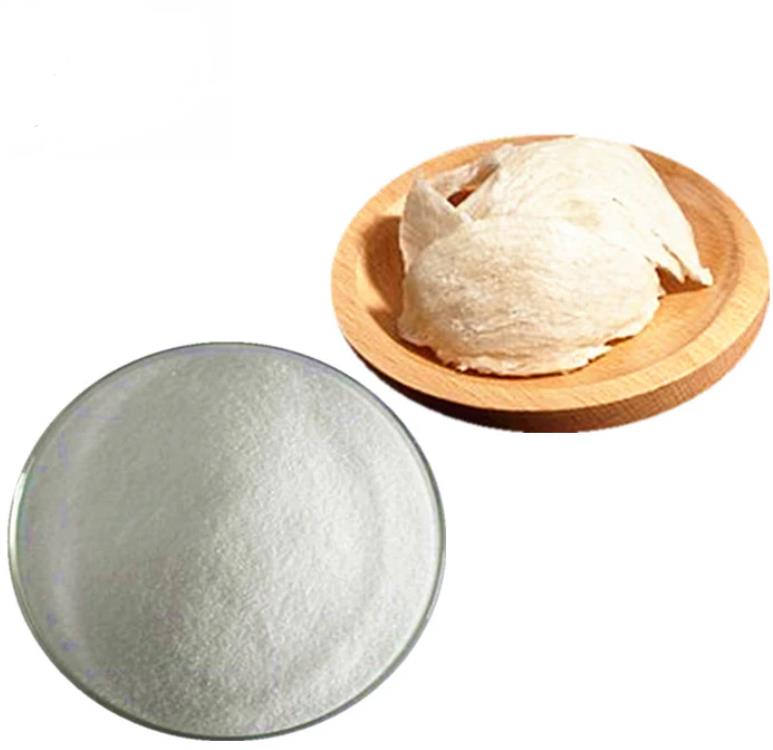
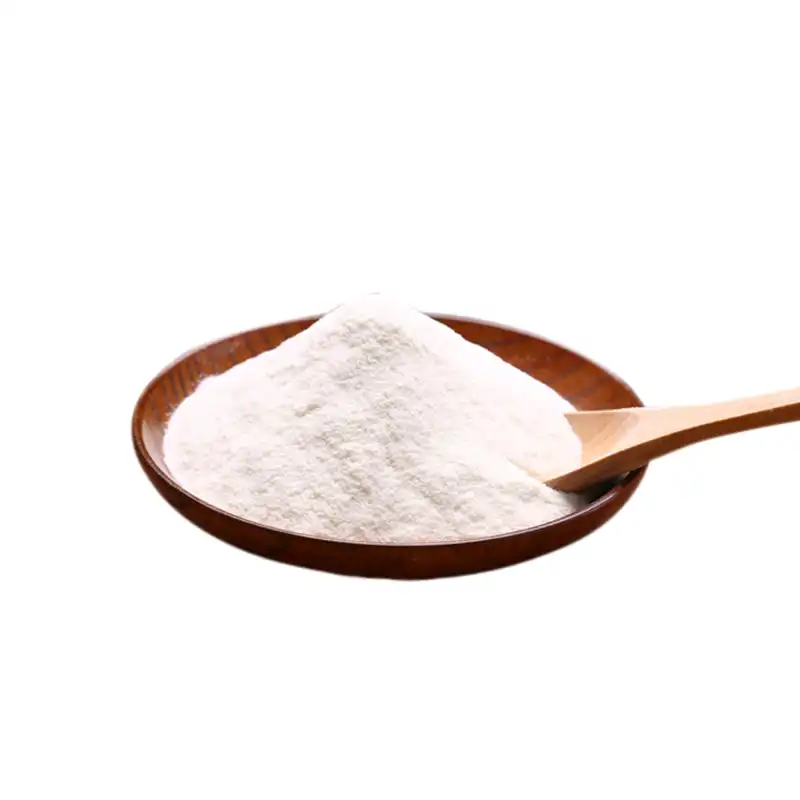
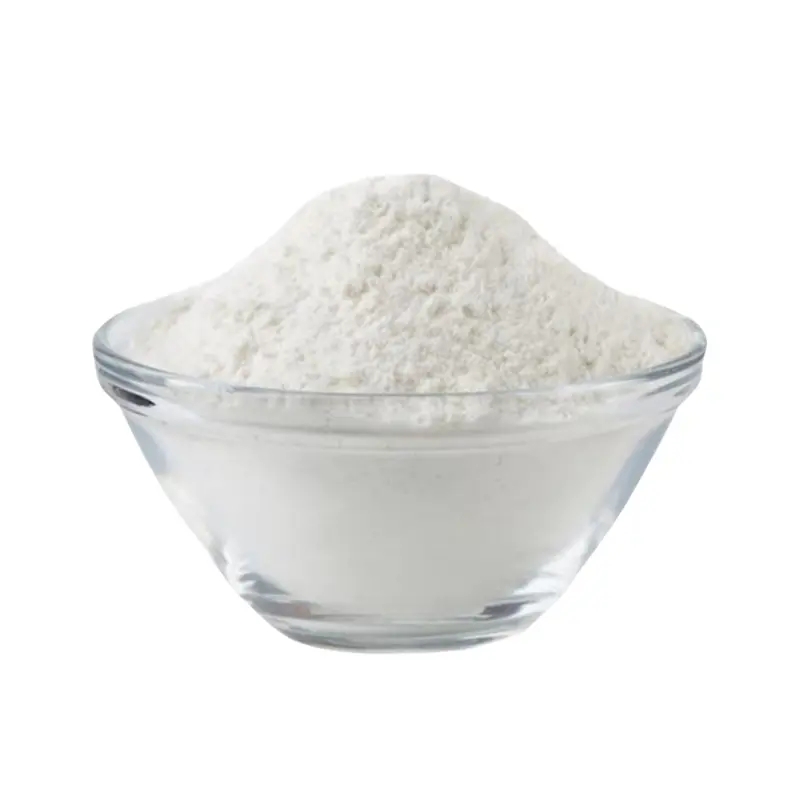
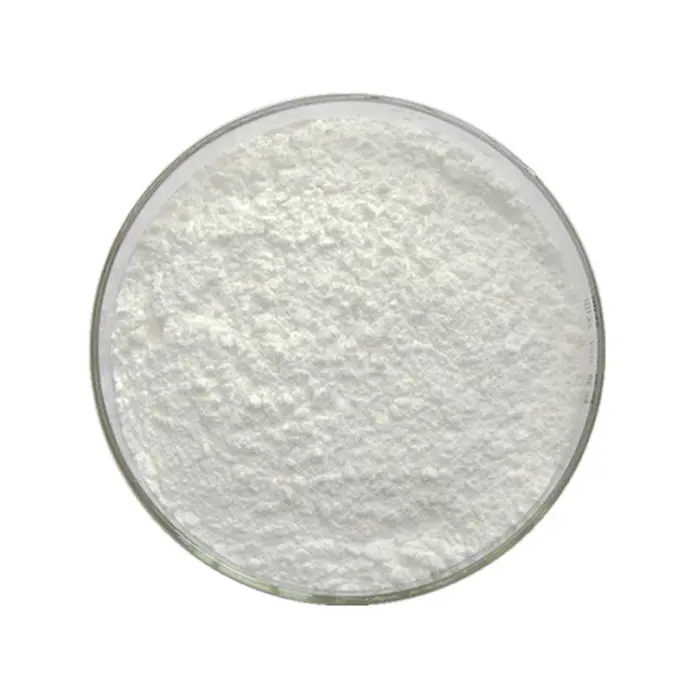
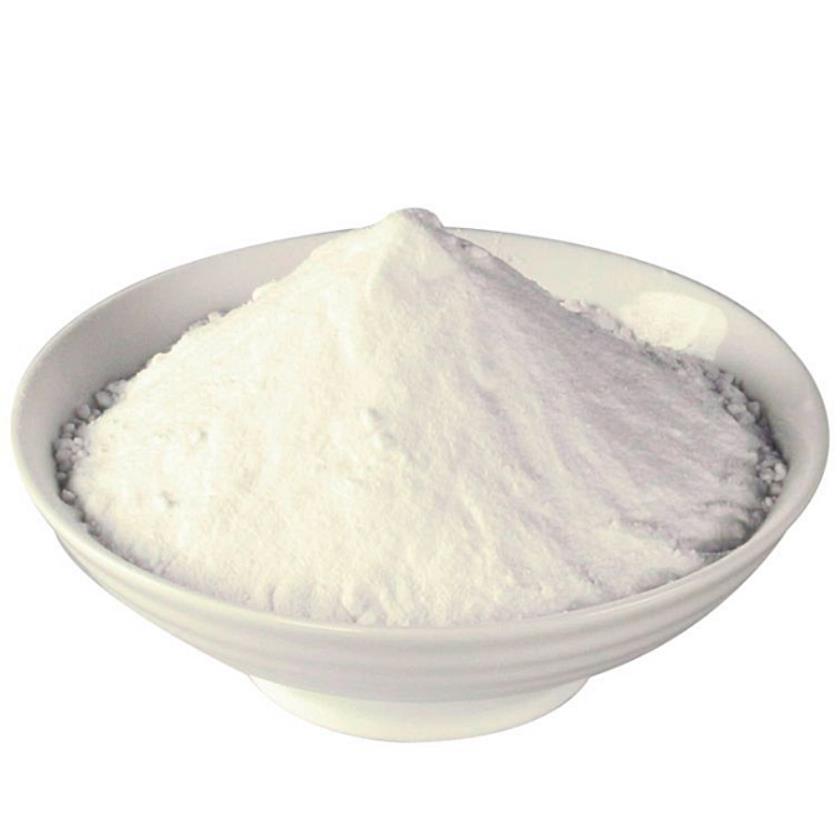
| Appearance | White to off-white crystalline powder | Visual |
| Loss on Drying | ≤1.0% (HCl) / ≤2.0% (Sulfate) | USP <731> |
| Specific Optical Rotation | +52.5° to +55.0° | USP <781S> |
| Heavy Metals (Total / Lead) | ≤10 ppm / ≤1.0 ppm | ICP-MS |
| Sulfated Ash | ≤0.2% (HCl) | USP <281> |
| Particle Size | 80 mesh or 100 mesh | Sieve analysis |
| Microbiological Limits | TAMC ≤1000 CFU/g, TYMC ≤100 CFU/g | USP <61> <62> |
For formulation context, explore Joint & Bone Health Ingredients and detailed specifications in Glucosamine Knowledge Hub.
FAQ
What is the difference between Glucosamine Hydrochloride and Glucosamine sulfate for formulation?
Glucosamine Hydrochloride contains 83% glucosamine base and is more stable with lower hygroscopicity. Glucosamine sulfate contains 59% to 65% glucosamine base and requires stabilization with KCl or NaCl.
What MOQ should I expect for Glucosamine bulk from a direct manufacturer?
Direct Glucosamine manufacturer MOQ is 100 kg to 500 kg for standard grades. Flexible MOQ below 100 kg is available for sample validation or pilot batches.
How do I verify vegan status for non-shellfish Glucosamine?
Request Vegan certificate, fermentation process flowchart, and ELISA allergen test showing crustacean protein <2.5 ppm. Fermentation-derived Glucosamine must have corn origin documentation.
Which documents are required for FDA compliance of Glucosamine raw material?
Required documents are FDA Food Facility Registration, COA with heavy metals by ICP-MS, allergen statement, and GMP certificate. NDI notification reference is required if the form is not pre-DSHEA.
What stability data should a supplier provide for Glucosamine Powder?
Supplier must provide 24-month real-time and 6-month accelerated stability at 40°C / 75% RH per ICH Q1A. Data must include assay, loss on drying, and color change.
Shenzhen Gothink Biology Technology Co., Ltd. offers OEM, ODM, CMO, and CDMO services with a GMP-certified 100,000-class cleanroom facility producing 16 tons daily. Certifications include ISO9001, ISO22000, HACCP, FDA, HALAL, GMP, KOSHER, BRC, FSSC 22000, PJPH, and Vegan. The R&D team, led by scientists with postdoctoral experience at Cold Spring Harbor Laboratory and Emory University, develops 2,000+ formulations annually across gummy, capsule, tablet, powder, liquid, and drop formats.
For more information, visit Glucosamine Knowledge-hub or Joint & Bone Health.