


Author: Adrian Chen, Scientific Affairs & Product Development, Advanced Nutrition Innovation Center
Executive Summary: Key Facts for Bulk Buyers
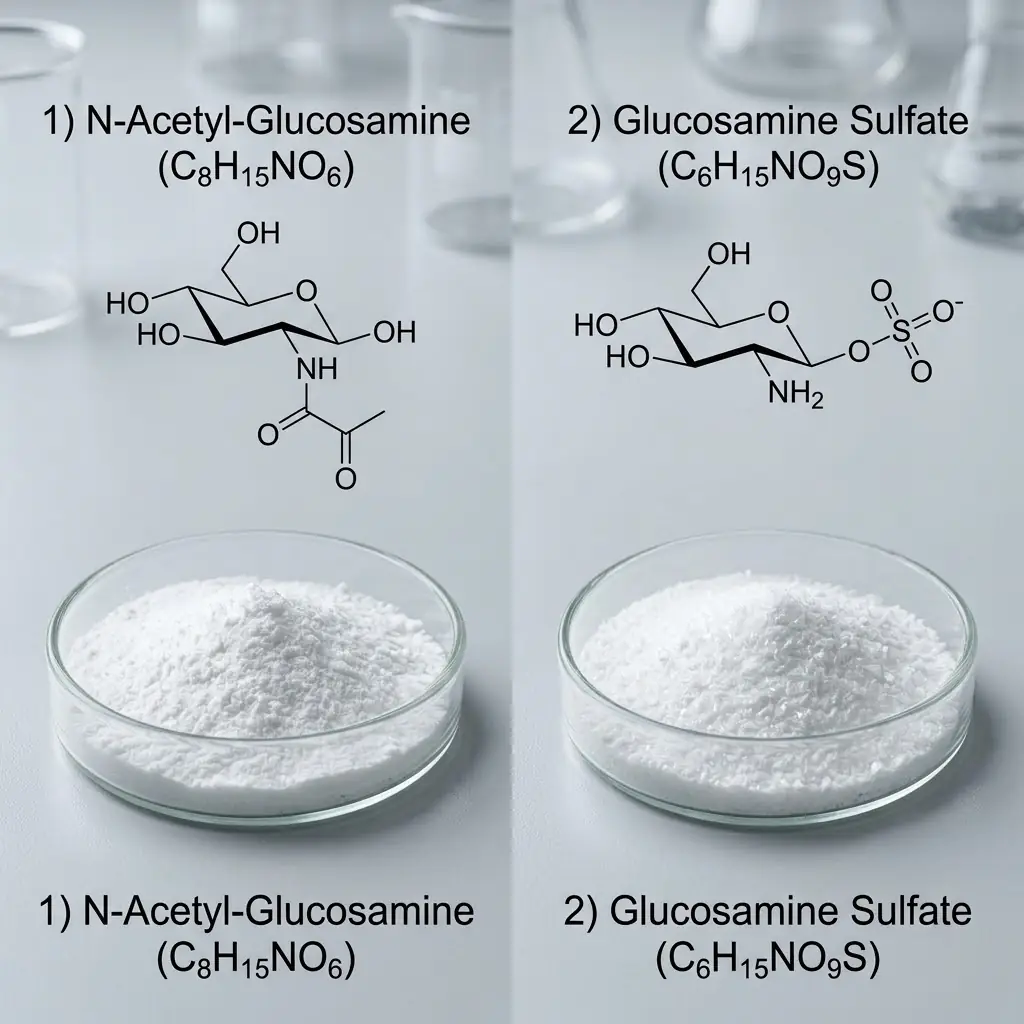
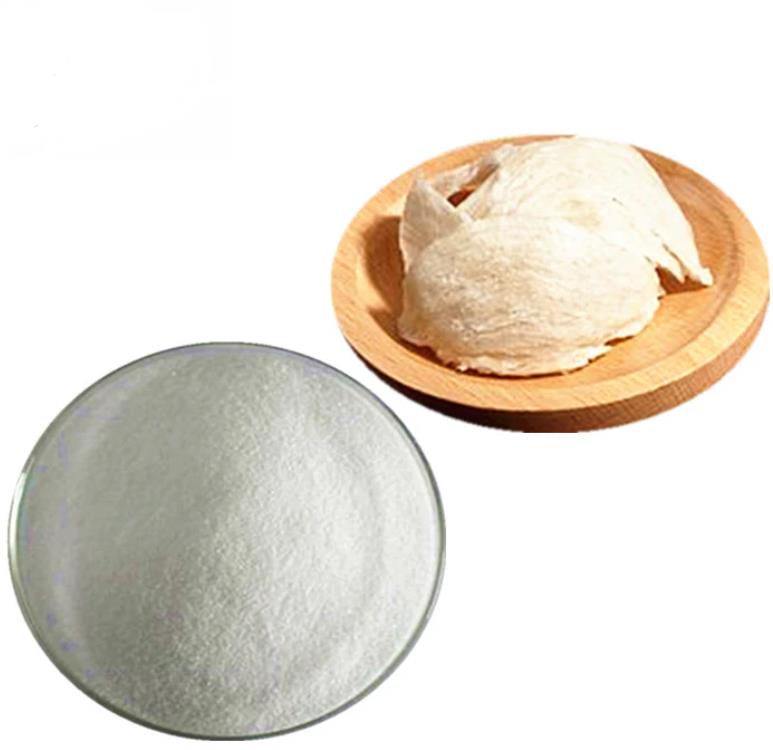
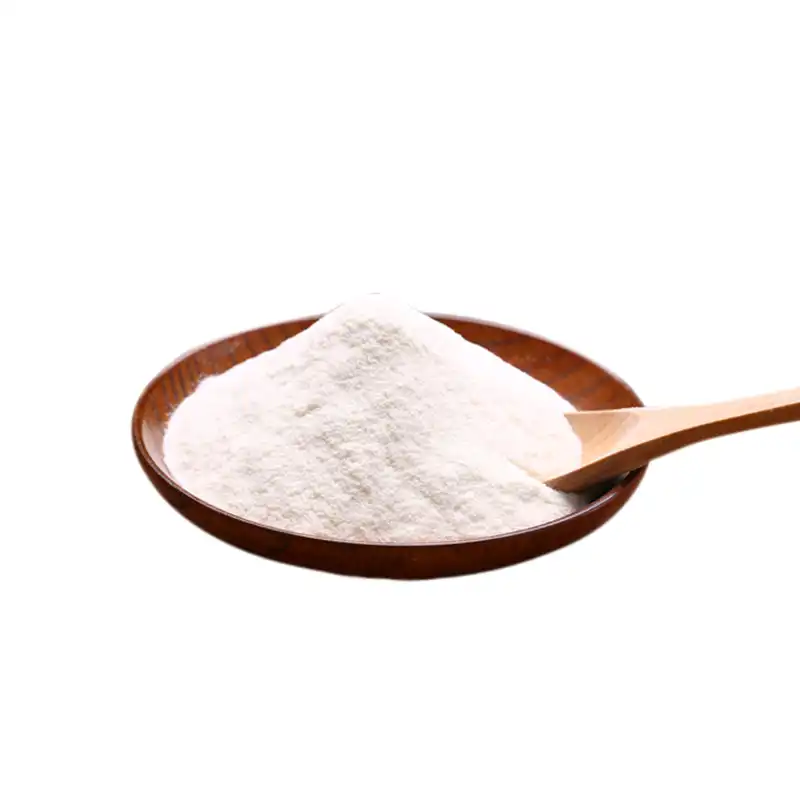
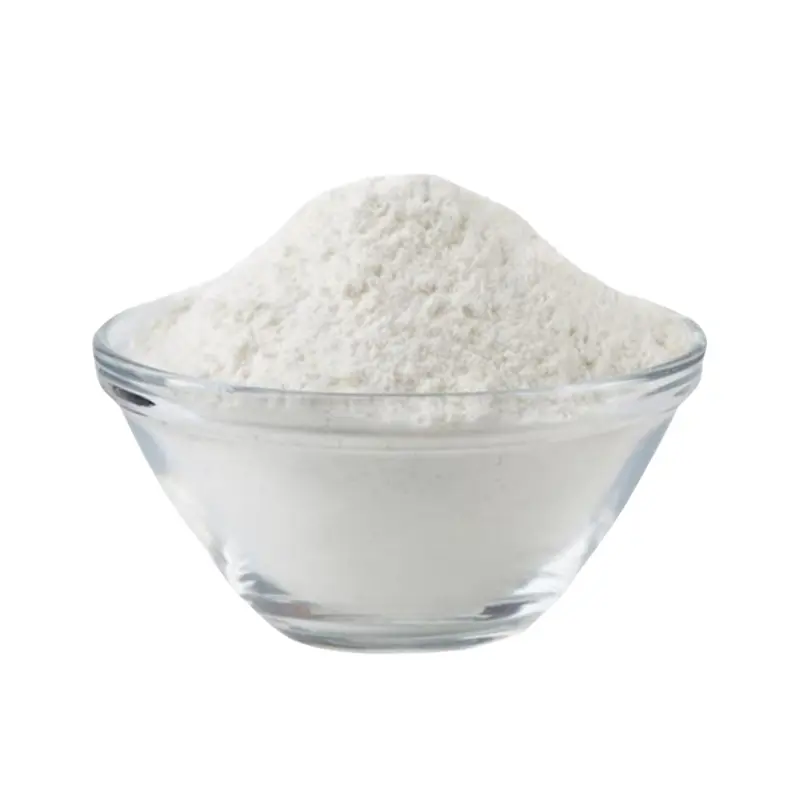
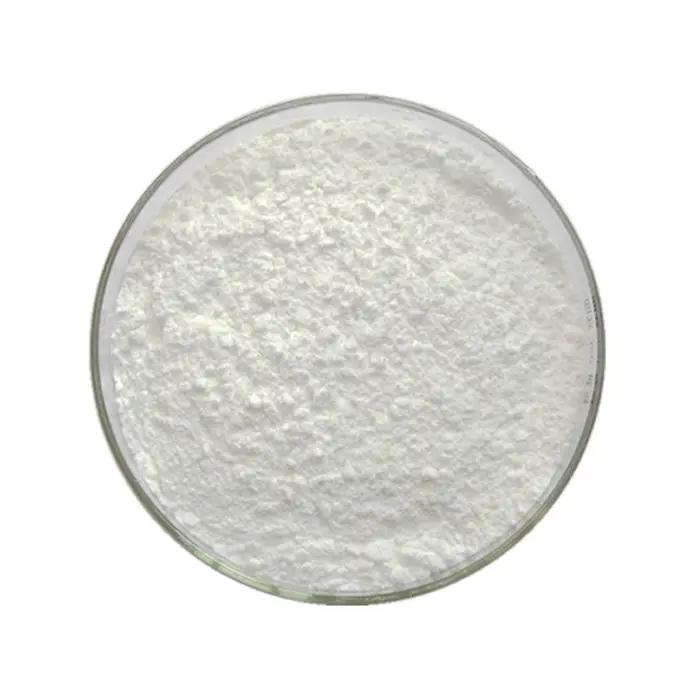
N-Acetyl-Glucosamine (CAS 7512-17-6, molecular formula C8H15NO6, molecular weight 221.21 g/mol) is the acetylated form of glucosamine supplied as a white to off-white crystalline powder for joint and skin health formulations. Pharmaceutical-grade lots must assay at 98.5% to 102.0% by HPLC on dried basis and clear USP elemental impurity and microbiological limits before release.
- Specification anchors: assay 98.5% to 102.0%, loss on drying ≤0.5%, lead ≤0.5 ppm, particle size D90 ≤180 microns
- Production routes: shellfish chitin hydrolysis or vegan microbial fermentation
- Quality system: incoming, in-process, and finished product QC with 12-parameter batch release
- Commercial terms: 25 kg MOQ in fiber drums, 15 to 25 day stock lead time, 24 month shelf life
Core Specification Overview
N-Acetyl-Glucosamine raw material is qualified by assay, identity, and impurity profile before formulation into joint and skin health products. The CAS number is 7512-17-6. The molecular formula is C8H15NO6.
Molecular weight is 221.21 g/mol. Minimum assay is 98.5% to 102.0% on dried basis by HPLC. Loss on drying limit is 0.5%.
For buyers of supplement raw materials, this threshold determines direct compression feasibility. N-Acetyl-Glucosamine bulk with moisture above 0.5% shows caking within 30 days at 25°C and 60% RH. N-Acetyl-Glucosamine Powder intended for stick packs requires D90 below 180 microns for content uniformity with RSD below 2.0%.
Detailed Specification Breakdown
Identity Specifications
CAS number for N-Acetyl-Glucosamine is 7512-17-6. Molecular formula is C8H15NO6. Molecular weight is 221.21 g/mol.
Specific optical rotation is +40.0° to +45.0° at 20°C in water. This range confirms D-configuration. FTIR identity requires correlation coefficient of 0.99 against USP Reference Standard.
Melting point is 209°C to 211°C by DSC for polymorphic Form I. Form I is the stable form for N-Acetyl-Glucosamine raw material. Form II converts to Form I above 150°C.
Purity and Assay Specifications
Assay specification is 98.5% to 102.0%. Method is HPLC with C18 column 250 mm x 4.6 mm. Detection wavelength is 195 nm.
Related substances total is not more than 0.5%. Single unknown impurity limit is 0.10%. Glucosamine impurity limit is 0.20%.
Residue on ignition limit is 0.10% per USP <281>. pH of 2% solution is 4.5 to 6.0. Protein residue limit is 0.10% by Bradford.
Physical Specifications
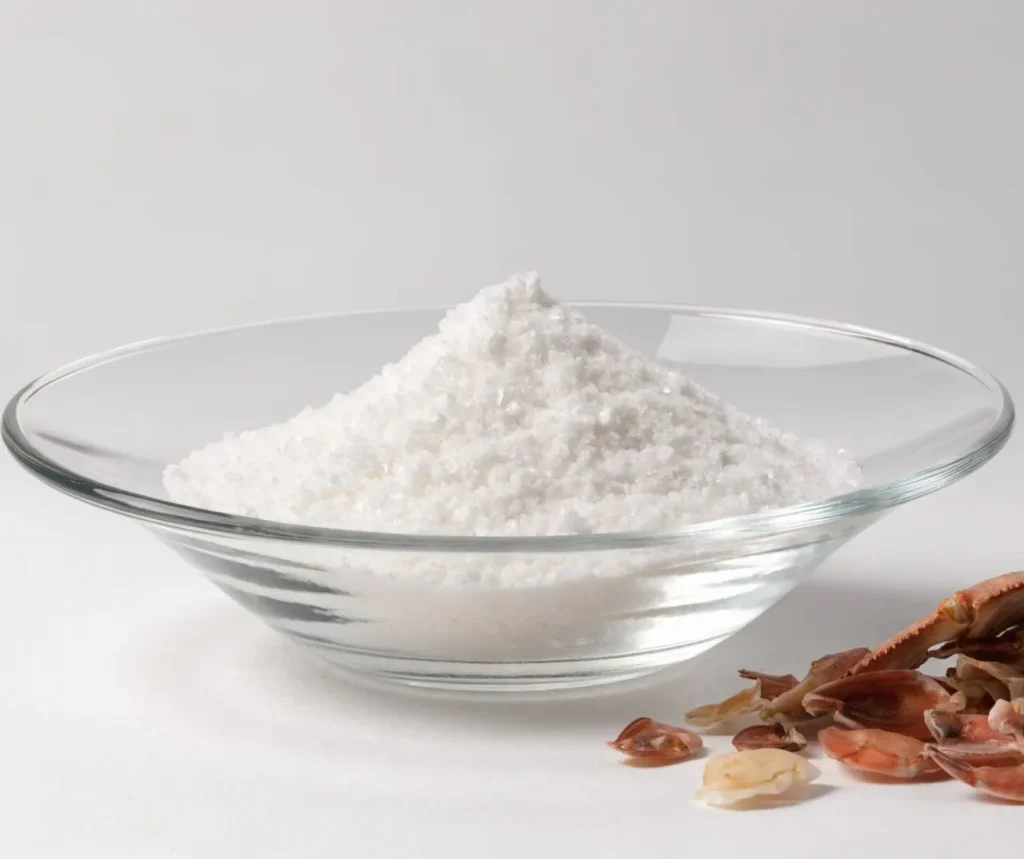
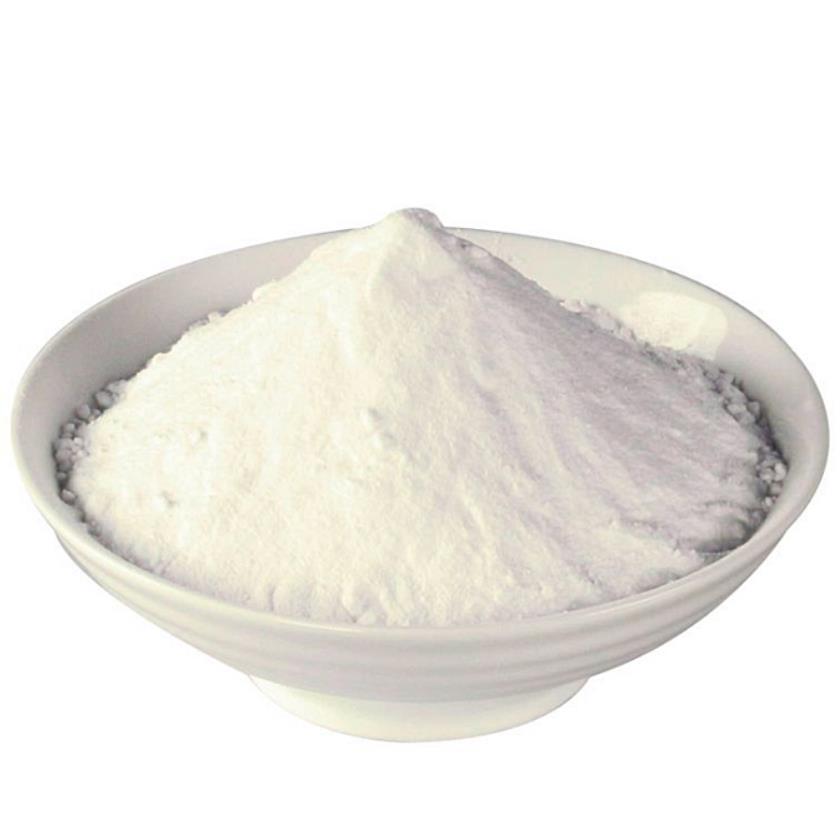
Appearance is white to off-white crystalline powder. Bulk density is 0.45 g/mL to 0.65 g/mL. Tapped density is 0.60 g/mL to 0.85 g/mL.
Particle size D50 is 80 to 120 microns for capsule filling. Particle size D90 is not more than 180 microns. Water solubility is 1 g in 2 mL at 20°C.
Loss on drying is not more than 0.5% at 105°C for 2 hours. Water activity must be below 0.40 aw. Shelf life is 24 months at ≤25°C in sealed drums with desiccant.
Safety Specifications
Total heavy metals limit is 10 ppm per USP <233>. Lead limit is 0.5 ppm per Prop 65. Arsenic limit is 1.0 ppm.
Cadmium limit is 0.5 ppm. Mercury limit is 0.1 ppm. Residual ethanol limit is 5000 ppm per ICH Q3C.
Total aerobic microbial count is ≤1000 CFU/g per USP <61>. Yeast and mold count is ≤100 CFU/g. Escherichia coli is absent in 10 g per USP <62>.
Production Process and Critical Control Points
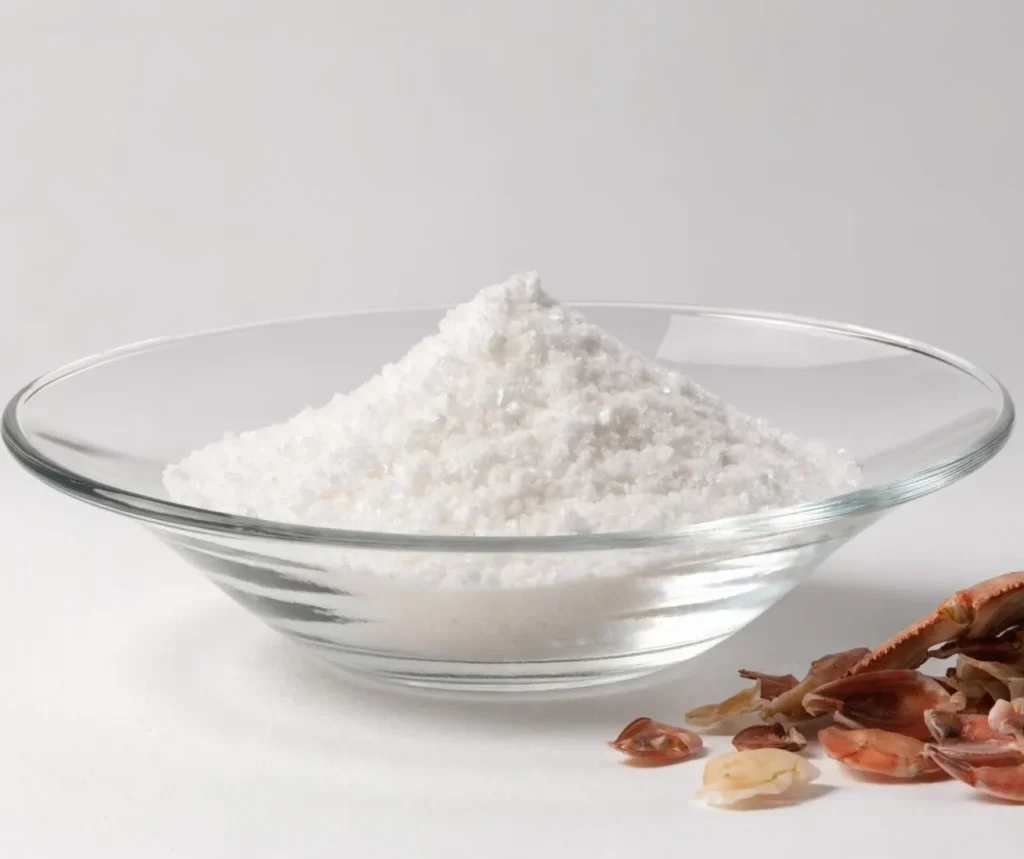
Two commercial routes produce N-Acetyl-Glucosamine raw material: Route A is chitin hydrolysis from shrimp or crab shells, and Route B is vegan fermentation using Bacillus subtilis or Corynebacterium glutamicum. Route B eliminates animal-derived allergens and supports Vegan certification, while Route A relies on established shellfish chitin chemistry. The comparison below shows how the route choice affects allergen risk, label claims, and regulatory documentation for buyers.
| Sourcing Attribute | Route A: Chitin Hydrolysis (Shellfish) | Route B: Microbial Fermentation (Vegan) |
|---|---|---|
| Feedstock | Shrimp and crab shell chitin | Glucose via the hexosamine pathway |
| Allergen burden | Tropomyosin ELISA below 2.5 ppm required per lot | No shellfish allergen testing required |
| Label claims | Shellfish allergen labeling mandatory | Vegan and allergen-free claims eligible with certification |
| Typical final purity | Above 98.5% with 95% to 98% crystallization yield | 99.2% after second recrystallization |
| EU market entry | Conventional food ingredient pathway | Novel Food authorization 2015/2283 required |
| Best suited for | Cost-sensitive applications where allergen labeling is acceptable | Allergen-free, vegan, and premium positioning |
Route A follows the sequence of chitin extraction, demineralization, deproteinization, acid hydrolysis, neutralization, crystallization, fluid-bed drying, and milling. Control point 1 is demineralization with 4% HCl at 25°C for 6 hours. Residual ash after this step must be below 1.0%. Control point 2 is deproteinization with 4% NaOH at 90°C for 2 hours.
Hydrolysis in Route A uses 30% HCl at 60°C for 4 hours. Neutralization pH endpoint is 6.0 to 6.5. Crystallization yield is 95% to 98% with purity above 98.5%.
Route B follows the sequence of seed culture, fed-batch fermentation, microfiltration, ion exchange, two-stage crystallization, fluid-bed drying, and milling. Fermentation runs at 30°C to 37°C. pH is controlled at 6.5 to 7.0 with ammonia. Glucose feed concentration is 20 g/L initial and 500 g/L fed-batch, with conversion proceeding through the hexosamine pathway.
Fermentation titer reaches 40 g/L to 80 g/L in 48 hours. Downstream microfiltration uses 0.2 micron membrane. Ion exchange removes organic acids to conductivity below 50 µS/cm.
Crystallization in Route B uses two stages. First crystallization temperature is 4°C for 12 hours. Second recrystallization improves assay from 98.5% to 99.2%.
Facilities producing 16 tons per day validate crystallization cooling rate at 0.5°C per minute. This rate ensures Form I formation. Facilities with 5,000 tons per year capacity typically validate three consecutive batches for process consistency with assay RSD below 1.0%. A N-Acetyl-Glucosamine manufacturer operating a 100,000-class cleanroom maintains particle control below 100,000 particles ≥0.5 µm per cubic foot throughout crystallization, drying, and packaging.
These critical control points feed directly into the three-stage quality control system below, covering incoming materials, in-process monitoring, and finished product release.
Quality Control System: From Incoming to Final Release
Incoming Quality Control
Incoming chitin requires degree of acetylation above 90% by titration. Incoming glucose for fermentation requires purity ≥99.5% by HPLC. Supplier COA must include heavy metals below 1 ppm.
Sampling follows ANSI/ASQ Z1.4 Level II. Critical defects use acceptance number 0. Major defects use AQL 0.65.
Allergen status is verified by ELISA for tropomyosin with LOQ 2.5 ppm. Non-GMO statement is required for fermentation media. TSE/BSE statement is required for all animal-derived processing aids.
In-Process Quality Control
pH is measured every 2 hours during fermentation. Dissolved oxygen is maintained above 30% saturation. Bioburden in fermentation broth is tested every 12 hours with limit below 10 CFU/mL before induction.
Crystallization mother liquor assay is tested by in-line HPLC. Supersaturation ratio is controlled at 1.2 to 1.3. Crystal size is monitored by laser diffraction every batch.
Drying uses fluid bed dryer at inlet temperature 60°C. Outlet moisture target is 0.30% to 0.45%. Drying time is 90 to 120 minutes per 300 kg lot.
Finished Product Quality Control and Release
Finished N-Acetyl-Glucosamine Powder is tested against full specification table. Assay RSD for 10 samples from one lot must be ≤1.0%. Batch release requires QA review of 12 parameters.
Retain samples are 200 g per lot. Retain storage duration is 12 months beyond shelf life. Stability program includes accelerated testing at 40°C and 75% RH for 6 months.
Degradation limit under accelerated conditions is 0.3% for total impurities. Trend analysis requires 3 consecutive batches with assay variation below 0.5%. Lots with out-of-specification results are quarantined per SOP-QA-08.
Certifications for release include ISO9001, ISO22000, HACCP, FDA, HALAL, GMP, KOSHER, BRC, FSSC 22000, PJPH, and Vegan. Documentation includes allergen, residual solvent, and pesticide residue statements below 0.01 ppm.
Testing Methods and Analytical Verification
Identity verification uses FTIR per USP <197>. HPLC assay uses C18 column with mobile phase acetonitrile:water 80:20. System suitability requires tailing factor below 2.0.
Loss on drying follows USP <731> at 105°C. Residue on ignition follows USP <281> at 600°C. pH measurement follows USP <791> with 2% solution.
Heavy metals are quantified by ICP-MS per USP <233>. Detection limit for lead is 0.01 ppm. Microbiological testing follows USP <61> for enumeration and <62> for specified organisms.
Protein residue uses Bradford method with LOQ 0.02%. Particle size distribution uses laser diffraction per USP <429>. Bulk density follows USP <616> Method I.
Formulation Compatibility and Regulatory Alignment
N-Acetyl-Glucosamine is stable at pH 3.0 to 7.0. Degradation rate at pH 8.0 is 2.5 times faster than at pH 5.0. Storage below 25°C limits degradation to less than 0.2% per year.
Compatible excipients include microcrystalline cellulose PH102 and dicalcium phosphate dihydrate. Incompatible materials include sodium percarbonate oxidizers.
Effective dosage is 500 mg to 1000 mg per day for joint support. Oral beauty dosage is 500 mg per day based on 4-week clinical hydration data. Gummy loading limit is 250 mg per 3 g gummy without recrystallization.
FDA GRAS notice is GRN 000315 with limit 1000 mg per serving. EU Novel Food authorization applies to Aspergillus niger-derived material under Regulation 2015/2283. Japan approval has no upper limit under Food Sanitation Act.
China Health Food Raw Materials Directory lists recommended intake 0.7 g to 1.4 g per day. Facilities with 2,000+ formulations per year capacity support gummy, capsule, tablet, powder, liquid, and drop formats.
Technical Specification Table
| Parameter | Specification | Test Method |
|---|---|---|
| CAS Number | 7512-17-6 | CAS Registry |
| Molecular Formula / Weight | C8H15NO6 / 221.21 g/mol | USP Monograph |
| Assay | 98.5% – 102.0% | HPLC |
| Appearance | White to off-white crystalline powder | Visual |
| Specific Optical Rotation | +40.0° to +45.0° | USP <781> |
| Loss on Drying | ≤0.5% | USP <731> |
| Heavy Metals (Lead) | ≤0.5 ppm | ICP-MS USP <233> |
| Particle Size D90 | ≤180 microns | USP <429> |
| Microbial Limits | TAMC ≤1000 CFU/g, TYMC ≤100 CFU/g | USP <61> <62> |
| Storage / Shelf Life | ≤25°C dry sealed / 24 months | ICH Q1A |
FAQ
What is the acceptance criterion for assay of N-Acetyl-Glucosamine raw material?
Acceptance criterion is 98.5% to 102.0% by HPLC on dried basis.
How is allergen risk controlled between shellfish and fermentation grades?
Shellfish grade requires tropomyosin ELISA below 2.5 ppm and allergen labeling. Fermentation grade requires Vegan certification and no animal inputs.
What in-process controls ensure batch-to-batch consistency?
pH every 2 hours, dissolved oxygen above 30%, mother liquor assay by HPLC, and drying moisture target 0.30% to 0.45%.
What QC documentation must a N-Acetyl-Glucosamine manufacturer provide?
COA with 12 parameters, heavy metals by ICP-MS, microbiology per USP <61> <62>, and certifications ISO22000, FSSC 22000, GMP, BRC, HALAL, KOSHER.
What is the typical MOQ and packaging for N-Acetyl-Glucosamine bulk?
MOQ is 25 kg in fiber drum with double PE bag and desiccant. Lead time is 15 to 25 days for stock.
This article is provided by Gothink Biology, a dietary supplement manufacturer and raw material supplier based in Shenzhen, China.
Shenzhen Gothink Biology Technology Co., Ltd. offers OEM, ODM, CMO, and CDMO services with a GMP-certified 100,000-class cleanroom facility producing 16 tons daily. Certifications include ISO9001, ISO22000, HACCP, FDA, HALAL, GMP, KOSHER, BRC, FSSC 22000, PJPH, and Vegan. The R&D team, led by scientists with postdoctoral experience at Cold Spring Harbor Laboratory and Emory University, develops 2,000+ formulations annually across gummy, capsule, tablet, powder, liquid, and drop formats.
For COA requests, samples, or bulk quotations, visit https://gttsynbio.com/ or contact our technical team.