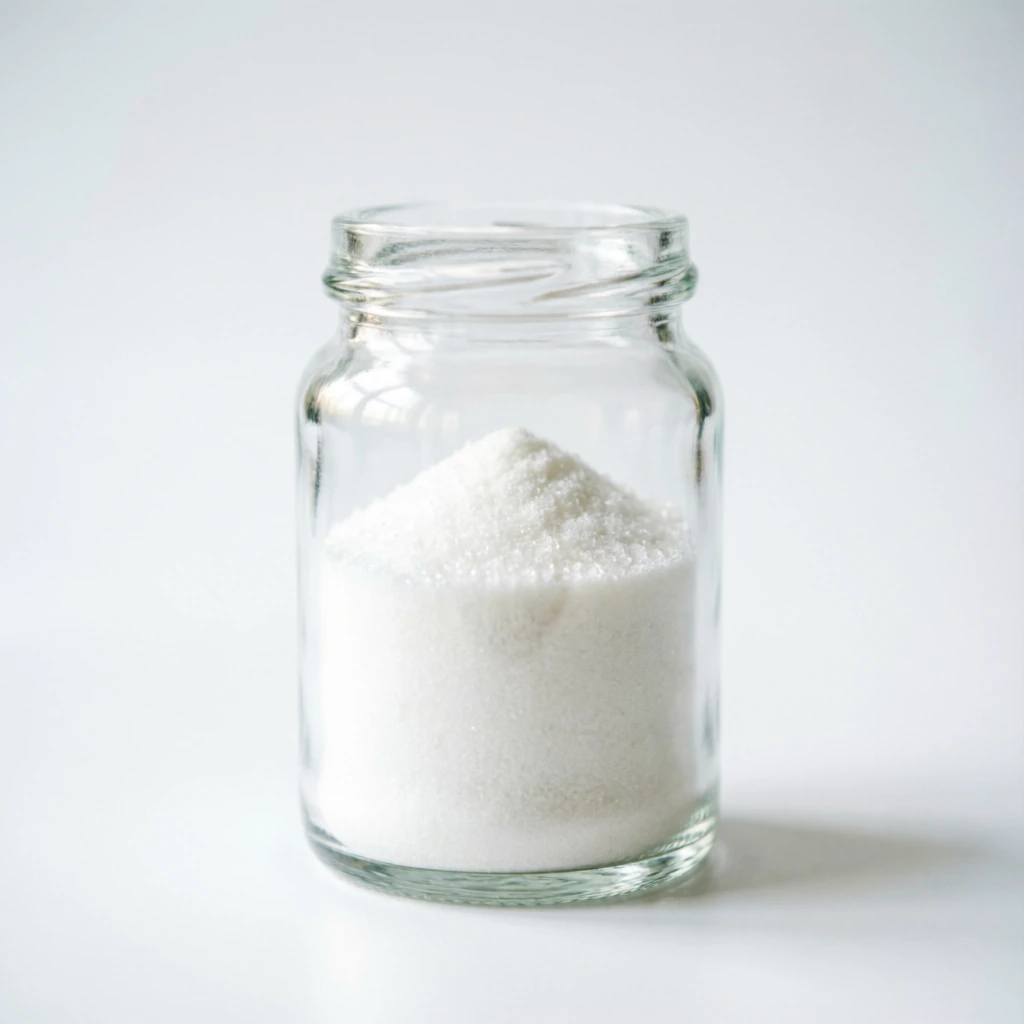



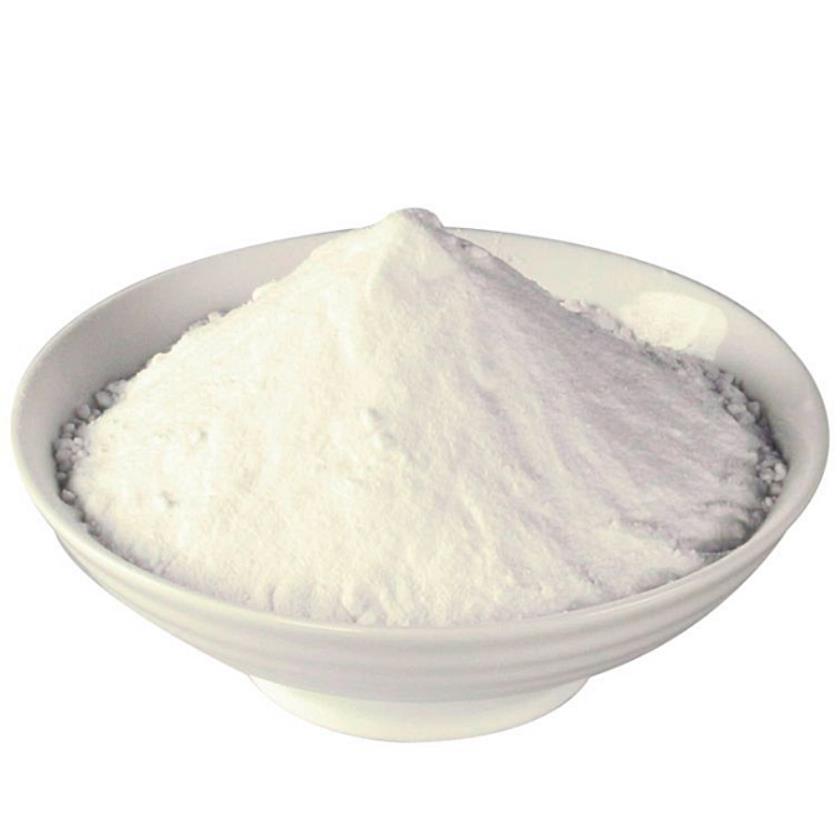
For decades, Glucosamine Sulfate has been the default joint health ingredient. But as brands shift toward gummies, low‑pH ready-to-drink beverages, and high‑dose vegan capsules, the old workhorse is becoming a formulation liability. N-Acetyl-Glucosamine (NAG) is rapidly replacing it — not because of a new consumer story, but because it solves real production and stability problems that sulfate salts cannot.
This guide is written for formulators, R&D leads, and procurement managers who need to make ingredient decisions based on manufacturability, regulatory compliance, and total cost-in-use — not just historical habit.
1. Technical Specifications: Why NAG Behaves Differently on the Production Line
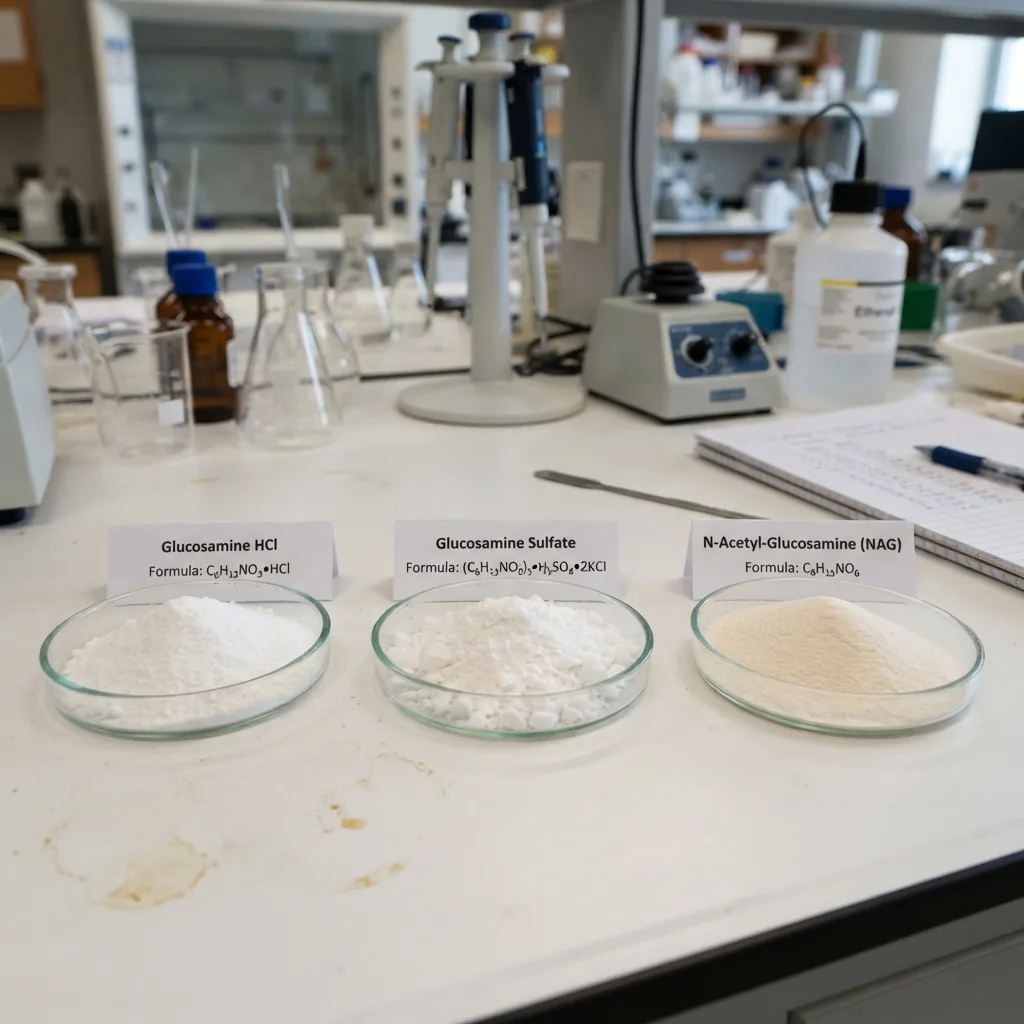
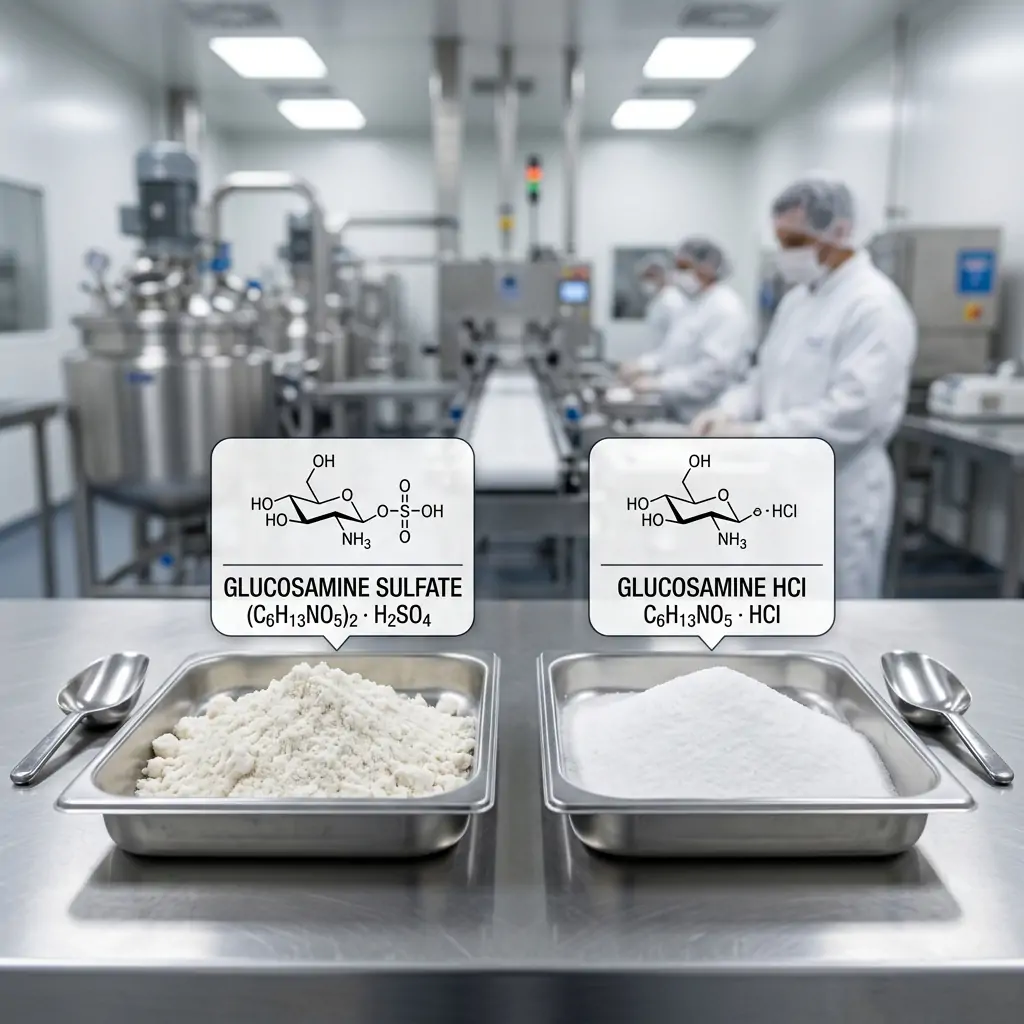
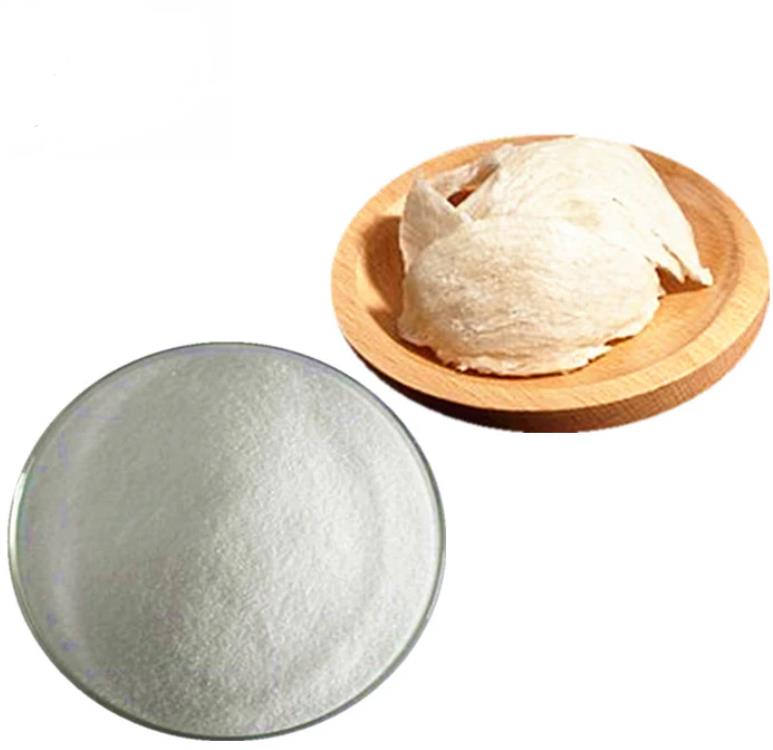
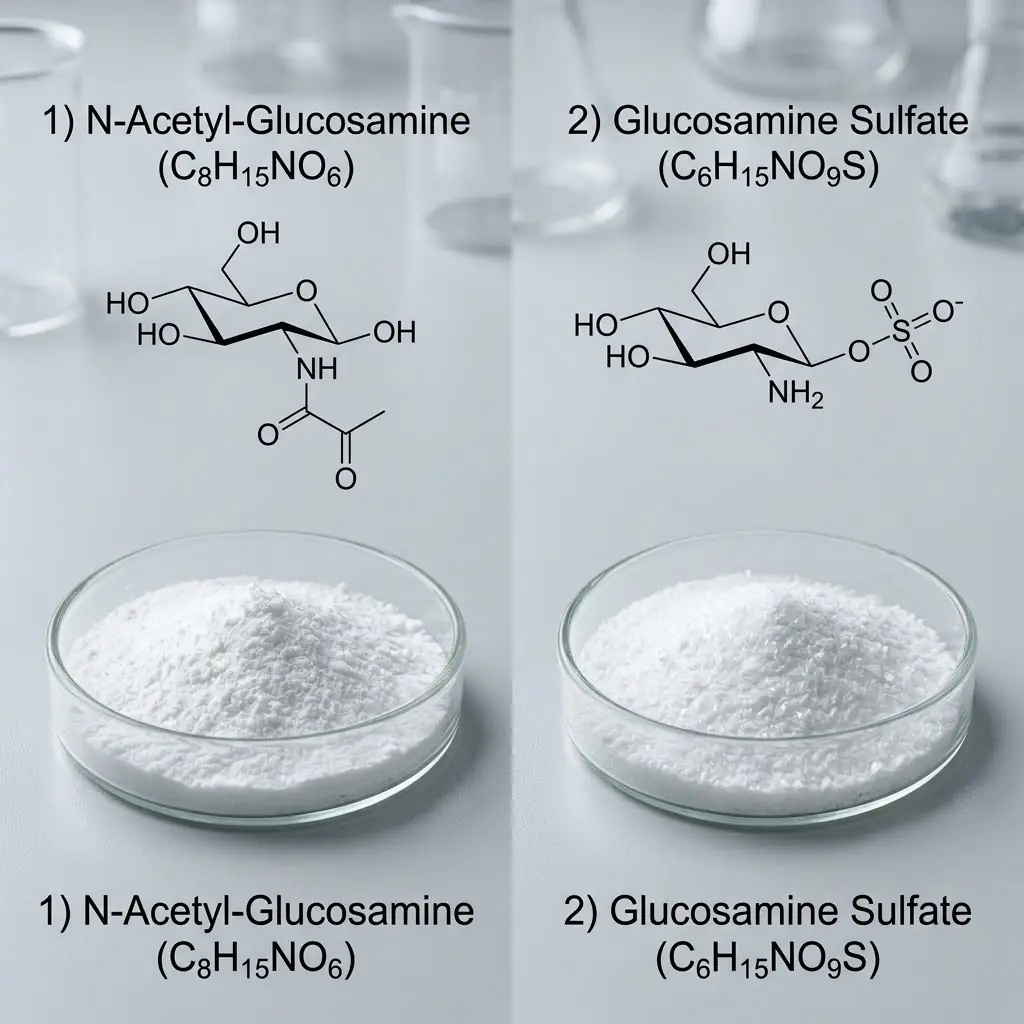
The commercial reality is that Glucosamine Sulfate is rarely pure glucosamine sulfate. The stable form most suppliers sell is Glucosamine Sulfate 2KCl or 2NaCl — meaning roughly 24–26% of every kilogram you buy is inorganic salt stabilizer. In contrast, N‑Acetyl‑Glucosamine is a single, non‑salt, non‑ionic molecule with 100% active load.
| Parameter | N‑Acetyl‑Glucosamine (NAG) | Glucosamine Sulfate 2KCl |
|---|---|---|
| Molecular Form | C8H15NO6, neutral amide | 2SO4 · 2KCl, ionic salt complex |
| Effective Load | 100% active | ~74% glucosamine sulfate, ~26% KCl/NaCl |
| Taste | Slightly sweet, neutral | Salty, bitter, sulfurous aftertaste |
| Vegan Status | Available via fermentation | Predominantly shellfish-derived chitin |
98% vs. 99% Purity: Not Just a Number on the COA
In procurement, that 1% difference carries serious formulation consequences.
- 98% NAG: Acceptable for standard capsules and opaque powders. Typically contains 0.5–1.2% free glucosamine (deacetylation byproduct) and slightly higher loss on drying. Solution may show a faint yellowish tint. Offers a cost‑in‑use advantage for high‑volume, low‑clarity applications.
- 99%+ NAG: Required for transparent beverages, clear gummies, and clean‑label tablets. Impurity profile below 0.5%, whiter powder, better solution clarity, and lower Maillard browning risk during thermal processing. For premium joint + skin positioning, 99% is now the baseline spec.
Impurity Source: Chemical vs. Fermentation Route
This is the core quality differentiator that most suppliers do not openly discuss.
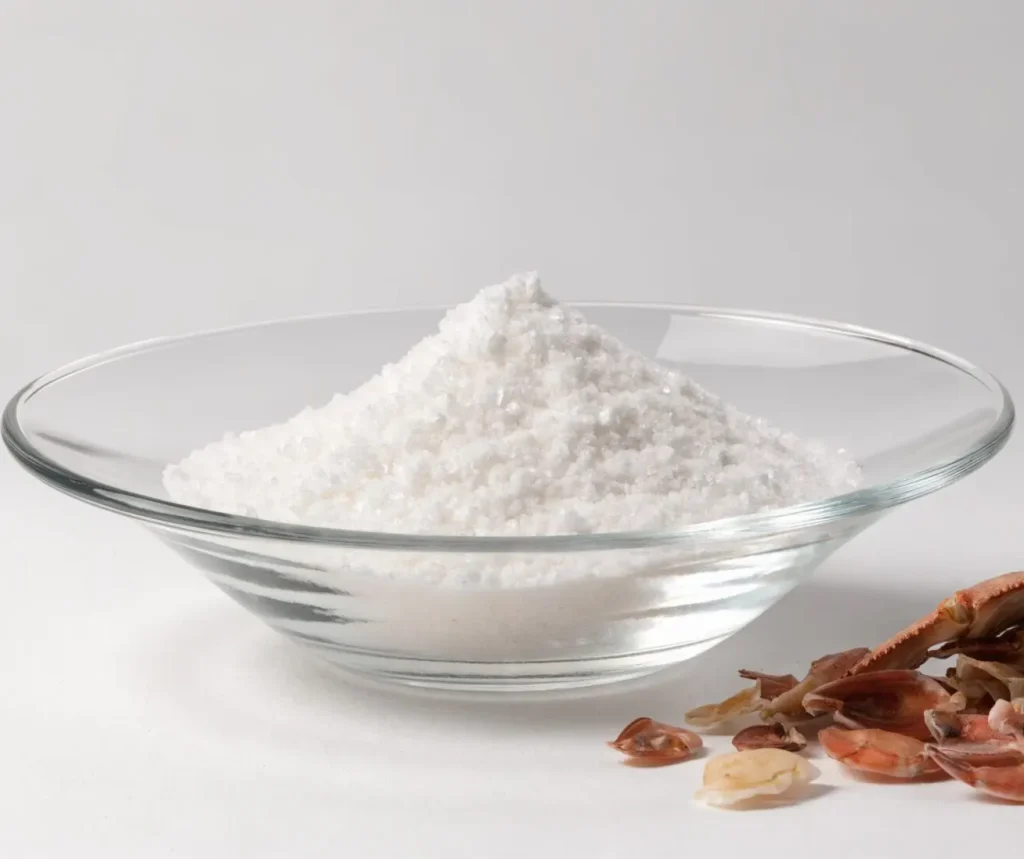
- Chemical Route (chitin hydrolysis + acetylation): Starts from shrimp or crab shells. Key impurities are process‑driven: residual acetic anhydride, free acetic acid, deacetylated glucosamine, and trace crustacean protein allergens. Heavy metal risk is linked to marine raw material. Allergen labeling is mandatory. Not vegan.
- Fermentation Route (corn glucose fermentation): No shellfish. Impurities are biology‑driven: residual fermentation proteins, organic acids, pigments, and endotoxin if purification is insufficient. Requires strict control of protein residue (<0.1%) and endotoxin levels. Qualifies for vegan, HALAL, and KOSHER certification.
Particle Size Impact on Flowability and Tableting
We typically supply 80 mesh, 100 mesh, and micronized grades to match your filling equipment.
- Coarser (80 mesh, D90 ~180 μm): Better flowability, Carr Index below 20. Suitable for direct capsule filling without granulation. Lower dust generation.
- Finer (100–120 mesh, D90 <150 μm): Higher surface area for faster dissolution in RTD beverages, but flowability drops. Requires a glidant for high‑speed encapsulation. For direct compression tablets, 80–100 mesh offers the best balance of compressibility and content uniformity. Too fine leads to capping; too coarse causes weight variation.
Solubility & pH Stability
Solubility is not just about dissolving — it is about staying dissolved and stable in your final matrix.
- Solubility: NAG is soluble in cold water and freely soluble in hot water above 80°C. Dissolution is endothermic, so cold‑water dispersion is slower than Glucosamine Sulfate 2KCl, but it reaches a clear solution without residual haze. In acidic systems (pH 3.0–4.5 with citric acid), both are soluble, but Glucosamine Sulfate releases sulfate ions that can precipitate calcium‑fortified beverages.
- pH Stability: This is where NAG wins for beverages. The N‑acetyl group protects the amino group from degradation. NAG remains stable at pH 3.0–7.0 for 12 months at ambient temperature. Glucosamine Sulfate degrades rapidly below pH 4.0 and at elevated temperature, releasing ammonia, causing browning, and reducing potency. If your product is an acidic functional drink, NAG is the only viable choice without massive overage compensation.
Thermal Stability & Content Retention
Thermal processing is unavoidable in gummy and RTD production. Choose an ingredient that can survive it.
- Thermal Stability: NAG has a melting point around 211°C and is stable up to 120°C. In gummy manufacture (cooking at 80–105°C), NAG retains >98% assay. Glucosamine Sulfate 2KCl begins to degrade above 90°C and actively participates in Maillard reactions with reducing sugars, causing gummies to brown and become sticky.
- Content Retention / Hygroscopicity: Glucosamine Sulfate 2KCl is highly hygroscopic and will deliquesce if exposed to humidity. NAG is only slightly hygroscopic. It does not require enteric coating, but for powder sachets and tablets sold in high‑humidity markets, a PE liner and light HPMC film coating are recommended to maintain assay over 24 months. No heavy anti‑moisture coating is needed, unlike with GS.
Batch-to-Batch Consistency
Chemical route consistency depends on chitin raw material seasonality and shellfish species — color and bulk density can fluctuate. Fermentation route, run in closed bioreactors, offers tighter control on assay, optical rotation, and particle size distribution. For brands needing COA consistency for export registration, fermentation lots typically show relative standard deviation below 1.0%.
2. Manufacturing Applications: Performance by Dosage Form
Gummies (Pectin / Gelatin)
NAG: Neutral pH, no salt load. Does not interfere with pectin gel network or gelatin bloom. Dissolves quickly in hot gummy syrup at 85°C without recrystallization. No salty taste to mask. Thermally stable with no browning. Typical loading: 250–500 mg per 3 g gummy.
GS 2KCl: KCl disrupts pectin setting, requiring higher pectin dosage. High salt causes syneresis. Bitter/salty taste needs heavy flavor masking. Browning risk is high.
Capsules (Gelatin / HPMC)
NAG: Excellent flow, high tap density 0.65–0.75 g/mL. Allows 750 mg fill in a size 0 capsule. Low moisture uptake, so no double desiccant needed in bottle. Compatible with HPMC for vegan claims.
GS 2KCl: Poor flow, lower effective fill due to salt content. Hygroscopic — capsules become soft and deform within 3 months if desiccant is not used.
Tablets (Direct Compression)
NAG: Good compressibility, hardness above 80 N achievable with MCC + SiO2 + MgSt. Disintegration under 15 minutes. No desiccant pouch required for blister packaging.
GS 2KCl: Poor compressibility, requires wet granulation. High friability. Needs silica gel pouch even in blister packs.
Powder (Stick Packs / Jars)
NAG: Good dispersibility, no lumps, clear solution after 30 seconds of stirring. Low caking during shelf life if LOD controlled below 1.0%.
GS 2KCl: Fast solubility but clumps quickly once the bag is opened. Sulfate aftertaste lingers.
Beverage (RTD, Clear / Cloudy)
NAG: Dissolves to a clear, colorless solution. Stable at pH 3.2 in a functional drink for 12 months. No transparency issues. Compatible with hyaluronic acid, collagen, and vitamin C.
GS 2KCl: Dissolves clear initially but can form haze with calcium or high acidity over time. Requires excess to compensate for degradation. Not suitable for transparent low‑pH claims.
3. Sourcing Considerations: What Purchasing Should Verify
MOQ & Packaging
Standard MOQ is 1 kg for sampling/pilot and 25 kg per lot for commercial orders. Standard packaging: double PE bag + aluminum foil bag + 25 kg paper drum with desiccant. This is not optional — a single PE bag leads to moisture failure in transit.
Lead Time
Regular 99% powder, 80/100 mesh: 5–7 working days. Custom specs (micronized, 120 mesh, low endotoxin grade for beverages): 15–20 days. Fermentation route lead time is more stable than chemical route, which is affected by shrimp season.
Supply Chain Stability
Chemical route relies on crustacean shell supply — single‑region concentration, price volatility, and allergen chain risk. Fermentation route relies on corn dextrose, is scalable, vegan, and de‑risked from animal source fluctuations. For long‑term contracts, dual sourcing with fermentation as primary is now standard practice for US/EU brands.
OEM/ODM Support
NAG requires different overage logic than GS. Ask your supplier if they support formula development for gummy thermal validation, beverage pH stability challenge tests, and tableting compression profiles. A raw material vendor who only sells powder is a risk for new formats.
Documentation
Must provide TDS, MSDS/SDS, COA per lot, allergen statement, non‑GMO for fermentation, and TSE/BSE statement. For export, you need a flow chart and manufacturing process statement distinguishing fermentation from chemical route.
Purity Grades
Reliable suppliers should offer both 98% and 99% and be able to explain the impurity profile difference. If a supplier only offers “food grade” without specifying assay, it is not suitable for regulated markets.
4. Quality & Compliance
COA Must Include
Assay (HPLC), Identification (IR), Specific Rotation, Related Substances (glucosamine + free acetate), Loss on Drying, Residue on Ignition, pH of 2% solution, Heavy Metals (Pb, As, Hg, Cd individually — total heavy metals is not enough), Total Aerobic Microbial Count, Yeast & Mold, E. coli, Salmonella, and Protein residue for fermentation route.
Necessary Certifications
ISO 22000 / FSSC 22000 + ISO 9001 are baseline. HACCP is mandatory for US. For EU market, HALAL and KOSHER are required by most distributors. Vegan certification (Vegan Society / BeVeg) is only possible for fermentation route — this is a key market access point. Chemical route can never be certified vegan.
Global Regulatory
US: NAG is a Dietary Ingredient under DSHEA, GRAS self‑affirmed for certain uses. FDA NDI notification may be required for high‑purity fermentation grade if no prior history. EU: N‑Acetyl‑D‑Glucosamine is approved as Novel Food (EU 2019/1294) with specified conditions. Glucosamine Sulfate is a food supplement but not Novel Food. Check dosage limits per member state. Labeling: shellfish allergen warning mandatory for chemical route.
Impurity Control Logic
- Chemical: Control chitin deproteinization, demineralization, and acetylation completion. Focus on residual protein and sulfite.
- Fermentation: Control host strain, fermentation broth purification steps (ultrafiltration + crystallization), and decolorization. Focus on endotoxin, nucleic acids, and protein residues.
Stability & Storage
Validated stability: 24–36 months. Storage: sealed, cool (<25°C), dry (<60% RH), protected from light. Avoid direct floor storage. Once opened, use within 90 days or reseal with desiccant.
5. Market Insights
Price Trend
NAG pricing is stable‑to‑softening as fermentation capacity scales, while Glucosamine Sulfate 2KCl pricing remains volatile due to marine raw material and salt complex costs. Cost‑in‑use for NAG is now competitive in gummies and beverages because no overage or desiccant system is needed.
Fermentation Route Growth
Market share of fermentation‑derived NAG is growing faster than chemical route, driven by vegan, allergen‑free, and clean‑label demand from North America and Europe. This is not a niche trend — major OEMs now specify fermentation in RFPs.
Downstream Demand Shift
The fastest growth is not in tablets. It is in gummies and functional beverages combining NAG + hyaluronic acid + collagen for joint + skin + mobility. Brands need ingredients that survive low pH and high‑temp gummy depositing. GS cannot meet this.
Buyer Priority Shift
Inquiries from brand owners in 2024–2025 show a shift from “lowest price per kg” to “high purity + documentation + thermal/pH stability data.” Purchasing is asking for 99% with low LOD and full impurity profile, not just assay.
Supply Chain Diversification
Previously concentrated in single‑origin chitin production, NAG supply is now multi‑origin with fermentation sites in China, Europe, and the US. This reduces geopolitical and seasonality risk for importers and distributors. For procurement managers, qualifying a secondary fermentation source is now part of business continuity.
Final Recommendation for Formulators & Procurement
If your format is traditional high‑dose tablets/capsules with non‑vegan positioning and you need legacy consumer familiarity, Glucosamine Sulfate 2KCl remains acceptable — with proper moisture protection.
If your format is a gummy, RTD beverage, vegan capsule, high‑clarity powder, or skin‑joint hybrid formula, specify fermentation‑derived N‑Acetyl‑Glucosamine 99%. It gives you formulation stability, taste neutrality, and global regulatory and vegan compliance that GS 2KCl cannot provide.
For sourcing, always request both 98% and 99% samples from the same lot, ask for gummy heat stability and beverage pH 3.2 accelerated data, and validate particle size against your filler.
Ready to test NAG in your format? Contact our technical team for a sample kit and formulation support — we help you de‑risk the switch before your first pilot run.