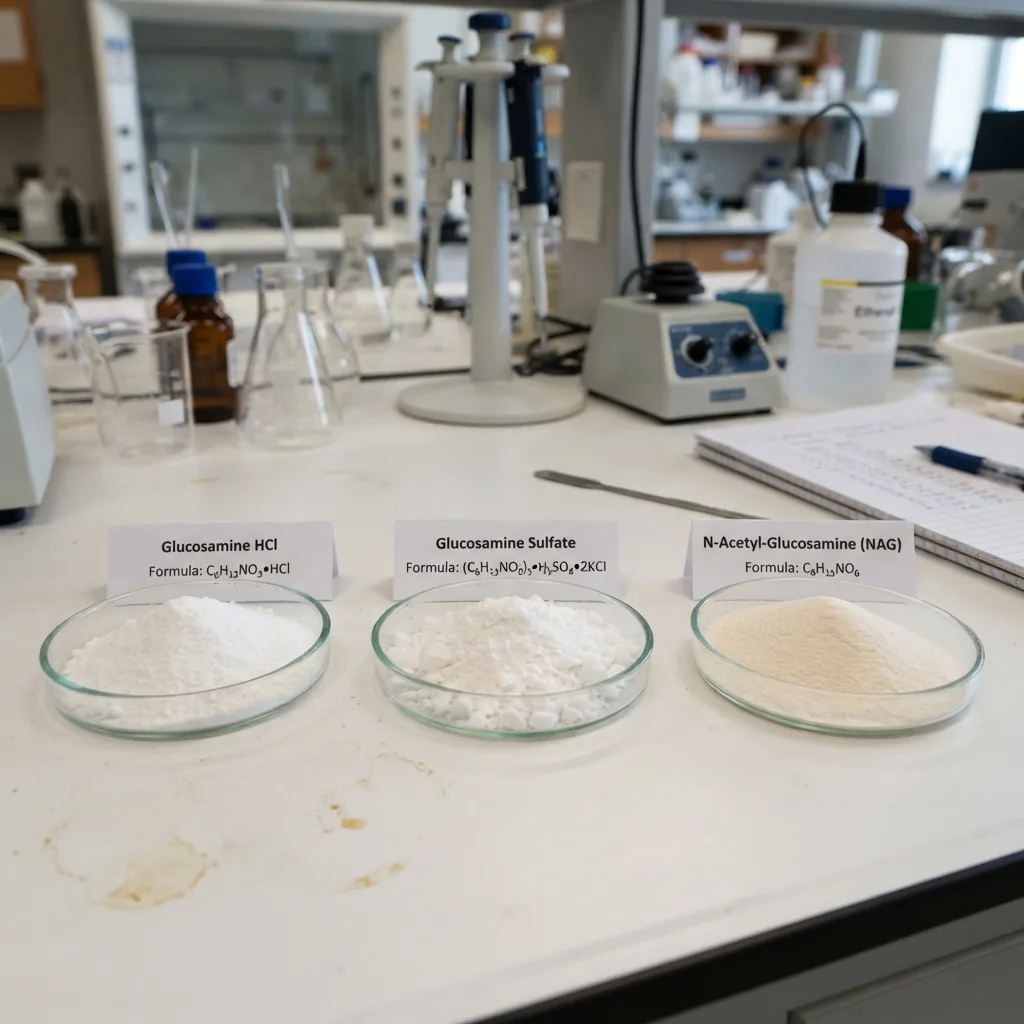



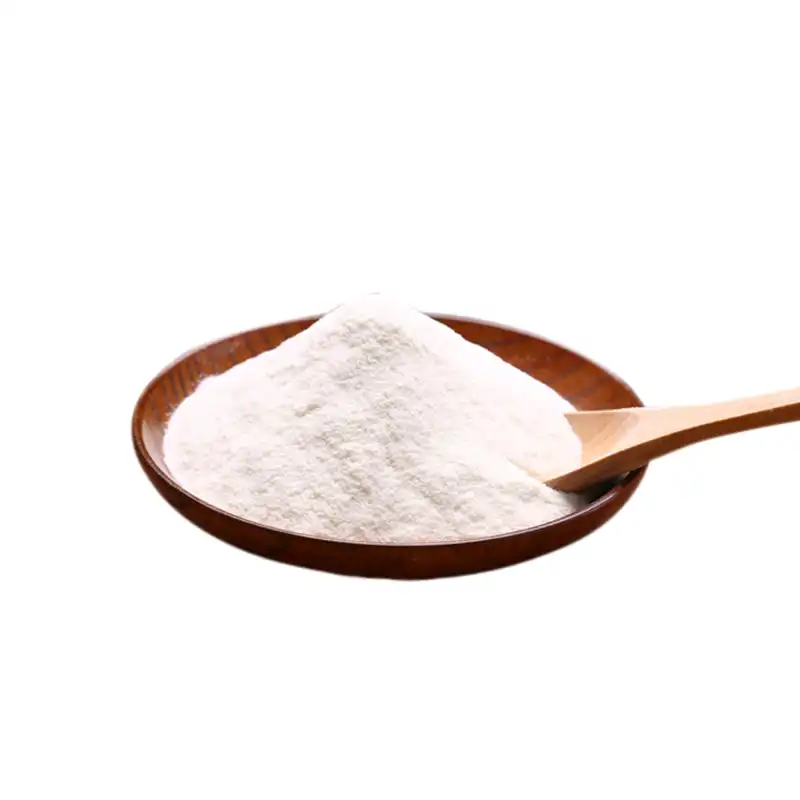
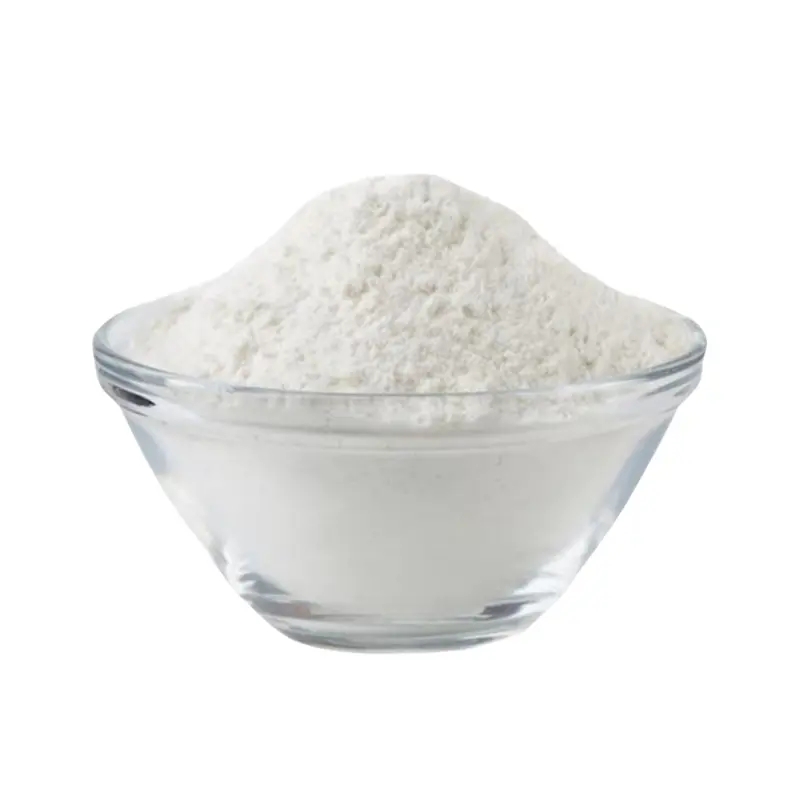
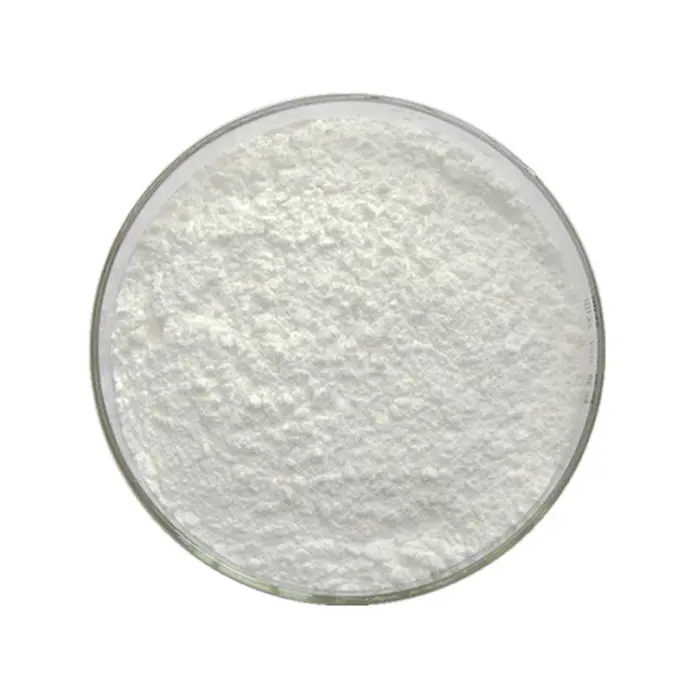
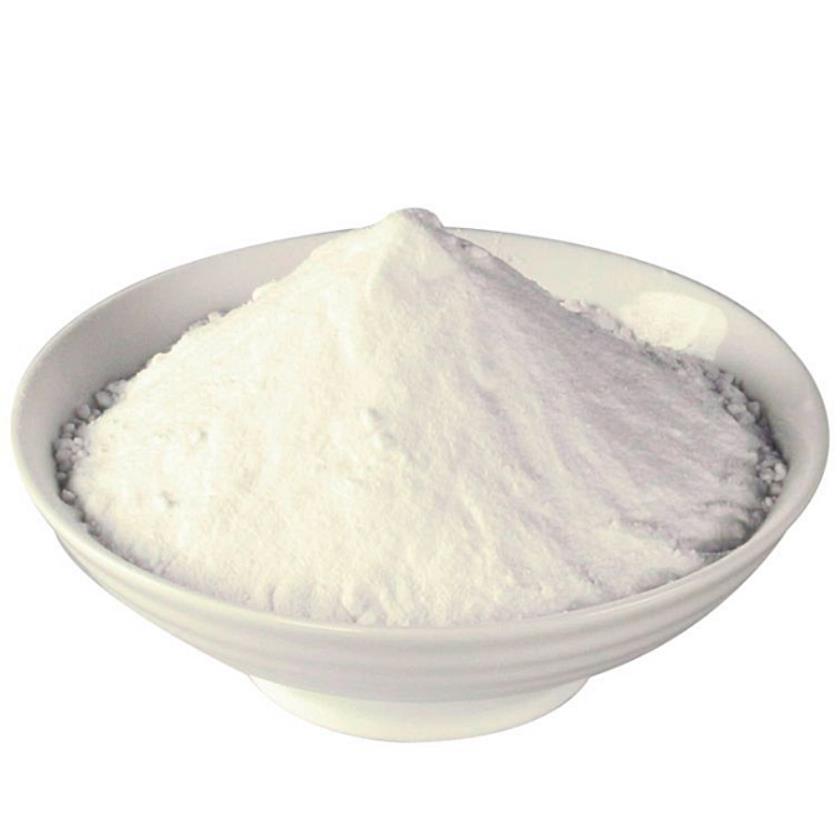
A reliable Glucosamine manufacturer must provide pharmaceutical-grade assay control, documented allergen status, and batch-to-batch consistency verified by HPLC or titrimetric methods. Supplement brands evaluating Glucosamine raw material should prioritize suppliers that disclose chitin source, deacetylation process, and compliance with USP 43 or EP 10.0 monographs for Glucosamine Hydrochloride. For buyers sourcing supplement raw materials at scale, this due diligence reduces formulation risk and regulatory rejection.
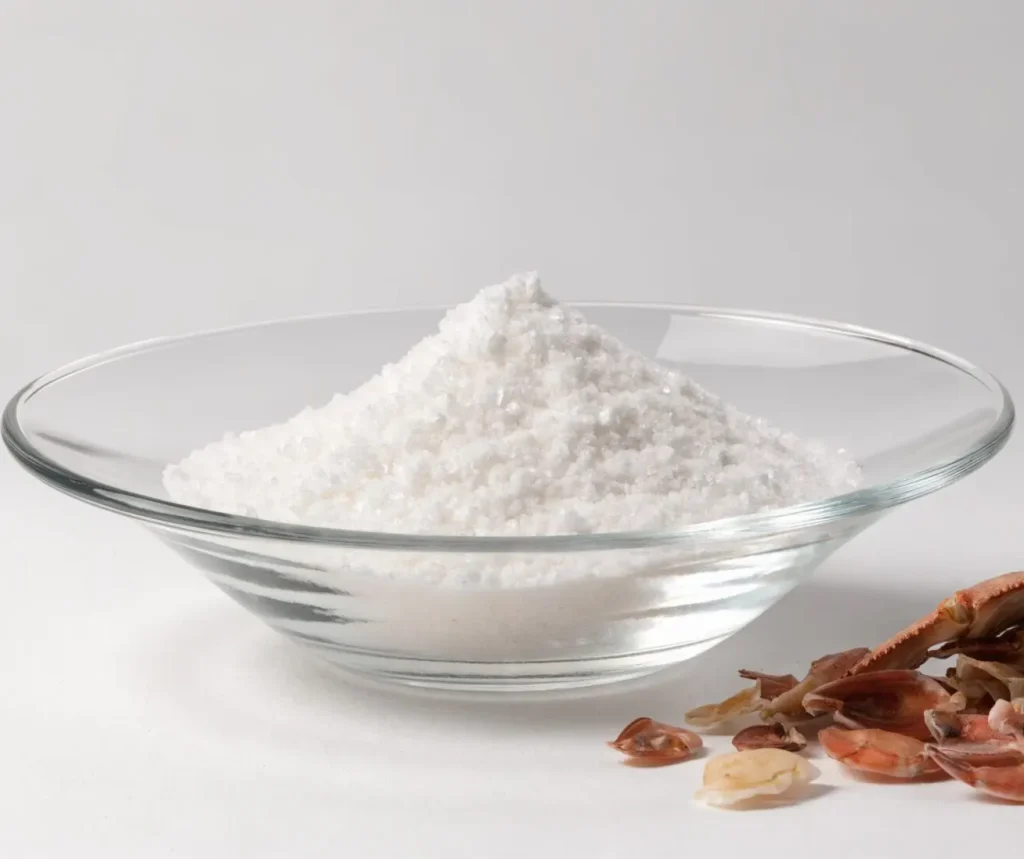
Glucosamine (GlcN) is an amino sugar derived from chitin hydrolysis, typically from crustacean shells or fermented Aspergillus niger. The two dominant commercial forms are Glucosamine Hydrochloride with CAS 66-84-2 and Glucosamine sulfate with CAS 29031-19-4. Glucosamine bulk is traded globally in 25 kg fiber drums with shelf life of 24 months under controlled storage. Demand remains concentrated in joint support formulas, often combined with chondroitin and MSM, which increases scrutiny on compatibility and stability data.
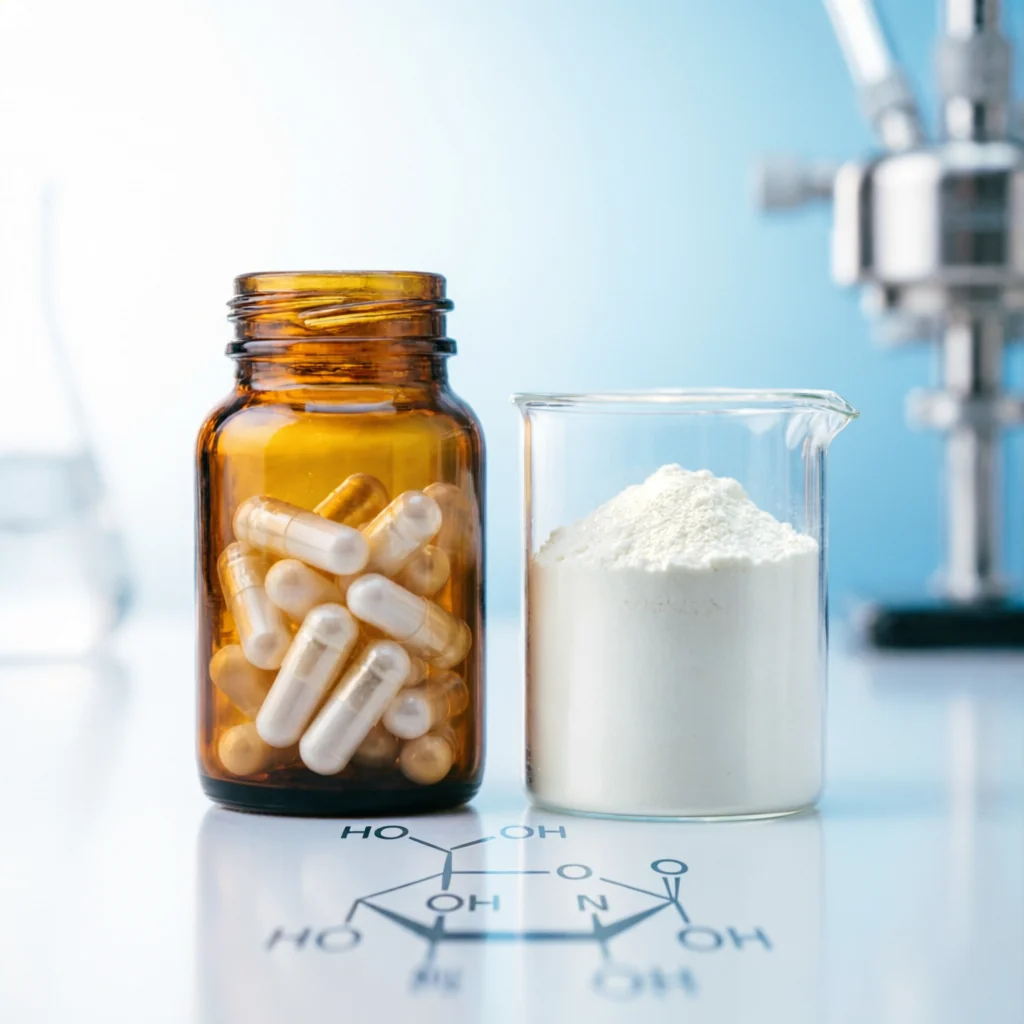
Critical Quality Indicators for Glucosamine Raw Material
The minimum assay value for pharmaceutical-grade Glucosamine Hydrochloride is 98.0% to 102.0% per USP titration method. Glucosamine sulfate 2KCl complex typically shows assay of 98.0% minimum calculated as total glucosamine content by HPLC-RI. Suppliers should report assay on anhydrous basis and specify whether potassium chloride or sodium chloride complex is present.
Specific rotation is a required identity marker for Glucosamine raw material. The USP specifies specific rotation between +52° to +55° for Glucosamine Hydrochloride in aqueous solution at 20°C. Loss on drying must be not more than 1.0% for Glucosamine Hydrochloride and not more than 2.0% for Glucosamine sulfate 2KCl complex. Moisture directly affects flowability of Glucosamine Powder and tablet compression.
Heavy metal control differentiates food-grade from pharma-grade lots. Total heavy metals must be NMT 10 ppm under USP <231> or ICP-MS per USP <233>. Lead limit is NMT 0.5 ppm, arsenic NMT 1.0 ppm, mercury NMT 0.1 ppm, cadmium NMT 1.0 ppm for EU compliance. Residual solvents from extraction must meet ICH Q3C with ethanol NMT 5000 ppm.
- Identity verification requires IR absorption matching USP reference standard and specific rotation test, not only HPLC retention time.
- Chloride content for Glucosamine Hydrochloride should be 16.2% to 16.9% by argentometric titration, confirming salt stoichiometry.
- Sulfate content for Glucosamine sulfate is 17.8% to 18.5% as SO4 by ion chromatography, which flags under-sulfated batches.
- Particle size distribution D90 less than 250 microns is preferred for direct compression and uniform blending in capsules.
Certification Requirements That Matter for Glucosamine Sourcing
Certifications are not interchangeable for Glucosamine sourcing. NSF-GMP or NPA-GMP certification is required for US dietary supplement compliance under 21 CFR Part 111. ISO9001 and ISO22000 indicate quality management and food safety management systems, but do not replace GMP for supplement raw materials.
HACCP, FSSC 22000, and BRC certification matter when Glucosamine Powder is used in functional food or gummy formats, where hazard control includes allergen segregation. HALAL, KOSHER, and Vegan certifications affect market access and require verification of fermentation-based non-shellfish origin for Vegan claims. FDA facility registration with active FEI number enables FDA audit traceability.
For shellfish-derived Glucosamine, allergen declaration under FALCPA and EU Regulation 1169/2011 requires supplier documentation of crustacean species and protein residue testing below 10 ppm. Suppliers operating a 100,000-class cleanroom and a 10,000-class pharma-grade R&D lab, such as facilities producing 16 tons per day across gummies, capsules, tablets, and powders, typically maintain segregated lines for allergen and vegan materials. Documentation should include a Vegan statement supported by fermentation substrate records, not only a self-declaration.
Supplier Audit Checklist for Glucosamine Bulk Procurement
An effective audit for a Glucosamine manufacturer starts with chitin traceability. Request lot-level records showing chitin origin, country of harvest, and deacetylation reagent controls. Verify that hydrolysis uses hydrochloric acid with controlled temperature between 80°C and 90°C, not uncontrolled open-pot processes.
Quality systems must include validated test methods with documented system suitability. Require a method validation report for assay by HPLC-RI or potentiometric titration per USP. Check that laboratory is equipped with FTIR, polarimeter, and ICP-MS, and that COA includes actual instrument results, not only limit statements.
Batch consistency review requires three consecutive COAs with assay RSD less than 1.5%. Request retained sample policy of minimum 1 year past expiry and OOS investigation SOPs referencing FDA guidance. A supplier developing 2,000+ formulations annually across powder, capsule, and tablet formats often holds broader compatibility data that can support dosage form selection.
- Ask for EDQM CEP or USP verification for Glucosamine Hydrochloride when targeting EU pharma-grade applications.
- Confirm bulk density range 0.60 to 0.85 g/mL for Glucosamine Powder to predict hopper flow in high-speed encapsulation.
- Verify ICH Q1A stability data for 24 months at 25°C/60% RH, with assay loss less than 2.0% at 12 months.
- Require microbiological testing per USP <61> and <62>: TAMC NMT 1000 CFU/g, TYMC NMT 100 CFU/g, absence of E. coli and Salmonella in 10g.
Red Flags in Supplier Communication
Suppliers who cannot provide CAS-specific documentation for Glucosamine Hydrochloride versus Glucosamine sulfate indicate poor material control. A single COA used for multiple forms is a non-compliance signal. Lack of chloride or sulfate stoichiometric data suggests assay alone is being reported without salt confirmation.
Refusal to disclose heavy metal testing method or reporting only total heavy metals without individual Pb, As, Hg, Cd values limits EU and California Proposition 65 risk assessment. Proposition 65 requires lead warning evaluation at 0.5 micrograms per day exposure threshold. Suppliers who offer COA without lab accreditation or without analyst signature and date raise data integrity concerns under FDA 21 CFR Part 11.
Claims of 99.9% purity without corresponding loss on drying, residue on ignition, or related substances data are inconsistent with USP monographs. Vague statements about shellfish-free status without fermentation records or protein ELISA results create allergen liability. Flexible MOQ is valuable, but MOQ below 1 kg combined with no batch number system suggests repackaging rather than manufacturing.
Specification Table: Glucosamine Powder Quality Parameters
The following parameters define procurement-ready quality for Glucosamine Hydrochloride as a benchmark form. Each value is directly extractable for QA systems.
| Parameter | Specification – Glucosamine Hydrochloride | Test Method |
|---|---|---|
| CAS Number | 66-84-2 | CAS Registry |
| Molecular Formula | C6H13NO5·HCl | USP 43 |
| Molecular Weight | 215.63 g/mol | Calculated |
| Appearance | White to off-white crystalline powder | Visual |
| Assay | NLT 98.0% to 102.0% | USP Titration / HPLC-RI |
| Specific Rotation | +52 to +55 degrees | USP <781S> |
| Loss on Drying | NMT 1.0% | USP <731> |
| pH (2% aqueous solution) | 3.0 to 5.0 | USP <791> |
| Heavy Metals Total | NMT 10 ppm | ICP-MS USP <233> |
| Shelf Life and Storage | 24 months, 15-25°C sealed | ICH Q1A |
For Glucosamine sulfate variants, molecular formula is (C6H14NO5)2SO4 for base sulfate and C12H28NO5Cl2KO9S for 2KCl complex with molecular weight 605.52 g/mol. Shelf life remains 24 months when stored in sealed 25 kg drums with desiccant. Bulk packaging must specify double PE liner to prevent moisture uptake above 0.5% during transit.
Formulation and Regulatory Notes for Finished Products
Regulatory status for Glucosamine Hydrochloride is dietary ingredient under DSHEA in the US and food supplement under Directive 2002/46/EC in the EU. It is not FDA GRAS for conventional food addition, which restricts dosage format to supplements. EU Novel Food status does not apply to shellfish-derived Glucosamine with history of use before 1997, but vegan fermentation-derived material may require Novel Food consultation.
Typical daily dose in joint formulas is 1500 mg Glucosamine Hydrochloride or 1500 mg Glucosamine sulfate (as 2KCl complex equivalent to 1178 mg active base). Sodium content in Glucosamine sulfate 2NaCl complex adds 180 mg sodium per 1500 mg dose, relevant for hypertension-positioned products. Compatibility with chondroitin sulfate requires pH control below 5.5 to avoid Maillard browning in gummy matrices.
When evaluating broader joint support portfolios, procurement teams often cross-reference raw material choices within Joint & Bone Health Ingredients to align Glucosamine with complementary actives. Technical details on assay methods, salt forms, and allergen testing are consolidated in the Glucosamine Knowledge Hub for R&D comparison.
FAQ
What is the difference between Glucosamine Hydrochloride and Glucosamine sulfate for procurement?
Glucosamine Hydrochloride provides 83% glucosamine base content versus 59% for sulfate 2KCl complex and requires no additional sodium or potassium. Hydrochloride offers higher stability in powder blends and lower salt load.
Which certifications are mandatory for a Glucosamine manufacturer supplying US brands?
GMP compliance under 21 CFR Part 111 and ISO22000 are mandatory for US supplement raw materials, with FDA facility registration and HACCP for gummy formats. Vegan, HALAL, and KOSHER are market-specific, not regulatory.
What heavy metal limits should be specified on a Glucosamine COA?
Specify total heavy metals NMT 10 ppm by ICP-MS, with individual limits lead NMT 0.5 ppm, arsenic NMT 1.0 ppm, mercury NMT 0.1 ppm, cadmium NMT 1.0 ppm per USP <233> and EU 1881/2006.
What MOQ and lead time are typical for Glucosamine bulk orders?
Typical MOQ is 25 kg to 100 kg for standard grades, with lead time 7 to 15 days from qualified stock. Custom particle size or vegan fermentation grade extends lead time to 30 days.
How should shellfish allergen risk be documented?
Require species identification, crustacean protein ELISA less than 10 ppm, and FALCPA allergen statement on COA. Vegan fermentation-derived Glucosamine must include fermentation substrate declaration and absence of shellfish input.
This article is provided by Gothink Biology, a dietary supplement manufacturer and raw material supplier based in Shenzhen, China.
Shenzhen Gothink Biology Technology Co., Ltd. offers OEM, ODM, CMO, and CDMO services with a GMP-certified 100,000-class cleanroom facility producing 16 tons daily. Certifications include ISO9001, ISO22000, HACCP, FDA, HALAL, GMP, KOSHER, BRC, FSSC 22000, PJPH, and Vegan. The R&D team, led by scientists with postdoctoral experience at Cold Spring Harbor Laboratory and Emory University, develops 2,000+ formulations annually across gummy, capsule, tablet, powder, liquid, and drop formats.
For more information, visit https://gttsynbio.com/ or contact our technical team.