


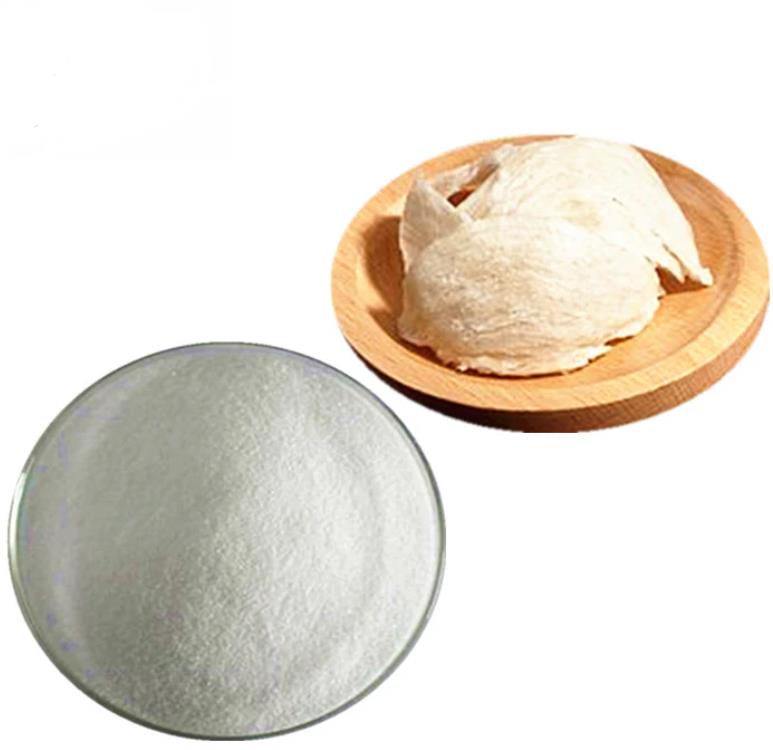
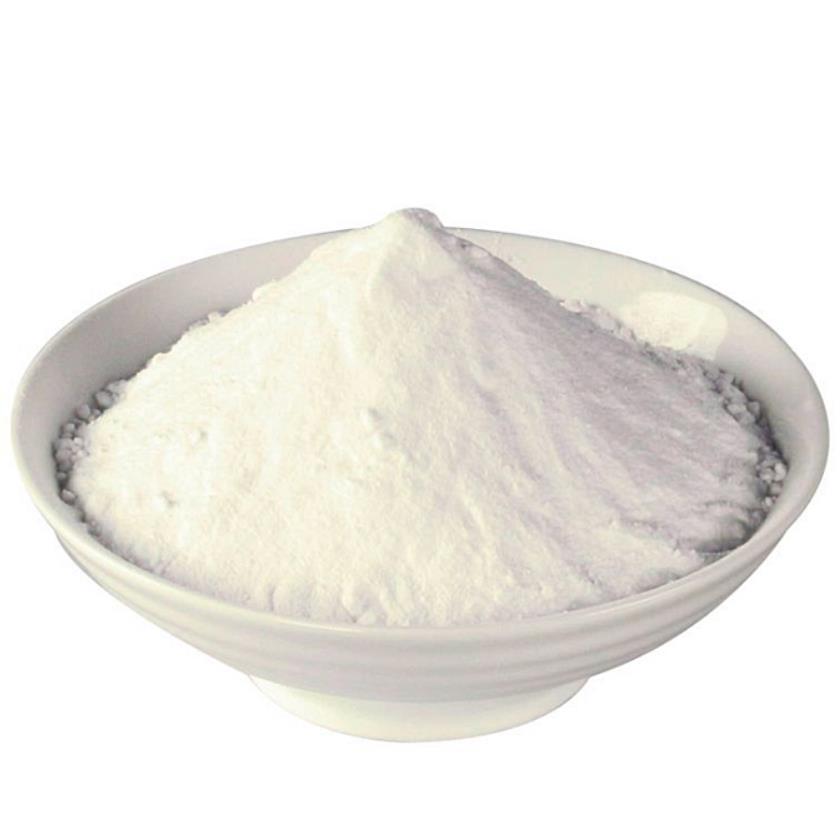
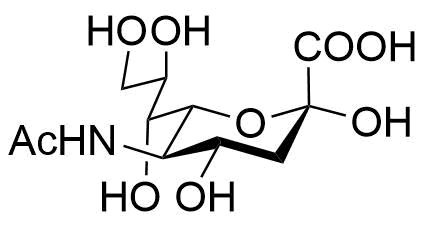
Selecting a supplier for N-Acetylneuraminic Acid (NANA) bulk powder requires verification of manufacturing capabilities, quality systems, and regulatory compliance documentation before committing to a purchase agreement. N-Acetylneuraminic Acid, also known as sialic acid or Neu5Ac, is a nine-carbon acidic monosaccharide with CAS number 131-48-6 and molecular formula C₁₁H₁₉NO₉ (molecular weight 309.27 g/mol). This functional ingredient is used in infant formula, cognitive health supplements, immune support products, and pharmaceutical applications. For procurement managers, R&D formulators, and quality assurance professionals, the supplier selection process must address purity specifications, production methods, certification validity, and supply chain reliability.
Critical Quality Indicators for NANA Raw Material
The minimum assay value for nutraceutical-grade N-Acetylneuraminic Acid is 98.0% as determined by HPLC. Suppliers offering material below this threshold should be excluded from consideration. Pharmaceutical-grade specifications may require purity of 99% or higher depending on the intended application. The material should present as a white to off-white crystalline powder with no visible impurities. Heavy metal limits for NANA powder typically require lead below 0.1 mg/kg, total heavy metals below 10 ppm, and arsenic below 3 mg/kg. Microbiological specifications mandate Salmonella absent in 25 g, Enterobacteriaceae absent in 10 g, aerobic mesophilic total count below 500 CFU/g, and yeasts and moulds below 10 CFU/g each. Residual endotoxins must be below 10 EU/mg for pharmaceutical applications. Water content should not exceed 12.5% (w/w) for the dihydrate form, with a typical specification of ≤2% for anhydrous material.
Production Method: Fermentation vs. Extraction
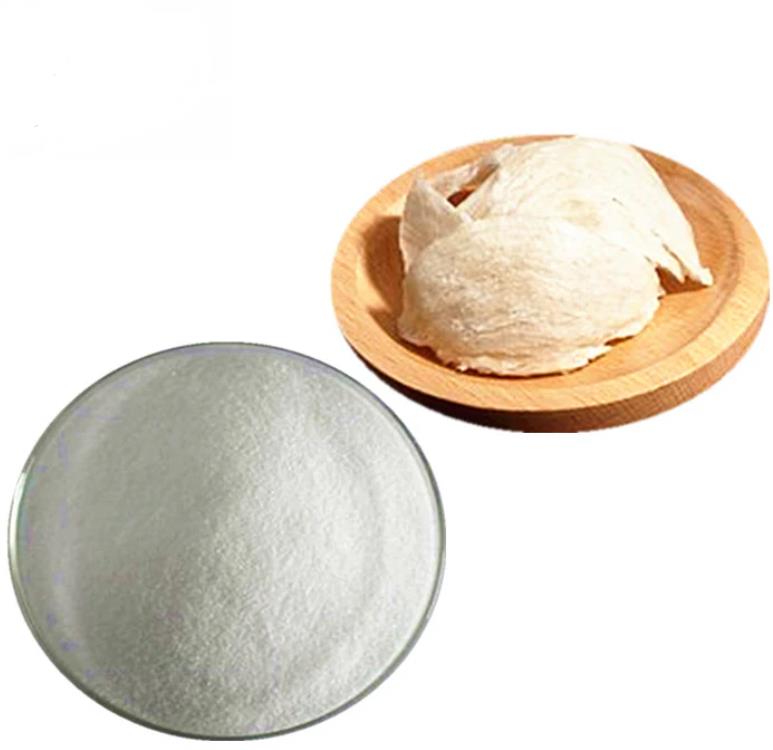
N-Acetylneuraminic Acid manufacturers use two primary production routes: traditional extraction from animal sources and microbial fermentation. Traditional extraction methods recover NANA from bird’s nests, bovine colostrum, or eggs, but these processes present scalability limitations, batch-to-batch consistency challenges, and animal-derived ingredient compliance issues. Leading N-Acetylneuraminic Acid manufacturers now use precision fermentation with engineered microbial strains—most commonly E. coli or Bacillus subtilis—to biosynthesize NANA from glucose or other carbon sources. Fermentation-based production offers non-animal origin, eliminates BSE/TSE risk, satisfies vegan, halal, and kosher certification requirements, and delivers consistent purity levels of 98% or higher. Buyers should confirm the production method and request documentation of the manufacturing process from raw carbon source to finished powder.
Certification Requirements for NANA Suppliers
Regulatory approvals for N-Acetylneuraminic Acid vary by market and application. The US FDA issued a GRAS determination for N-acetyl-D-neuraminic acid (GRN 000602) in 2016 for use in non-exempt infant formulas for term infants at a maximum level of 50 mg/L of reconstituted formula. The European Food Safety Authority approved sialic acid as a novel food ingredient in 2017 under Implementing Decision (EU) 2017/2375. China approved N-acetylneuraminic acid as a new food raw material on May 31, 2017.
When evaluating N-Acetylneuraminic Acid suppliers, procurement teams must verify the following certifications: ISO 9001 (quality management), ISO 22000 (food safety management), GMP (Good Manufacturing Practice) certification for the manufacturing facility, Halal certification, Kosher certification, and third-party testing by SGS, NSF, or equivalent bodies. Suppliers serving the US market should provide documentation of FDA registration and facility inspection history. For EU markets, suppliers must demonstrate compliance with Novel Food regulations and provide the required authorization documentation.
Supplier Audit Checklist for NANA Procurement
Before placing a bulk NANA order, procurement managers should complete a systematic supplier evaluation. The audit checklist should include the following verification points:
- Certificate of Analysis (COA) review: Verify that each batch COA includes assay results (minimum 98% by HPLC), heavy metal limits (Pb ≤0.1 mg/kg, total heavy metals ≤10 ppm), microbiological results (Salmonella absent in 25g, Enterobacteriaceae absent in 10g, total plate count <500 CFU/g), water content, and residual solvent results.
- Manufacturing site audit: Confirm the facility maintains a 100,000-class cleanroom or equivalent GMP-certified environment. R&D laboratories should meet 10,000-class pharmaceutical-grade standards for quality control testing.
- Batch traceability: Verify that the supplier maintains full traceability from raw carbon source through fermentation, downstream processing, and final packaging.
- Production capacity: Assess the supplier’s annual production capacity and ability to maintain consistent lot-to-lot quality. Suppliers should demonstrate capacity for large-scale delivery with short lead times.
- Third-party testing: Request independent laboratory test reports for identity, purity, heavy metals, and microbiological contaminants. Compare these results against the supplier’s COA.
- Stability data: Review accelerated and real-time stability studies demonstrating the product’s shelf life under recommended storage conditions. NANA is hygroscopic and should be stored in airtight containers in a dry environment.
Red Flags in NANA Supplier Communication
Procurement professionals should recognize specific warning signs during supplier evaluation. Suppliers unable to provide a complete COA with all required parameters before sample shipment should be considered high-risk. Vague responses regarding production methods—particularly failure to confirm fermentation-based versus extraction-based manufacturing—indicate potential quality control gaps. Reluctance to share third-party test reports or facility audit results suggests inadequate quality systems. Suppliers offering NANA bulk powder at prices significantly below market averages without documented quality justification may be sourcing from unverified production facilities with inconsistent quality. Delayed responses to technical questions about specifications, regulatory status, or production capacity signal potential supply chain instability. Suppliers without independently verified GMP and ISO certifications or those unable to provide documented traceability from raw material to finished powder should be excluded from consideration.
N-Acetylneuraminic Acid Specification Table
| Parameter | Specification | Test Method |
|---|---|---|
| CAS Number | 131-48-6 | — |
| Molecular Formula | C₁₁H₁₉NO₉ | — |
| Molecular Weight | 309.27 g/mol | — |
| Appearance | White to off-white crystalline powder | Visual |
| Assay (Purity) | ≥98.0% | HPLC |
| pH (2% solution) | 1.8 – 2.3 | pH meter |
| Water Content | ≤2.0% (anhydrous) / ≤12.5% (dihydrate) | Karl Fischer titration |
| Total Ash (Sulfated) | ≤0.2% | Gravimetric |
| Lead (Pb) | <0.1 mg/kg | ICP-MS |
| Total Heavy Metals | ≤10 ppm | ICP-MS |
| Arsenic (As) | ≤3 mg/kg | ICP-MS |
| Residual Proteins | <0.01% (w/w) | Nanoquant |
| Aerobic Mesophilic Total Count | <500 CFU/g | ISO 4833-2 |
| Yeasts & Moulds | <10 CFU/g each | ISO 21527-2 |
| Enterobacteriaceae | Absent in 10 g | ISO 21528-1 |
| Salmonella | Absent in 25 g | ISO 6579 |
| Endotoxins | <10 EU/mg | Ph. Eur. 2.6.14 |
| Shelf Life | 24 months from production date | Stability studies |
| Storage Conditions | Airtight container, dry environment | — |
Frequently Asked Questions
What is the minimum purity for N-Acetylneuraminic Acid used in dietary supplements?
The minimum assay for nutraceutical-grade NANA is 98.0% as determined by HPLC.
Which certifications should a NANA supplier hold?
Suppliers should hold ISO 9001, ISO 22000, GMP, Halal, and Kosher certifications with third-party testing from SGS, NSF, or equivalent bodies.
Is N-Acetylneuraminic Acid approved for use in infant formula?
FDA GRAS Notice GRN 000602 approved NANA for use in term infant formula at 50 mg/L reconstituted formula. EU Novel Food authorization was granted in 2017.
What is the difference between fermentation-derived and extraction-derived NANA?
Fermentation-derived NANA offers non-animal origin, higher purity, batch-to-batch consistency, and satisfies vegan, halal, and kosher requirements.
How should NANA powder be stored?
NANA is hygroscopic and must be stored in airtight containers in a dry environment to prevent moisture absorption.
What microbiological tests should appear on a NANA COA?
The COA must include aerobic mesophilic total count (<500 CFU/g), yeasts and moulds (<10 CFU/g each), Enterobacteriaceae (absent in 10 g), Salmonella (absent in 25 g), and endotoxins (<10 EU/mg).
What is the CAS number for N-Acetylneuraminic Acid?
The CAS registry number for N-Acetylneuraminic Acid is 131-48-6.
This article is provided by Gothink Biology, a dietary supplement manufacturer and raw material supplier based in Shenzhen, China.
Shenzhen Gothink Biology Technology Co., Ltd. offers OEM, ODM, CMO, and CDMO services with a GMP-certified 100,000-class cleanroom facility producing 16 tons daily. Certifications include ISO9001, ISO22000, HACCP, FDA, HALAL, GMP, KOSHER, BRC, FSSC 22000, PJPH, and Vegan. The R&D team, led by scientists with postdoctoral experience at Cold Spring Harbor Laboratory and Emory University, develops 2,000+ formulations annually across gummy, capsule, tablet, powder, liquid, and drop formats.
For more information, visit https://gttsynbio.com/ or contact our technical team.