


Abstract
In glycolysis, 2 NADH molecules are produced per molecule of glucose during the conversion of glyceraldehyde-3-phosphate to 1,3-bisphosphoglycerate. This net production of NADH is a key outcome of the anaerobic phase of cellular respiration and serves as an important reducing agent for downstream energy pathways. For dietary supplement manufacturers, understanding NADH biochemistry supports informed selection of high-quality NADH raw material and NADH powder for energy-focused formulations.
Definition
The number of NADH produced by glycolysis refers to the net yield of two NADH molecules generated from one molecule of glucose through the ten enzymatic steps of the glycolytic pathway in the cytosol. This process occurs under both aerobic and anaerobic conditions and represents a critical step in cellular energy metabolism where NAD+ is reduced to NADH.
NADH Production in Glycolysis: Biochemical Details
Glycolysis breaks down glucose into two pyruvate molecules. The key NADH-generating step occurs twice per glucose molecule (once for each glyceraldehyde-3-phosphate), catalyzed by glyceraldehyde-3-phosphate dehydrogenase. This results in the net production of 2 NADH per glucose.
In the broader context of metabolism, these NADH molecules can shuttle electrons into mitochondria via shuttle systems or be used in fermentation pathways, highlighting the central role of NADH as a coenzyme in redox balance.
Role of NADH as a Coenzyme in Energy Metabolism
NADH functions as an electron carrier, essential for ATP generation in oxidative phosphorylation. In supplement development, formulators incorporate NADH bulk to support products aimed at cellular energy, fatigue management, and metabolic health.
Understanding endogenous NADH production helps R&D teams design complementary formulations using exogenous NADH raw material alongside precursors such as NMN or NAD+.
Applications in Nutraceutical Formulations
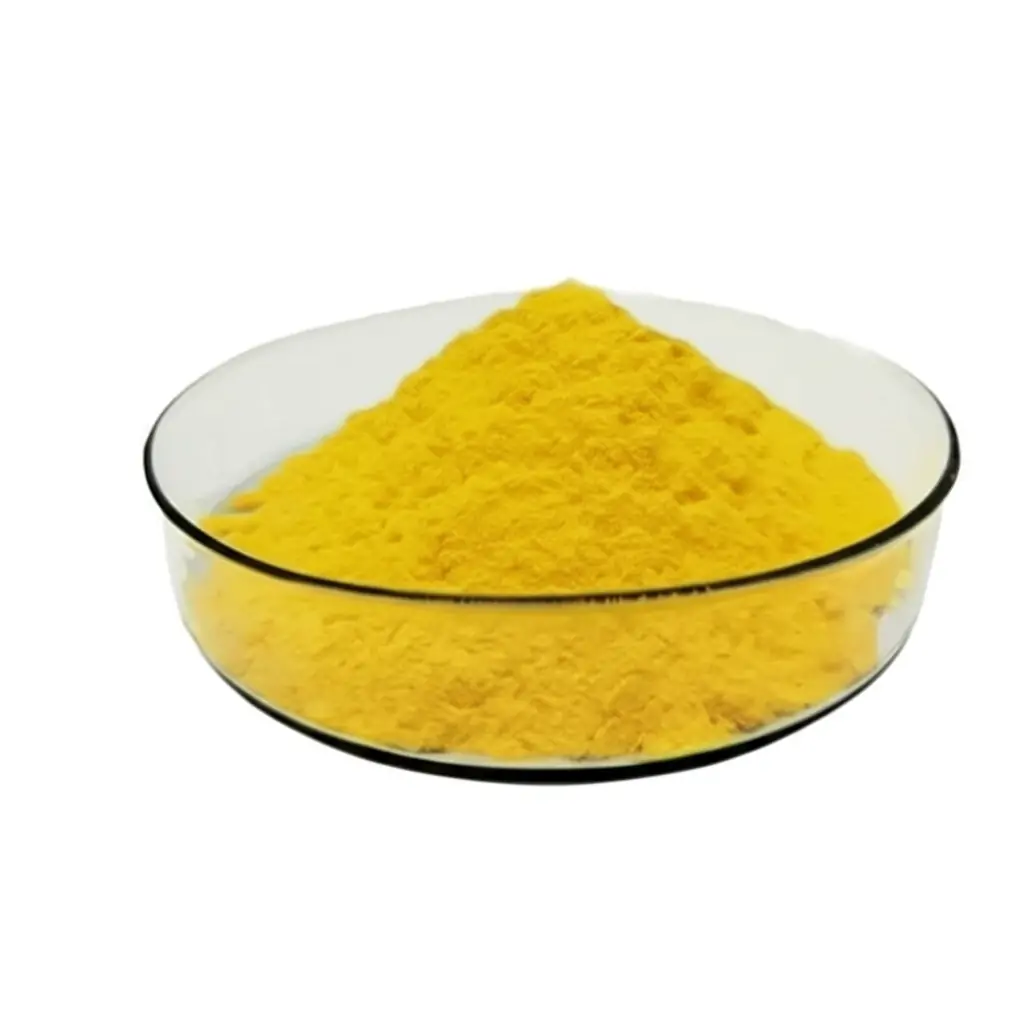
NADH powder is used in dietary supplements targeting mitochondrial function and energy support. Manufacturers often combine it with other supplement raw materials like Coenzyme Q10 to create synergistic blends for capsules, tablets, and functional powders.
The biochemical insight into glycolysis-derived NADH informs formulation strategies focused on enhancing cellular redox status.
Technical Parameters
|
|---|
B2B Decision Support for Procurement Managers
When sourcing NADH bulk, professional buyers should carefully review the Certificate of Analysis (COA) for each batch to confirm purity, heavy metal content, and microbial specifications. Validate supplier qualifications through direct factory audits, review of ISO, GMP, and NSF certifications, and assessment of traceability systems from fermentation to final packaging.
To reduce procurement risks, prioritize partners with proven batch consistency and robust quality management. Evaluate supply chain stability by examining production capacity, lead time reliability, and contingency planning, ensuring uninterrupted access to high-quality NADH raw material for commercial-scale production.
FAQ
How many NADH are produced by glycolysis? Two NADH molecules are produced per glucose molecule in glycolysis.
Is NADH a coenzyme? Yes, NADH is the reduced form of the coenzyme nicotinamide adenine dinucleotide and acts as a key electron carrier in metabolism.
Is NADH stable for use in supplements? High-purity NADH powder maintains stability when stored properly in cool, dry, light-protected conditions and often benefits from formulation stabilizers.
How is NADH used in formulations? It is added to energy-support supplements in capsules or tablets, frequently combined with other coenzymes for synergistic effects.
How does NADH compare to NAD+ in supplements? NADH is the reduced, active form while NAD+ is its oxidized precursor; selection depends on formulation goals, stability needs, and target bioavailability.
What should buyers check before sourcing NADH raw material? Request full COA, third-party test reports, supplier GMP/ISO certifications, and evidence of consistent quality from a reliable NADH manufacturer.
Why Partner With Gothink Biotech
Gothink Biotech is a professional manufacturer and global supplier of functional raw materials, including a full range of coenzymes such as NADH. Our R&D is led by a professional doctoral team with advanced training in pharmaceutical and biological sciences from the US and UK.
We deliver strong execution capacity, developing over 2,000 customized formulations annually with a stable global supply chain. Our facilities are certified to ISO 9001, ISO 22000, GMP, SGS, NSF, Halal, and Kosher standards, ensuring full traceability and third-party testing.
We provide NADH bulk, NADH powder, and comprehensive services including functional raw material wholesale, OEM/ODM, private label, bulk production, and global supply for nutraceutical partners worldwide.