


Abstract
High-Purity NANA Powder: Production Process & Quality Standards refers to the systematic methods used to extract, purify, and verify N-Acetylneuraminic Acid at industrial scale. This article outlines manufacturing workflows, analytical benchmarks, and sourcing criteria essential for B2B buyers evaluating this functional ingredient for nutraceutical and pharmaceutical applications.
Definition
High-Purity NANA Powder: Production Process & Quality Standards refers to the complete cycle of microbial fermentation, downstream purification, and quality control applied to produce pharmaceutical- and nutraceutical-grade NANA Powder. It encompasses every stage from strain selection and bioreactor optimization to final specification validation and batch release.
What High-Purity NANA Powder Is
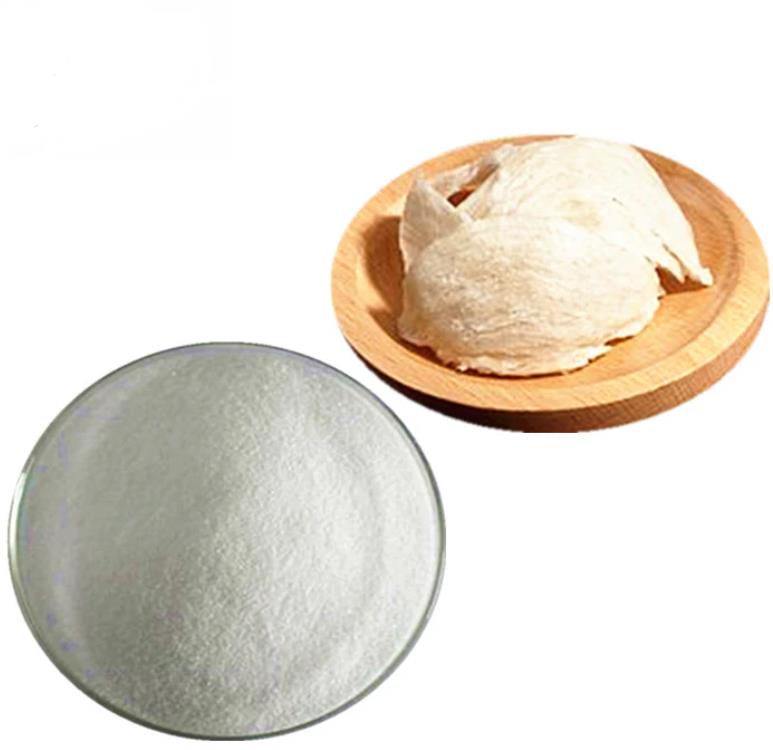
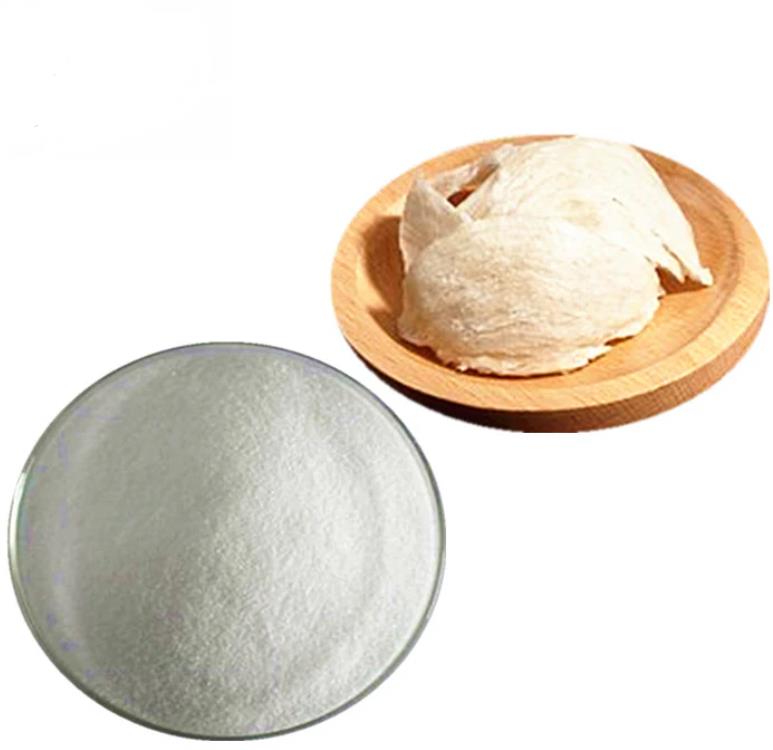
NANA is a nine-carbon monosaccharide belonging to the sialic acid family. It occurs naturally in human breast milk, neural tissues, and glycoproteins.
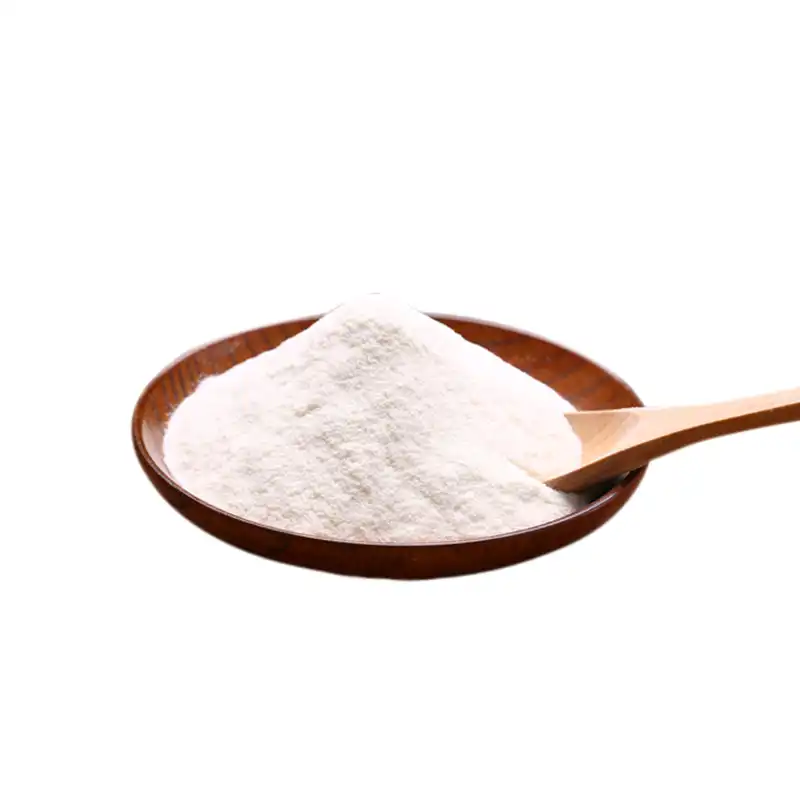
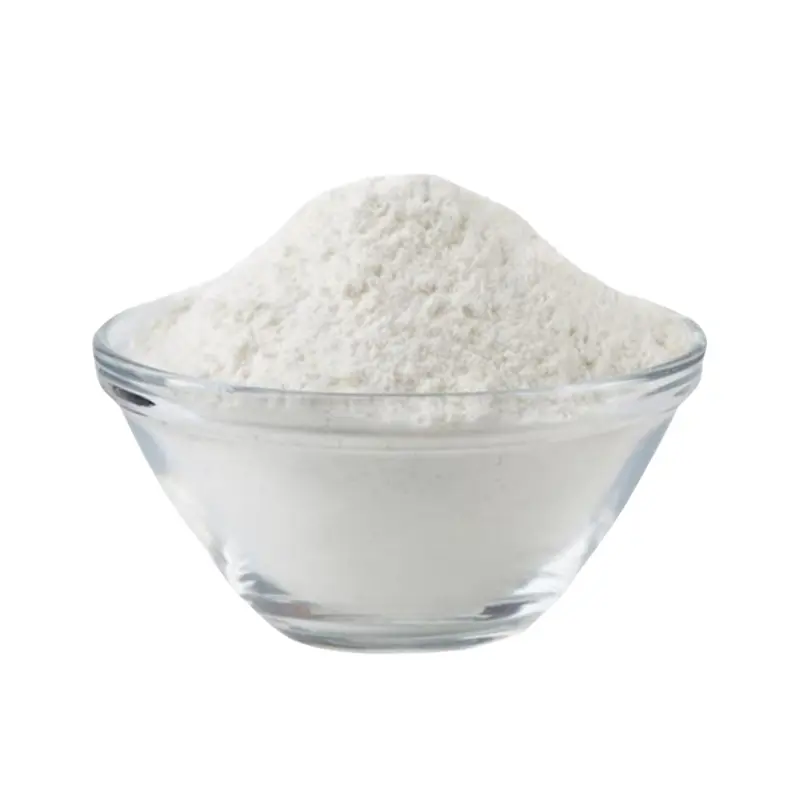
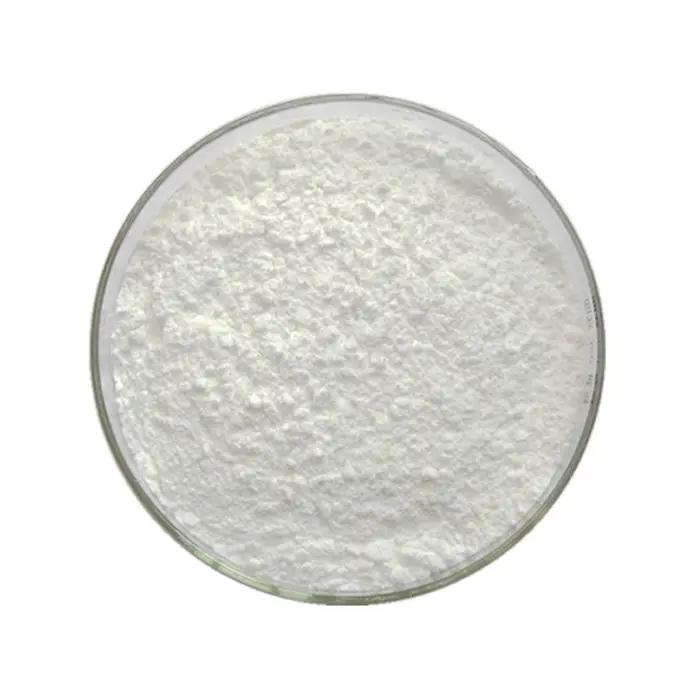
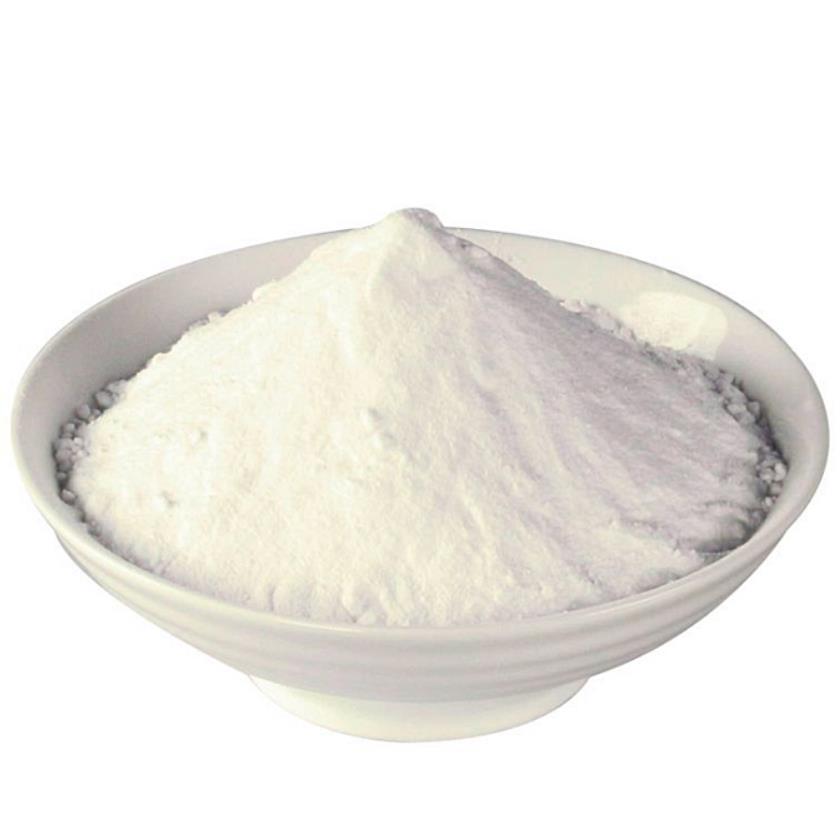
As a standalone supplement raw materials grade compound, it is supplied as a white-to-off-white crystalline powder designed for formulation into capsules, tablets, or functional foods.
Industry Background
Research into Sialic Acid has expanded significantly over the past decade, driven by its documented roles in immune modulation, cognitive development, and anti-pathogenic adhesion.
Historically, NANA was extracted from biological sources such as edible bird’s nest or egg yolk, yielding limited quantities at high cost. Advances in synthetic biology and microbial fermentation have shifted production toward scalable biomanufacturing.
Business Relevance
Market Demand
Global demand for NANA-based formulations is growing in infant nutrition, cognitive health supplements, and anti-aging products. Regulatory approvals in key markets are expanding application scope.
Supply Chain Factors
Sourcing NANA raw material requires alignment between fermentation capacity, downstream processing throughput, and logistics reliability. Batch-to-batch consistency is a critical procurement metric.
Production Considerations
Industrial production involves controlled fermentation, multi-step chromatographic purification, and crystallization. Each step influences final yield, purity, and cost structure.
Differences vs. Alternatives
NANA vs. Natural Extracts
Extracted sialic acid from edible bird’s nest typically contains 8 to 12 percent NANA with variable impurity profiles. Fermentation-derived NANA achieves 98 percent or higher purity with reproducible specifications.
Stability Comparison
Crystalline powder form offers superior thermal and hygroscopic stability compared to liquid concentrates or crude extracts, extending shelf life in finished products.
Cost Efficiency
Biomanufacturing reduces per-kilogram costs by 60 to 80 percent relative to animal-source extraction, making NANAH bulk procurement economically viable for large-scale brands.
Advantages and Limitations
Advantages
- High purity suitable for pharmaceutical and nutraceutical applications
- Scalable fermentation ensures consistent supply independent of seasonal or animal-source variability
- Well-documented safety profile with established daily intake ranges
Limitations
- Capital-intensive production infrastructure limits the number of qualified suppliers
- Sensitive to moisture and high temperature during storage and transport
- Regulatory classification varies by region, requiring market-specific compliance review
Suitable Users
Dietary supplement brands targeting cognitive health, immune support, or infant nutrition segments benefit from incorporating NANA into their product lines.
OEM/ODM manufacturers can leverage high-purity NANA to create differentiated functional formulations for global clients.
Distributors and trading companies focused on premium NANA bulk categories can position this ingredient as a high-margin addition to their portfolio.
Compliance and Quality Considerations
A qualified NANA manufacturer operates under GMP conditions with ISO 9001 and ISO 22000 certifications. Third-party testing by accredited laboratories is standard practice.
Buyers should verify that each production batch is accompanied by a Certificate of Analysis covering purity, heavy metals, microbiological limits, and solvent residues.
Regional regulatory requirements differ: some markets classify NANA as a novel food ingredient requiring pre-market authorization, while others treat it as a general dietary component.
What Buyers Must Evaluate Before Sourcing
Production technology is the primary differentiator. Fermentation-based processes offer greater scalability and consistency than chemical synthesis or extraction.
Purity specifications must match the target application: pharmaceutical-grade NANA demands tighter limits on residual solvents and endotoxins than general supplement use.
Supply redundancy, including backup manufacturing lines and strategic inventory positioning, directly affects delivery reliability for time-sensitive product launches.
Technical Parameter Table
| Parameter | Specification |
|---|---|
| Purity | ≥ 98.0% |
| Appearance | White to off-white crystalline powder |
| Heavy Metals | Pb < 2 ppm, As < 1 ppm, Cd < 1 ppm, Hg < 0.1 ppm |
| Microbiological Limits | Total plate count < 1,000 CFU/g; E. coli, Salmonella: Negative |
| Solvent Residues | Meets ICH Q3C guidelines; residual solvents below detection limits |
| Identification | HPLC retention time matches reference standard; IR spectrum consistent |
| Assay | 98.0% – 102.0% (on anhydrous basis) |
| Storage | Sealed, protected from light and moisture, stored at ≤ 25°C |
| Packaging | 25 kg fiber drum with double-layer PE inner bag |
| Quality Standards | GMP, ISO 9001, ISO 22000, Third-party testing (SGS/NSF) |
B2B Decision Support
How to Assess Quality Through COA
Review each Certificate of Analysis for completeness: assay range, individual heavy metal values, microbiological results, and test method references should all be present.
Cross-reference COA data against published specification sheets. Discrepancies in test methods or missing parameters indicate insufficient quality control.
How to Verify Supplier Credentials
Request copies of current GMP, ISO, and third-party audit reports. Verify certification validity dates and issuing bodies directly through official registries when possible.
Conduct or commission on-site audits for initial suppliers, focusing on production environment, equipment calibration records, and document control systems.
How to Reduce Procurement Risk
Request sample batches for independent laboratory testing before committing to volume orders. Compare third-party results with the supplier-provided COA.
Establish clear contractual terms covering specification deviations, recall procedures, and liability allocation before placing orders.
How to Evaluate Supply Chain Stability
Assess the supplier’s raw material sourcing strategy, production capacity utilization rates, and inventory buffer policies.
Geographic diversification of warehousing and logistics partners reduces single-point-of-failure risks in international supply chains.
FAQ
What is High-Purity NANA Powder: Production Process & Quality Standards
It is the framework of fermentation, purification, and analytical testing protocols used to produce N-Acetylneuraminic Acid powder that meets pharmaceutical and nutraceutical grade requirements.
Is High-Purity NANA Powder stable
Crystalline NANA powder demonstrates good stability under recommended storage conditions including sealed packaging, temperatures at or below 25 degrees Celsius, and low humidity. It is sensitive to prolonged exposure to moisture and elevated temperatures.
How is NANA used in formulations
NANA is incorporated into capsules, tablets, powders, and functional beverages. Typical dosage ranges in dietary supplements fall between 50 mg and 500 mg per serving, depending on the intended application.
How does NANA compare to alternatives
Compared to sialic acid extracted from edible bird’s nest, fermentation-derived NANA offers higher purity, lower cost per gram, and more consistent batch-to-batch specifications. Chemical synthesis routes exist but are less commonly used at commercial scale due to cost and byproduct concerns.
What should buyers check before sourcing NANA
Buyers should verify purity specifications, review COA completeness, confirm supplier certifications such as GMP and ISO, request third-party test reports, and assess production capacity and delivery reliability before placing orders.
Why Partner With Gothink Biology
Gothink Biotech is a professional manufacturer and global supplier of functional raw materials, including N-Acetylneuraminic Acid, coenzymes, HMOs, and glucosamine derivatives.
Research and development is led by a PhD-level scientific team trained in pharmaceutical and biological sciences in the US and UK, bringing expertise to every stage of innovation.
The company develops over 2,000 customized formulations annually, supporting a robust and stable supply chain for global partners.
Manufacturing facilities are certified under ISO 9001, ISO 22000, GMP, SGS, NSF, Halal, and Kosher standards, with full third-party testing reports for traceability.
Gothink Biotech provides functional ingredient wholesale, OEM/ODM manufacturing, private label services, bulk production, and global supply across nutraceutical and pharmaceutical markets.