


If you are sourcing 5-Hydroxytryptophan powder for supplement manufacturing, the same specification that clears a US customs review can trigger a rejection in Europe or require reformulation in Canada. This article is written for supplement brand owners, OEM/ODM manufacturers, and purchasing managers who need to evaluate 5-HTP raw material compliance across multiple markets.
Compliance for 5-HTP is not only about a certificate of analysis. It depends on market classification, manufacturing route, impurity profile, and the documentation your supplier can provide. The following sections explain what to check before you place a purchase order.

Why 5-HTP Compliance Is Not a Single Global Standard
5-HTP, sometimes listed as HTP5 in supplier documentation, is sold as a dietary supplement ingredient in several regions. But regulatory status is not harmonized. A brand selling in the US may operate under dietary supplement cGMP rules, while the same formula sold in an EU member state can be classified differently or require national notification.
From a raw material perspective, this means the supplier’s standard COA may not be enough. You need market-specific documents: heavy metal and microbial limits, residual solvent data, allergen statements, and sometimes a declaration of botanical or synthetic origin.
Misclassifying 5-HTP can create supply chain delays. A shipment held at the border is more expensive than a missing document. Buyers should treat compliance as a sourcing specification, not a legal afterthought.
Market-Level Compliance Signals Buyers Should Check
The table below is a starting point, not legal advice. Because 5-HTP status can change, buyers should ask the supplier for the latest export certificates and work with a regulatory consultant for the destination market.
| Market | Typical 5-HTP Status | Raw Material Documents to Verify |
|---|---|---|
| United States | Dietary supplement ingredient under FDA cGMP; brand responsible for NDI and claims | 21 CFR 111 compliance, GMP certificate, COA, heavy metals, microbial, residual solvents |
| European Union | Not harmonized; national rules may apply; some member states restrict or require notification | National food supplement status, pesticide residues, PAH if botanical, heavy metals, specification |
| Canada | Natural health product requirements often apply; formula and raw material must meet NHP standards | NHP-compliant COA, site license, stability data, microbial limits |
| Australia/New Zealand | Listed medicine or supplement rules may apply; ingredient must meet TGA expectations | TGA-compatible specifications, GMP evidence, API or ingredient source |
| China/Asia | Status varies; health food registration or cross-border e-commerce paths may differ | Chinese testing standards, import eligibility, COA with Chinese standard references |
One practical step is to request a market-specific specification sheet. A serious supplier can often provide the same material with different heavy metal or microbial limits, or a statement of compliance for a specific region.
Raw Material Specifications That Affect Compliance
Assay, Impurities, and Potency Retention
5-Hydroxytryptophan powder should be specified on a dried basis, not as-is. If the supplier only reports assay as-is, moisture content can mask a low active content. Ask for the assay method and whether it is stability-indicating.
Related substances matter. Degradation products or residual intermediates from synthesis or fermentation should be reported. A low assay with a clean impurity profile may be acceptable for some formulations, but a high assay with unidentified peaks is a risk.
Heat and moisture can reduce active potency. If your manufacturing process adds 5-HTP before a hot gummy cooking step, assay loss can occur. Suppliers that provide thermal stability data or recommend late-stage addition help protect label claim.
Heavy Metals and Microbial Limits
Botanical-source 5-HTP from Griffonia simplicifolia seeds can carry heavy metal and pesticide residues from soil. Fermentation-derived 5-HTP may have a different risk profile but still requires residual media and host cell impurity control.
Do not accept a supplier’s default heavy metal specification. Compare it against the strictest target market. A powder that meets one region’s lead limit may fail another’s cadmium or arsenic limit.
Microbial limits should cover total plate count, yeast and mold, E. coli, Salmonella, and enterobacteria depending on the market. Low water activity reduces microbial risk, but the supplier must still validate the production environment and packaging.
Solubility, pH, and Formulation Compatibility
5-HTP has pH-dependent stability characteristics. In low-pH pectin gummy systems, prolonged exposure to acid and heat can reduce assay. In gelatin systems, processing temperature and time are usually the main variables.
Solubility and dispersibility affect capsule, tablet, powder, and beverage formats more than gummy systems. A fine powder with poor dispersibility can cause content uniformity issues in dry blends. Ask for particle size and bulk density data if you run high-speed filling lines.
Encapsulation can improve compatibility in aqueous or acidic matrices. If your formula needs a coated or encapsulated 5-HTP, the raw material supplier should be able to provide the base powder, not just a consumer-grade extract.
Manufacturing Route and Residual Risk
5-HTP can be extracted from Griffonia simplicifolia, produced by biosynthesis or fermentation, or synthesized. Each route has different compliance documents and customer acceptance profiles. Botanical material may require pesticide and botanical identification data.
Fermentation-derived or biosynthetic 5-HTP often offers a more defined impurity profile and vegan suitability. However, buyers should still ask for residual solvent, host cell protein, and media component statements. The route should match the label claims and target market.
Batch-to-Batch Consistency and Supply Chain Traceability
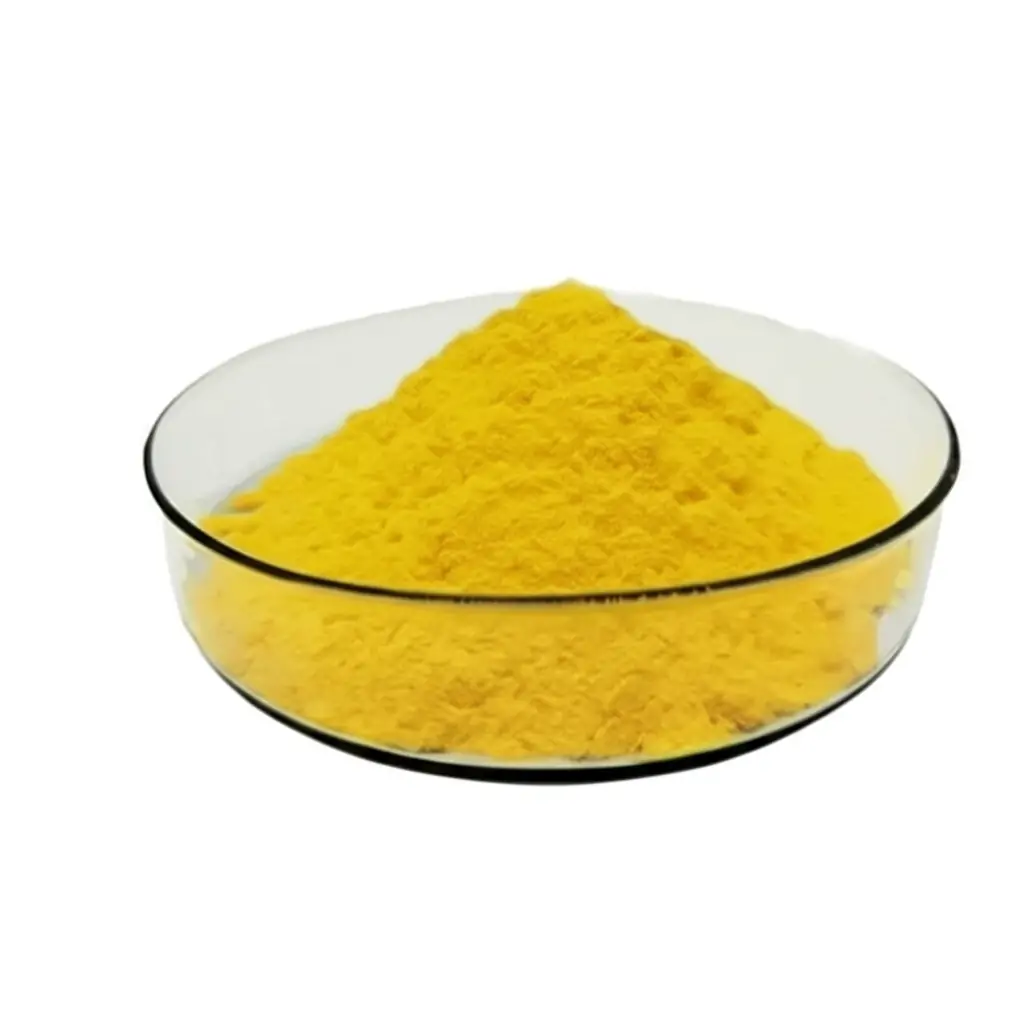
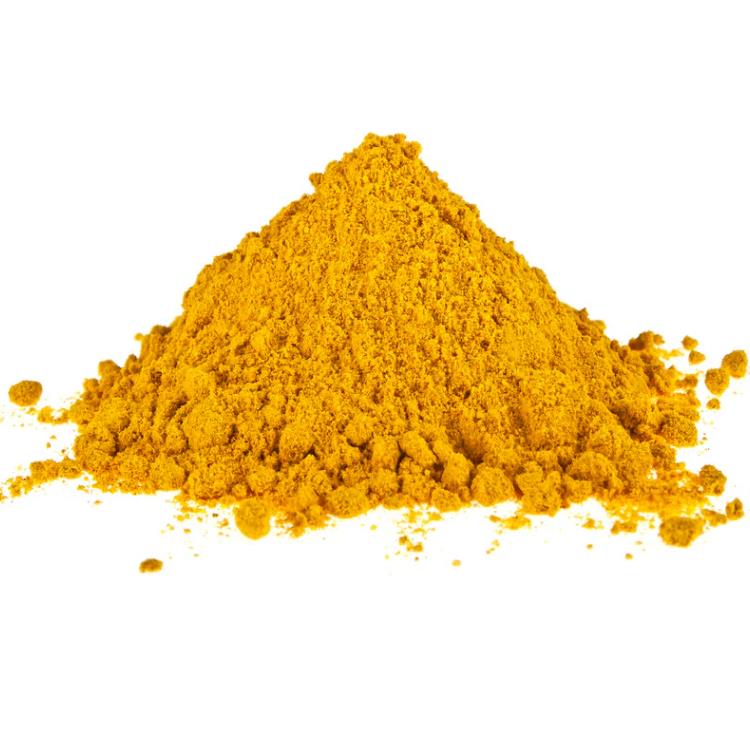
Botanical 5-HTP can shift in color, odor, and assay if the seed source changes. A supplier that blends crude extracts without purification may deliver inconsistent material. Ask for batch records and a specification range, not just a single sample COA.
Traceability matters for compliance. If a shipment is questioned, regulators may ask where the raw material was grown or produced. A supplier that cannot provide a clear chain of custody from seed or fermentation batch to finished powder creates risk.
For brands selling across multiple regions, batch consistency also affects label claims. If assay varies between 98% and 101%, your finished product may fall outside label tolerance after manufacturing losses. Tight internal release limits are more valuable than a high nominal assay.
Common Sourcing Mistakes for 5-HTP Raw Material
- Buying on assay only. A 98% assay does not tell you whether the remaining 2% is a safe botanical matrix or an unidentified synthesis byproduct.
- Assuming one COA works in all markets. US, EU, Canada, and Asia can require different heavy metal, solvent, and microbial limits.
- Ignoring the manufacturing route. Griffonia extract, synthetic, and fermentation-derived 5-HTP can have different impurity profiles and allergen declarations.
- Overlooking batch-to-batch consistency. Natural extraction can vary with seed origin and season. A supplier without a validated purification step may deliver variable color, assay, or residual protein.
- Not asking for stability under process conditions. A powder that is stable at ambient temperature may lose potency in a hot gummy slurry or high-moisture beverage.
How to Evaluate a 5-HTP Raw Material Supplier
Start with the manufacturing route. Ask whether the material is extracted from Griffonia simplicifolia, produced by biosynthesis/fermentation, or synthesized. Each route has different compliance documents and customer acceptance profiles.
Request a full documentation package before sampling. This includes COA, SDS, GMP certificate, ISO/HACCP/FSSC certificates, residual solvent statement, heavy metal and microbial data, allergen statement, and vegan/halal/kosher status where relevant.
Ask for stability data on the specific material, not a generic product sheet. If you are making gummies, ask whether the supplier can share guidance on addition temperature, pH exposure, and encapsulation. A 5-HTP manufacturer with formulation support can reduce trial batches.
Check the production environment. For 5-HTP used in capsules, tablets, or powders, a GMP-certified facility with a cleanroom reduces contamination risk. If the material is intended for export, confirm the manufacturer has export documentation for the target region.
When comparing suppliers, do not only compare price. Compare specification depth, documentation speed, and whether the supplier can customize particle size, assay, or packaging to your production line. Some manufacturers, such as Gothink Synbio, operate GMP-certified cleanrooms and can provide formulation support for gummy, capsule, tablet, and powder formats.
COA Red Flags for 5-HTP Powder
- Assay reported as-is with no moisture value.
- Missing residual solvent statement for extraction or synthesis routes.
- No botanical identification for Griffonia-derived material.
- Heavy metal limits based on supplier’s local standard, not target market.
- No batch number or manufacturing date on the COA.
FAQ
Is 5-HTP allowed in all supplement markets?
No. Market status varies. A brand should confirm the classification and any national notification or registration requirements before importing 5-HTP into a new region.
What documentation do I need for US or EU import?
For the US, expect a COA, GMP certificate, heavy metal and microbial data, residual solvent statement, and SDS. For the EU, add national status checks, pesticide residue data if botanical, and possibly PAH or other contaminant data depending on the source.
Can the same 5-HTP powder be used in capsules and gummies?
Often yes, but processing behavior differs. Capsules and tablets tolerate a wider particle size range and lower solubility. Gummies may require a material with better dispersibility, low moisture, and thermal stability, or an encapsulated version for acid and heat protection.
How do I verify the botanical source of 5-HTP?
Ask for a botanical identification method, such as HPTLC or PCR, and a declaration of plant source. For fermentation-derived material, ask for a route declaration and residual host/process impurity data.
What is the difference between Griffonia extract and fermentation-derived 5-HTP?
Griffonia extract is a botanical extract that may contain co-extracted compounds. Fermentation-derived or biosynthetic 5-HTP is produced under controlled conditions and can offer a more defined impurity profile, vegan suitability, and batch consistency. Both routes can be compliant if properly characterized.
Cheney Chan|Technical Advisory Team, Nutrition Research Center. Focused on nutrition formulation research and quality standards, representing Gothink Synbio, a dietary supplement raw material manufacturer based in Shenzhen, China. This article is authored by Cheney Chan.
[Shenzhen Gothink Biology Technology Co., Ltd. offers OEM, ODM, CMO, and CDMO services with a GMP-certified 100,000-class cleanroom facility producing 16 tons daily. Certifications include ISO9001, ISO22000, HACCP, FDA, HALAL, GMP, KOSHER, BRC, FSSC 22000, PJPH, and Vegan. The R&D team, led by scientists with postdoctoral experience at Cold Spring Harbor Laboratory and Emory University, develops 2,000+ formulations annually across gummy, capsule, tablet, powder, liquid, and drop formats.]