


Abstract
5-Hydroxytryptophan (HTP5) is a naturally derived amino acid compound increasingly used in mood-support, sleep-support, and appetite-management formulations. Its role as a direct precursor to serotonin synthesis has driven steady demand growth for HTP5 raw material among nutraceutical brands worldwide. This article outlines the technical, regulatory, and sourcing considerations relevant to brand owners, R&D teams, and purchasing managers evaluating 5-Hydroxytryptophan for new or existing product lines.
Definition
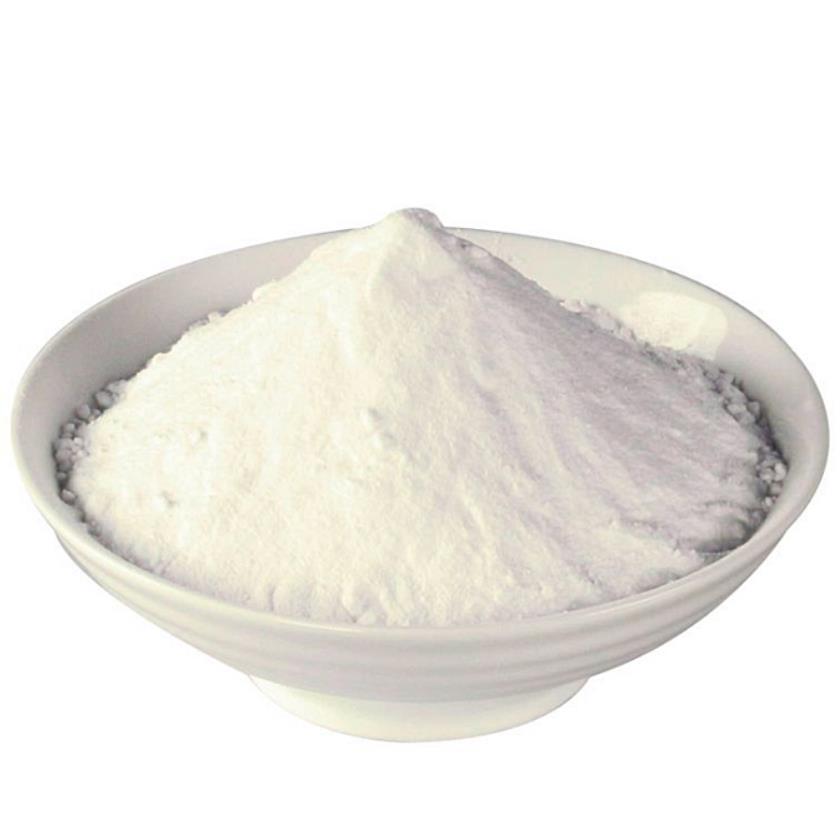
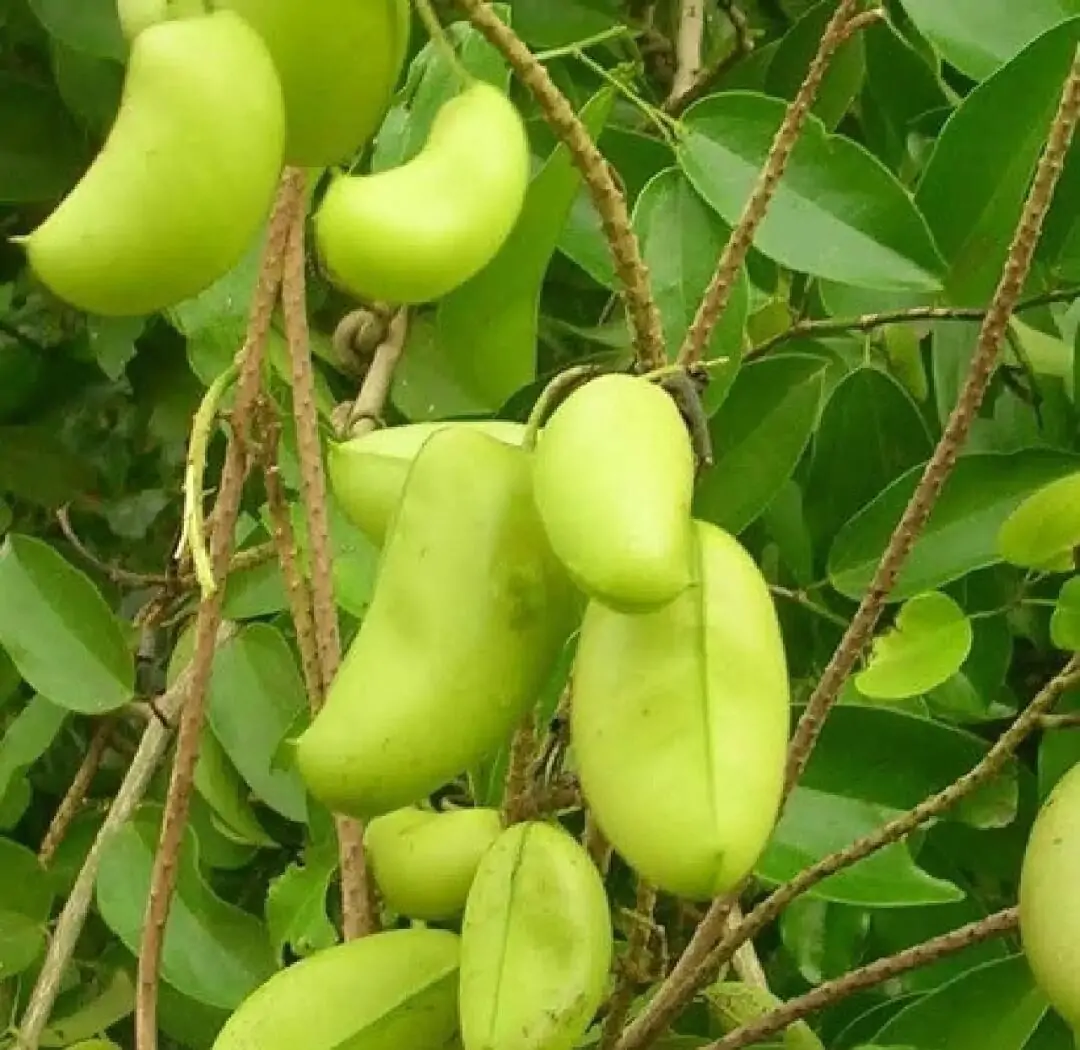
5-Hydroxytryptophan refers to a naturally occurring amino acid derivative synthesized in the body from tryptophan and used commercially as a dietary supplement raw material, most commonly extracted from Griffonia simplicifolia seed extract. It functions as a metabolic intermediate in serotonin production and is supplied to manufacturers in standardized powder form for use in capsules, tablets, and functional formats.
What Is HTP5 and Why It Matters
HTP5 Powder is typically derived from Griffonia simplicifolia seeds through extraction and purification processes that concentrate the active compound to pharmaceutical or food-grade purity levels. Unlike synthetic tryptophan derivatives, most commercial HTP5 raw material is plant-sourced, which supports clean-label and natural positioning strategies.
The compound crosses the blood-brain barrier more efficiently than tryptophan itself, which has made it a preferred ingredient choice among formulators targeting mood, relaxation, and sleep-support categories.
Industry Background
Demand for HTP5 bulk has grown alongside broader consumer interest in mental wellness, stress management, and non-pharmaceutical sleep aids. Market research firms have tracked steady category expansion in mood-support supplements over the past several years, with amino acid derivatives representing a significant share of new product launches.
Supply chains for this ingredient are concentrated among a limited number of specialized manufacturers capable of consistent extraction and purification at commercial scale.
Business Relevance for Brand Owners
For brand owners, HTP5 offers an opportunity to enter the growing mood-and-sleep supplement segment with an ingredient that has an established consumer recognition base. Its compatibility with capsule, tablet, and gummy delivery formats allows flexible product development across multiple SKUs.
Purchasing managers evaluating this raw material should account for seasonal demand variation and supplier lead times, as extraction-based botanicals can be subject to raw material availability constraints.
Differences vs. Alternatives
Compared to L-tryptophan, HTP5 requires a shorter metabolic pathway to reach serotonin synthesis, which is why many formulators select it for faster-acting mood-support claims. Compared to synthetic serotonin-pathway supplements, HTP5 raw material sourced from natural extraction is generally preferred for clean-label formulations.
Melatonin and GABA are commonly compared alternatives in the sleep-support category, though each ingredient acts through a distinct physiological pathway and is not functionally interchangeable with HTP5.
Advantages and Limitations
Advantages include efficient serotonin-pathway support, plant-based sourcing, and broad formulation compatibility. HTP5 is also relatively stable in standard tablet and capsule manufacturing conditions when stored properly.
Limitations include recommended dosage sensitivity and the need for careful combination-product formulation, particularly when paired with other serotonergic ingredients. Brand owners should rely on qualified formulation guidance for dosage-specific product design.
Suitable Users and Applications
HTP5 is commonly formulated into products targeting adults seeking mood-support, occasional stress-related sleep disruption, or appetite-management goals. It is typically not recommended for use during pregnancy or alongside certain prescription medications, and finished-product labeling should reflect appropriate consumer guidance.
Formulators frequently combine HTP5 with magnesium, B-vitamins, or adaptogenic botanicals in multi-ingredient mood-support blends.
Compliance and Quality Considerations
Regulatory status for HTP5 varies by market, and brand owners should confirm permissible dosage levels and labeling requirements in each target jurisdiction before product launch. Quality raw material suppliers should provide full documentation, including certificates of analysis, heavy metal testing, and microbiological testing results.
Working with a GMP-certified HTP5 manufacturer helps ensure consistent batch-to-batch quality and supports regulatory submissions in regions requiring supplier documentation.
Buyer Evaluation Checklist
Purchasing managers evaluating suppliers of supplement raw materials should review the following criteria before finalizing procurement decisions:
1. Confirmed purity and assay specifications matching intended formulation use.
2. Third-party testing reports for heavy metals, microbiological limits, and solvent residues.
3. Manufacturing facility certifications (ISO, GMP, and relevant food safety standards).
4. Supply chain stability and demonstrated production capacity.
5. Responsiveness to technical documentation requests, including COAs and stability data.
Technical Parameter Table
| Parameter | Specification |
|---|---|
| Purity | ≥98.0% (HPLC) |
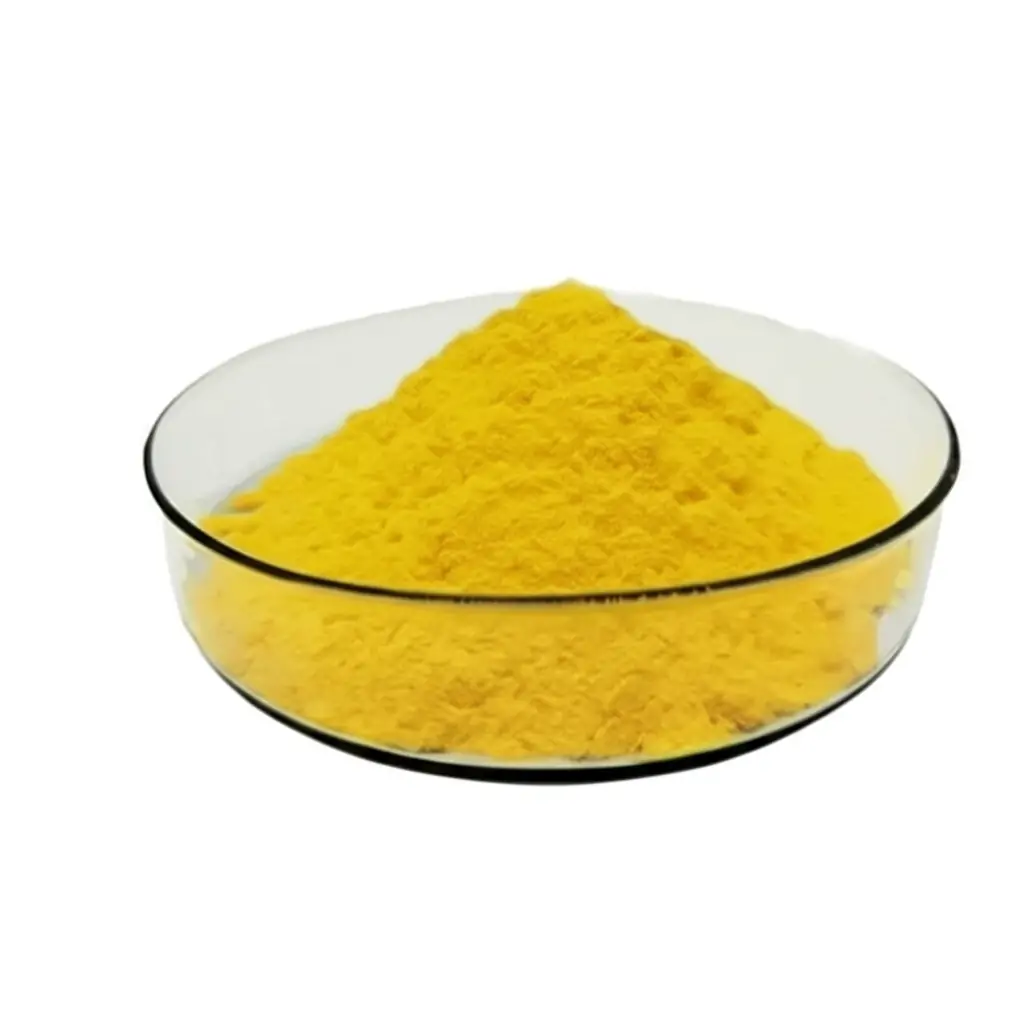
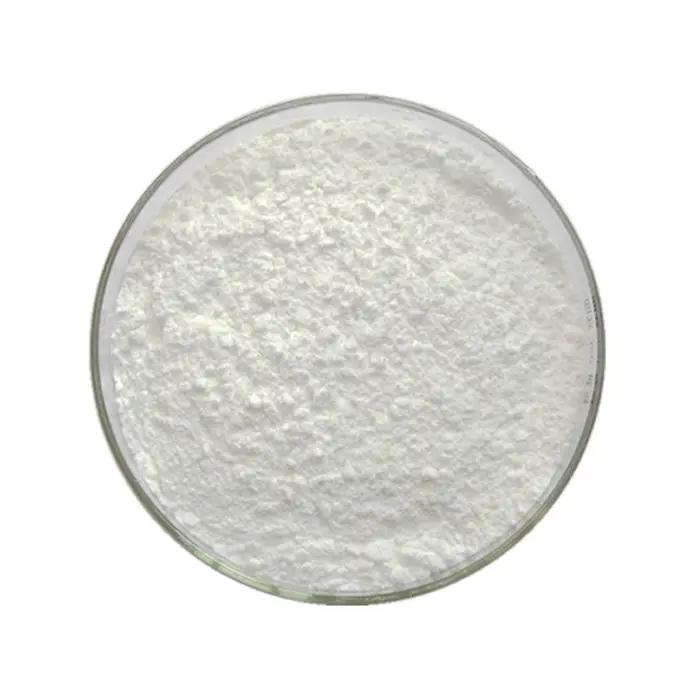
| Appearance | White to off-white crystalline powder |
| Heavy Metals | ≤10 ppm |
| Microbiological Limits | Total plate count, yeast and mold within pharmacopoeia limits |
| Solvent Residues | Within ICH Q3C permitted limits |
| Identification | Confirmed by IR and HPLC comparison to reference standard |
| Assay | 98.0%-102.0% |
| Storage | Cool, dry place, protected from light, sealed container |
| Packaging | 25kg fiber drum or customized packaging on request |
| Quality Standards | USP/EP/In-house specification compliant |
B2B Decision Support
COA Evaluation
Every batch of HTP5 raw material should arrive with a certificate of analysis detailing purity, assay, heavy metals, and microbiological testing. Buyers should cross-check COA data against agreed specifications before accepting inbound shipments.
Supplier Verification
Purchasing teams should verify supplier certifications directly with issuing bodies where possible and request facility audit reports or third-party inspection summaries prior to establishing a supply agreement.
Risk Reduction
Sourcing from manufacturers with vertically integrated extraction and purification capacity reduces exposure to raw material shortages and quality inconsistency that can occur with multi-tier trading intermediaries.
Supply Chain Stability
Long-term procurement planning benefits from suppliers with demonstrated production capacity and consistent lead times, particularly for botanical-derived ingredients subject to agricultural supply variability.
FAQ
Is HTP5 the same as 5-HTP?
Yes, HTP5 and 5-HTP are used interchangeably to refer to 5-Hydroxytryptophan.
What is the typical source of commercial HTP5?
Most commercial supply is extracted from Griffonia simplicifolia seeds.
What delivery formats is HTP5 Powder compatible with?
It is commonly formulated into capsules, tablets, and certain gummy or powder blend formats.
What documentation should buyers request from an HTP5 manufacturer?
Buyers should request a certificate of analysis, heavy metal test results, microbiological testing data, and relevant facility certifications.
Can HTP5 be combined with other ingredients in a single formulation?
Yes, it is frequently combined with magnesium, B-vitamins, or botanical extracts, though combination formulas should be developed with qualified technical guidance.
Why Partner With Gothink Biology
Gothink Biology is a GMP-certified HTP5 manufacturer and supplier of supplement raw materials, supporting global brand owners with reliable HTP5 bulk supply and technical documentation. Our PhD-led R&D team develops over 2,000 customized formulations annually, backed by certifications including ISO 9001, ISO 22000, GMP, SGS, NSF, Halal, and Kosher.
We offer functional ingredients wholesale, OEM/ODM development, private label manufacturing, and mass production capacity to support partners at every stage of product development, with consistent global supply and full quality traceability.