


Abstract
5-Hydroxytryptophan is an established ingredient in mood, sleep, and appetite-support formulations, and demand continues to expand across capsule, gummy, and functional beverage formats. For brand owners and formulators, product success depends less on the compound itself and more on the reliability of the HTP5 raw material supply chain, documentation, and manufacturing consistency behind it. This article outlines current formulation trends, sourcing considerations, and the technical parameters buyers should evaluate before committing to a supplier.

Definition
New Product Concepts Using 5-Hydroxytryptophan (HTP5) refers to the range of formulation strategies, delivery formats, and combination approaches that use 5-HTP as a functional ingredient in dietary supplements, nutraceuticals, and functional foods, typically targeting mood balance, sleep support, and appetite regulation categories.
What HTP5 Is
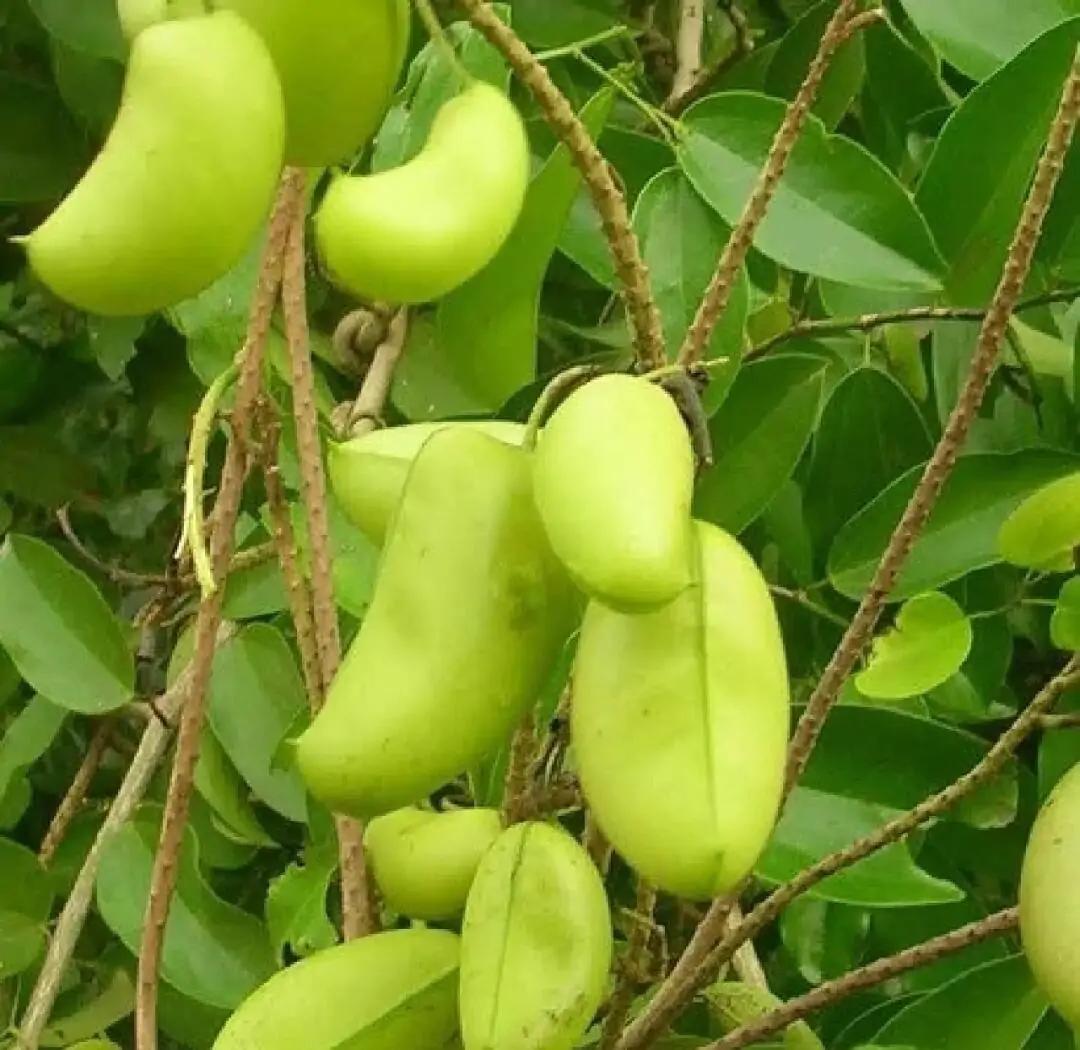
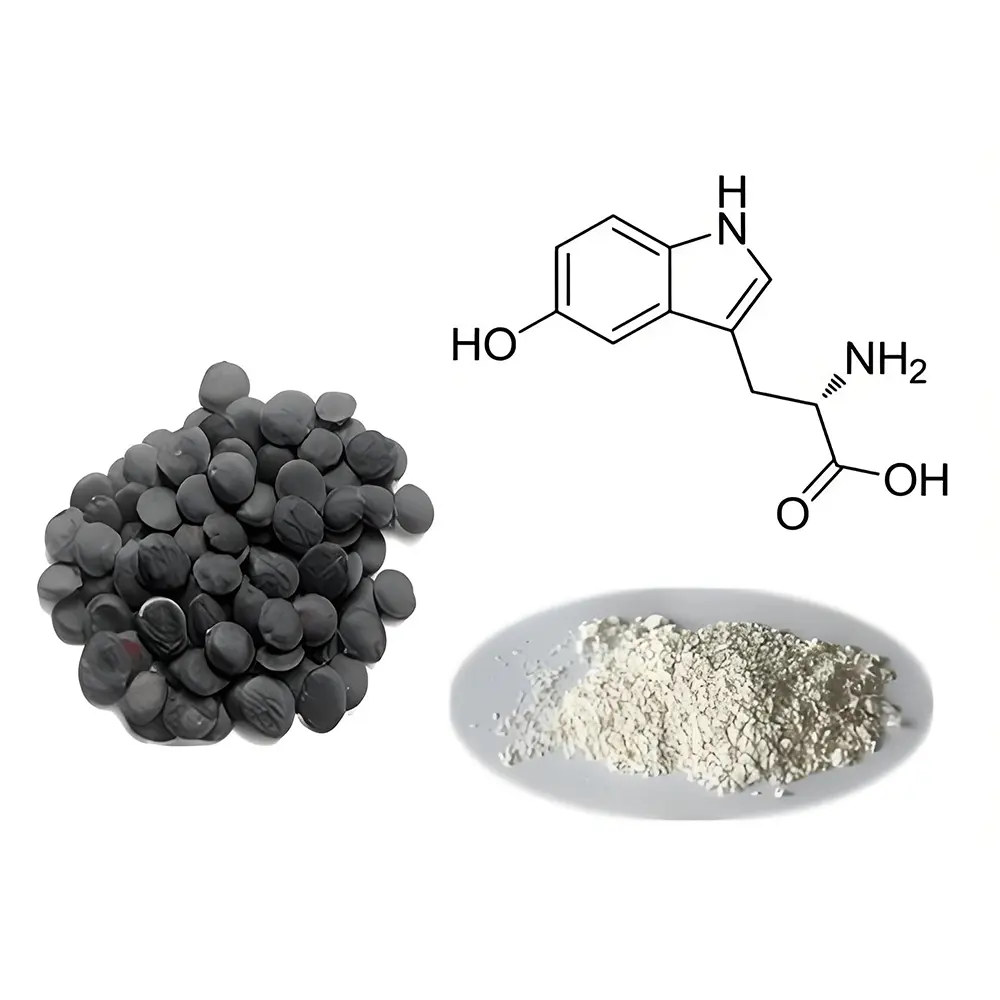
5-Hydroxytryptophan is a naturally occurring amino acid derivative, most commonly produced from the seed extract of Griffonia simplicifolia. It functions as a precursor in serotonin synthesis and is widely used as one of several established supplement raw materials in the mood and sleep support category.
Industry Background
5-HTP has been used in dietary supplements for several decades, with a well-documented history in both North American and European markets. Regulatory status varies by region, and formulators should confirm permitted use levels and labeling requirements in each target market before product development begins.
Business Relevance
Interest in 5-HTP has grown alongside broader consumer demand for sleep, stress, and mood-related products. Brand owners are exploring new delivery formats, including gummies, effervescent tablets, and beverage powders, to differentiate from standard capsule offerings. Consistent raw material supply and batch-to-batch consistency remain the primary operational concerns for procurement teams.
Differences vs. Alternatives
Compared to other mood-support ingredients such as L-tryptophan or synthetic serotonin precursors, 5-HTP crosses the blood-brain barrier more readily and requires lower dosing in most formulations. Sourcing cost and purity can vary significantly depending on extraction method and supplier quality control, which affects both stability and finished-product shelf life.
Advantages and Limitations
Advantages include a long history of use, established analytical testing methods, and compatibility with multiple delivery formats. Limitations include sensitivity to heat, moisture, and light during processing, as well as the need for accurate dosing information to avoid formulation inconsistencies across batches.
Suitable Users
This raw material category is relevant to supplement brand owners developing mood or sleep products, OEM/ODM manufacturers building private label formulations, and distributors seeking to expand functional ingredient portfolios for regional markets.
Compliance and Quality Considerations
Buyers should confirm that the ingredient complies with the regulatory framework of the destination market, since permitted use and labeling rules for 5-HTP differ between countries. Documentation such as a Certificate of Analysis, allergen statement, and heavy metal testing report should be requested prior to purchase.
What Buyers Must Evaluate Before Sourcing
Before finalizing a supplier, buyers should review purity specifications, extraction method, third-party testing availability, and production capacity. Confirming a supplier’s certification status and sample consistency across multiple batches helps reduce quality risk before scaling to commercial volume.
Technical Parameter Table
| Parameter | Specification |
|---|---|
| Purity | ≥98% or ≥99%, HPLC method |
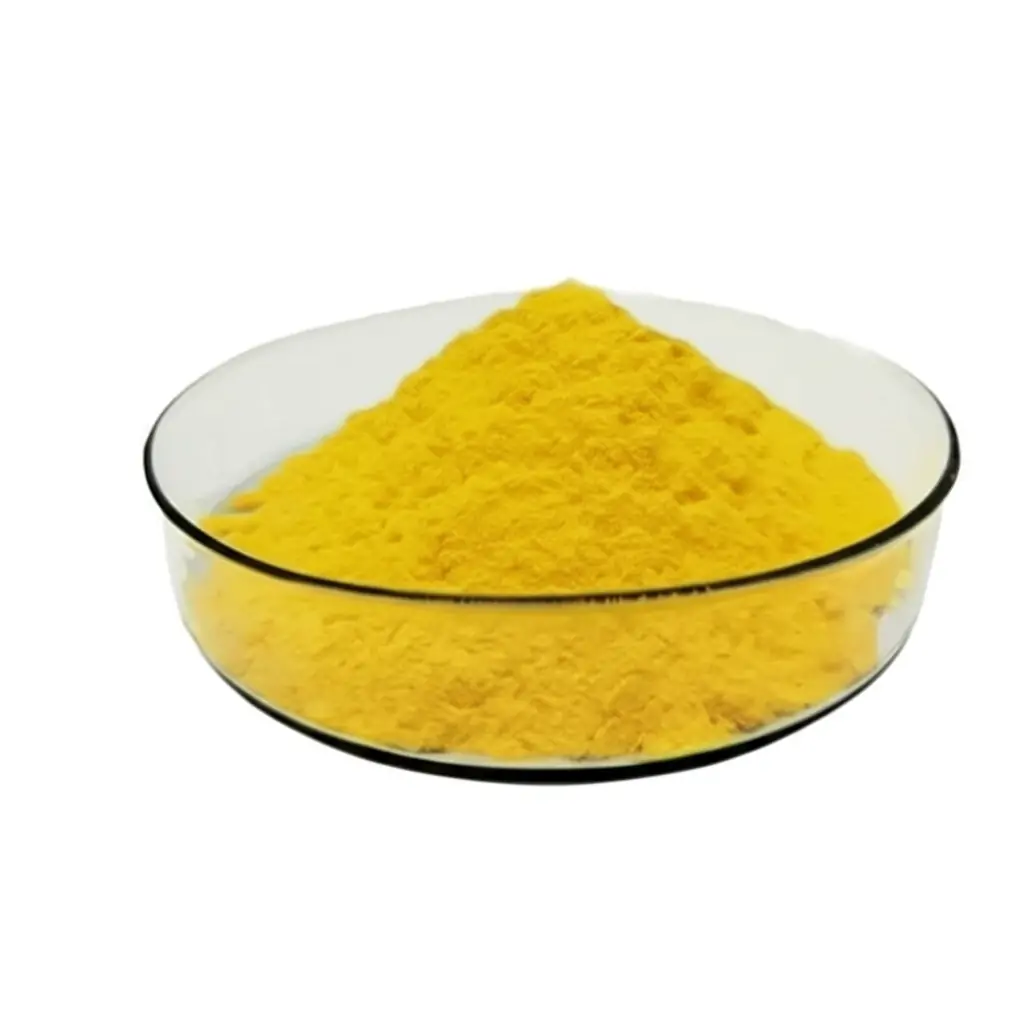
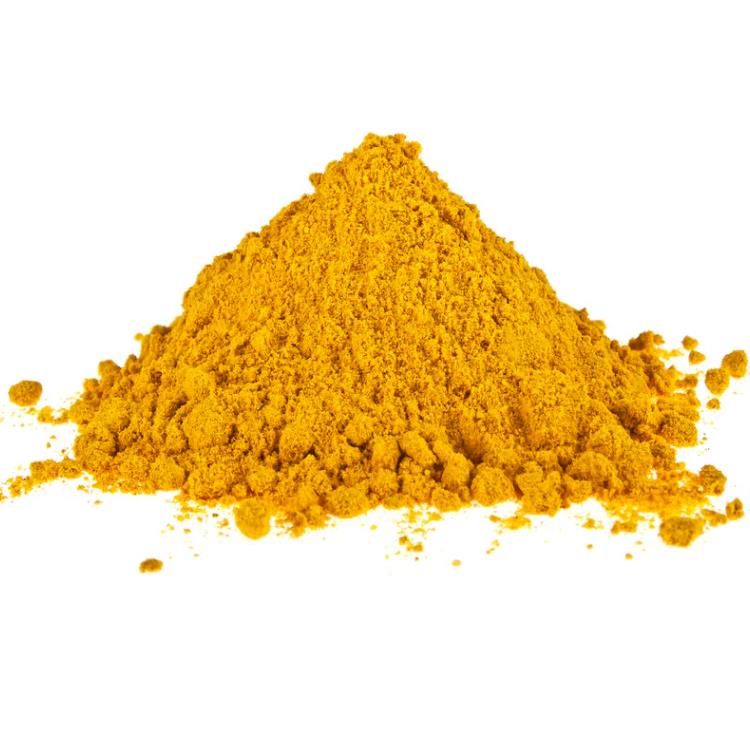
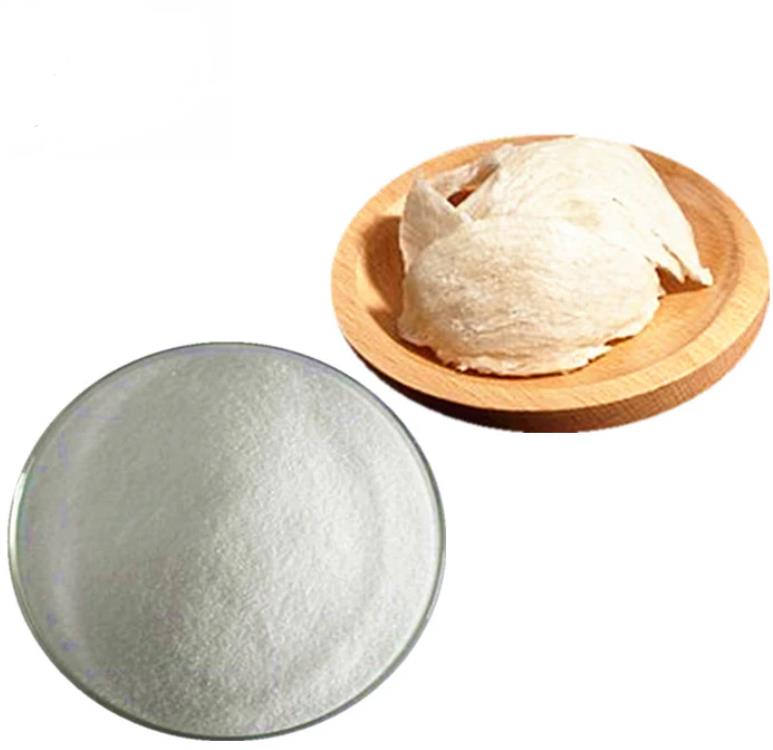
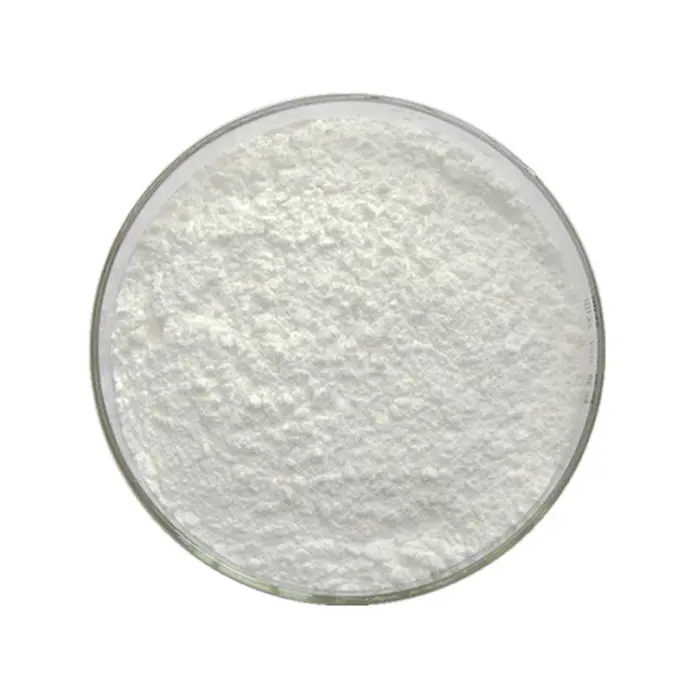
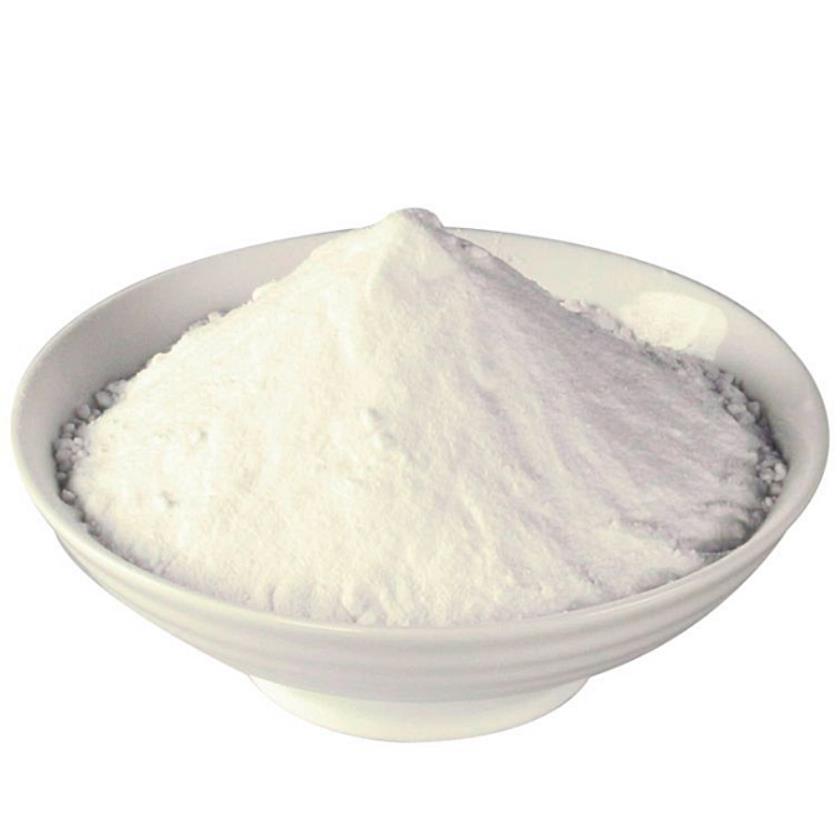
| Appearance | Off-white to light yellow crystalline powder |
| Heavy Metals | ≤10 ppm (Pb, As, Hg, Cd tested individually) |
| Microbiological Limits | Total plate count, yeast and mold, E. coli and Salmonella negative |
| Solvent Residues | Within pharmacopeia limits, confirmed by GC testing |
| Identification | HPLC / IR spectrum matching reference standard |
| Assay | 98.0%–102.0% on a dry basis |
| Storage | Cool, dry, sealed container, protected from light |
| Packaging | 25 kg fiber drum with double inner poly-bag; custom packaging available |
| Quality Standards | Produced under GMP conditions; ISO 9001 and ISO 22000 certified facility; third-party testing available |
B2B Decision Support
Evaluating Raw Material Quality Through the COA
A Certificate of Analysis should confirm assay percentage, identification testing method, heavy metal levels, and microbiological results for the specific batch being purchased. Buyers should cross-check the COA against the agreed specification sheet rather than relying on general product literature.
Verifying Supplier Qualifications and Certifications
Requesting current GMP, ISO 9001, and ISO 22000 certificates, along with facility audit reports where available, helps confirm that a supplier maintains consistent manufacturing controls. Buyers sourcing HTP5 bulk quantities should also confirm the certificates are specific to the manufacturing site, not only the parent company.
Reducing Procurement Risk
Ordering pre-shipment samples for independent testing, confirming batch traceability, and reviewing a supplier’s history of on-time delivery all reduce the risk of quality or supply disruptions. Written agreements on specification tolerances help avoid disputes after delivery.
Assessing Supply Chain Stability
Buyers should ask about raw material sourcing for the Griffonia extract, production capacity, and typical lead times during peak demand periods. Suppliers with in-house extraction and processing capability generally offer more consistent lead times than those relying on multiple subcontracted stages.
Conclusion
New product development using 5-HTP continues to expand across formats and markets, but commercial success depends on sourcing consistent, well-documented HTP5 raw material from a qualified supplier. Buyers who verify certifications, request independent testing, and confirm supply chain capacity before scaling production are better positioned to maintain consistent product quality over time.
FAQ
What is HTP5?
HTP5, or 5-Hydroxytryptophan, is an amino acid derivative used as a raw material in mood, sleep, and appetite-support supplement formulations.
Is HTP5 stable?
5-HTP is sensitive to heat, moisture, and light, so proper storage and packaging are required to maintain stability through the product’s shelf life.
How is HTP5 Powder used in formulations?
HTP5 Powder is typically used in capsules, tablets, gummies, and beverage powders, formulated according to regional dosing and labeling regulations.
How does 5-HTP compare to alternative ingredients?
5-HTP generally requires lower dosing than L-tryptophan for similar serotonin-support applications, though cost and purity vary depending on extraction method and supplier quality control.
What should buyers check before sourcing from an HTP5 manufacturer?
Buyers should confirm certification status, request a Certificate of Analysis for the specific batch, and verify production capacity from the HTP5 manufacturer before placing a commercial order.
Is 5-HTP regulated the same way in every market?
No. Permitted use levels and labeling requirements differ by country, so buyers should confirm regulatory status in each target market before product launch.
Why Partner With Gothink Biology
Gothink Biology’s R&D initiatives are led by a PhD-level research team, developing more than 2,000 customized formulations annually to support consistent product innovation for global partners.
As a supplier of supplement raw materials, our manufacturing facility operates under GMP conditions and holds ISO 9001, ISO 22000, HACCP, FDA, HALAL, KOSHER, Vegan, BRC, and FSSC 22000 certifications, supported by a 100,000-class cleanroom and a 10,000-class R&D laboratory.
With a daily output capacity of 16 tons and an annual production capacity of 5,000 tons, Gothink Biology provides OEM, ODM, CMO, and CDMO services with minimum order quantities starting from 500 units, supporting brand owners, distributors, and private label partners with reliable global supply.