


Abstract
N-Acetylneuraminic Acid (NANA) is a naturally occurring sialic acid that plays a structural role in neural development and immune modulation. In B2B nutraceutical manufacturing, it serves as a high-value functional ingredient for infant formula and adult cognitive supplements. Sourcing decisions must account for purity, production scale, and regulatory compliance to ensure product efficacy and market readiness.
Definition
How NANA Works in Infant Nutrition & Adult Functional Supplements refers to the biological mechanisms by which N-Acetylneuraminic Acid supports brain development in early life and maintains neural and immune function in adults, as well as the commercial considerations for integrating this compound into dietary formulations.
What NANA Is
NANA is a nine-carbon monosaccharide and the most prevalent member of the sialic acid family. It is commonly found on the outer surface of cell membranes and in glycoproteins.
As a core building block of human milk oligosaccharides (HMOs), it is naturally present in breast milk and contributes to infant cognitive and immune development.
In adult physiology, NANA participates in cell-to-cell recognition, synaptic plasticity, and pathogen defense mechanisms.
Industry Background
The global demand for HMO-adjacent ingredients has grown substantially since regulatory approvals enabled their use in infant formula across major markets including the EU, US, and China.
**NANA** has emerged as a standalone ingredient category within supplement raw materials, driven by clinical interest in its neuroprotective and immunomodulatory properties.
Adult functional nutrition is a secondary but fast-growing segment, particularly in cognitive health, anti-aging, and immune support formulations.
Biological Mechanisms in Infant Nutrition
Neural Development
NANA accumulates in gangliosides within the brain during the first two years of life. It is essential for synapse formation and myelination.
Supplementation in infant formula aims to narrow the developmental gap between formula-fed and breastfed infants.
Immune Modulation
As a component of sialylated glycans, NANA acts as a decoy receptor for pathogens, reducing infection risk in the gastrointestinal tract.
It also supports the maturation of the infant gut microbiome by serving as a metabolic substrate for beneficial bacteria.
Biological Mechanisms in Adult Supplements
Cognitive Support
In adults, brain NANA levels decline with age. Oral supplementation has been studied for its potential to support memory retention and learning capacity.
It is frequently positioned alongside phosphatidylserine and citicoline in nootropic formulations.
Anti-Aging and Immune Health
**N-Acetylneuraminic Acid** contributes to the maintenance of sialic acid residues on immune cell surfaces, which influence inflammatory signaling pathways.
Research is ongoing regarding its role in reducing age-related immune senescence, though conclusions remain preliminary.
Business Relevance
Market Demand
Infant formula brands are actively seeking HMO-compatible ingredients to differentiate premium product lines. NANA provides a cost-effective entry point compared to complex HMO structures.
Adult supplement brands are incorporating NANA into cognitive and immune SKUs to align with the longevity economy trend.
Supply Chain Factors
Production capacity for NANA remains concentrated among a limited number of specialized manufacturers. Lead times and minimum order quantities vary significantly by supplier.
Secure **NANA raw material** sourcing requires direct manufacturer relationships rather than fragmented broker chains.
Production Considerations
Microbial fermentation and enzymatic synthesis are the two primary production methods. Fermentation typically offers better scalability, while enzymatic routes may achieve higher purity grades.
Buyers evaluating **NANA,NANAH bulk** supply must confirm the production route, as it directly impacts batch consistency and cost structure.
Differences vs. Alternatives
vs. Synthetic Sialic Acid Analogues
NANA is a naturally occurring compound, which simplifies regulatory positioning compared to novel synthetic analogues that may require novel food approvals.
vs. Whole HMO Structures (e.g., 2′-FL, 3-FL)
HMOs such as 2′-FL and 3-FL contain NANA as a subunit but are structurally more complex and significantly more expensive per kilogram.
**NANA Powder** offers a more accessible price point for brands seeking sialic acid benefits without full HMO formulation costs.
Stability, Cost, and Purity Comparison
NANA demonstrates good thermal stability under standard processing conditions, outperforming some labile HMO structures that degrade at lower temperatures.
Cost per active gram of sialic acid is lower for standalone NANA than for HMOs containing sialic acid residues.
Purity levels for pharmaceutical-grade NANA can reach 98%+, whereas HMO purity targets are typically set at 95% due to structural complexity.
Advantages and Limitations
Advantages
Well-characterized molecule with extensive safety data from both infant and adult studies. Clear regulatory pathway in most major markets.
Compatible with a wide range of delivery formats including powders, capsules, gummies, and liquid formulations.
Supports clean-label positioning as a naturally derived compound.
Limitations
Higher unit cost compared to commodity ingredients such as vitamin C or standard amino acids.
Consumer awareness of NANA remains low, requiring brands to invest in education-driven marketing.
Certain clinical claims are still under investigation and may not be permissible on product labels in all jurisdictions.
Suitable Users
Brand Owners
Infant formula and child nutrition brands seeking evidence-backed differentiation. Adult supplement brands targeting cognitive health and healthy aging segments.
OEM/ODM Manufacturers
Contract manufacturers offering formulation services can use NANA as a premium upsell ingredient for clients developing next-generation products.
Distributors
Regional distributors with established nutraceutical channels can add NANA to their portfolio to capture growing demand from both infant and adult nutrition categories.
Compliance and Quality Considerations
NANA used in infant formula must meet stringent purity and contaminant limits, typically exceeding general supplement grade requirements.
For adult supplements, compliance with local dietary ingredient regulations (such as NDIN notifications in the US or novel food dossiers in the EU) is essential.
Allergen-free, non-GMO, and solvent-free production claims require documented evidence from the **NANA manufacturer**.
Third-party testing reports covering heavy metals, microbiology, and solvent residues should be available for every production batch.
What Buyers Must Evaluate Before Sourcing
Confirm purity grade matches the target application: infant formula requires higher specifications than general adult supplements.
Request complete COA history to assess batch-to-batch consistency over at least six consecutive production runs.
Verify that the supplier holds relevant certifications and can provide audit-ready documentation.
Evaluate minimum order quantities, standard lead times, and the supplier’s ability to scale with demand growth.
Technical Parameter Table
| Parameter | Specification |
|---|---|
| Purity | ≥98.0% |
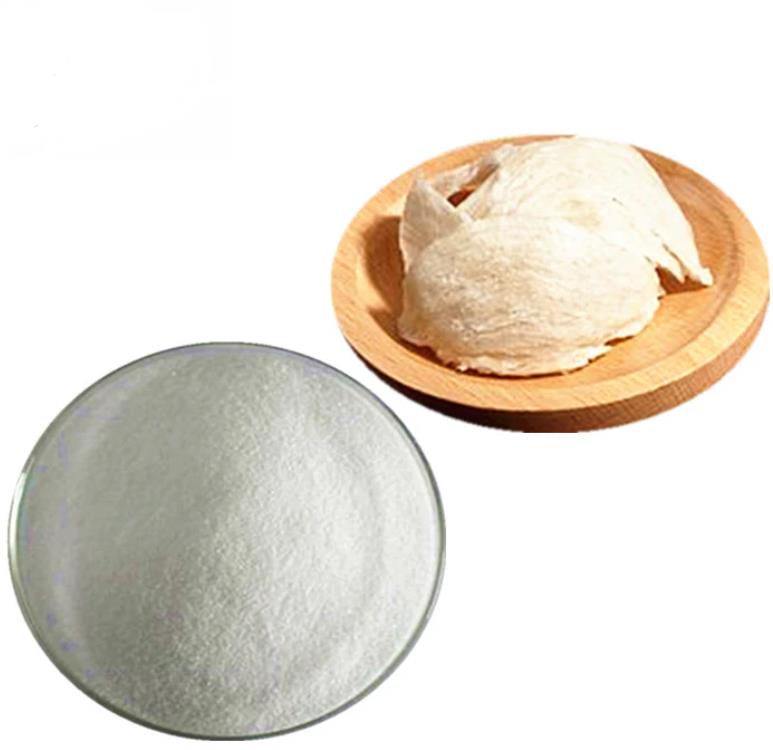
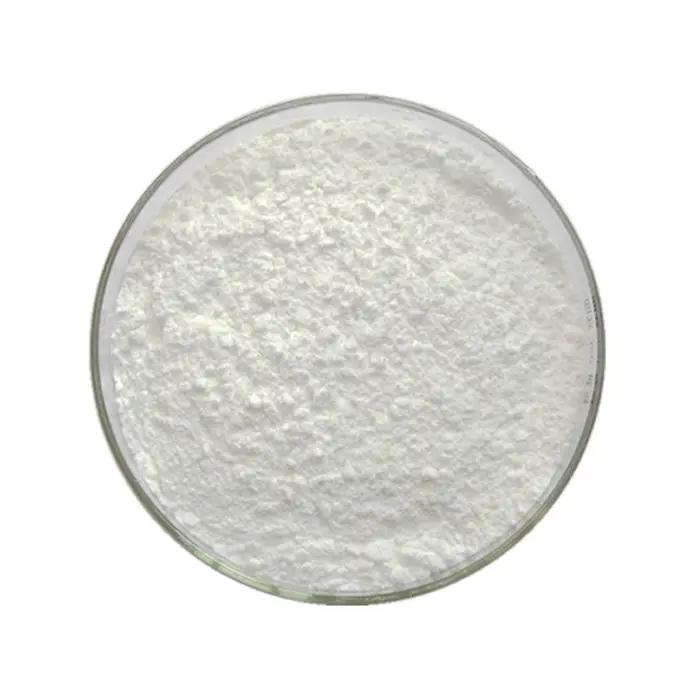
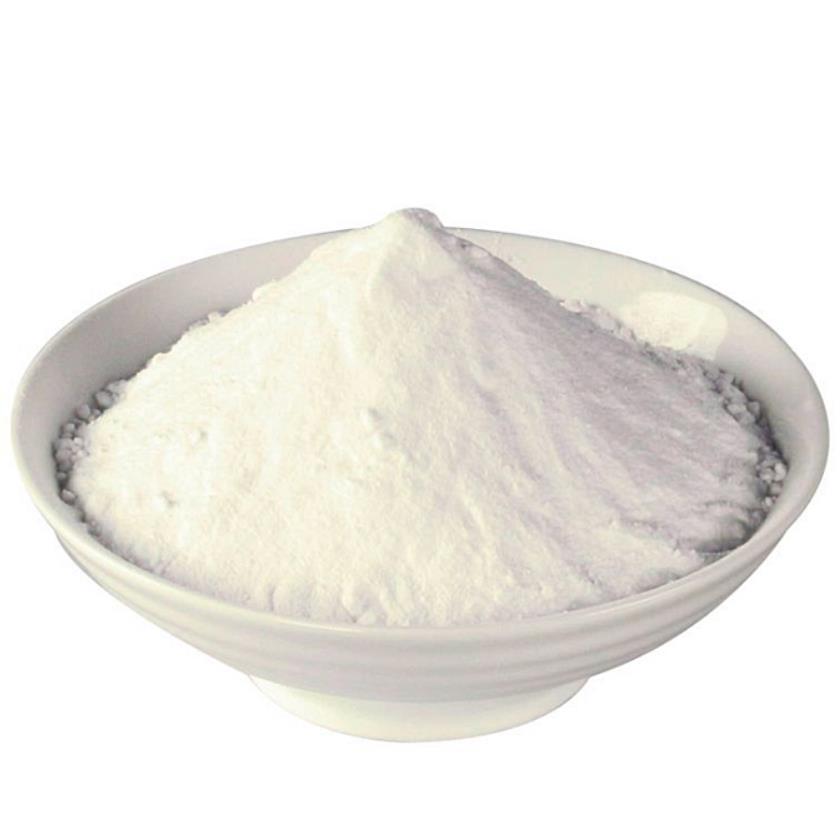
| Appearance | White to off-white crystalline powder |
| Heavy Metals | Pb ≤1.0 ppm, As ≤0.5 ppm, Cd ≤0.5 ppm, Hg ≤0.1 ppm |
| Microbiological Limits | Total plate count ≤1000 CFU/g; E. coli, Salmonella: Negative |
| Solvent Residues | Meets USP/EP residual solvent limits; typically solvent-free |
| Identification | IR, HPLC, or NMR consistent with reference standard |
| Assay | 98.0%–101.0% (on anhydrous basis, HPLC) |
| Storage | Sealed, cool, dry place; protected from light and moisture |
| Packaging | 25 kg fiber drum with double-layer PE liner |
| Quality Standards | GMP, ISO, Third-party testing (SGS/NSF) |
B2B Decision Support
How to Assess Raw Material Quality via COA
Review the assay range to confirm it meets your specification grade. A narrow assay range (e.g., 98.0%–101.0%) indicates tighter process control than a wide range.
Check that all heavy metal and microbial results fall well within limits, not marginally compliant.
Verify the test methods referenced on the COA match recognized pharmacopoeial standards (USP, EP, or GB).
How to Verify Supplier Qualifications
Request copies of current certifications (GMP, ISO 9001, ISO 22000) and confirm they cover the specific production facility, not just a parent company.
Ask for third-party audit reports (SGS, NSF) and verify issuance dates within the past 12 months.
Conduct a virtual or on-site facility audit if the projected annual purchase volume justifies the investment.
How to Reduce Procurement Risk
Establish a dual-supplier strategy to mitigate single-source dependency, even if one supplier handles the majority of volume.
Include penalty clauses for out-of-spec deliveries and delayed shipments in supply agreements.
Lock in pricing through quarterly or annual framework agreements rather than spot purchasing.
How to Evaluate Supply Chain Stability
Assess the supplier’s raw material upstream dependencies. Fermentation-based NANA producers relying on common feedstocks generally face fewer supply disruptions.
Confirm the supplier maintains strategic inventory buffers and can provide realistic lead time commitments during peak demand seasons.
Request a production capacity overview and current utilization rate to gauge the supplier’s ability to absorb your volume growth.
FAQ
What is How NANA Works in Infant Nutrition & Adult Functional Supplements
It refers to the biological role of N-Acetylneuraminic Acid as a structural and functional component in neural and immune health, and the commercial strategies for formulating with this ingredient across infant and adult nutrition products.
Is NANA stable during processing
Yes. NANA demonstrates good thermal and pH stability under standard supplement manufacturing conditions, including spray drying, tableting, and capsule filling. However, prolonged exposure to high humidity should be avoided.
How is NANA used in formulations
It is typically added as a dry powder blend in infant formula, powdered supplements, capsules, or chewable tablets. Dosage ranges vary by application, with infant formula using lower inclusion rates and adult cognitive supplements using higher doses.
How does NANA compare to HMO alternatives
NANA delivers sialic acid functionality at a lower cost and with simpler regulatory requirements than structurally complex HMOs like 2′-FL or LNnT. However, HMOs offer broader prebiotic and pathogen-decoy functions beyond sialic acid alone.
What should buyers check before sourcing NANA
Buyers should verify purity grade, COA consistency across batches, supplier certifications (GMP, ISO), third-party test reports, production capacity, and the ability to provide regulatory documentation for target markets.
Can NANA be combined with other ingredients
Yes. NANA is compatible with most common supplement ingredients including vitamins, minerals, probiotics, and other cognitive actives like phosphatidylserine. Compatibility should be confirmed through formulation stability testing.
Why Partner With Gothink Biology
Gothink Biology is a manufacturer and global supplier of functional raw materials including N-Acetylneuraminic Acid, coenzymes, HMOs, and glucosamine derivatives.
Our R&D team is led by scientists with advanced training in pharmaceutical and biological sciences from the US and UK, bringing specialized expertise to every stage of ingredient development.
The company develops over 2,000 customized formulations annually, supporting a robust and stable supply chain for partners across global markets.
Our production facilities hold ISO 9001, ISO 22000, GMP, SGS, NSF, Halal, and Kosher certifications, with rigorous food safety management systems and full third-party testing reports.
We provide functional ingredient wholesale, OEM/ODM manufacturing, private label services, batch production, and global supply capabilities for brands, contract manufacturers, and distributors in the nutraceutical and pharmaceutical sectors.