


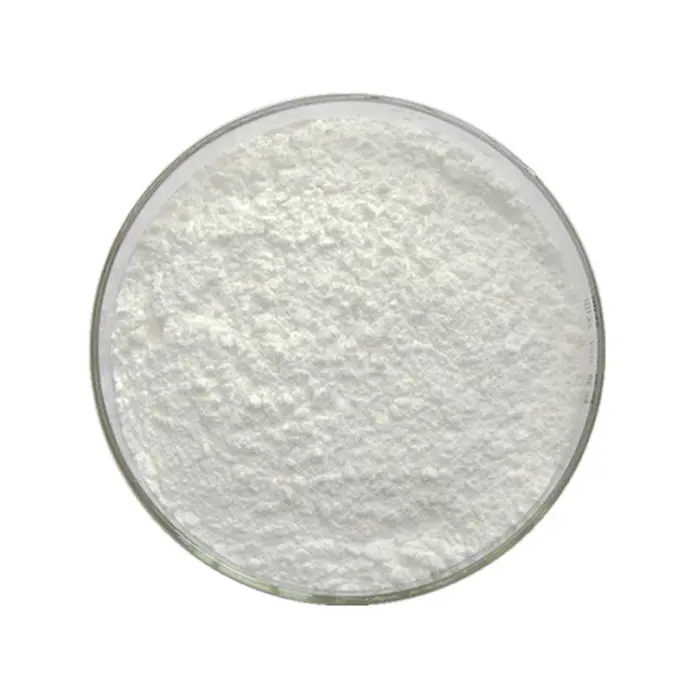
Abstract
NADH powder is a coenzyme-based ingredient widely used by supplement, beverage, and functional food brands to support formulations targeting cellular energy metabolism and antioxidant positioning. As one of the core categories of supplement raw materials, NADH is sourced from qualified manufacturers who control purity, stability, and documentation to meet B2B quality requirements. Brand owners, OEM/ODM partners, and distributors typically evaluate NADH suppliers based on certification, consistency of NADH bulk supply, and compliance with international quality standards.
Definition
How NADH Powder Is Used in Supplement, Beverage, and Functional Food Formulations refers to the range of technical and commercial practices by which reduced nicotinamide adenine dinucleotide (NADH) in powder form is incorporated into capsules, tablets, sachets, functional beverages, and food matrices. This includes ingredient sourcing, stability handling, dosage formulation, and compliance verification required to bring NADH-based finished products to market.

Main Content
What NADH Powder Is
NADH is the reduced form of nicotinamide adenine dinucleotide, a coenzyme naturally involved in cellular energy production. In its commercial form, NADH powder is manufactured through fermentation or enzymatic conversion processes and stabilized for use as a raw material in finished dosage forms.
Industry Background
Coenzyme ingredients such as NADH have gained steady interest in the nutraceutical sector alongside related compounds like NMN and NAD+. Formulators use NADH powder in products positioned around energy metabolism, cognitive support, and general wellness categories.
Business Relevance
Demand for NADH powder is tied to broader market interest in cellular energy ingredients. Brand owners sourcing NADH bulk quantities need consistent supply chains, predictable lead times, and manufacturers capable of scaling production without compromising purity or stability.
Differences vs. Alternatives
Compared to related coenzymes such as NAD+ or NMN, NADH is less chemically stable and more sensitive to heat, light, and moisture. This affects formulation choices, packaging requirements, and shelf-life planning. Sourcing decisions often weigh NADH’s specific mechanism of action against the stability and cost profile of alternative coenzyme raw materials.
Advantages & Limitations
NADH powder offers formulators a defined coenzyme ingredient with established analytical methods for identity and purity testing. Its main limitation is sensitivity to environmental conditions, which requires careful storage, packaging, and handling throughout the supply chain and during finished product manufacturing.
Suitable Users
NADH powder is primarily sourced by supplement brand owners, OEM/ODM manufacturers, functional beverage developers, and ingredient distributors who require a documented, traceable NADH manufacturer for private label or bulk production programs.
Compliance & Quality Considerations
Buyers should confirm that NADH powder is produced under GMP conditions, with supporting ISO 9001 and ISO 22000 documentation, and validated through third-party testing. Certificates of Analysis (COA) should reflect purity, identification, and microbiological limits specific to each production batch.
What Buyers Must Evaluate Before Sourcing
Before finalizing a NADH raw material supplier, buyers typically assess manufacturing capacity, certification scope, batch-to-batch consistency, packaging suitable for moisture and light protection, and the supplier’s ability to support custom formulation or private label requirements.
Technical Parameter Table
| Parameter | Specification |
|---|---|
| Purity | ≥98% (HPLC) |
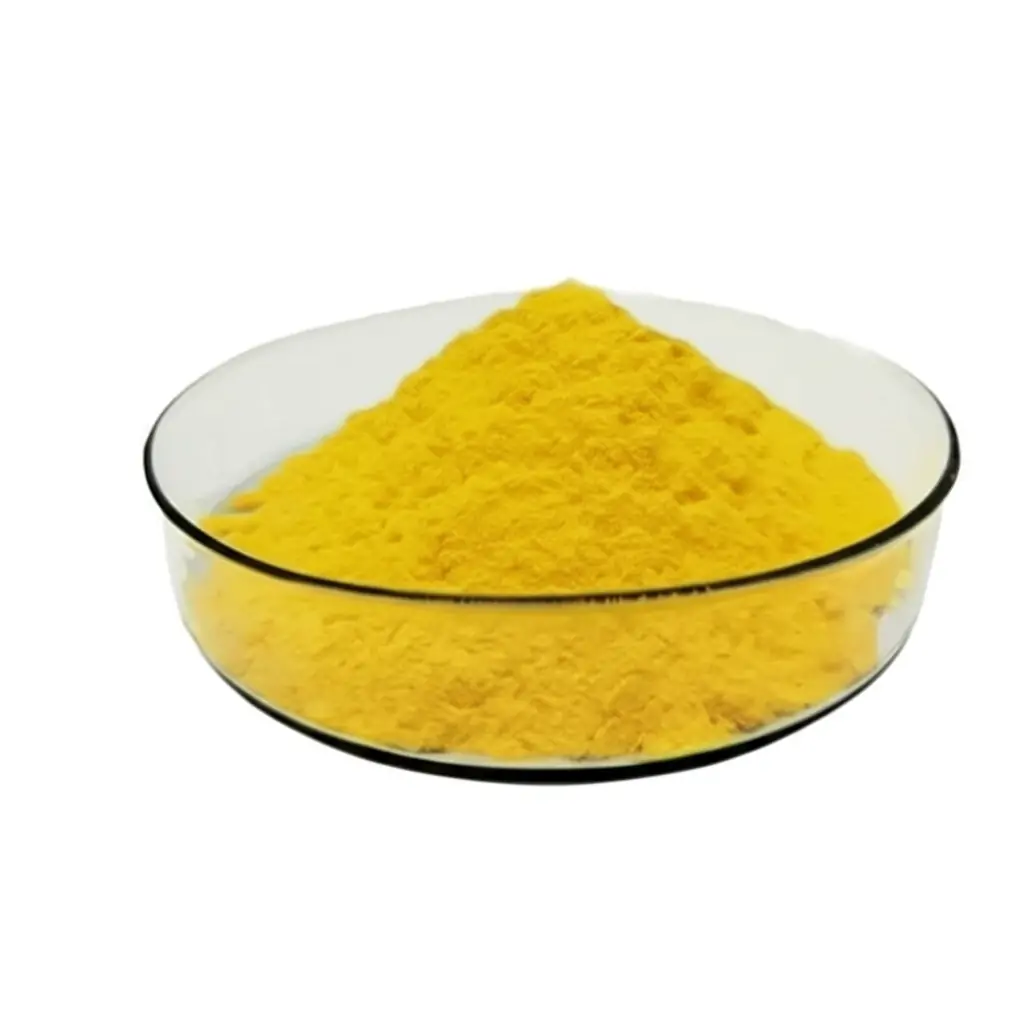
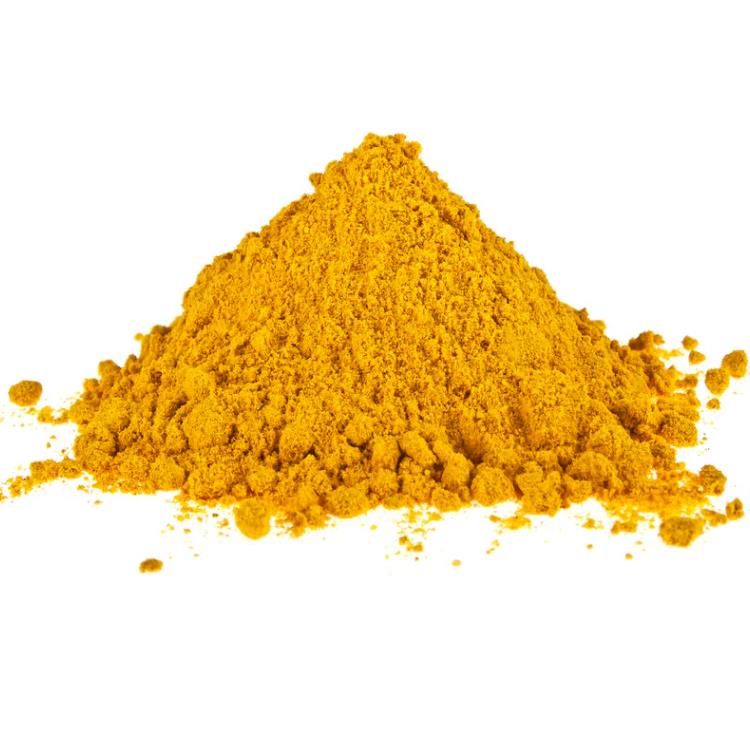
| Appearance | Yellow to light yellow powder |
| Heavy Metals | ≤10 ppm |
| Microbiological Limits | Total plate count and pathogen limits per compendial standards |
| Solvent Residues | Within pharmacopeial limits |
| Identification | Confirmed by HPLC / UV spectrum comparison |
| Assay | 98.0%–102.0% |
| Storage | Cool, dry, sealed, protected from light, below 4°C recommended |
| Packaging | Aluminum foil bag or moisture-proof drum, custom sizes available |
| Quality Standards | GMP, ISO 9001, ISO 22000, third-party testing reports available |
B2B Decision Support
How to Judge Raw Material Quality Through a COA
A Certificate of Analysis should list batch-specific results for purity, identification, assay, heavy metals, and microbiological testing. Buyers should confirm the COA corresponds to the actual production lot being purchased, not a generic reference document.
How to Verify Supplier Qualifications and Certifications
Buyers can request copies of GMP, ISO 9001, and ISO 22000 certificates, along with recent third-party lab reports. Cross-checking certification validity dates and issuing bodies helps confirm authenticity.
How to Reduce Sourcing Risk
Working with a manufacturer rather than a trading intermediary, requesting facility audit reports, and starting with smaller trial orders before committing to large NADH bulk purchases can help reduce sourcing risk.
How to Evaluate Supply Chain Stability
Buyers should assess a supplier’s production capacity, historical lead-time consistency, and contingency planning for raw material shortages. Manufacturers with integrated R&D and production capabilities generally offer more predictable supply.
Why Partner With Gothink Biology
Gothink Biology’s research and development is led by a PhD and postdoctoral-level team, supporting the development of over 2,000 customized formulations annually with a stable supply chain behind each project. Manufacturing facilities are certified to ISO 9001, ISO 22000, GMP, SGS, NSF, Halal, and Kosher standards. Gothink Biology provides functional raw material wholesale, OEM/ODM services, private label programs, bulk production, and global supply for brand owners, distributors, and manufacturers sourcing NADH and related coenzyme ingredients.
FAQ
What is NADH powder?
NADH powder is the reduced form of nicotinamide adenine dinucleotide, supplied as a raw material for use in supplements, beverages, and functional food formulations.
Is NADH powder stable?
NADH is sensitive to heat, light, and moisture, requiring careful storage and packaging to maintain stability throughout the supply chain.
How is NADH used in formulations?
NADH powder is incorporated into capsules, tablets, sachets, and functional beverage or food formulations, typically in combination with stabilizing excipients or protective packaging.
How does NADH compare to alternatives like NMN or NAD+?
NADH differs from NMN and NAD+ in stability, cost, and mechanism of action, which influences formulation design and supply chain handling requirements.
What should buyers check before sourcing NADH raw material?
Buyers should verify supplier certifications, review batch-specific COAs, confirm manufacturing capacity, and assess packaging suitability for moisture and light protection.
Who typically purchases NADH bulk raw material?
Supplement brand owners, OEM/ODM manufacturers, functional beverage developers, and ingredient distributors are the primary buyers of NADH bulk raw material.