


Abstract
How manufacturers reduce 5-Hydroxytryptophan (HTP5) raw material costs depends on sourcing strategy, extraction efficiency, and supplier scale. Brand owners and procurement managers can lower per-kilogram spend by consolidating order volumes, selecting suppliers with vertically integrated production, and standardizing specifications across product lines. This article outlines the technical, commercial, and compliance factors that influence 5-Hydroxytryptophan pricing for supplement manufacturers.

Definition
How Manufacturers Reduce 5-Hydroxytryptophan (HTP5) Raw Material Costs refers to the combination of sourcing decisions, production methods, and supply chain practices that lower the delivered cost of HTP5 powder without compromising purity, safety, or regulatory compliance. Cost reduction in this context is achieved through supplier selection, order consolidation, and process efficiency rather than through lowering quality standards.
Main Content
What HTP5 Is
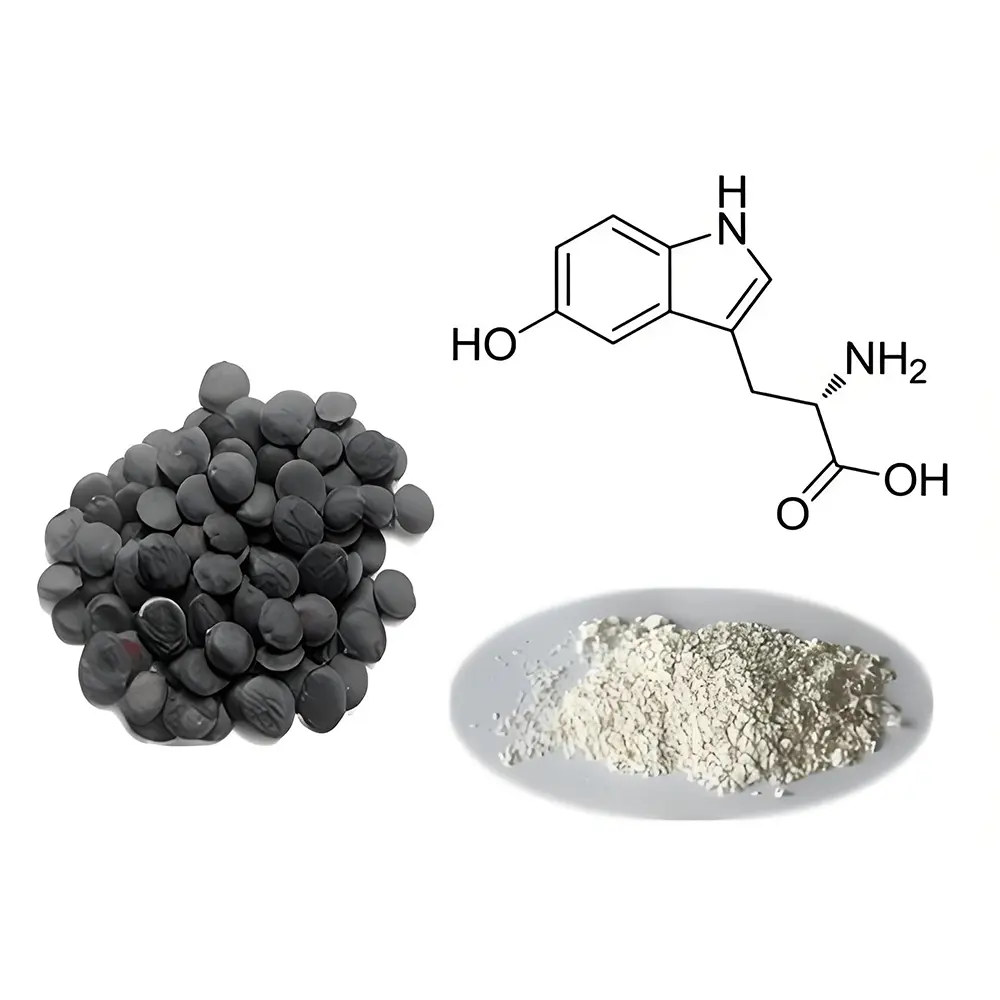
5-Hydroxytryptophan is an amino acid derivative commonly extracted from Griffonia simplicifolia seeds and used as a raw material in mood-support, sleep-support, and appetite-management supplement formulations. It is typically supplied as a fine powder for encapsulation, tableting, or gummy applications.
Industry Background
Global demand for HTP5 raw material has grown alongside consumer interest in serotonin-support supplements. Most commercial supply originates from botanical extraction facilities in Africa and Asia, with further purification and standardization performed by specialized manufacturers before export as HTP5 bulk powder.
Business Relevance for Brand Owners
Raw material cost is a major line item in finished-product margin calculations. For brand owners sourcing HTP5 powder at scale, even small per-kilogram price differences compound significantly across annual purchase volumes, directly affecting retail pricing competitiveness.
Cost Drivers in HTP5 Production
Key cost drivers include raw seed availability, extraction yield, purification steps required to reach pharmaceutical or food-grade purity, and testing costs for heavy metals and microbiological limits. Suppliers with integrated extraction-to-finishing operations typically achieve lower per-unit costs than those relying on multiple subcontracted steps.
Differences vs. Alternative Sourcing Models
Manufacturers may source HTP5 through traders, brokers, or directly from a primary HTP5 manufacturer. Direct sourcing generally reduces markup layers and improves cost transparency, while broker-sourced material may carry inconsistent lot-to-lot pricing and less traceability.
Advantages of Cost-Optimized Sourcing
Working with an efficient HTP5 raw material supplier can lower landed cost, shorten lead times, and provide more predictable pricing for long-term formulation planning. Consolidated purchase orders also support better negotiating leverage.
Limitations to Consider
Cost reduction strategies have limits. Overly aggressive price negotiation can push suppliers toward lower-grade extraction sources or reduced testing frequency, which raises compliance risk. Quality and cost must be evaluated together, not independently.
Suitable Users
These sourcing strategies are most relevant for dietary supplement brand owners, contract manufacturers, R&D teams formulating mood or sleep-support products, and procurement managers managing multi-SKU ingredient budgets.
Compliance and Quality Considerations
Regardless of cost target, HTP5 raw material should meet documented purity, identification, and safety specifications. Manufacturers should confirm certificates of analysis, GMP certification, and third-party testing before finalizing supplier agreements.
Buyer Evaluation Checklist
Before selecting a supplier, buyers should verify extraction source transparency, batch-to-batch consistency, minimum order quantity flexibility, certification documentation, and responsiveness to technical inquiries.
Technical Parameter Table
| Parameter | Specification |
|---|---|
| Purity | ≥98.0% (HPLC) |
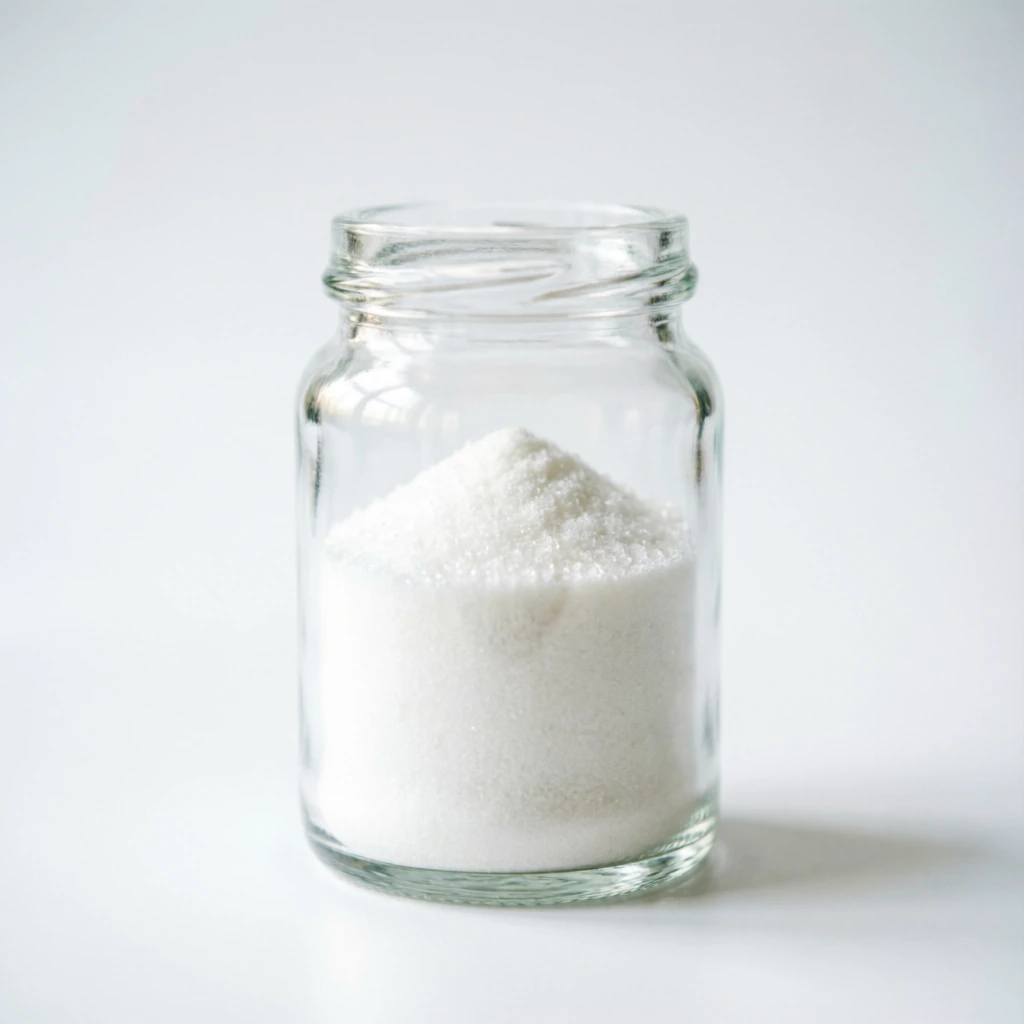
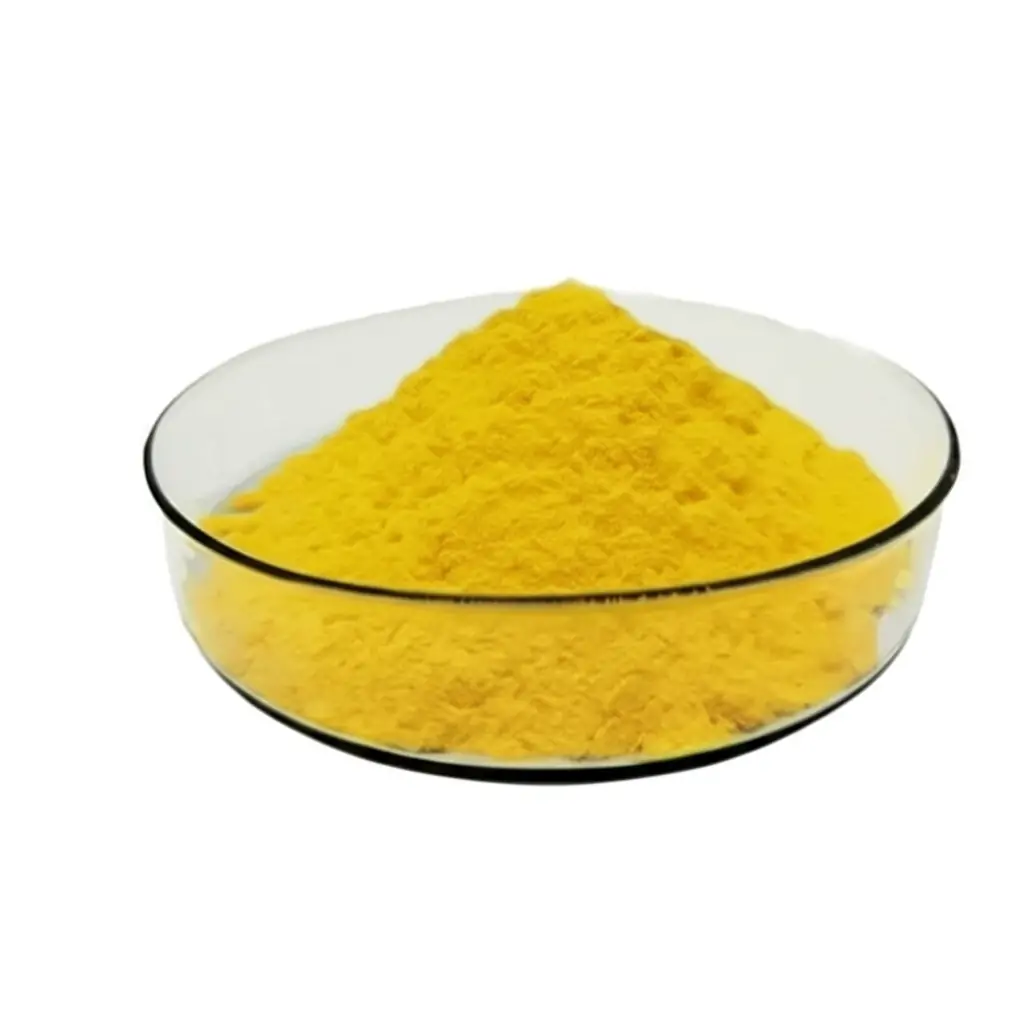
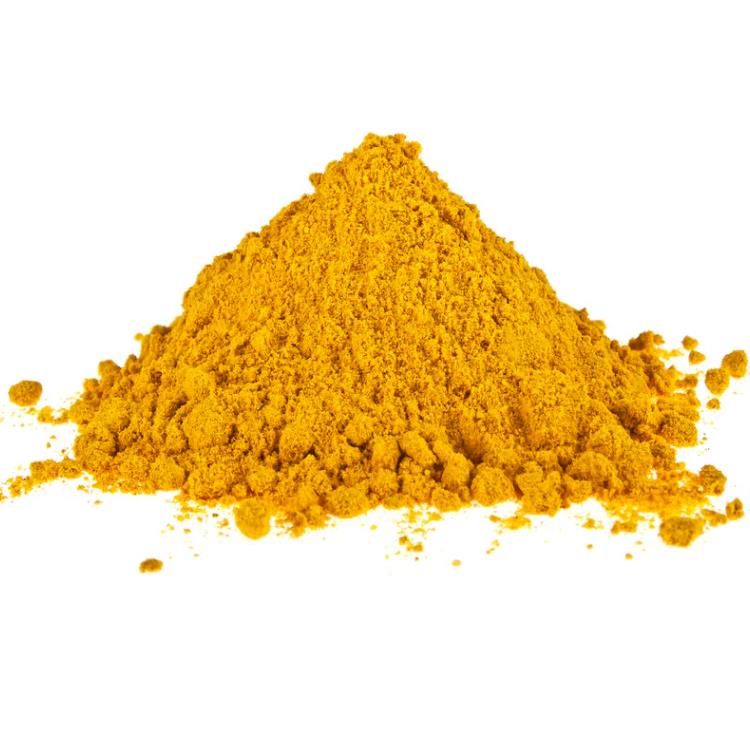
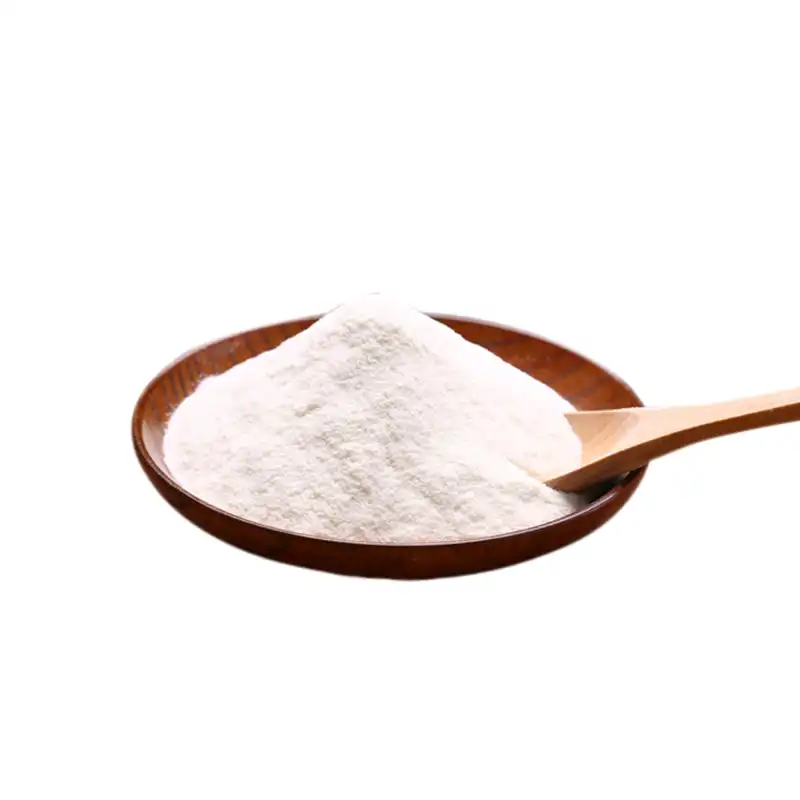
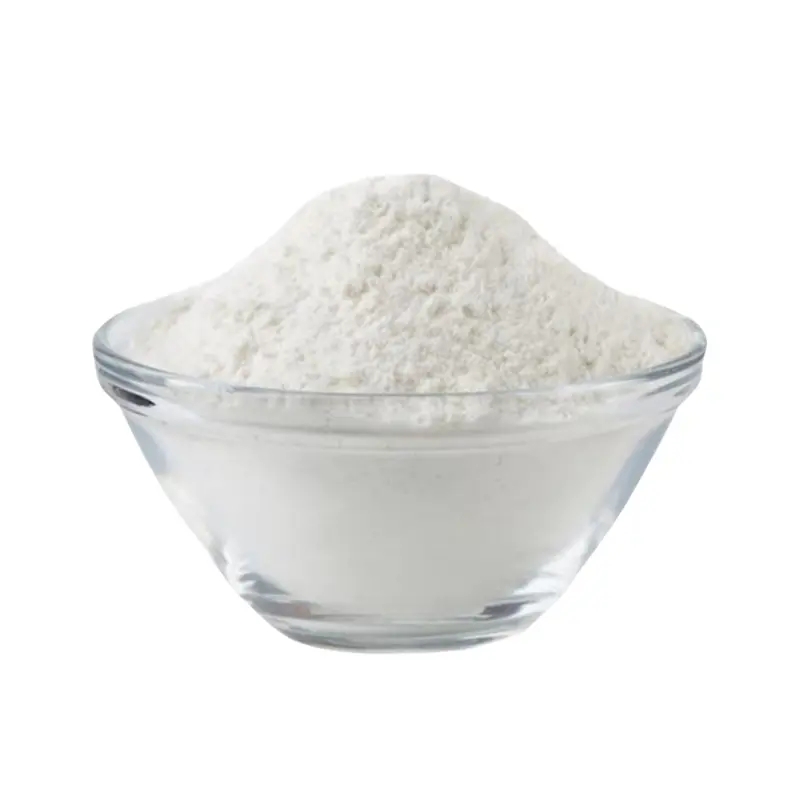
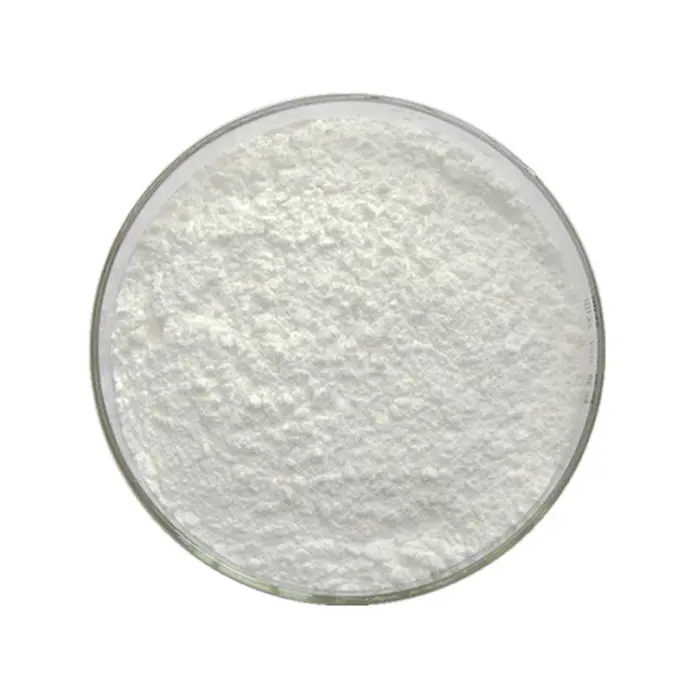
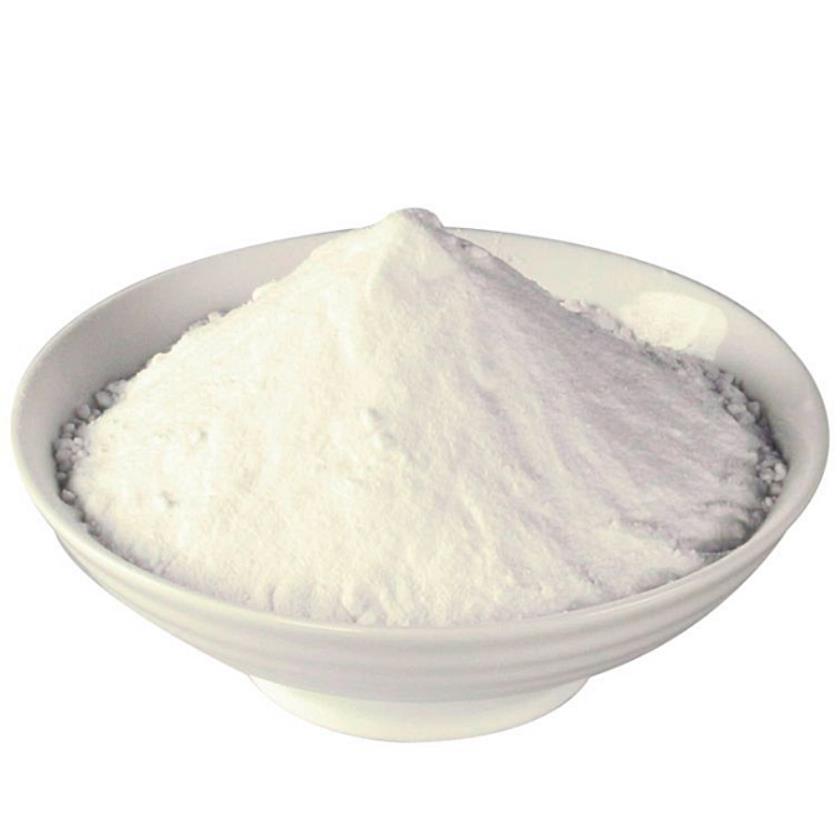
| Appearance | Off-white to light yellow fine powder |
| Heavy Metals | ≤10 ppm |
| Microbiological Limits | Total plate count ≤1000 CFU/g; yeast and mold ≤100 CFU/g; E. coli and Salmonella negative |
| Solvent Residues | Within pharmacopoeia limits (ethanol-based extraction) |
| Identification | Conforms by IR and HPLC comparison to reference standard |
| Assay | 98.0%-101.0% |
| Storage | Sealed, cool, dry, protected from light |
| Packaging | 25 kg fiber drum with double inner plastic liner, or custom packaging |
| Quality Standards | USP/EP/In-house specification, GMP-manufactured |
B2B Decision Support
COA Evaluation
Every shipment of HTP5 bulk should include a certificate of analysis covering purity, heavy metals, and microbiological testing. Buyers should compare COA data against their own internal specification before approval.
Supplier Verification
Procurement teams should confirm manufacturing licenses, GMP certification, and facility audit history. Requesting sample lots for independent lab testing is a standard risk-reduction step before committing to volume orders.
Risk Reduction
Diversifying across two qualified suppliers can reduce exposure to single-source disruptions. Long-term supply agreements with defined pricing tiers also help stabilize budget forecasting.
Supply Chain Stability
Manufacturers with integrated extraction, purification, and quality control capacity tend to offer more stable HTP5 powder supply, reducing the likelihood of lead-time extensions during raw seed shortages.
FAQ
What is HTP5 used for?
HTP5 is primarily used in supplements supporting mood balance, sleep, and appetite management.
Is HTP5 the same as 5-HTP found in over-the-counter supplements?
Yes, HTP5 and 5-HTP refer to the same compound, 5-Hydroxytryptophan, used interchangeably in industry terminology.
What is a typical minimum order quantity for HTP5 raw material?
MOQ varies by supplier but often starts around 1-25 kg for initial trial orders, with larger volumes available for production-scale purchasing.
How is HTP5 powder typically packaged for export?
HTP5 is commonly packaged in 25 kg fiber drums with double inner liners, though custom packaging can be arranged.
What certifications should an HTP5 manufacturer hold?
Buyers should look for GMP, ISO 9001, and ISO 22000 certification, along with third-party testing capability.
Does lower price always indicate lower quality?
Not necessarily, but buyers should verify COA data and supplier certification rather than relying on price alone as a quality indicator.
Why Partner With Gothink Biology
Gothink Biology is a GMP-certified contract manufacturer offering functional ingredients wholesale, OEM/ODM, and private label services for global supplement brands. Our PhD-led R&D team develops over 2,000 customized formulations annually, supported by mass production capacity for consistent, scalable supply.
Our facilities and processes are certified to ISO 9001, ISO 22000, GMP, SGS, NSF, Halal, and Kosher standards, ensuring documented quality control across every batch. For brand owners, R&D teams, and procurement managers evaluating an HTP5 raw material supplier, Gothink Biology provides transparent sourcing, technical support, and reliable global supply.