

Abstract
Coenzymes are organic molecules that serve as essential helpers in enzymatic reactions, distinguishing them from inorganic cofactors. By definition, coenzymes consist of carbon-based structures, often derived from vitamins or dietary precursors, and participate directly in group or electron transfer. For companies sourcing supplement raw materials, this organic nature influences stability, bioavailability, and formulation strategies in metabolic support products. This article offers a neutral, evidence-based examination of whether coenzymes are organic, with practical insights for manufacturers evaluating Coenzyme ingredients, including CoQ10 powder and related options.
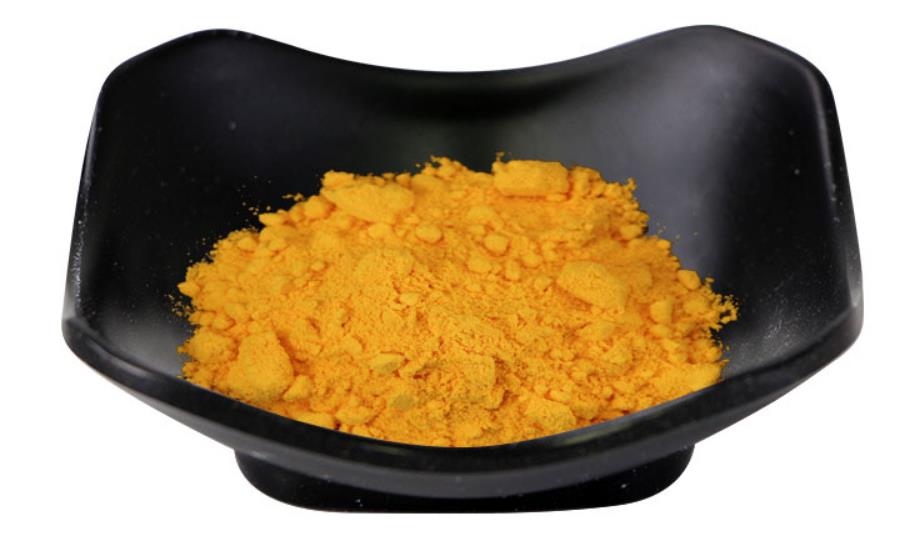
What Defines Coenzymes in Enzymatic Reactions?
Enzymes, primarily proteins, accelerate biochemical reactions but frequently require non-protein assistants to achieve full catalytic activity. These assistants, known as cofactors, fall into two broad categories: inorganic ions (such as metal ions) and organic molecules. Coenzymes specifically refer to the organic subset of cofactors. They are small, carbon-containing compounds that bind—often loosely—to the enzyme’s active site, enabling the transfer of chemical groups, electrons, or atoms during catalysis.
This organic composition allows coenzymes to undergo reversible chemical changes, after which they are typically regenerated in separate cellular reactions. Common examples include derivatives of B vitamins, such as NAD⁺/NADH and FAD/FADH₂. Understanding this foundational role helps procurement teams assess the functional value of supplement raw materials in energy and antioxidant formulations.
Are Coenzymes Organic Molecules?
Yes, coenzymes are organic by definition. They are complex organic molecules, typically with molecular weights under 1000 Da, containing carbon-hydrogen frameworks. Unlike inorganic cofactors (e.g., Mg²⁺, Zn²⁺, or Fe²⁺/³⁺), which provide structural or electrostatic support without being chemically transformed in most cases, coenzymes actively participate as transient carriers.
Biochemical literature consistently classifies coenzymes as organic cofactors, often vitamin-derived, that dissociate after the reaction and can be recycled. This contrasts with some tightly bound prosthetic groups, which may also be organic but remain permanently associated with the enzyme. The organic nature of coenzymes makes them particularly relevant for dietary supplementation, as many cannot be synthesized in sufficient quantities under certain physiological conditions.
Coenzymes vs. Inorganic Cofactors: Key Distinctions
While all coenzymes qualify as cofactors, not all cofactors are coenzymes. The primary difference lies in chemical composition and function:
- Inorganic cofactors: Metal ions or clusters that stabilize enzyme conformation or facilitate redox processes without carbon-based structures.
- Organic cofactors (coenzymes): Carbon-containing molecules that often act as co-substrates, donating or accepting functional groups (e.g., hydride ions, acetyl groups).
Coenzymes usually bind reversibly and are modified during catalysis, requiring regeneration pathways. This distinction matters when formulating multi-component supplements, where pairing organic Coenzyme actives with inorganic minerals can create synergistic effects but demands careful compatibility testing for stability and bioavailability.
Coenzyme Q10: A Prominent Organic Coenzyme Example
Coenzyme Q10 (ubiquinone/ubiquinol) serves as a clear illustration of an organic coenzyme. It is a fat-soluble, benzoquinone-based molecule with a long isoprenoid side chain, naturally synthesized in human cells yet also obtained through diet or supplementation. CoQ10 functions in the mitochondrial electron transport chain, shuttling electrons and acting as a lipid-soluble antioxidant that protects membranes from oxidative damage.
Its organic structure—rich in carbon and featuring a quinone moiety—enables reversible redox cycling between ubiquinone (oxidized) and ubiquinol (reduced) forms. For manufacturers, the organic properties of CoQ10 influence choices in coq10 raw material regarding solubility, oxidation sensitivity, and delivery systems (e.g., softgels or emulsions). Scientific evaluations confirm its dual bioenergetic and protective roles, though efficacy depends on dosage form and individual factors.
Practical Considerations for Sourcing Supplement Raw Materials
When developing products targeting metabolic health or cellular energy, manufacturers benefit from prioritizing high-purity organic Coenzyme ingredients. Key evaluation criteria include molecular integrity, purity levels, residual solvents, heavy metal content, and oxidative stability—especially for lipid-soluble examples like CoQ10.
Sourcing from a specialized coq10 Manufacturer ensures access to consistent coq10 powder, coq10 raw material, coq10 bulk, and coq10 wholesale quantities that meet GMP and regulatory standards. Similar scrutiny applies across other supplement raw materials, where verifying the organic character of coenzymes supports accurate label claims, shelf-life predictions, and supply-chain reliability. Data-driven sourcing reduces formulation risks and enhances overall product quality for B2B clients.
Article Summary
Coenzymes are indeed organic molecules, representing the carbon-based subset of cofactors that actively assist enzymes through reversible chemical participation. This organic nature sets them apart from inorganic metal ions and underscores their importance in nutritional science. For businesses in the supplement sector, recognizing these biochemical principles guides informed decisions on supplement raw materials selection, particularly when incorporating Coenzyme Q10 forms, leading to more robust and scientifically grounded product development.
FAQ
1. Are all coenzymes organic? Yes. Coenzymes are defined as organic, non-protein molecules, typically derived from vitamins, that function as cofactors in enzymatic reactions.
2. How do organic coenzymes differ from inorganic cofactors? Organic coenzymes participate directly in group or electron transfer and can be regenerated, while inorganic cofactors (metal ions) generally provide structural or catalytic support without being chemically altered in the same way.
3. Is Coenzyme Q10 considered an organic coenzyme? Yes. CoQ10 is a lipid-soluble organic molecule with a benzoquinone structure that acts as an electron carrier and antioxidant in mitochondria.
4. Why is the organic nature of coenzymes relevant to supplement formulation? It affects solubility, stability, bioavailability, and interaction with other ingredients. Organic coenzymes like CoQ10 often require specific delivery systems to maintain efficacy in finished products.
5. What quality attributes should manufacturers check in coq10 raw material? Prioritize purity (>98%), oxidation state (ubiquinone vs. ubiquinol), particle characteristics, and third-party testing for contaminants to ensure batch consistency.
6. Can coenzymes be produced synthetically for use in supplement raw materials? Many coenzymes, including CoQ10, are manufactured via fermentation or chemical synthesis processes that yield high-purity organic forms suitable for large-scale supplementation.
7. How does this topic influence broader sourcing strategies for supplement raw materials? Differentiating organic coenzymes from inorganic cofactors helps optimize synergistic blends, stability profiles, and evidence-based positioning in metabolic and antioxidant product lines.
About Our Company
We are a dedicated Coenzyme powder raw material manufacturer focused on delivering premium ingredients to the global nutraceutical supply chain. Our offerings include high-purity coq10 powder, versatile coq10 raw material specifications, and bulk supply options such as coq10 bulk and coq10 wholesale. Beyond CoQ10, we provide a comprehensive selection of other Coenzyme and supplement raw materials engineered for quality, stability, and compliance.
Backed by extensive manufacturing experience, ISO/GMP certifications, and responsive technical support, we serve supplement brands seeking dependable partners. Discover our full range and request detailed specifications through our supplement raw materials portal. We invite manufacturers and distributors to connect for tailored solutions.