


Core Overview
N-Acetylneuraminic Acid (NANA) is a nine-carbon monosaccharide and the most prevalent member of the sialic acid family, serving as a critical structural component in cell membrane glycoproteins and gangliosides. Supplement brands are increasingly evaluating NANA for cognitive health, immune modulation, and anti-aging formulations, driven by a growing body of preclinical evidence linking sialic acid levels to neural development and immune cell signaling. As a key entry in the supplement raw materials portfolio, NANA is produced through enzymatic synthesis, microbial fermentation, or chemical routes, with each method yielding distinct purity profiles, residual solvent risks, and cost structures that directly impact finished-product compliance.
NANA raw material sourcing requires close attention to production methodology because the synthesis pathway determines heavy metal exposure risk, residual enzyme or solvent content, and batch-to-batch consistency. Procurement teams that treat NANA as a commodity ingredient risk specifying a grade unsuitable for their target market’s regulatory framework, particularly in the EU where novel food considerations may apply.
Chemical and Biological Background
N-Acetylneuraminic Acid carries the CAS number 131-48-6 and has a molecular formula of C11H19NO9 with a molecular weight of 309.27 g/mol. The molecule belongs to the neuraminic acid derivative class, characterized by a nine-carbon backbone with an N-acetyl group at the C-5 position and a carboxyl group at C-1. This structural configuration enables NANA to form alpha-2,3, alpha-2,6, and alpha-2,8 glycosidic linkages with underlying galactose or N-acetylgalactosamine residues on glycoconjugates.
In human biology, NANA is synthesized endogenously through the GlcNAc-6-P to ManNAc-6-P to ManNAc to Neu5Ac pathway in the cytosol, with a reported endogenous production rate of approximately 400 to 600 mg per day in adults. Dietary sialic acid supplementation becomes relevant when endogenous synthesis is insufficient to meet the demands of rapidly turning-over glycoconjugate pools, such as in early neurodevelopment, aging populations, or individuals with metabolic stress. NANA is also the precursor to other sialic acid variants including N-glycolylneuraminic acid (Neu5Gc), though humans lack the functional CMAH enzyme to perform this conversion.
The primary dietary sources of NANA are breast milk (containing 1,200 to 1,500 mg/L in early lactation), egg yolk (approximately 0.3% dry weight), and whey protein isolates. Extraction from these natural sources is commercially impractical at scale, which is why virtually all NANA bulk material available to supplement brands is produced through controlled synthesis rather than isolation.
Market Applications and Demand Signals
The supplement raw materials market for NANA is concentrated in three application categories: infant nutrition (as a human milk oligosaccharide analog), cognitive health formulations targeting middle-aged and elderly consumers, and immune-support blends. Infant formula manufacturers represent the highest-volume segment, where NANA serves as a standalone sialic acid fortificant or as a substrate for enzymatic synthesis of more complex HMOs such as 3′-sialyllactose and 6′-sialyllactose.
Cognitive health applications position NANA Powder as a nootropic ingredient, with brands typically formulating 50 to 200 mg per serving based on extrapolation from animal studies demonstrating improved memory consolidation and synaptic plasticity at oral doses of 50 to 150 mg/kg body weight. The immune modulation segment, while smaller, is growing as in vitro data shows NANA can inhibit viral hemagglutination by competing for sialic acid binding sites on host cell surfaces.
Market demand for NANA bulk material has increased by an estimated 15 to 25% annually since 2021, driven primarily by expansion in the Asia-Pacific infant formula sector and the entry of US and EU nootropic brands. This demand growth has attracted new NANA manufacturers, particularly in China, widening the supplier pool but also introducing variability in quality standards and production transparency.
Quality Differentiators: What Separates Grades
The single most important quality differentiator for N-Acetylneuraminic Acid is the production method. Enzymatic synthesis using N-acetylmannosamine (ManNAc) as a substrate and a sialic acid aldolase catalyst typically yields material with the highest purity and lowest impurity burden, but carries a higher per-kilogram cost compared to chemical synthesis. Chemically synthesized NANA raw material may contain trace levels of residual organic solvents such as methanol, acetonitrile, or pyridine, which must be rigorously quantified against ICH Q3C limits for dietary supplement applications.
Microbial fermentation using engineered Escherichia coli or Corynebacterium glutamicum strains is emerging as a cost-competitive third route, though buyers must evaluate the risk of endotoxin carryover and host-cell protein residues. Fermentation-derived NANA raw material typically requires additional downstream purification steps, including ion-exchange chromatography and crystallization, to achieve purity levels comparable to enzymatic routes.
Purity grade for NANA is commonly expressed as HPLC assay percentage. Pharmaceutical-grade material typically specifies a minimum assay of 98.0%, while food-grade NANA may be accepted at 95.0% or above depending on the target market. The difference between these grades is not merely a label distinction, as lower-purity material may contain elevated levels of N-acetylmannosamine, pyruvic acid, or other pathway intermediates that affect both efficacy and regulatory acceptance in certain jurisdictions.
Key Specification Parameters
The following table presents the core specification parameters that procurement and QA teams should request on every NANA raw material Certificate of Analysis. These parameters are specific to NANA’s chemical profile and production risks.
| Parameter | Specification | Test Method |
|---|---|---|
| CAS Number | 131-48-6 | N/A (chemical identifier) |
| Molecular Formula | C11H19NO9 | N/A (chemical identifier) |
| Molecular Weight | 309.27 g/mol | N/A (chemical identifier) |
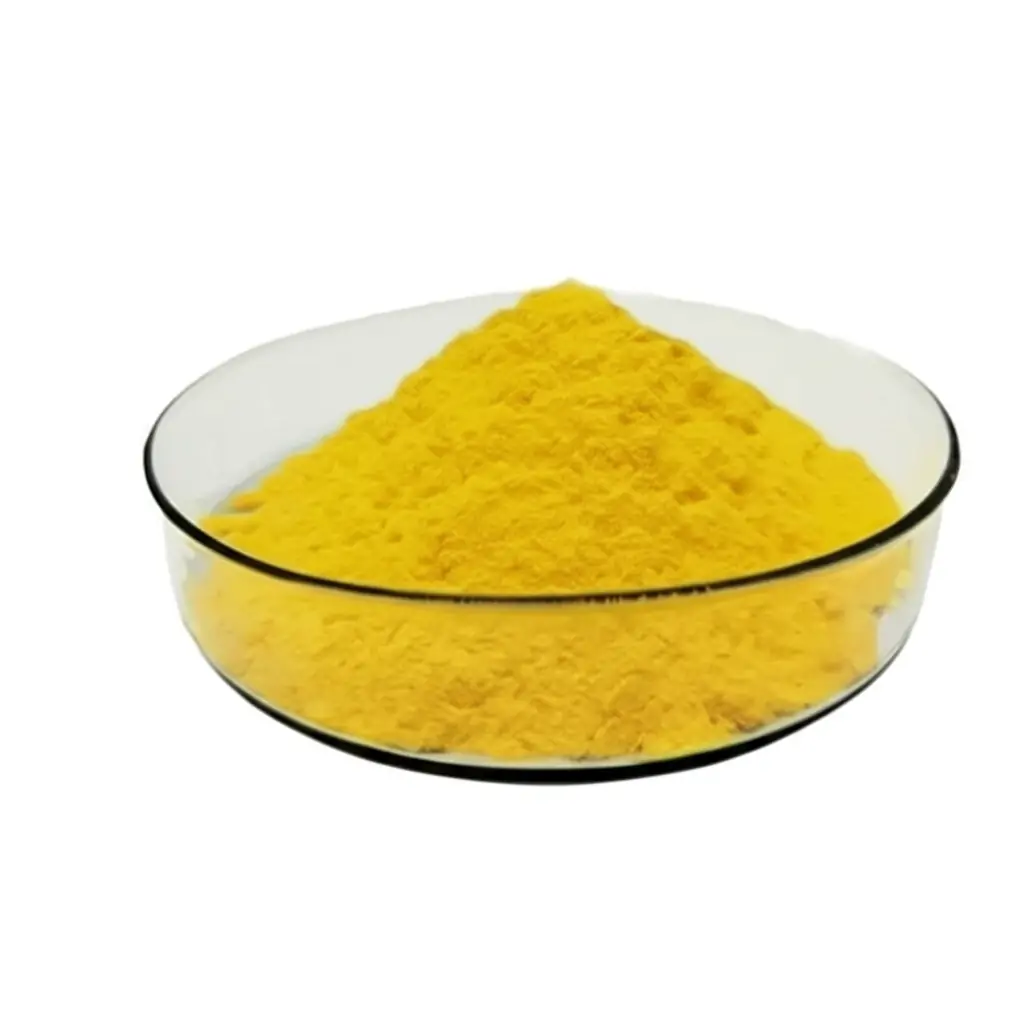
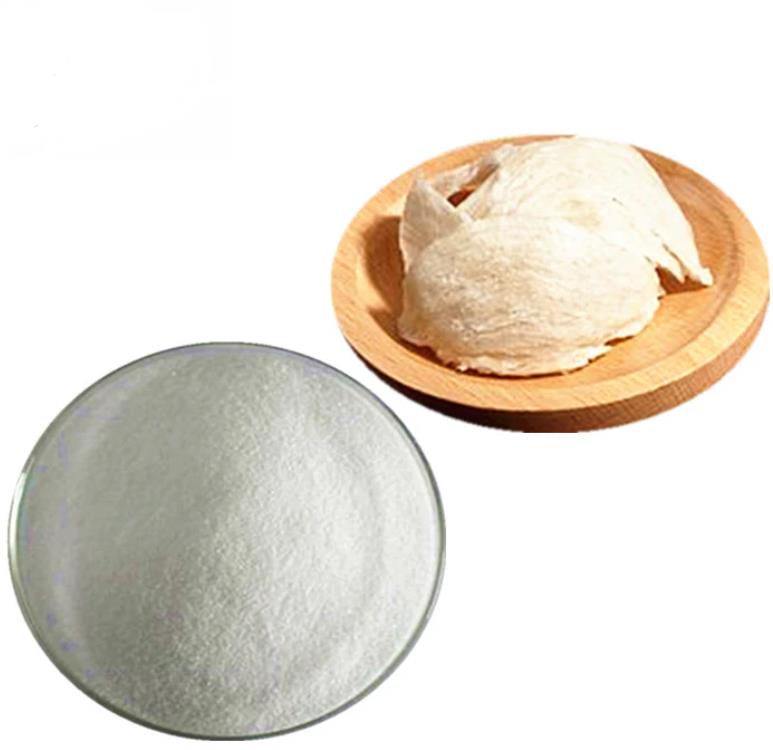
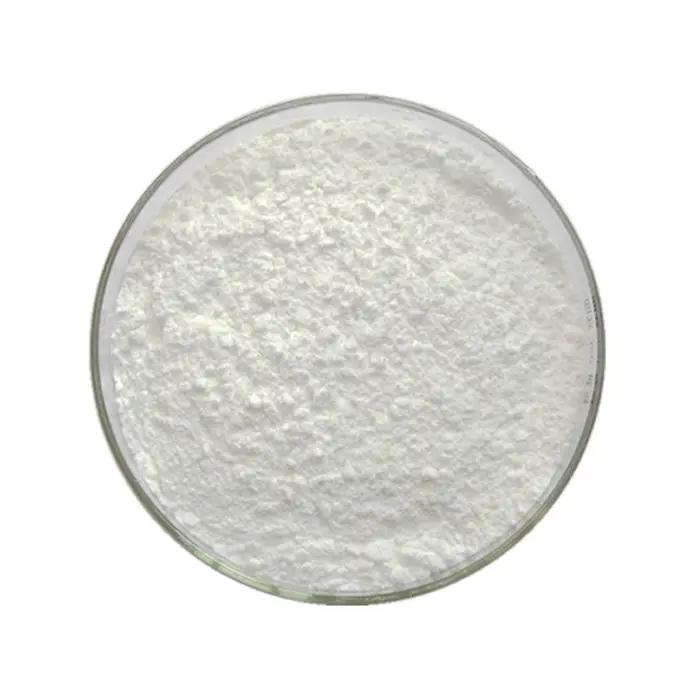
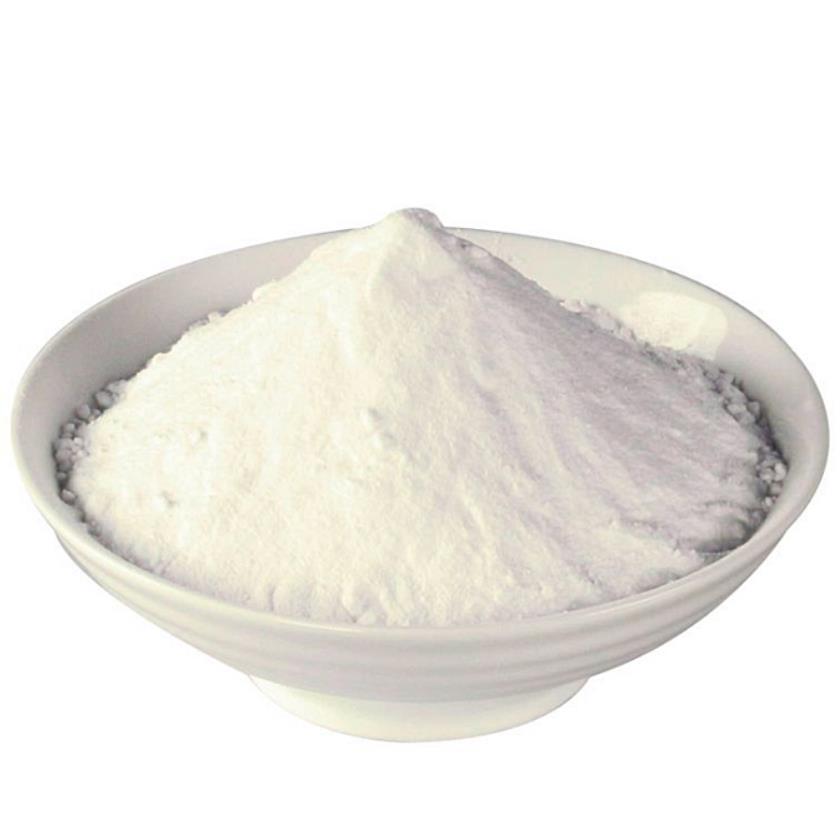
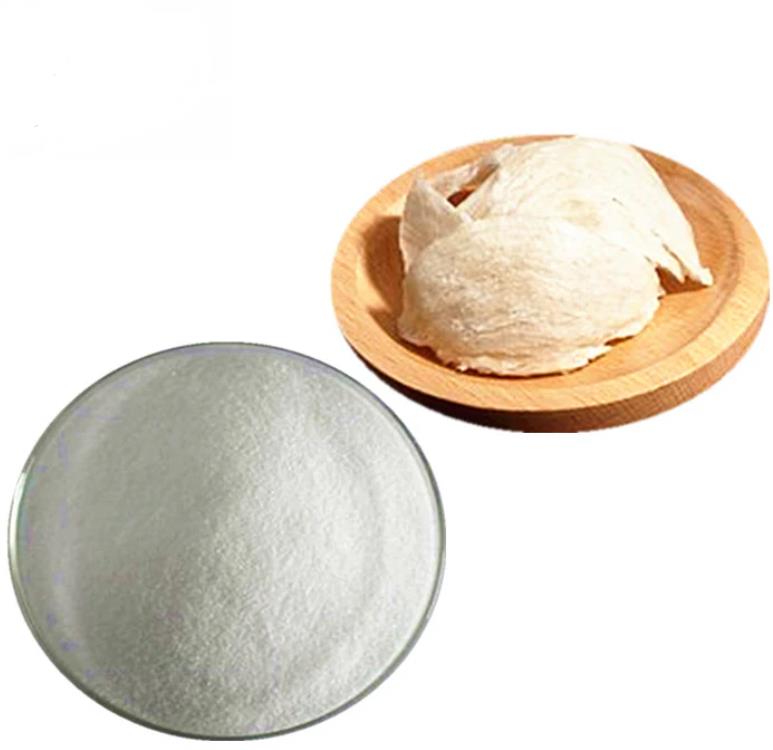
| Appearance | White to off-white crystalline powder | Visual |
| Assay (HPLC) | Per COA | HPLC (RID or UV at 210 nm) |
| Loss on Drying | Per COA | Karl Fischer titration |
| Residual Solvents | Per COA (ICH Q3C limits) | GC-MS / Headspace GC |
| Heavy Metals (Pb, As, Cd, Hg) | Per COA | ICP-MS |
| Microbiological (Total Plate Count) | Per COA | Plate count method |
| Related Substances (ManNAc, Pyruvic Acid) | Per COA | HPLC |
Procurement teams should note that the “Related Substances” line is uniquely important for NANA. The presence of residual N-acetylmannosamine (the direct synthetic precursor) above 1.0 to 2.0% can indicate incomplete enzymatic conversion or insufficient purification, and some regulatory bodies may flag this as an undeclared impurity in finished products.
Sourcing Considerations: MOQ, Lead Time, and Supplier Landscape
The global NANA manufacturer base is concentrated in China, with a smaller number of producers in Japan and South Korea. Chinese suppliers, including Shenzhen Gothink Biology Technology Co., Ltd. as a listed provider of N-Acetylneuraminic Acid within their saccharide derivatives product line, typically offer minimum order quantities ranging from 1 kg for sample evaluation to 20 to 50 kg for commercial orders. Lead times for NANA bulk orders from Chinese manufacturers generally range from 15 to 30 business days depending on order volume and current production scheduling.
When evaluating a NANA manufacturer, the production capacity and R&D infrastructure are practical indicators of supply reliability. Facilities operating with 100,000-class cleanroom environments and pharma-grade R&D laboratories, as maintained by certain Chinese manufacturers including Gothink Biology, provide a measurable quality assurance advantage over operations lacking controlled-environment production. The distinction matters because NANA’s hygroscopic nature makes it susceptible to moisture absorption during open-air handling, which can degrade assay values and introduce microbial contamination if environmental controls are insufficient.
Pricing for NANA Powder varies significantly by grade and production method. Enzymatically synthesized, 98%+ purity material from established manufacturers typically commands $800 to $1,500 per kilogram at commercial volumes, while chemically synthesized material at 95% purity may fall in the $400 to $800 per kilogram range. Buyers should request pricing that clearly states the synthesis method, purity grade, and included certifications, as these three variables account for the majority of cost variance in the market.
Supply chain risk for NANA raw material is moderate. The ingredient is not subject to the same supply volatility as botanical extracts tied to agricultural harvests, but the relatively small number of qualified producers means that a single facility shutdown can tighten market availability. Diversifying across at least two qualified NANA manufacturers is a prudent procurement strategy for brands with annual usage exceeding 100 kg.
Regulatory Status by Market
In China, N-Acetylneuraminic Acid is included in the Catalog of Raw Materials for Food Additives and has been used in infant formula formulations under relevant GB standards. Chinese supplement brands can reference this existing regulatory precedent when filing product registrations that include NANA as a functional ingredient.
In the European Union, NANA’s regulatory pathway is less straightforward. As a synthesized carbohydrate not consumed as a food in the EU to a significant degree prior to May 1997, it may be classified as a novel food under Regulation (EU) 2015/2283. Brands targeting the EU market should confirm whether their intended NANA manufacturer has obtained a novel food authorization or whether the ingredient falls under an existing approval scope before committing to formulation development.
In the United States, NANA does not currently hold a published GRAS (Generally Recognized As Safe) determination from FDA for use in conventional foods or dietary supplements. Some NANA manufacturers have conducted independent GRAS panels, and brands should request the GRAS conclusion letter and supporting toxicology dossier from any NANA supplier claiming GRAS status. Self-affirmed GRAS without a published FDA notice carries regulatory risk that QC and regulatory affairs teams must evaluate against their own risk tolerance.
Frequently Asked Questions
What is the typical shelf life of NANA Powder?
NANA Powder typically has a shelf life of 24 months when stored in sealed, moisture-proof packaging at or below 25°C. Exposure to humidity above 60% RH can accelerate degradation and reduce assay values.
Can NANA be used in gummy formulations?
NANA is water-soluble and stable at the temperatures used in standard gummy processing (typically 70 to 85°C), making it compatible with gummy delivery formats. However, the acidic pH of many gummy matrices (pH 3.0 to 4.0) should be evaluated for long-term stability effects on NANA integrity.
What certifications should a NANA manufacturer hold?
Minimum expected certifications include ISO 9001, ISO 22000 or FSSC 22000, and GMP. Additional certifications such as HALAL, KOSHER, and BRC provide broader market access and signal robust quality management systems.
How does NANA differ from other sialic acid ingredients like 2′-FL or 3′-SL?
NANA is a monosaccharide building block, while 2′-fucosyllactose (2′-FL) and 3′-sialyllactose (3′-SL) are trisaccharide HMOs that contain NANA as a structural component. NANA serves as either a standalone ingredient or a substrate for synthesizing more complex sialylated oligosaccharides.
What is the minimum order quantity for NANA bulk purchase?
MOQ varies by supplier but typically ranges from 1 kg for laboratory samples to 20 to 50 kg for commercial bulk orders. Some manufacturers offer flexible MOQs for brands in initial product development phases.
This article is provided by Gothink Biology, a dietary supplement manufacturer and raw material supplier based in Shenzhen, China.
Shenzhen Gothink Biology Technology Co., Ltd. offers OEM, ODM, CMO, and CDMO services with a GMP-certified 100,000-class cleanroom facility producing 16 tons daily. Certifications include ISO9001, ISO22000, HACCP, FDA, HALAL, GMP, KOSHER, BRC, FSSC 22000, PJPH, and Vegan. The R&D team, led by scientists with postdoctoral experience at Cold Spring Harbor Laboratory and Emory University, develops 2,000+ formulations annually across gummy, capsule, tablet, powder, liquid, and drop formats.
For more information, visit https://gttsynbio.com/ or contact our technical team.