


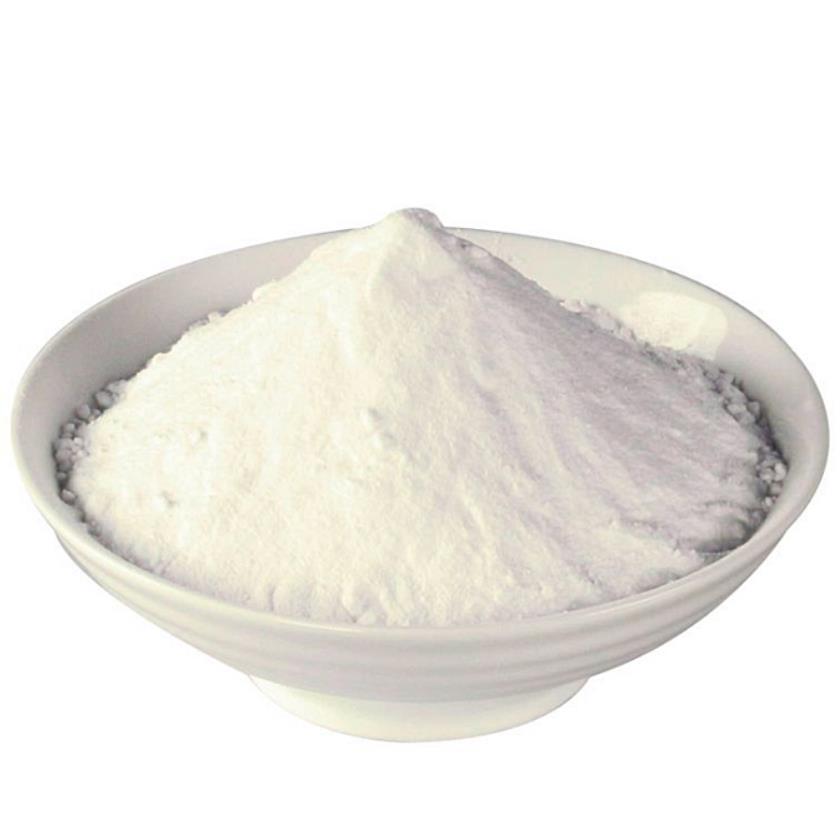
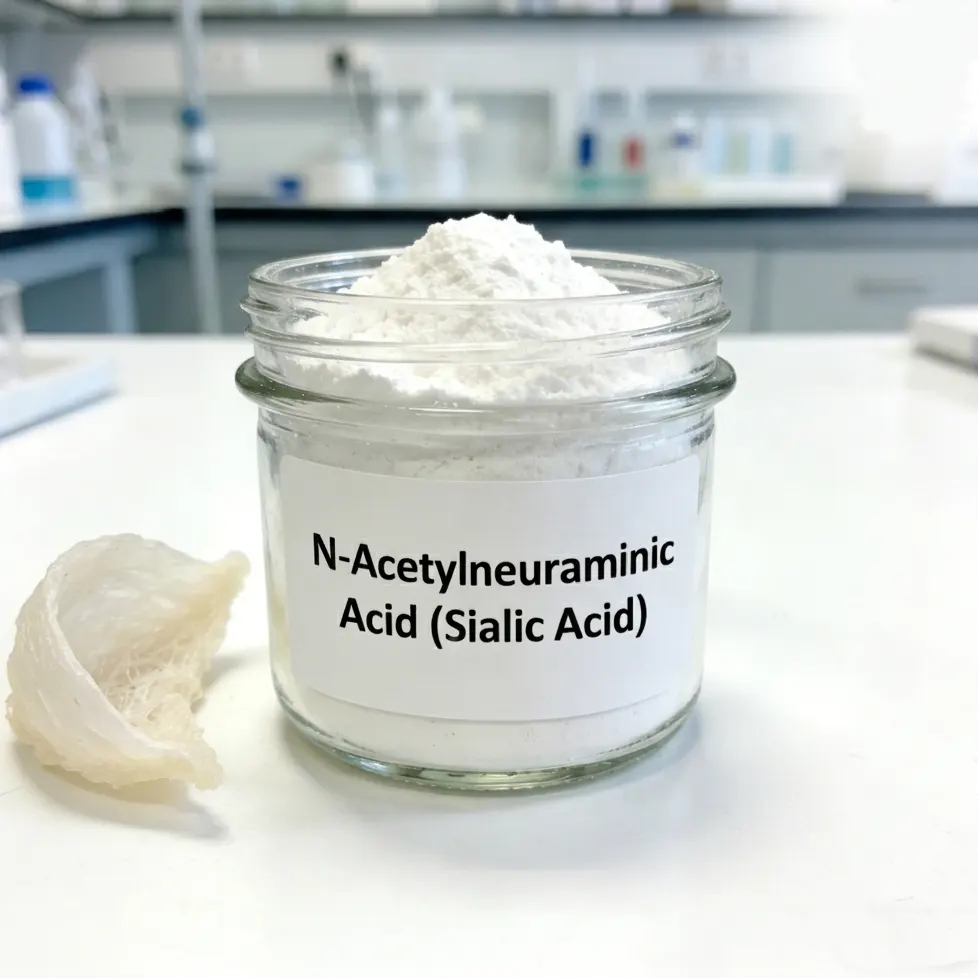
Identifying a qualified N-Acetylneuraminic Acid supplier requires evaluating production methodology, batch-to-batch purity consistency, and regulatory documentation depth — not simply comparing unit prices. N-Acetylneuraminic Acid (CAS 131-48-6) is a nine-carbon monosaccharide classified as a sialic acid, with molecular formula C11H19NO9 and a molecular weight of 309.27 g/mol. As demand for this ingredient grows across cognitive health, infant nutrition, and immune support categories — placing it among the more closely watched supplement raw materials in current procurement planning — teams must apply supplier vetting frameworks specific to this complex saccharide derivative.
What Distinguishes a Reliable NANA Supplier
A dependable N-Acetylneuraminic Acid manufacturer demonstrates control over the entire production chain — from strain selection or starting material sourcing through final purification. Unlike commodity vitamins, NANA Powder requires multi-step synthesis or fermentation, and each step introduces a distinct impurity profile. Suppliers who outsource intermediate steps typically cannot provide complete impurity characterization or consistent heavy metal control. The most transparent manufacturers document every production stage and can furnish process flow diagrams upon request.
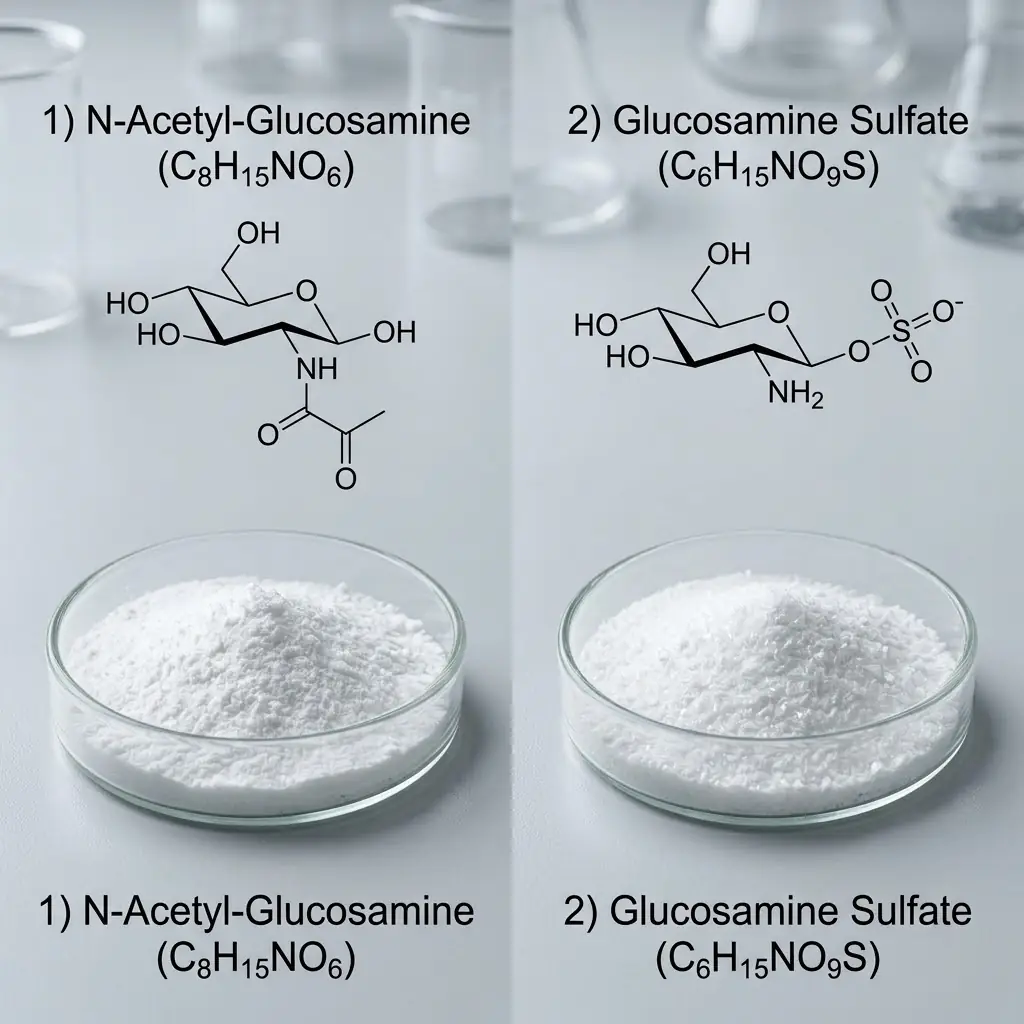
Production method directly determines the impurity profile and cost structure of NANA bulk material. The three commercial routes — chemical synthesis from N-acetyl-D-glucosamine, enzymatic conversion using N-acetylneuraminate lyase, and microbial fermentation using engineered strains — each yield different residual byproducts. Fermentation-derived NANA may carry host cell protein or endotoxin concerns, while chemically synthesized material risks residual solvent contamination. A qualified supplier will disclose the production route upfront and provide corresponding residual screening data.
Critical Quality Indicators for NANA Raw Material
Purity assessment for N-Acetylneuraminic Acid centers on HPLC assay methodology, with high-purity material for dietary supplement applications typically requiring a minimum assay of 98.0%. The HPLC method must specifically resolve NANA from structurally related analogs such as N-glycolylneuraminic acid (Neu5Gc, CAS 101105-01-5), which is undesirable in human supplements due to immunogenicity concerns. Suppliers who report purity without specifying the HPLC column, mobile phase, and detection wavelength are providing incomplete data. Procurement teams should request the full analytical method summary alongside each Certificate of Analysis.
Moisture content is a particularly sensitive parameter for NANA Powder because this compound is hygroscopic and can undergo degradation above 2–3% residual water. Elevated moisture accelerates Maillard-type reactions if the material is co-formulated with amino acids or proteins, reducing assay value during shelf life. Bulk density typically ranges from 0.3 to 0.6 g/mL depending on particle size distribution and crystallization conditions. Particle size directly influences flowability during capsule filling and tablet compression, making D90 and D50 values essential specification parameters for any NANA raw material evaluation.
Heavy metal limits for N-Acetylneuraminic Acid follow standard dietary supplement thresholds: lead below 1.0 ppm, arsenic below 1.0 ppm, cadmium below 0.1 ppm, and mercury below 0.1 ppm under ICP-MS testing protocols. Microbiological limits should specify total aerobic count below 1,000 CFU/g, yeast and mold below 100 CFU/g, and absence of Salmonella and E. coli in 25g test portions. Suppliers sourcing from fermentation processes must additionally provide endotoxin testing data, with acceptable limits typically set below 100 EU/g for oral supplement applications.
Certification Requirements Specific to NANA Ingredients
GMP certification represents the baseline manufacturing standard for any NANA raw material intended for dietary supplement use. ISO 22000 or FSSC 22000 certification adds food safety management system validation, which is particularly relevant for NANA used in infant formula or pediatric supplement applications. For suppliers serving the European market, compliance with EU food supplement directive requirements and appropriate Novel Food status confirmation are necessary. N-Acetylneuraminic Acid is not currently listed on the EU Novel Food Union list as a fully authorized ingredient, which creates regulatory complexity that only experienced exporters can navigate with proper documentation.
Halal and Kosher certifications are increasingly required for NANA bulk material, especially when the production route involves enzymatic conversion where enzyme origin — animal, microbial, or recombinant — must be documented. Vegan certification adds another layer of scrutiny for fermentation-derived NANA, requiring verification that no animal-derived nitrogen sources or growth factors were used in the fermentation media. Suppliers holding multiple concurrent certifications demonstrate systematic quality management rather than point-in-time compliance testing. For example, a NANA manufacturer maintaining ISO9001, ISO22000, GMP, HALAL, KOSHER, and BRC certifications simultaneously has invested in integrated food safety and quality architecture.
Supplier Audit Checklist for NANA Procurement
Facility audit for a N-Acetylneuraminic Acid manufacturer should verify cleanroom classification, with production areas ideally meeting 100,000-class or better to control particulate and microbial contamination during drying and packaging. Temperature and humidity monitoring logs for storage areas are critical, as NANA requires controlled conditions typically below 25°C and below 50% relative humidity. The audit should confirm that the supplier maintains segregated storage for quarantine, approved, and rejected material lots, with documented disposition procedures for each status category.
Analytical capability assessment must confirm in-house HPLC equipment with UV or RID detection suitable for saccharide analysis, plus ICP-MS or AAS for heavy metal screening. Suppliers who outsource all analytical testing to third-party labs introduce timeline risk and may lack the ability to perform rapid incoming material checks or in-process controls. The audit team should verify calibration records for all analytical instruments and request evidence of method validation per ICH Q2(R1) guidelines for the NANA-specific HPLC assay method.
Traceability system evaluation requires the supplier to demonstrate lot-level tracking from starting material through finished NANA Powder, including all intermediate processing steps. For fermentation-derived NANA, this includes strain bank records, seed lot history, and fermentation batch records linking to final purification lots. The traceability chain must be complete enough to support a recall within 24 hours, with electronic batch records preferred over paper-based systems for speed and accuracy during crisis response.
Red Flags in NANA Supplier Communication
Suppliers who cannot provide a detailed impurity profile beyond the standard COA parameters — appearance, assay, moisture, heavy metals, microbiology — are likely not performing adequate process monitoring. For N-Acetylneuraminic Acid, the absence of specific Neu5Gc quantification data is a significant red flag, as this related sialic acid can co-purify depending on the starting material and synthesis route. Requesting this data and receiving vague responses about “natural variations” indicates insufficient analytical capability specific to sialic acid chemistry.
Quotation structures that lack clear breakdown of purity grade, packaging specifications, and shelf life remaining at shipment suggest an immature quality management approach. Suppliers offering NANA bulk at prices that deviate significantly from market norms without explaining the cost basis — whether through scale advantages, production route differences, or purity grade distinctions — are likely cutting corners on purification or testing. Lead time estimates that vary by more than 20% between initial quote and purchase order confirmation indicate unstable production scheduling or reliance on spot-market intermediaries rather than in-house manufacturing.
Reluctance to provide third-party audit reports, customer reference contacts, or stability study data under confidentiality agreements signals quality system immaturity. Legitimate NANA manufacturers maintain ongoing stability programs with data at 6, 12, 18, and 24-month intervals under ICH-recommended conditions of 25°C/60% RH and 40°C/75% RH. Suppliers who claim shelf life stability without supporting accelerated and long-term stability data should be disqualified from further evaluation regardless of pricing competitiveness.
N-Acetylneuraminic Acid — Key Specification Reference
| Parameter | Specification |
|---|---|
| CAS Number | 131-48-6 |
| Molecular Formula | C11H19NO9 |
| Molecular Weight | 309.27 g/mol |
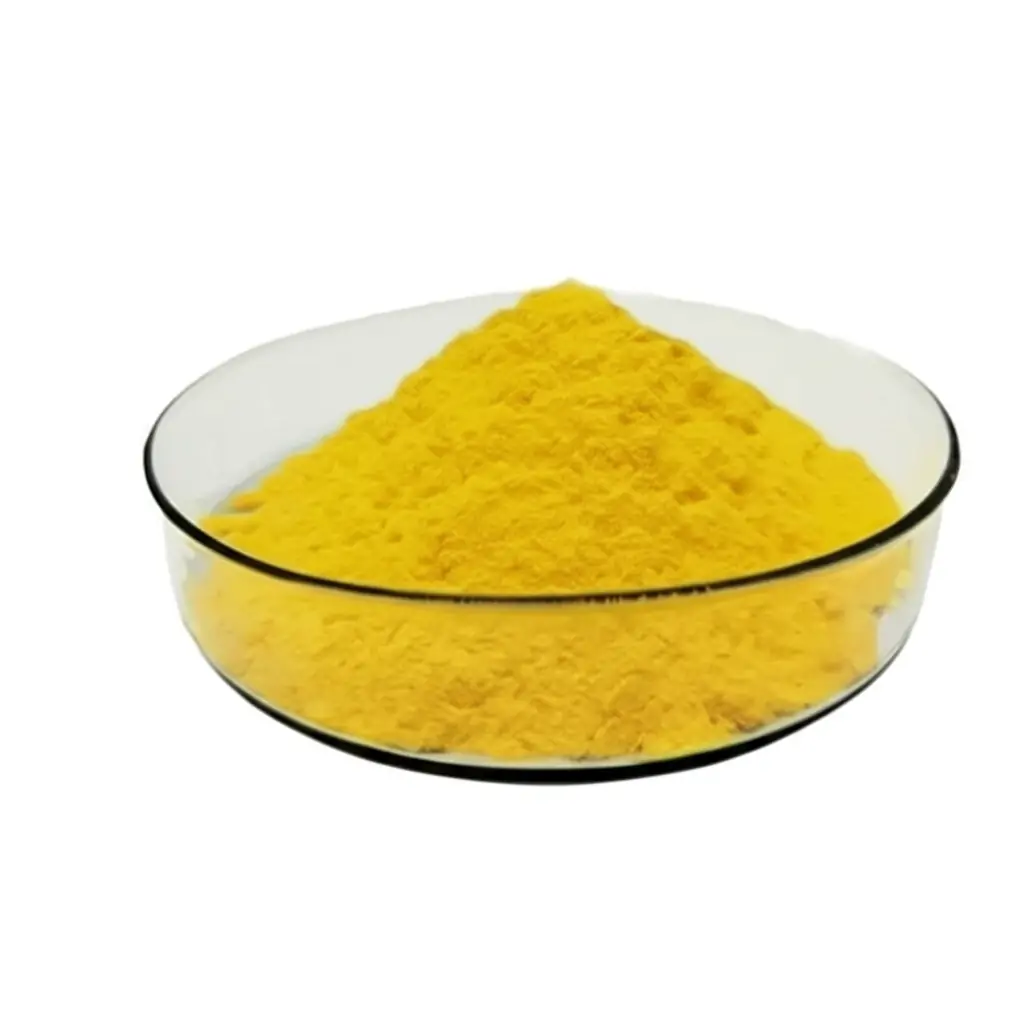
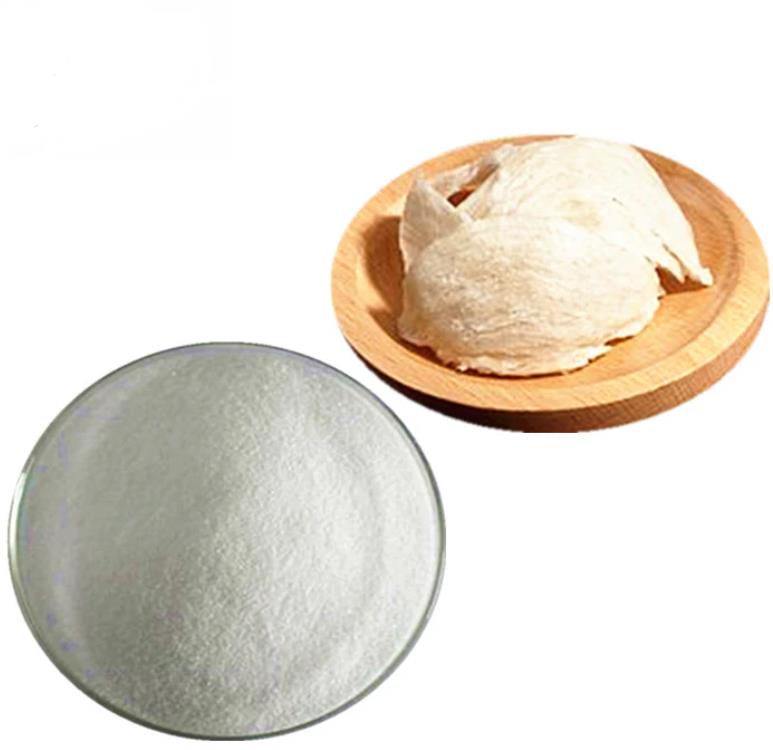
| Appearance | White to off-white crystalline powder |
| Assay (HPLC) | Per COA |
| Moisture Content | Per COA |
| Heavy Metals (Pb, As, Cd, Hg) | Per COA |
| Microbiological Limits | Per COA |
| Neu5Gc Residual | Per COA |
| Particle Size Distribution (D50/D90) | Per COA |
| Shelf Life | Per COA |
| Storage Conditions | Per COA |
The above reference parameters cover the minimum data set required for initial NANA raw material evaluation. Procurement teams should cross-reference each COA value against the supplier’s validated specification range, not merely against a generic industry standard. Discrepancies between the COA and the supplier’s filed specification document indicate documentation control failures that may extend to other quality systems.
Integrating Supplier Evaluation with Formulation Development
Selecting a NANA manufacturer with in-house formulation capability eliminates the handoff delays between raw material sourcing and finished product development, which typically account for 4 to 8 weeks in sequential procurement models. Manufacturers operating both raw material production and finished product lines under a single quality system remove the accountability gap that frequently arises when separate suppliers point to each other during out-of-specification investigations. For N-Acetylneuraminic Acid, this integration is particularly valuable because the ingredient’s hygroscopicity and stability profile require formulation expertise that pure raw material suppliers typically cannot provide.
Facilities producing over 2,000 new formulations annually across multiple delivery formats — including capsules, tablets, powders, gummies, and liquids — have likely encountered and solved the specific stability challenges associated with NANA in various matrix environments. Procurement teams should request formulation case studies demonstrating NANA compatibility with common co-ingredients such as probiotics, vitamin C, and omega-3 oils. A NANA manufacturer who cannot provide stability data for finished product formats beyond the raw material level is offering incomplete technical support for serious formulation programs.
Frequently Asked Questions
What is the minimum order quantity for N-Acetylneuraminic Acid from most manufacturers?
MOQ typically ranges from 1 to 25 kilograms for standard-grade NANA Powder, though some manufacturers offer flexible minimums for initial formulation trials.
How does the production method affect NANA pricing?
Fermentation-derived NANA generally commands lower unit costs at scale compared to enzymatic synthesis, while chemical synthesis pricing depends heavily on N-acetylglucosamine starting material costs and residual solvent removal complexity.
Is N-Acetylneuraminic Acid approved for use in dietary supplements in all major markets?
NANA is marketed as a dietary ingredient in the US under NDIN notification pathways, while EU classification requires Novel Food pre-market authorization that not all suppliers have completed.
What is the typical lead time for NANA bulk orders?
Standard lead times range from 15 to 45 days depending on order volume, purity grade, and whether the supplier holds finished inventory or produces to order.
Can NANA be co-formulated with probiotics in a single delivery format?
Co-formulation is feasible in powder and capsule formats with appropriate moisture barrier packaging, but the hygroscopic nature of NANA requires careful water activity control to maintain probiotic viability.
Technical Review by Cheney Chan, R&D & Technical Advisory Team, Nutrition Research Center
This article is provided by Gothink Biology, a dietary supplement manufacturer and raw material supplier based in Shenzhen, China.
Shenzhen Gothink Biology Technology Co., Ltd. offers OEM, ODM, CMO, and CDMO services with a GMP-certified 100,000-class cleanroom facility producing 16 tons daily. Certifications include ISO9001, ISO22000, HACCP, FDA, HALAL, GMP, KOSHER, BRC, FSSC 22000, PJPH, and Vegan. The R&D team, led by scientists with postdoctoral experience at Cold Spring Harbor Laboratory and Emory University, develops 2,000+ formulations annually across gummy, capsule, tablet, powder, liquid, and drop formats.
For more information, visit https://gttsynbio.com/ or contact our technical team.