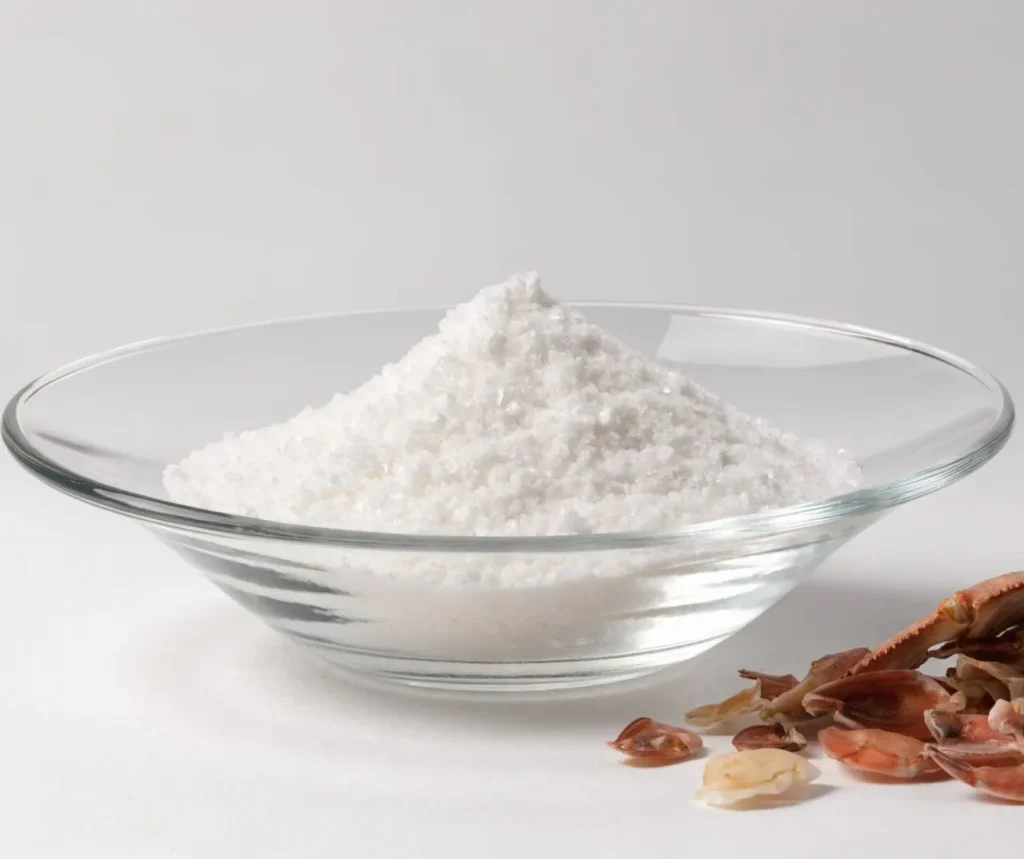



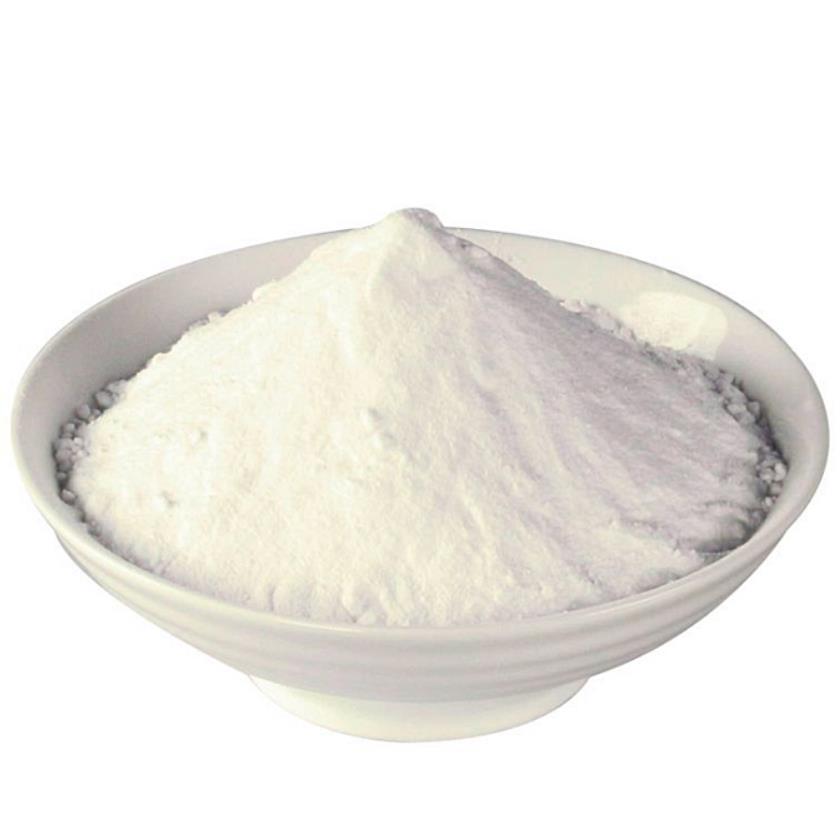
Glucosamine HCL is an amino sugar derivative produced through the hydrolysis of chitin, a structural polysaccharide found in crustacean shells, and serves as the foundational input for the majority of commercial joint health formulations worldwide. With a global market valuation exceeding USD 2 billion for glucosamine-based supplements, this compound remains the single most widely sourced ingredient in the joint support category. Procurement teams selecting Glucosamine HCL bulk material must evaluate purity, sourcing origin, and pharmacopoeial compliance to ensure finished-product efficacy and regulatory clearance.

Chemical and Biological Background
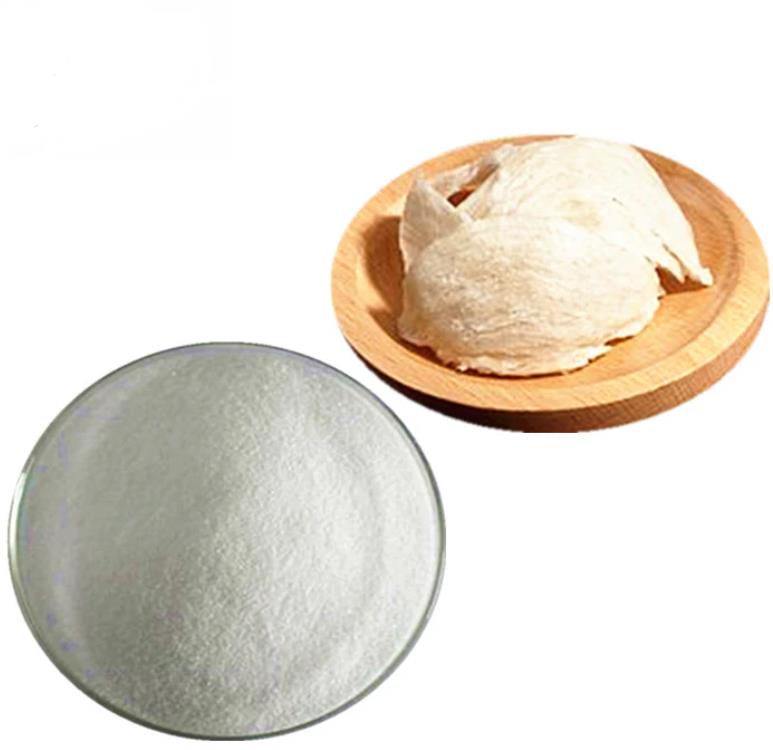
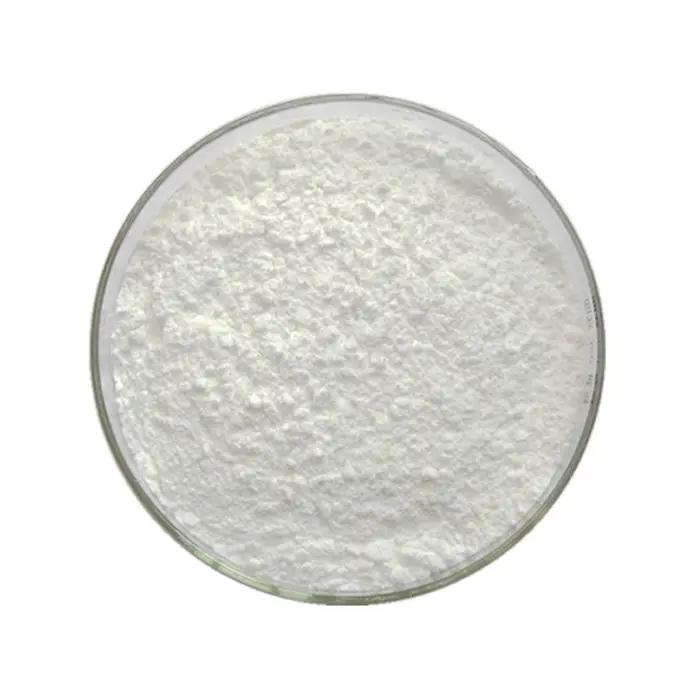
Glucosamine HCL carries the CAS number 66-84-2 and the molecular formula C6H13NO5·HCl, yielding a molecular weight of 215.63 g/mol. The compound exists as a white crystalline powder with high aqueous solubility, exceeding 500 g/L at 25°C, which directly influences its bioavailability in oral dosage forms.
Industrial production follows two primary pathways: acid hydrolysis of chitin from shrimp or crab shells, and microbial fermentation using Aspergillus or Penicillium strains. The fermentation route has gained traction since approximately 2015 because it eliminates crustacean allergen concerns and supports vegan-certified labeling, a growing requirement in the EU and North American markets.
Biologically, Glucosamine HCL functions as a biochemical precursor to glycosaminoglycans (GAGs) and proteoglycans, which are essential structural components of articular cartilage. Clinical meta-analyses, including a 2015 Cochrane review involving over 6,000 participants, have shown that glucosamine preparations demonstrate a statistically significant reduction in joint space narrowing compared to placebo over 2–3 year periods.
Market Applications and Demand Signals
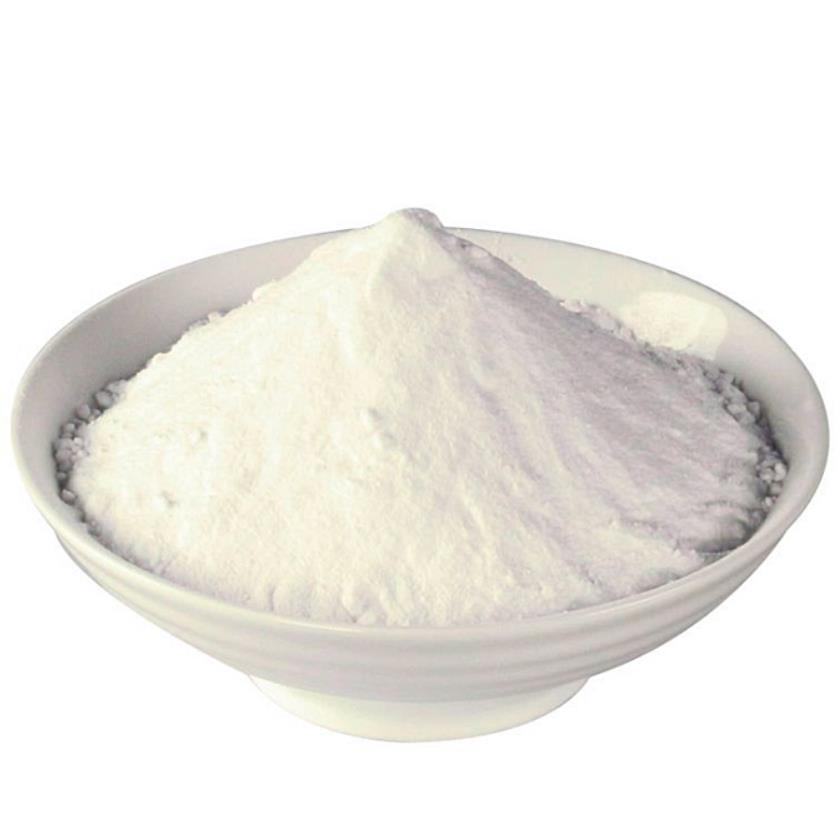
Glucosamine HCL raw material is formulated into tablets, capsules, powders, and functional beverages, with the tablet format accounting for an estimated 55% of global finished-product volume. The standard effective daily dose ranges from 1,200 mg to 1,500 mg, meaning a single 500 mg capsule requires three-unit daily dosing — a factor that directly drives bulk material consumption rates for procurement planning.
The ingredient is rarely formulated as a standalone agent. Combination products pairing Glucosamine HCL with chondroitin sulfate, methylsulfonylmethane (MSM), collagen peptides, or hyaluronic acid represent approximately 70% of new product launches in the joint health category, according to 2023 SPINS market data. This combination trend requires R&D teams to assess compatibility and stability when co-formulating Glucosamine HCL Powder with hygroscopic excipients or moisture-sensitive actives.
Regional demand distribution shows North America and Western Europe as the two largest consuming markets, collectively representing over 60% of global procurement volume for this ingredient. Emerging demand in Southeast Asia and Latin America is growing at an estimated 7–9% CAGR, driven by aging populations and increasing supplement penetration rates. Among all supplement raw materials traded internationally, Glucosamine HCL consistently ranks in the top 20 by volume.
Quality Differentiators: What Separates Pharmaceutical-Grade from Food-Grade
The primary quality distinction between pharmaceutical-grade and food-grade Glucosamine HCL lies in the assay range and impurity profiling. Pharmaceutical-grade material must meet a minimum assay of 98.0% on a dried basis per USP and EP monographs, while food-grade material may be accepted at 95.0% or above depending on the importing country’s regulations.
Chloride content is a critical differentiator specific to Glucosamine HCL. The USP monograph specifies a chloride range of 16.3%–16.7%, which serves as both a purity indicator and an identity confirmation parameter. Material falling outside this range suggests incomplete reaction during hydrochlorination or the presence of inorganic salt contaminants from incomplete purification.
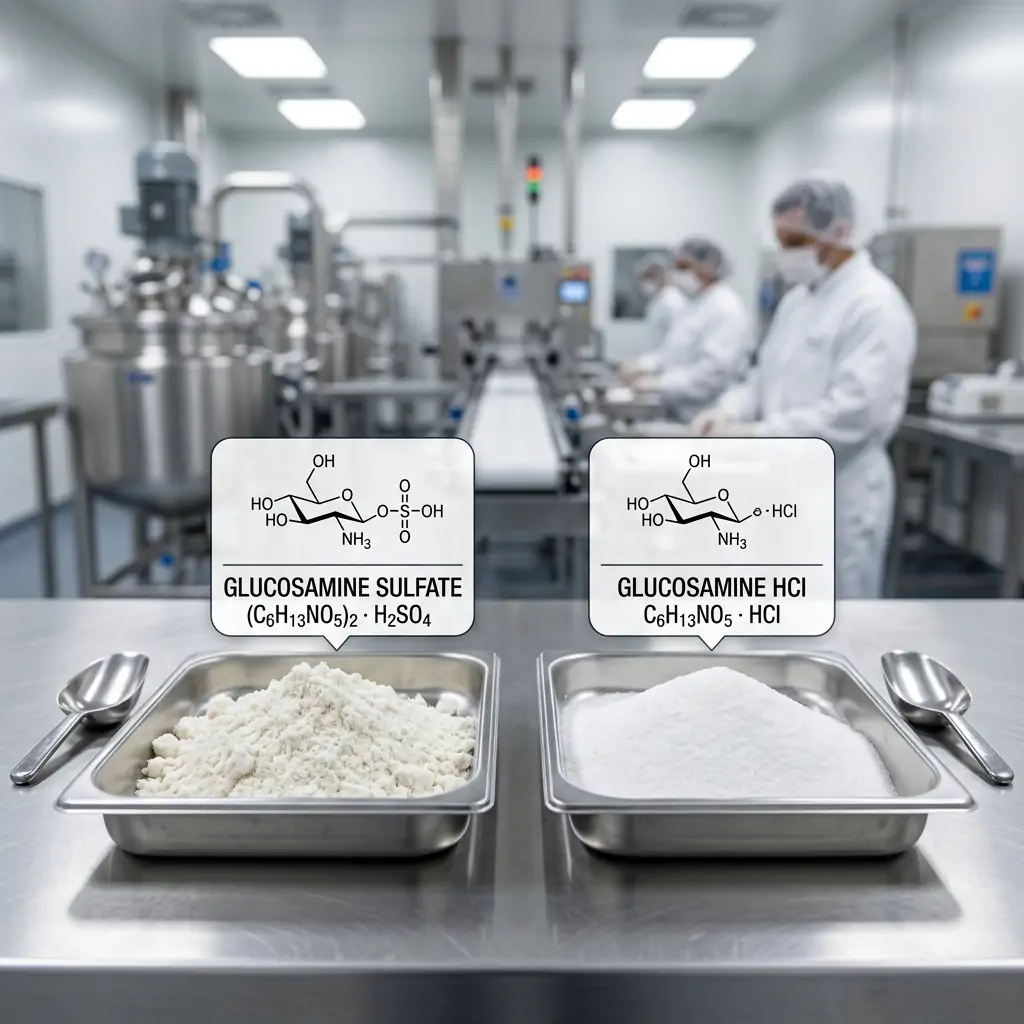
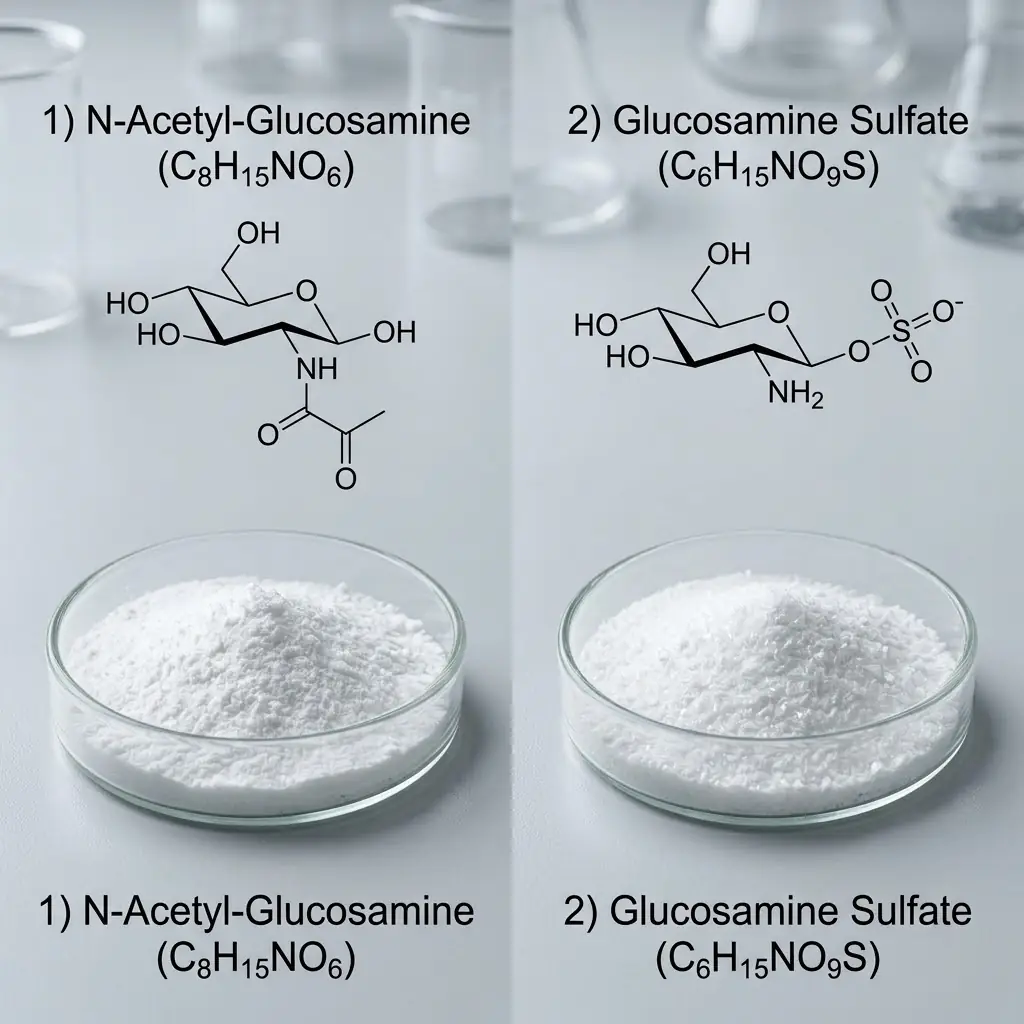
Sulfate contamination is another key marker. The USP sets a sulfate limit of not more than 0.24%, which distinguishes HCL-grade material from Glucosamine Sulfate and prevents cross-contamination in facilities processing both variants. Procurement specifications that fail to include sulfate testing risk receiving blended or mislabeled material.
Heavy metal profiles, particularly lead and arsenic, must align with current regulatory thresholds. Under California Proposition 65, lead content in dietary supplements carries a Maximum Allowable Dose Level (MADL) of 0.5 μg/day, which translates to extremely tight raw material limits given the 1,500 mg daily glucosamine dose. A qualified Glucosamine HCL manufacturer must demonstrate consistent heavy metal control through third-party ICP-MS testing on every production batch.
Key Quality Parameters and Testing Methods
Assay determination for Glucosamine HCL is typically performed via HPLC with refractive index detection (RID) or post-column derivatization using ortho-phthalaldehyde (OPA) fluorescence detection. The HPLC-OPA method offers a lower limit of quantification and is preferred by QC laboratories verifying material at or near the 98.0% assay threshold.
Specific rotation testing provides a rapid identity confirmation. The USP specifies a range of +70.0° to +73.0° for Glucosamine HCL in water, measured at 20°C. Deviations beyond this window indicate potential racemization, contamination with glucosamine epimers, or adulteration with non-chiral fillers.
Loss on drying (LOD) is measured gravimetrically at 105°C for 4 hours per USP methodology. The acceptance criterion is not more than 1.0%. Exceeding this limit suggests inadequate drying during manufacturing or moisture absorption during storage, both of which can accelerate degradation reactions and reduce shelf life in finished products.
Microbiological testing must cover total aerobic plate count (TAPC), yeasts and molds, Escherichia coli, Salmonella spp., and Staphylococcus aureus. For material sourced from crustacean shells, additional testing for Vibrio species may be warranted depending on the origin country’s food safety regulations and the buyer’s internal risk assessment protocols.
Sourcing Considerations for Procurement Managers
China remains the dominant production base for Glucosamine HCL, with an estimated 80–85% of global supply originating from coastal provinces including Shandong, Jiangsu, and Fujian. These regions benefit from proximity to shellfish processing operations, which supply the chitin feedstock. Selecting a Glucosamine HCL manufacturer in these regions requires verifying both the source of chitin and the wastewater treatment capacity of the production facility.
Minimum order quantities for direct-from-manufacturer procurement typically range from 500 kg to 1,000 kg for standard food-grade material, with pharmaceutical-grade material often carrying higher MOQs of 2,000 kg or more. Lead times from order confirmation to port departure generally span 15–25 business days, with an additional 25–35 days of ocean freight to North American or European ports.
Price volatility in Glucosamine HCL bulk markets correlates closely with shellfish harvest yields and environmental regulations affecting coastal processing facilities. Procurement teams should anticipate 5–15% annual price fluctuation and consider contracting 6–12 month forward purchase agreements to stabilize cost of goods for products with fixed retail pricing.
Supplier qualification should include at least one on-site audit covering chitin sourcing traceability, acid hydrolysis process controls, crystallization and purification steps, and finished-product packaging under controlled humidity conditions. Facilities operating under FSSC 22000 or ISO 22000 certified food safety management systems provide a higher baseline assurance of process control compared to facilities holding only basic GMP registration.
Regulatory Status by Major Market
In the United States, Glucosamine HCL is marketed as a dietary ingredient under the Dietary Supplement Health and Education Act (DSHEA) of 1994. It is not classified as a new dietary ingredient (NDI) because it was marketed in the U.S. prior to October 15, 1994, and therefore does not require a separate NDI notification to the FDA.
The European Food Safety Authority (EFSA) has not issued a favorable health claim opinion for glucosamine and joint health under Regulation (EC) 1924/2006. The ingredient remains legal for sale in EU member states as a food supplement, with maximum permitted daily dose levels set individually by each member state — typically ranging from 1,200 mg to 1,500 mg.
In Japan, Glucosamine HCL is classified as a Food with Health Claims (FHC) ingredient under the Foods with Function Claims (FFC) notification system introduced in 2015. Manufacturers must submit a scientific evidence dossier to the Consumer Affairs Agency (CAA) to make any functional claims on finished products containing this ingredient.
Australia regulates Glucosamine HCL as a listed medicine under the Therapeutic Goods Administration (TGA) when included in registered or listed complementary medicines. The TGA mandates compliance with Good Manufacturing Practice (GMP) per PIC/S standards for any facility producing TGA-listed products containing this ingredient.
Specification Table: Glucosamine HCL
| Parameter | Specification | Test Method |
|---|---|---|
| CAS Number | 66-84-2 | N/A |
| Molecular Formula | C6H13NO5·HCl | N/A |
| Molecular Weight | 215.63 g/mol | N/A |
| Appearance | White crystalline powder | Visual |
| Assay (on dried basis) | 98.0%–102.0% | HPLC / USP monograph |
| Specific Rotation | +70.0° to +73.0° | Polarimetry, 20°C |
| Chloride Content | 16.3%–16.7% | Titrimetric / USP |
| Sulfate | ≤ 0.24% | Gravimetric / USP |
| Loss on Drying | ≤ 1.0% | Gravimetric, 105°C, 4h |
| Residue on Ignition | ≤ 0.1% | Gravimetric / USP |
| Heavy Metals (as Pb) | ≤ 10 ppm | ICP-MS / USP |
| pH (1% solution) | 3.0–5.0 | Potentiometric |
Frequently Asked Questions
What is the difference between Glucosamine HCL and Glucosamine Sulfate?
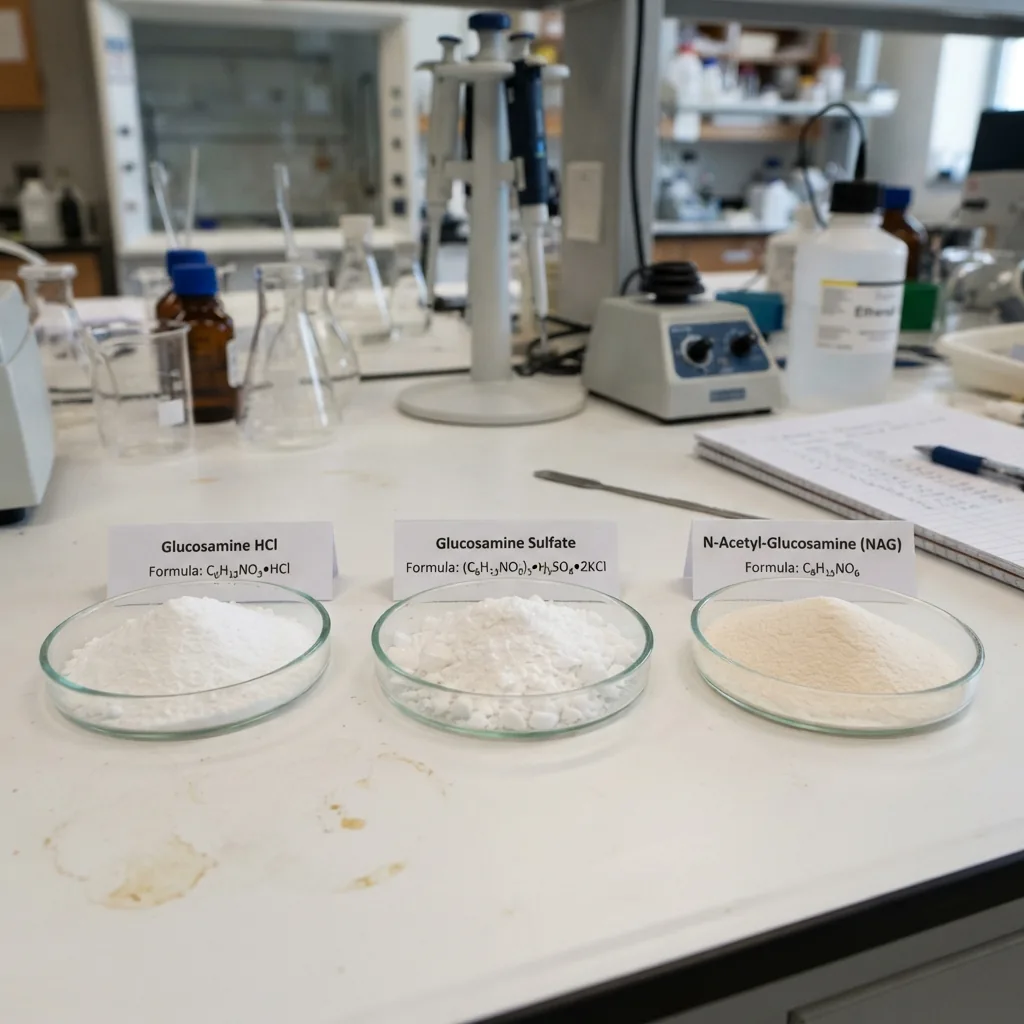
Glucosamine HCL contains hydrochloric acid as the stabilizing salt and delivers a higher proportion of glucosamine base by weight (approximately 83%) compared to Glucosamine Sulfate (approximately 65% in the potassium salt form). Glucosamine Sulfate is more commonly used in EU clinical studies, while HCL dominates North American formulations due to lower material cost and higher stability in tablet compression.
Can Glucosamine HCL be used in vegan-certified supplements?
Only fermentation-derived Glucosamine HCL qualifies for vegan certification. Shellfish-derived material, which accounts for the majority of current supply, cannot carry vegan, vegetarian, or allergen-free claims.
What is the standard shelf life for Glucosamine HCL Powder?
Under standard storage conditions (sealed packaging, below 25°C, relative humidity below 60%), Glucosamine HCL Powder maintains specification compliance for 24–36 months from the date of manufacture. Exposure to humidity above 70% RH can cause caking and reduce effective shelf life to 12–18 months.
Which pharmacopoeia standard should procurement specifications reference?
The USP monograph for Glucosamine Hydrochloride is the most widely referenced compendial standard for global procurement. The EP and JP also contain monographs with comparable parameter ranges, though minor differences exist in sulfate limit methodology and microbial acceptance criteria.
How does Glucosamine HCL interact with other common joint health ingredients in formulations?
Glucosamine HCL is chemically compatible with chondroitin sulfate, MSM, and collagen peptides in blended powder formulations. It exhibits moderate hygroscopicity and should not be directly combined with highly moisture-sensitive ingredients such as anhydrous vitamin C without appropriate desiccant packaging or protective film coating.
This article is provided by Gothink Biology, a dietary supplement manufacturer and raw material supplier based in Shenzhen, China.
Shenzhen Gothink Biology Technology Co., Ltd. offers OEM, ODM, CMO, and CDMO services with a GMP-certified 100,000-class cleanroom facility producing 16 tons daily. Certifications include ISO9001, ISO22000, HACCP, FDA, HALAL, GMP, KOSHER, BRC, FSSC 22000, PJPH, and Vegan. The R&D team, led by scientists with postdoctoral experience at Cold Spring Harbor Laboratory and Emory University, develops 2,000+ formulations annually across gummy, capsule, tablet, powder, liquid, and drop formats.
For more information, visit https://gttsynbio.com/ or contact our technical team.