


Abstract
Evaluating the quality of 5-hydroxytryptophan requires rigorous analysis of purity, contaminant profiles, and extraction methodologies. Procurement professionals must prioritize standardized assay specifications and heavy metal limits to ensure product safety. Establishing strict vendor qualification protocols mitigates supply chain risks associated with this critical mood-support ingredient.
Definition
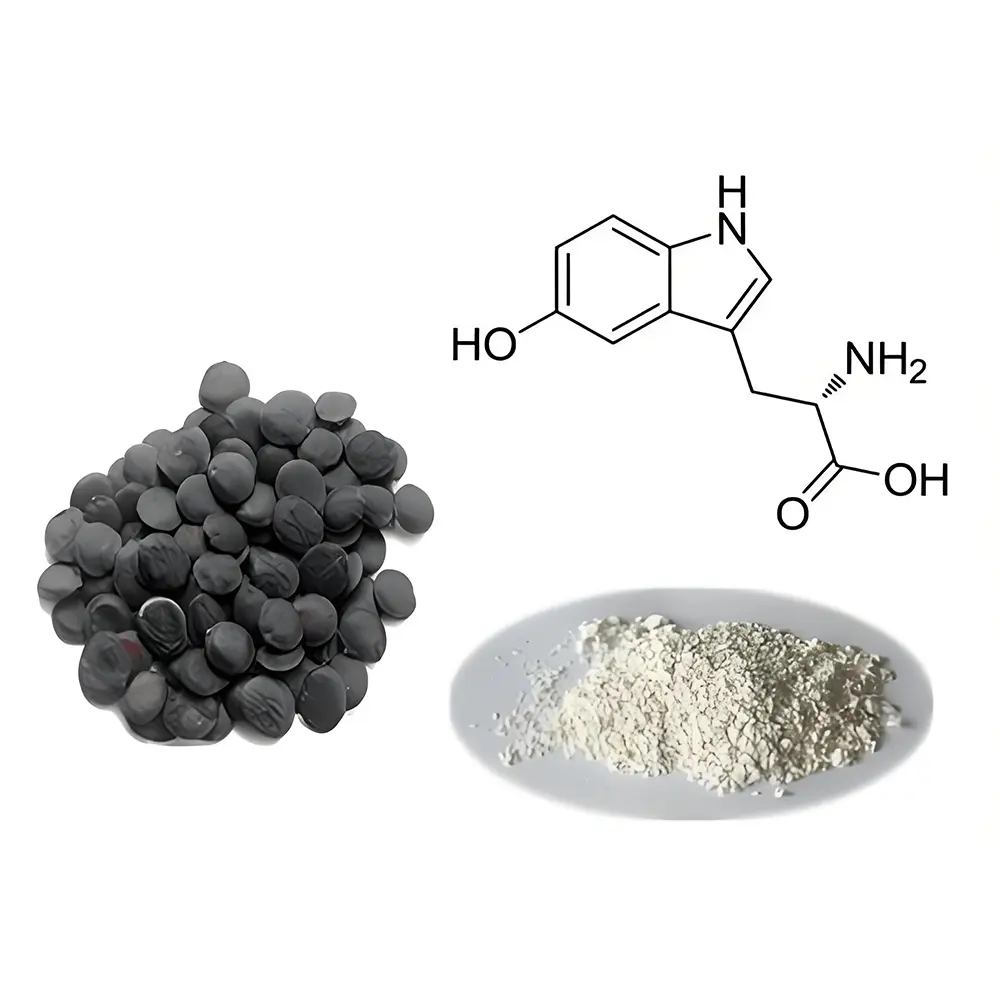
Key Quality Indicators When Selecting 5-Hydroxytryptophan (HTP5) refers to the specific analytical parameters and manufacturing standards used to evaluate the safety, efficacy, and consistency of this amino acid derivative.
These indicators serve as a baseline for R&D and procurement teams to distinguish premium grades from substandard inputs.
What the Topic Is
Quality evaluation centers on measuring the chemical integrity of 5-Hydroxytryptophan through advanced analytical testing. This includes verifying the absence of toxic byproducts and ensuring the correct molecular structure.
Key metrics involve HPLC purity profiles, residual solvent limits, and microbiological safety benchmarks.
Industry Background
The demand for sleep and mood support formulas has driven significant growth in the market for supplement raw materials. Consequently, the supply chain has expanded to include both botanical extraction and synthetic fermentation sources.
This rapid market expansion has resulted in varying quality levels, making standardized quality control essential for regulatory compliance.
Business Relevance
Sourcing high-grade HTP5 bulk directly impacts the final product’s market stability and brand reputation. Low-grade inputs can lead to failed regulatory audits, product recalls, and significant financial losses.
Securing a reliable supply of premium material ensures consistent formulation efficacy and protects brand equity.
Differences vs. Alternatives
Compared to L-tryptophan, HTP5 bypasses the rate-limiting step in serotonin synthesis, offering more direct metabolic support. However, it differs significantly from synthetic alternatives in terms of isomer ratios and potential extraction impurities.
Botanical sources derived from Griffonia simplicifolia seeds present different contamination risks than genetically engineered microbial fermentation sources.
Advantages and Limitations
The primary advantage of high-purity HTP5 Powder is its proven bioavailability and fast absorption kinetics in capsule or tablet forms. It is highly stable when protected from moisture and light.
A major limitation is its susceptibility to oxidation and degradation if exposed to high humidity during manufacturing or storage.
Suitable Users
This ingredient is intended for adult dietary supplement formulations targeting sleep quality, mood regulation, and emotional wellness. It is strictly contraindicated for individuals currently taking MAOI antidepressants.
End users typically include health-conscious adults seeking non-habit-forming neurological support.
Compliance and Quality
Regulatory frameworks require that any HTP5 raw material complies with strict heavy metal limits and microbial thresholds. Testing must specifically screen for the “Peak X” contaminant, a known eosinophilia-myalgia syndrome-associated impurity.
Documentation must demonstrate compliance with local pharmacopeia standards or recognized food chemistry compendiums.
Buyer Evaluation Checklist
When auditing an HTP5 manufacturer, buyers must request a detailed Certificate of Analysis (COA) for every batch. Verify that third-party testing was conducted by an accredited, independent laboratory.
Assess the supplier’s hygiene protocols, cross-contamination prevention strategies, and traceability documentation from seed to finished extract.
Technical Parameter Table
| Parameter | Specification |
|---|---|
| Purity | ≥98.0% or ≥99.0% |
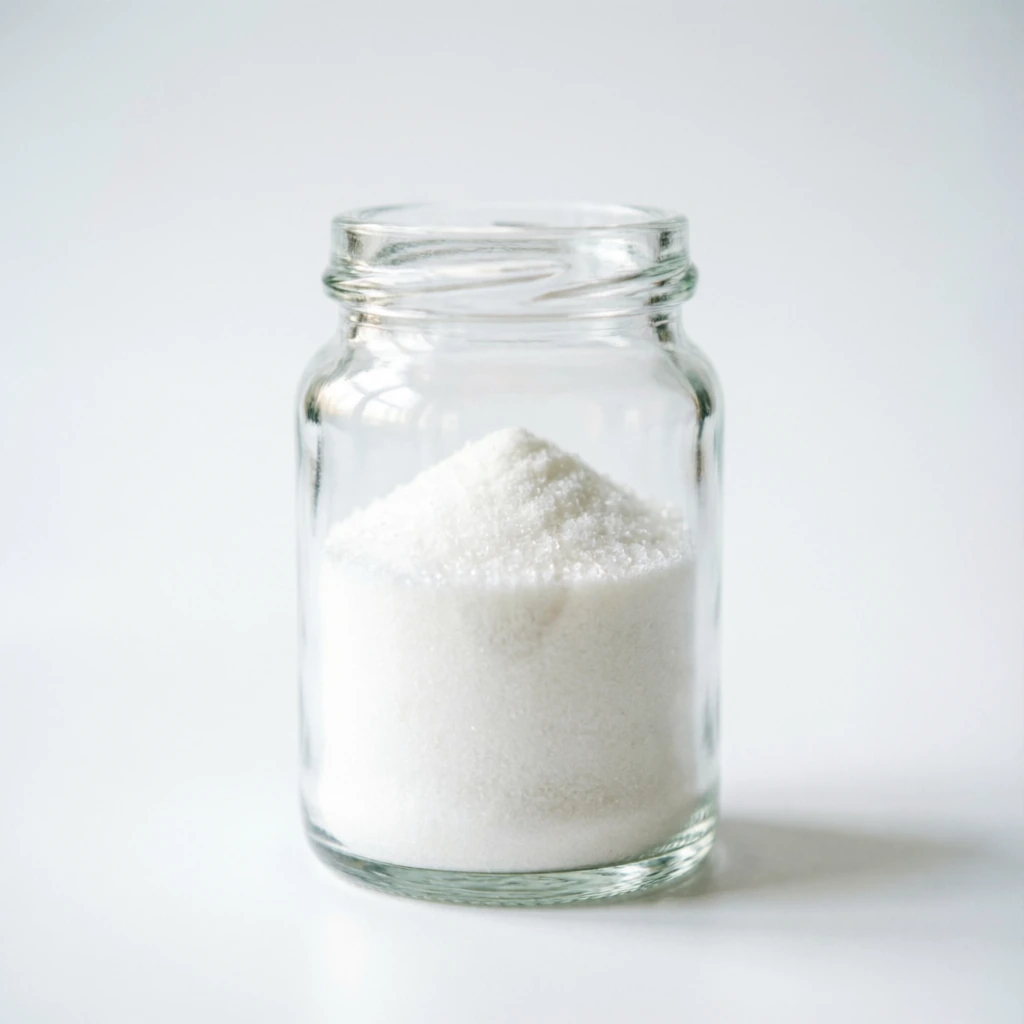
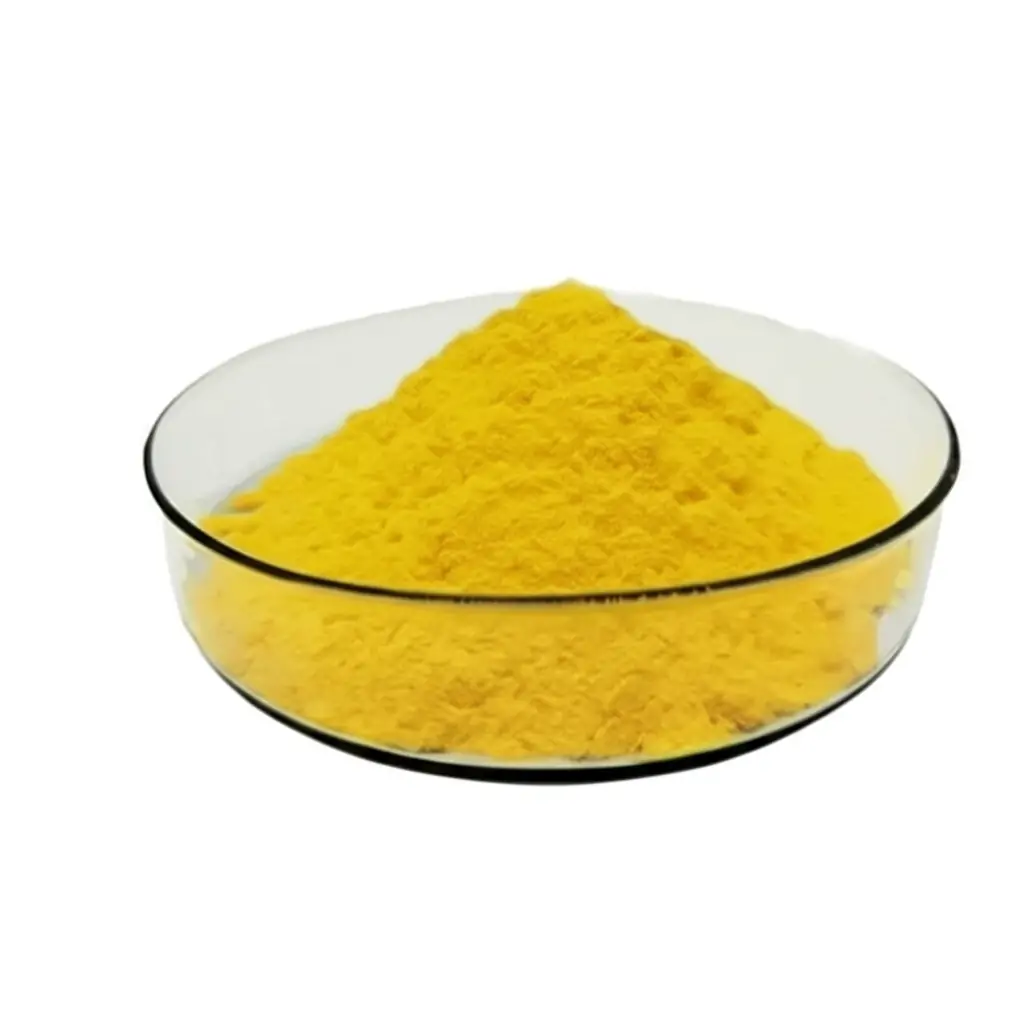
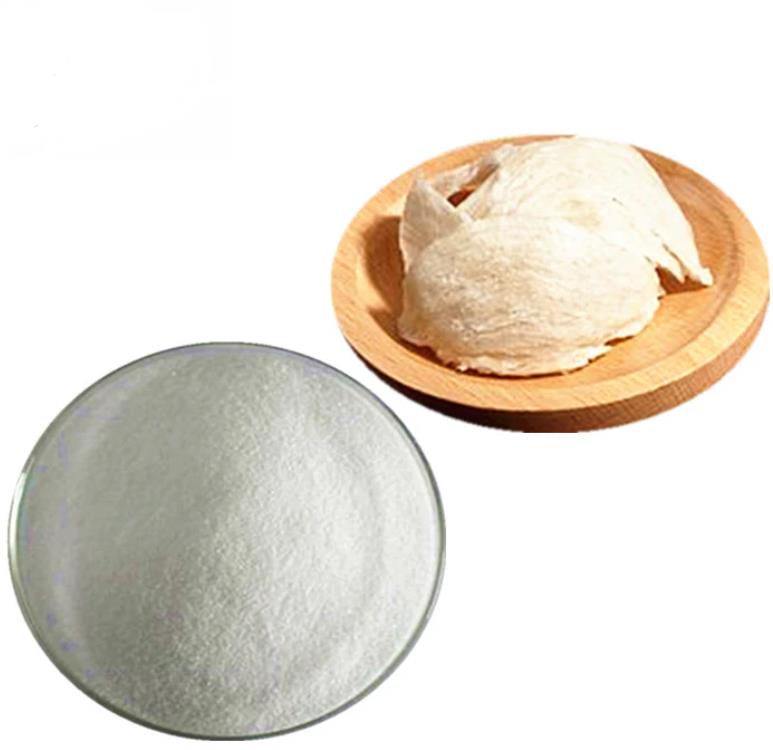
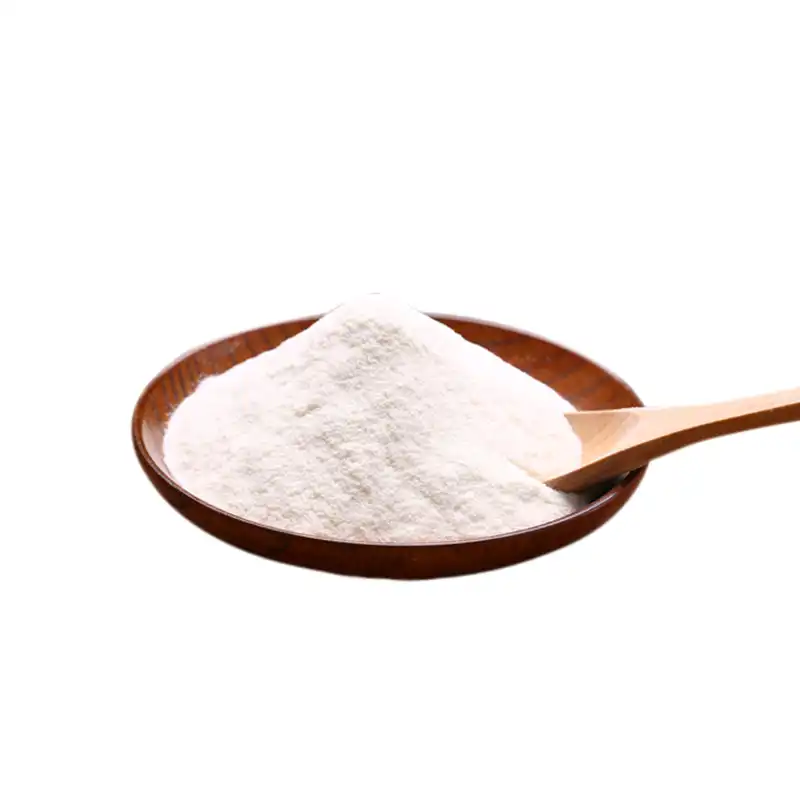
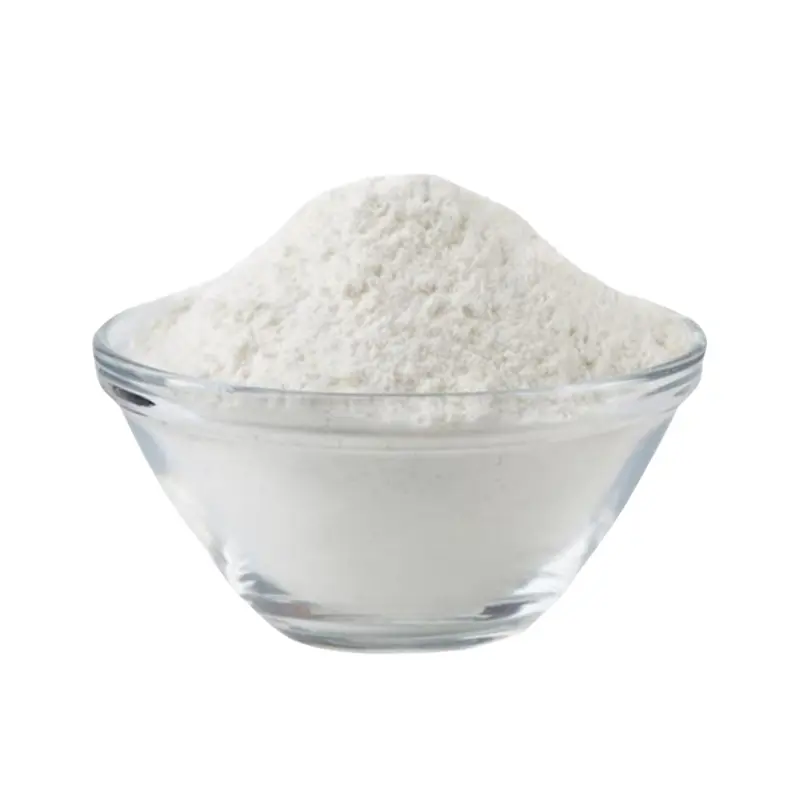
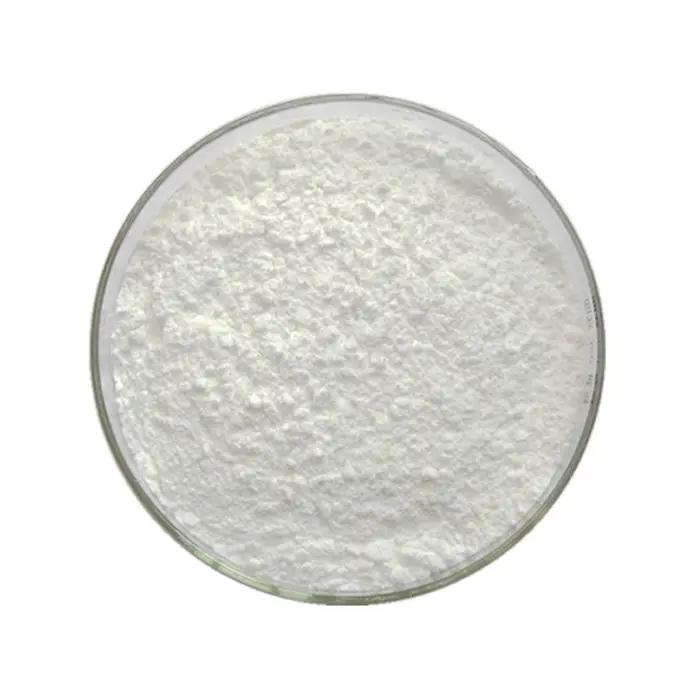
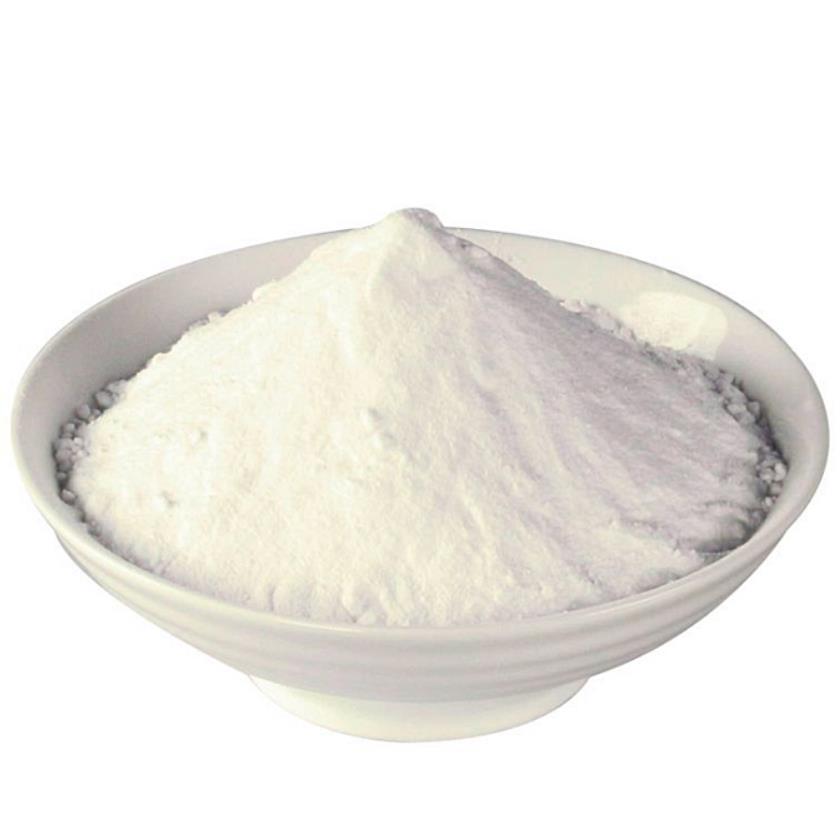
| Appearance | White to off-white crystalline powder |
| Heavy Metals | Pb<3ppm, As<1ppm, Cd<1ppm, Hg<0.1ppm |
| Microbiological Limits | Total plate count <1000 CFU/g, Negative for Salmonella and E. coli |
| Solvent Residues | Meets USP/EP limits; ethanol/methanol residues <5000ppm |
| Identification | Matches USP reference standard by HPLC retention time |
| Assay | 98.0% – 102.0% on anhydrous basis |
| Storage | Sealed in a cool, dry place below 25°C, protected from light |
| Packaging | Double-layer polyethylene bags inside a fiber drum |
| Quality Standards | USP/EP/JP or in-house validated specifications |
B2B Decision Support
COA Evaluation
Cross-reference the supplier’s COA data with third-party lab results to confirm accuracy. Pay special attention to the assay method used, ensuring it is capable of separating and identifying the “Peak X” impurity.
Supplier Verification
Conduct virtual or on-site audits to verify Good Manufacturing Practice (GMP) compliance. Evaluate their raw material quarantine procedures and employee training records.
Risk Reduction
Mitigate formulation risks by requesting stability data under accelerated conditions. Ensure the material’s degradation profile does not produce toxic byproducts over the product’s shelf life.
Supply Chain Stability
Griffonia simplicifolia seed yields are subject to agricultural and climate fluctuations. Diversify sourcing or partner with suppliers utilizing fermentation technologies to ensure uninterrupted supply.
FAQ
What is the standard acceptable purity for commercial use?
Industry standards typically require a minimum purity of 98.0%, though premium grades offer 99.0% or higher for specialized formulations.
Why is the “Peak X” contaminant a critical testing parameter?
“Peak X” is a chemical relative linked to eosinophilia-myalgia syndrome in the past, making its strict absence mandatory for consumer safety.
How does moisture affect this ingredient?
Exposure to high humidity can cause caking, oxidation, and a decrease in assay potency, requiring strict moisture-controlled storage environments.
How can I verify the quality of HTP5 raw material from a new supplier?
Request a complete Certificate of Analysis that includes HPLC purity, heavy metal screening, and a statement confirming the absence of Peak X. It is also recommended to cross-check these results through an independent third-party laboratory and confirm that the HTP5 manufacturer follows current Good Manufacturing Practices.
What extraction method yields the highest quality?
Aqueous or low-toxicity solvent extraction from Griffonia seeds followed by advanced chromatography is standard, though microbial fermentation is emerging as a highly pure alternative.
Why Partner With Gothink Biology
Gothink Biology is a specialized HTP5 manufacturer and global supplier of premium supplement raw materials, providing reliable solutions for nutraceutical and pharmaceutical applications. We consistently deliver high-purity HTP5 bulk and HTP5 Powder that meet the most rigorous quality indicators outlined above.
Our operations feature PhD-led R&D, bringing cutting-edge expertise from pharmaceutical and biological sciences to every stage of innovation.
We possess exceptional R&D capacity, developing over 2000+ customized formulations yearly to enable rapid, science-backed product innovation.
Quality is guaranteed through comprehensive certifications, including ISO 9001, ISO 22000, GMP, SGS, NSF, CQC, Halal, and Kosher standards.
We offer functional ingredients wholesale, OEM/ODM, private label, mass production, and global supply, supported by a robust international supply network.
Our facilities maintain a rigorous food safety management system and provide full third-party testing reports for complete traceability and trust.