


Abstract
Formulating with NADH requires careful attention to oxidative sensitivity, moisture control, and processing temperature, since the molecule degrades quickly under heat, light, and humidity. Brand owners and formulators who understand these constraints can select the correct NADH grade, packaging, and processing method to preserve potency through manufacturing and shelf life. This article outlines the technical, compliance, and sourcing factors that B2B buyers should evaluate before committing to a supplier.

Definition
Formulating with NADH refers to the technical process of incorporating reduced nicotinamide adenine dinucleotide into finished dosage forms—such as capsules, tablets, sublingual formats, or functional beverages—while accounting for its chemical instability, compatibility with excipients, and sensitivity to processing conditions. This process spans raw material selection, blending, encapsulation or tableting, and packaging, all of which affect the final product’s potency and shelf life.
Main Content
What Formulating with NADH Involves
NADH is a reduced coenzyme that participates in cellular energy metabolism. Because it is chemically less stable than its oxidized counterpart NAD+, formulation work centers on minimizing exposure to oxygen, moisture, light, and elevated temperature during blending, compression, and packaging.
Industry Background
Interest in NADH-based supplements has grown alongside broader consumer demand for cellular energy and healthy aging products. As formulators scale from lab-stage trials to commercial batches, the gap between bench stability and industrial-scale stability becomes a central technical challenge.
Business Relevance: Market Demand, Supply Chain, and Production Factors
Brand owners sourcing NADH powder for commercial production need consistent particle size, moisture content, and purity across batches. Supply chain reliability matters because inconsistent raw material quality can trigger reformulation, delayed launches, or failed stability testing.
Differences vs. Alternatives
Compared to NAD+ precursors such as NMN or NR, NADH offers a more direct metabolic entry point but carries a shorter effective stability window. Cost, purity grade, and supply chain maturity vary significantly across suppliers offering NADH raw material, which affects total landed cost and formulation risk.
Advantages and Limitations
NADH’s advantage lies in its direct biochemical role in redox reactions and energy metabolism pathways. Its main limitation is sensitivity to oxidation and heat, which requires tighter process controls than more stable coenzyme forms.
Suitable Users
This ingredient is relevant to brand owners developing cellular energy or healthy aging products, OEM/ODM manufacturers building formulations for client brands, and distributors supplying finished NADH-based products to regional markets.
Compliance and Quality Considerations
Buyers should confirm that supplement raw materials used in NADH formulations are backed by third-party testing, valid Certificates of Analysis, and manufacturing under recognized quality systems such as GMP and ISO certifications.
What Buyers Must Evaluate Before Sourcing
Before sourcing, buyers should review purity specifications, stability data under real storage conditions, packaging format, and the supplier’s documented production capacity for consistent lot-to-lot quality.
Technical Parameter Table
| Parameter | Specification |
|---|---|
| Purity | ≥98% (HPLC) |
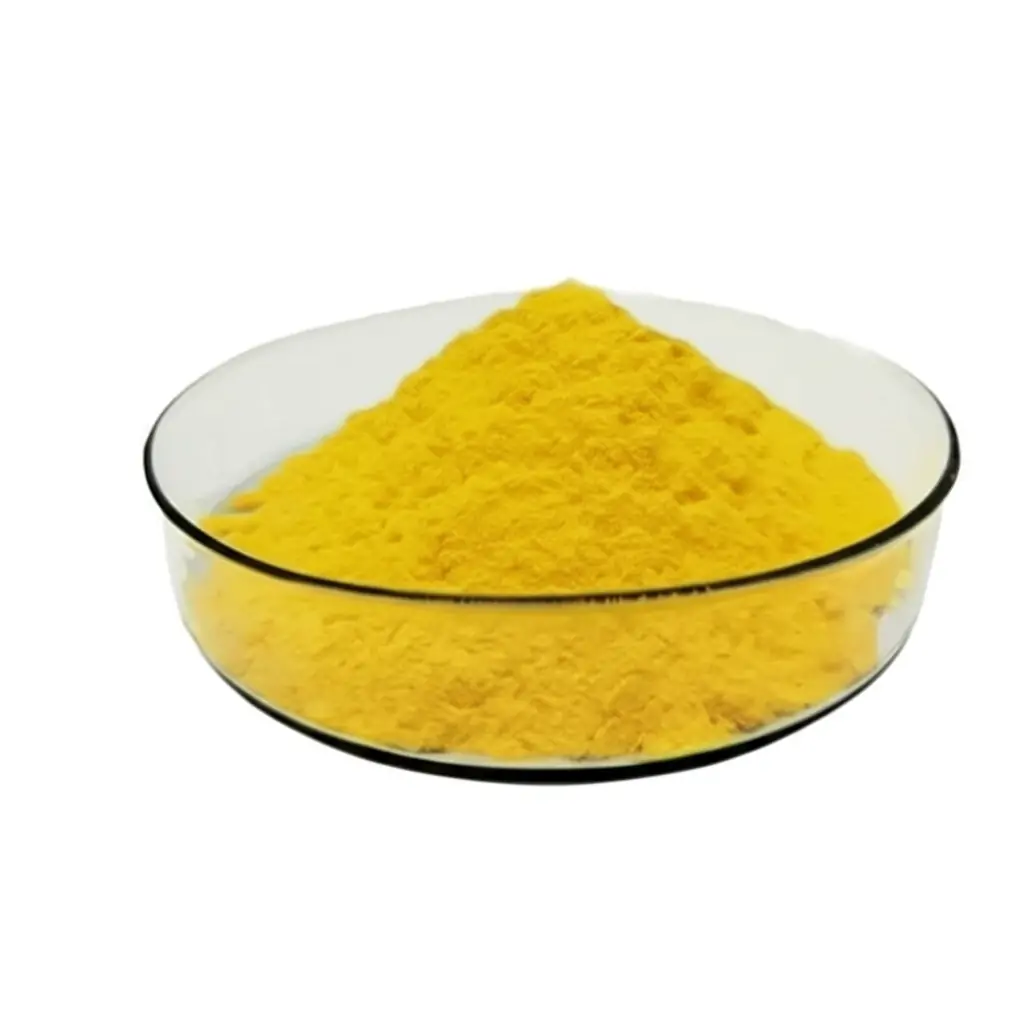
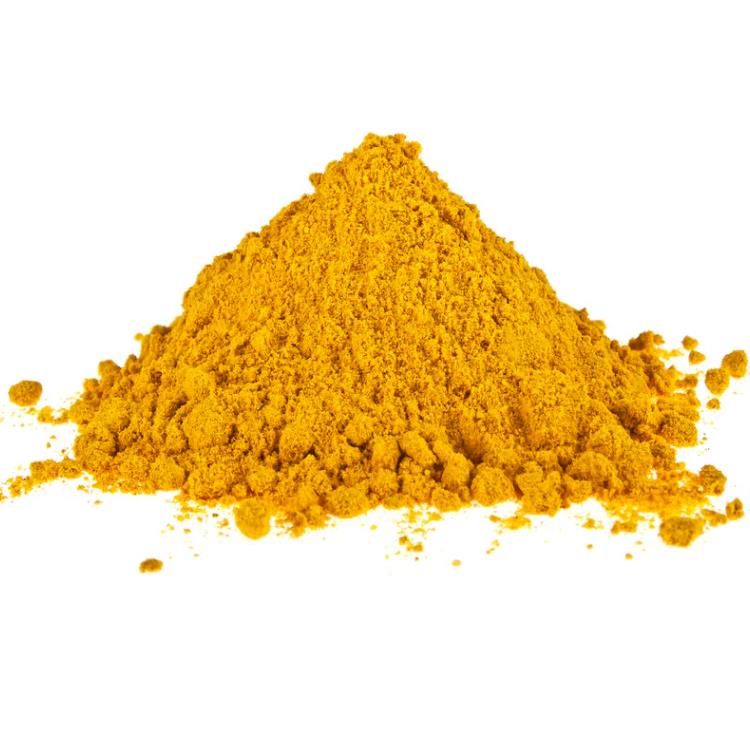
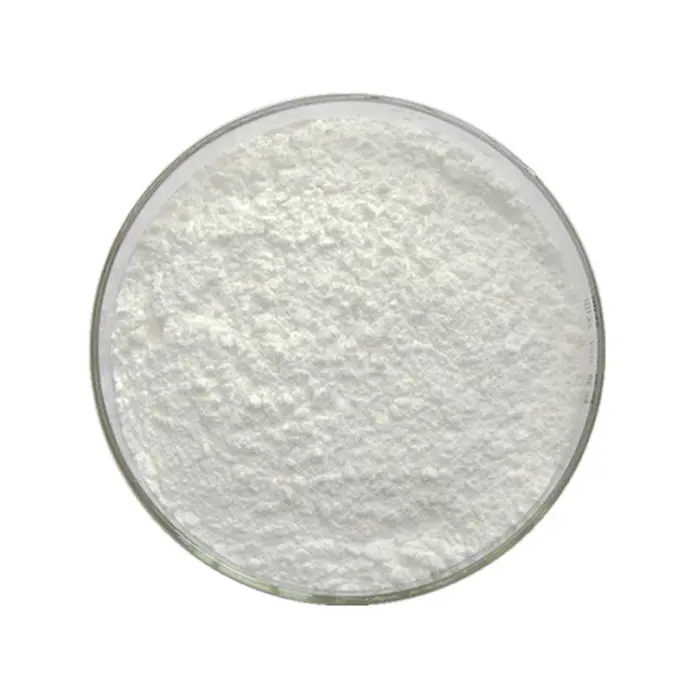
| Appearance | Light yellow to yellow crystalline powder |
| Heavy Metals | ≤10 ppm |
| Microbiological Limits | Total plate count, yeast, and mold within pharmacopeia limits |
| Solvent Residues | Within ICH Q3C guideline limits |
| Identification | UV and HPLC confirmation against reference standard |
| Assay | 98.0%–102.0% |
| Storage | Store below -18°C, protected from light and moisture |
| Packaging | Vacuum-sealed aluminum foil bags with desiccant, nitrogen-flushed |
| Quality Standards | GMP, ISO 9001, ISO 22000, third-party testing available |
B2B Decision Support
How to Judge Raw Material Quality Through a COA
A reliable Certificate of Analysis should list assay percentage, heavy metal content, microbiological results, and identification testing method, with results traceable to a specific production lot.
How to Verify Supplier Qualifications and Certifications
Buyers should request valid GMP and ISO certificates, confirm certificate expiration dates, and where possible request third-party audit reports or facility inspection summaries.
How to Reduce Sourcing Risk
Requesting stability data under actual storage and transport conditions, along with sample testing before full-batch commitment, helps reduce the risk of receiving material that degrades before use.
How to Evaluate Supply Chain Stability
Buyers should assess a supplier’s annual production capacity, cold-chain logistics capability, and history of on-time delivery, since these factors directly affect formulation planning and inventory risk for any qualified NADH manufacturer.
FAQ
What is NADH?
NADH is the reduced form of nicotinamide adenine dinucleotide, a coenzyme involved in cellular energy metabolism.
Is NADH stable?
NADH is more sensitive to heat, light, and oxidation than NAD+, so it requires cold storage and protective packaging to maintain potency.
How is NADH used in formulations?
It is typically formulated into capsules, tablets, sublingual products, or functional beverages, with processing steps designed to limit oxidation and heat exposure.
How does NADH compare to alternatives like NMN or NR?
NADH acts more directly in redox reactions, while NMN and NR are precursors requiring conversion; each option differs in stability, cost, and formulation complexity.
What should buyers check before sourcing NADH?
Buyers should review purity and stability data, storage and packaging methods, and the supplier’s certifications and production capacity.
Can NADH be supplied in bulk for commercial manufacturing?
Yes, qualified manufacturers can supply NADH bulk quantities with documented cold-chain handling suited to commercial-scale production.
Why Partner With Gothink Biology
Gothink Biology’s research and development work is led by a PhD-trained scientific team, supporting over 2,000 customized formulations developed annually with a stable, well-documented supply chain.
Manufacturing facilities operate under ISO 9001, ISO 22000, GMP, SGS, NSF, Halal, and Kosher certifications, supporting consistent quality across production runs.
Gothink Biology provides functional raw material wholesale, OEM/ODM development, private label services, bulk production, and global supply logistics for brand owners, formulators, and distributors sourcing coenzyme ingredients.