


Abstract
NANA Powder (N-Acetylneuraminic Acid) is a sialic acid derivative used in infant nutrition, functional food, and pharmaceutical formulations. Its stability depends heavily on moisture control, temperature, and packaging integrity, making storage and packaging critical factors for brand owners and manufacturers sourcing this ingredient. This article outlines the technical, regulatory, and supply chain considerations relevant to buyers evaluating supplement raw materials such as NANA for commercial use.
Definition
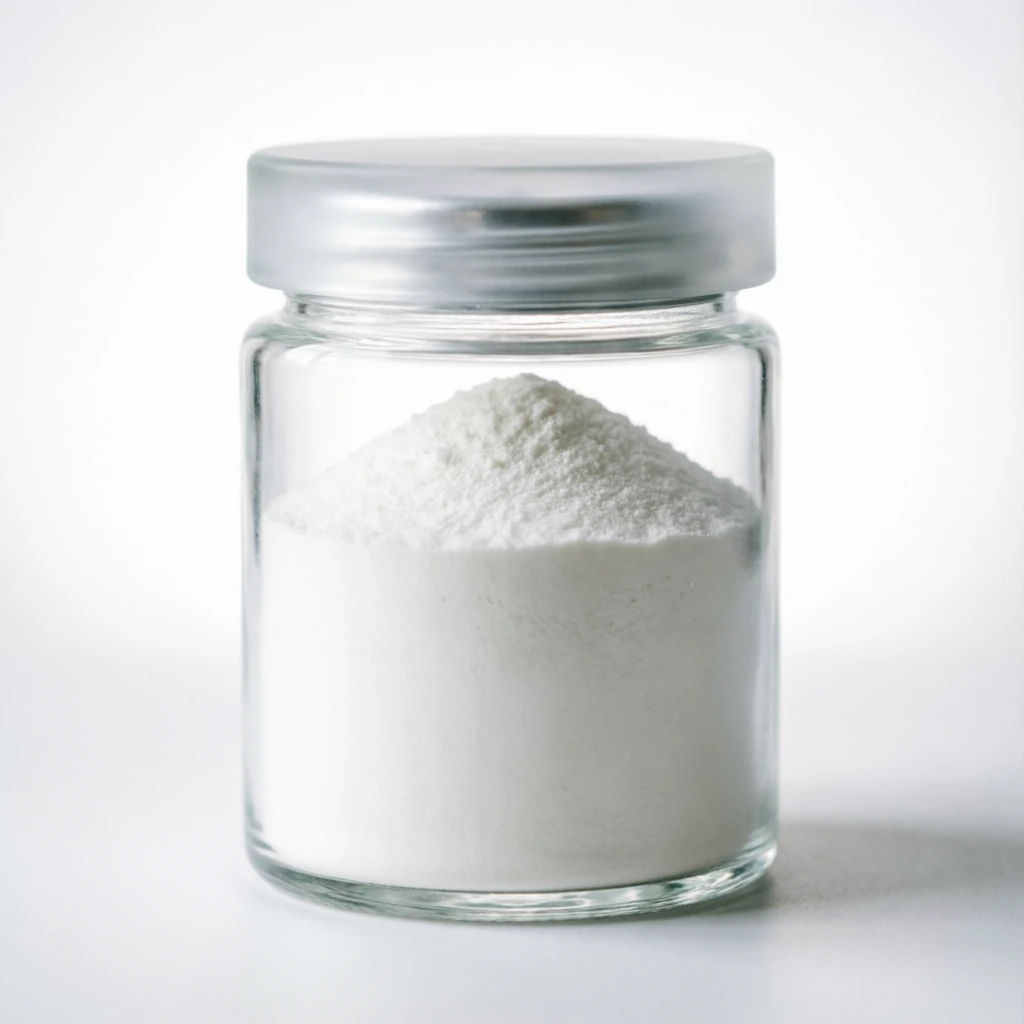
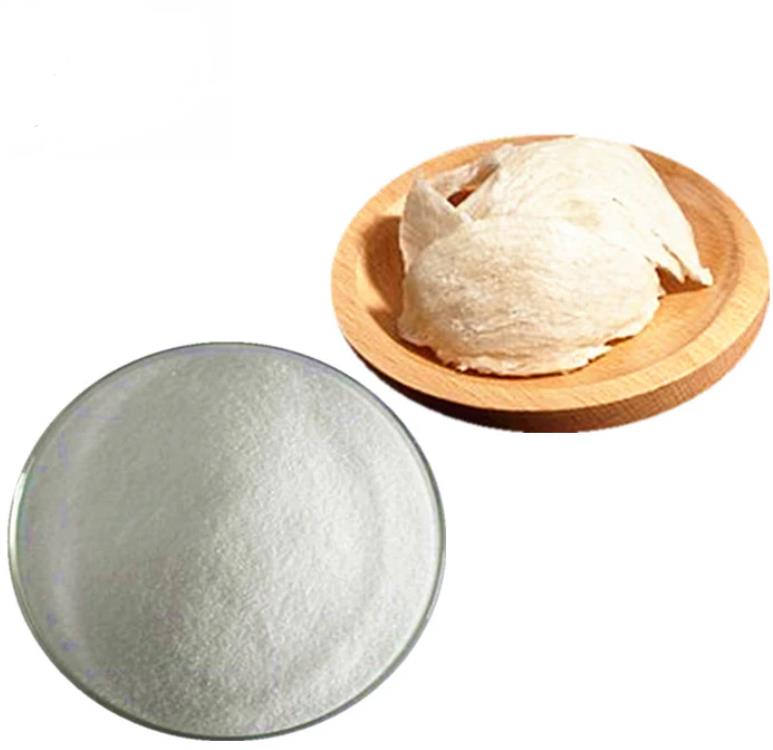
NANA Powder refers to the purified, dried form of N-Acetylneuraminic Acid, a naturally occurring monosaccharide derivative of sialic acid found in human milk and various biological tissues. It is commonly produced through microbial fermentation or enzymatic conversion, then processed into a stable powder form for use in nutraceutical, infant formula, and cosmetic applications.
Main Content
What NANA Powder Is
NANA, or N-Acetylneuraminic Acid, belongs to the sialic acid family of compounds. It is structurally related to human milk oligosaccharides and plays a role in cell recognition and neurological development research. As a raw material, it is typically supplied in crystalline or amorphous powder form.
Industry Background
Sialic Acid derivatives, including NANA, have gained attention in the infant nutrition and cognitive health segments over the past decade. Demand has grown alongside increased interest in HMO-adjacent ingredients and biosynthetic production methods that improve consistency compared to earlier extraction-based approaches.
Business Relevance
For brand owners and formulators, NANA raw material sourcing intersects with several commercial factors: ingredient cost stability, supply chain continuity, and regulatory documentation. Buyers purchasing NANAH bulk quantities must evaluate supplier production capacity and lead times to avoid formulation delays.
Differences vs. Alternatives
Compared to other sialic acid sources, such as bovine-derived or egg-derived extraction methods, fermentation-based NANA Powder generally offers more consistent purity profiles and fewer allergen-related concerns. However, cost and stability can vary depending on the production method and the supplier’s purification process.
Advantages and Limitations
Advantages of biosynthetic NANA Powder include batch-to-batch consistency and traceability. Limitations include sensitivity to humidity and elevated temperatures, which can affect shelf life if packaging and storage protocols are not properly followed.
Suitable Users
NANA Powder is relevant to dietary supplement brand owners, OEM/ODM manufacturers, infant nutrition formulators, and ingredient distributors seeking a documented, GMP-compliant Sialic Acid source for finished product development.
Compliance and Quality Considerations
Buyers should confirm that the NANA manufacturer maintains documentation for identity testing, microbiological limits, and heavy metal analysis. Certificates of Analysis (COA) and third-party test reports are standard requirements for regulatory submissions in most markets.
What Buyers Must Evaluate Before Sourcing
Before finalizing a supplier, buyers should review production method transparency, storage conditions during transit, packaging barrier properties, and the consistency of purity across multiple batches.
Technical Parameter Table
| Parameter | Specification |
|---|---|
| Purity | ≥99% |
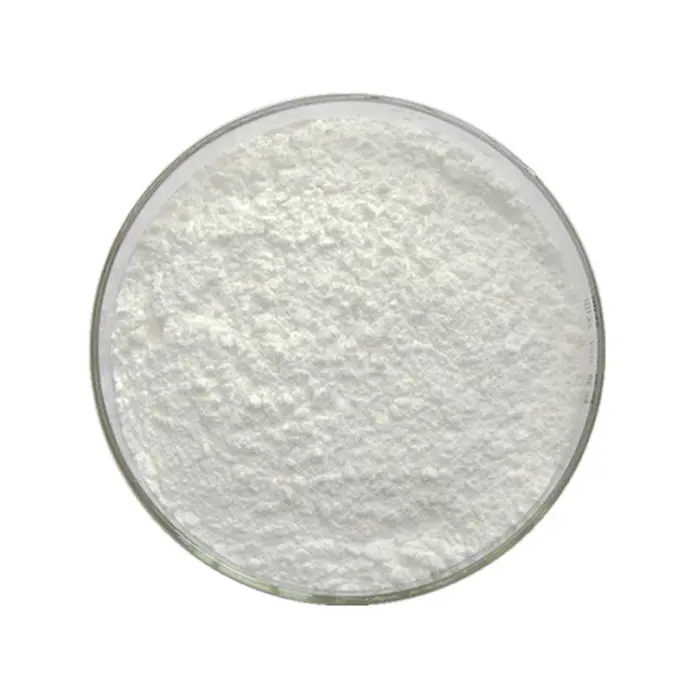
| Appearance | White to off-white crystalline powder |
| Heavy Metals | ≤10 ppm |
| Microbiological Limits | Total plate count and pathogen limits per pharmacopoeia standards |
| Solvent Residues | Within ICH Q3C guideline limits |
| Identification | Confirmed by HPLC and IR spectroscopy |
| Assay | 98.0%–101.0% by HPLC |
| Storage | Store in a cool, dry place below 25°C, protected from light and humidity |
| Packaging | Double-layer food-grade polyethylene bag inside a fiber drum, with desiccant |
| Quality Standards | GMP, ISO 9001, ISO 22000, third-party testing available |
B2B Decision Support
Evaluating Quality Through the COA
A Certificate of Analysis should list purity percentage, identification test method, heavy metal content, and microbiological results. Buyers should cross-check COA data against independent lab results when possible.
Verifying Supplier Qualifications and Certifications
Confirming a supplier’s GMP, ISO 9001, and ISO 22000 certifications, along with any Halal or Kosher status, helps establish baseline manufacturing credibility before placing an order.
Reducing Sourcing Risk
Requesting sample batches, reviewing historical batch consistency data, and confirming packaging specifications before bulk orders can reduce the risk of quality variance in larger shipments.
Assessing Supply Chain Stability
Buyers should ask about production capacity, typical lead times, and contingency planning for raw material shortages to gauge whether a supplier can support long-term contract manufacturing needs.
FAQ
What is NANA Powder?
NANA Powder is the purified powder form of N-Acetylneuraminic Acid, a sialic acid derivative used in nutraceutical and infant nutrition formulations.
Is NANA Powder stable?
NANA Powder is stable when stored in a cool, dry environment with proper moisture-barrier packaging. Exposure to humidity and heat can degrade quality over time.
How is NANA used in formulations?
NANA is used as a functional ingredient in dietary supplements, infant formula, and research applications related to cognitive and immune support.
How does NANA compare to other sialic acid sources?
Fermentation-derived NANA typically offers more consistent purity and fewer allergen concerns compared to animal-extraction methods, though costs and availability vary by supplier.
What should buyers check before sourcing NANA raw material?
Buyers should verify COA data, certification status, packaging specifications, and supplier production capacity before committing to bulk purchases.
What packaging is recommended for NANA Powder?
Moisture-resistant double-layer packaging with desiccant, stored in sealed fiber drums, is standard practice to preserve stability during storage and transit.
Why Partner With Gothink Biology
Gothink Biotech’s research and development activities are led by a PhD-trained scientific team with backgrounds in pharmaceutical and biological sciences. The company develops over 2,000 customized formulations annually, supported by a stable international supply chain for raw material delivery.
Manufacturing facilities are certified under GMP, ISO 9001, ISO 22000, SGS, NSF, Halal, and Kosher standards, with third-party testing available for quality verification. Gothink Biotech supplies functional raw materials on a wholesale basis and offers OEM/ODM services, private label programs, and bulk production capacity for global distribution.