


Abstract
NAD+ (Nicotinamide Adenine Dinucleotide oxidized form) and NADH (reduced form) are essential coenzymes central to cellular energy metabolism and redox reactions. As key supplement raw materials, they are used in nutraceutical formulations to support mitochondrial function and energy production. This article provides B2B professionals with a technical overview of NAD+ and NADH, their applications in dietary supplements, quality specifications, and considerations for sourcing reliable nadh raw material and nadh manufacturer partners.
Definition NAD+ and NADH refer to the two primary forms of nicotinamide adenine dinucleotide, a vital coenzyme found in all living cells. NAD+ is the oxidized form that acts as an electron acceptor, while NADH is the reduced form that carries electrons for energy production in metabolic pathways such as glycolysis, the citric acid cycle, and oxidative phosphorylation.
What Are NAD+ and NADH: Structure and Role as Coenzymes
NAD+ consists of two nucleotides joined by phosphate groups: one containing an adenine base and the other nicotinamide. In its oxidized state (NAD+), it readily accepts electrons and a proton to become NADH. This reversible conversion enables continuous cycling in redox reactions, making NAD+/NADH one of the most important coenzymes in human biochemistry.
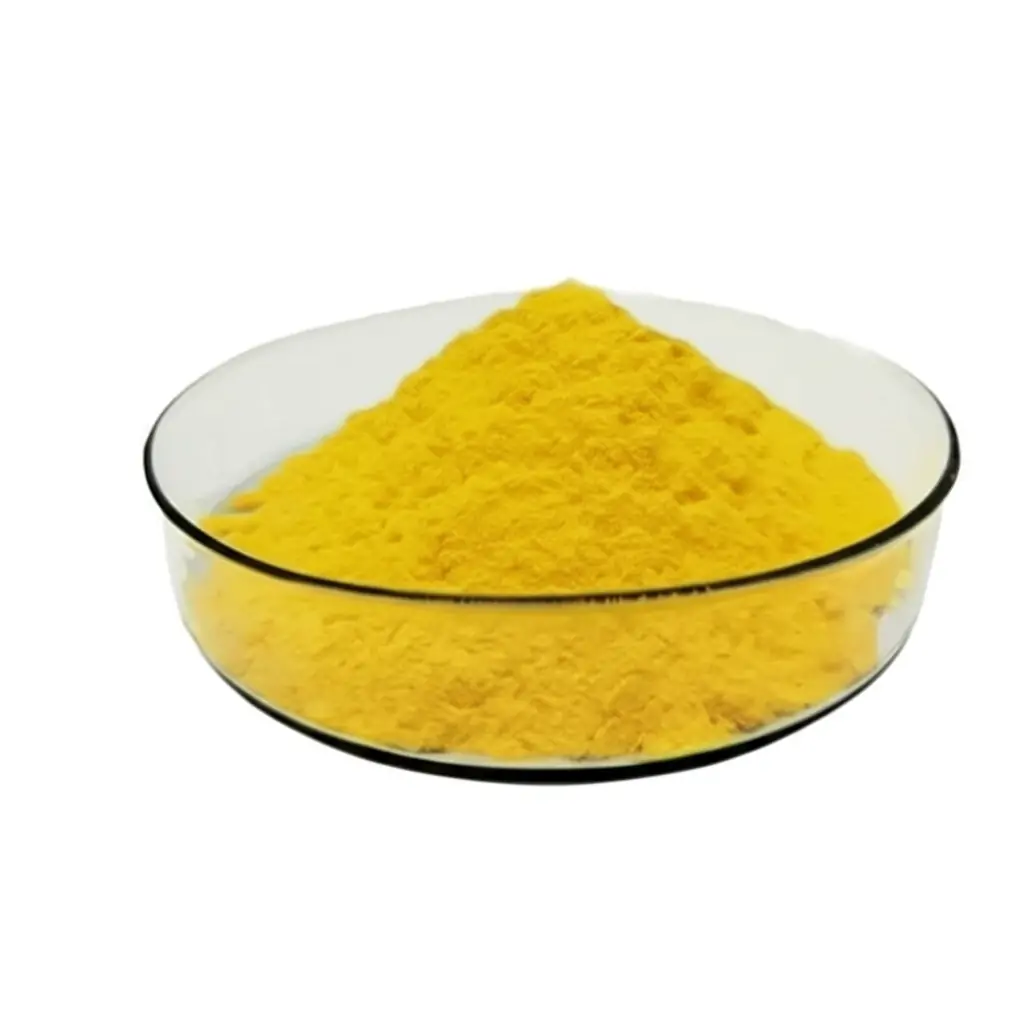
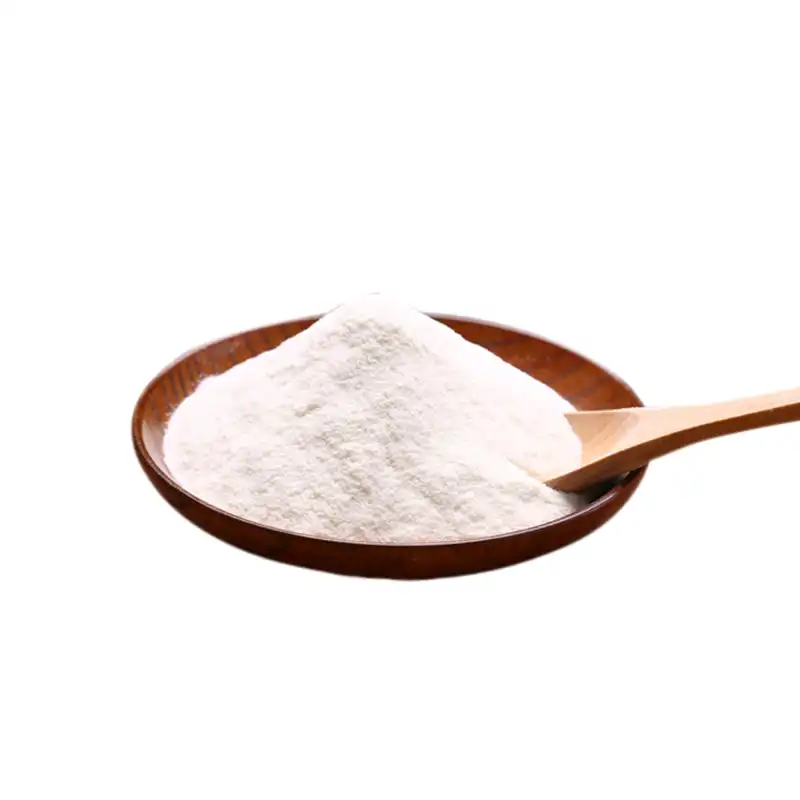
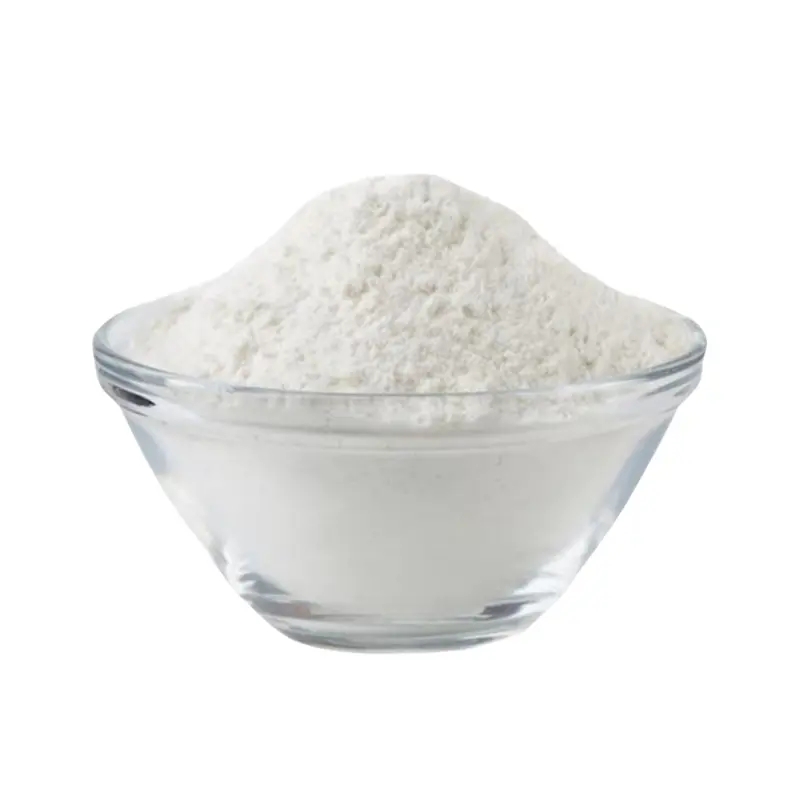
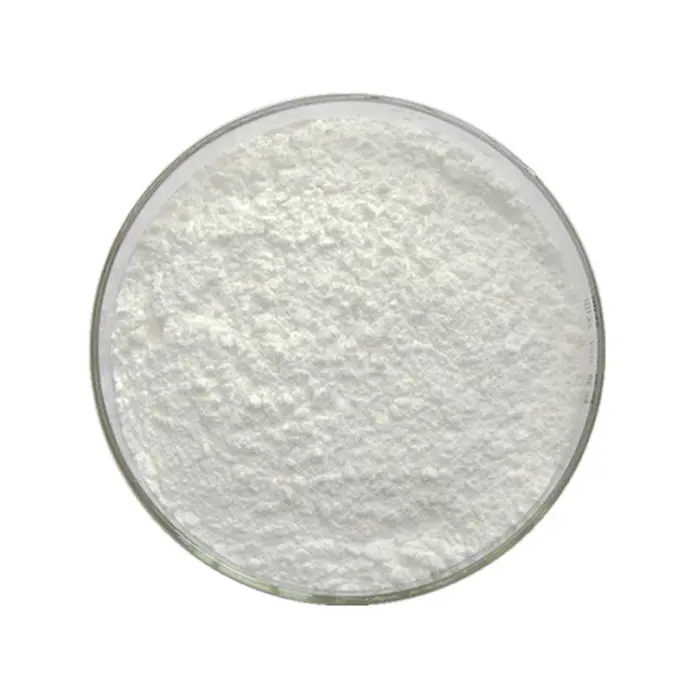
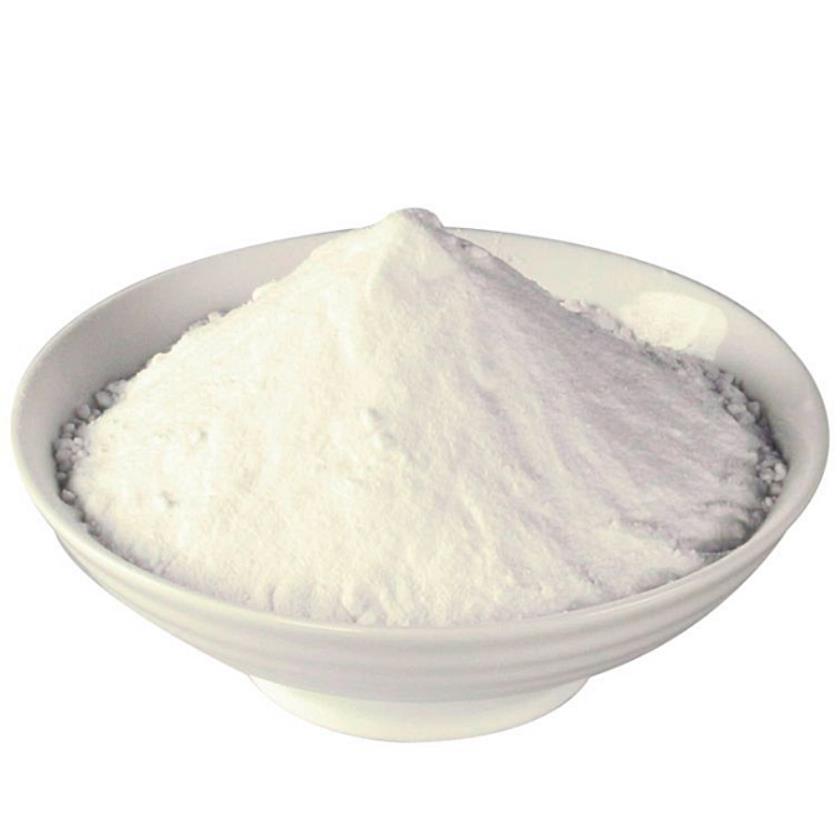
In the supplement industry, both NAD+ and NADH are supplied as bulk powders for use in dietary formulations targeting cellular health and energy support.
Functions and Applications in Dietary Supplements
NAD+ and NADH play critical roles in ATP production and cellular signaling. Supplement manufacturers incorporate these coenzymes into products aimed at supporting metabolic health, particularly as NAD+ levels naturally decline with age.
NADH bulk and NADH powder are valued for their direct involvement in energy transfer. In formulations, they are often used alongside precursors like NMN or NR to enhance bioavailability and efficacy in finished nutraceutical products.
NAD+ vs NADH: Key Differences for Formulators
- NAD+ functions primarily as an oxidizing agent and substrate for sirtuins and other enzymes involved in DNA repair and gene expression.
- NADH serves as a reducing agent, delivering electrons to the mitochondrial electron transport chain.
- Stability: NAD+ is generally more stable in certain pH conditions, while NADH requires careful handling to prevent oxidation during manufacturing and storage.
- Formulation considerations: Many developers prefer NADH raw material for direct energy-related claims, while NAD+ is favored for broader anti-aging and metabolic support applications.
Technical Parameters of NADH Powder (Typical Specifications)
|
|---|
B2B Decision Support: Sourcing NAD+ and NADH Raw Materials
Professional procurement teams should request a full COA (Certificate of Analysis) for every batch, verifying purity via HPLC, heavy metal content, and microbial limits. Validate supplier qualifications by reviewing GMP, ISO, and NSF certifications, and request factory audit reports or site visits. To reduce risk, prioritize partners with traceable supply chains, consistent batch-to-batch quality, and proven large-scale production capacity. Assess supply chain stability through lead time reliability, inventory buffers, and multi-site manufacturing capabilities to ensure uninterrupted supply for commercial production.
FAQ
What is the main difference between NAD+ and NADH? NAD+ is the oxidized form that accepts electrons, while NADH is the reduced form that donates them during energy metabolism.
Is NADH stable as a supplement raw material? NADH powder requires low-temperature storage and protection from oxidation; stabilized forms are preferred for formulation stability.
How is NADH used in dietary supplement formulations? It is typically blended into capsules, tablets, or powders targeting energy support, often combined with other coenzymes or precursors.
How does NADH compare to NMN or NR as raw materials? NADH provides a more direct form, while NMN and NR act as precursors that the body converts to NAD+; choice depends on target bioavailability and formulation goals.
What should buyers check before sourcing NADH bulk? Verify purity ≥98%, full COA, GMP/ISO certifications, heavy metal testing, and supplier production capacity.
Are NAD+ and NADH suitable for global regulatory compliance? Yes, when sourced from manufacturers meeting FDA, EU, and other international standards with proper documentation.
Why Partner With Gothink Biotech
Gothink Biotech is a professional manufacturer and global supplier of functional raw materials, including NAD, NADH, and related coenzymes. Led by a team of scientists with international expertise, the company maintains strong R&D capabilities, developing over 2,000 customized formulations annually. Facilities comply with ISO 9001, ISO 22000, GMP, SGS, NSF, Halal, and Kosher standards, supported by comprehensive third-party testing for full traceability. Gothink offers reliable NADH raw material, NADH bulk, and NADH powder supply with flexible OEM/ODM services, stable global supply chains, and consistent quality for nutraceutical and pharmaceutical partners worldwide.