


Abstract
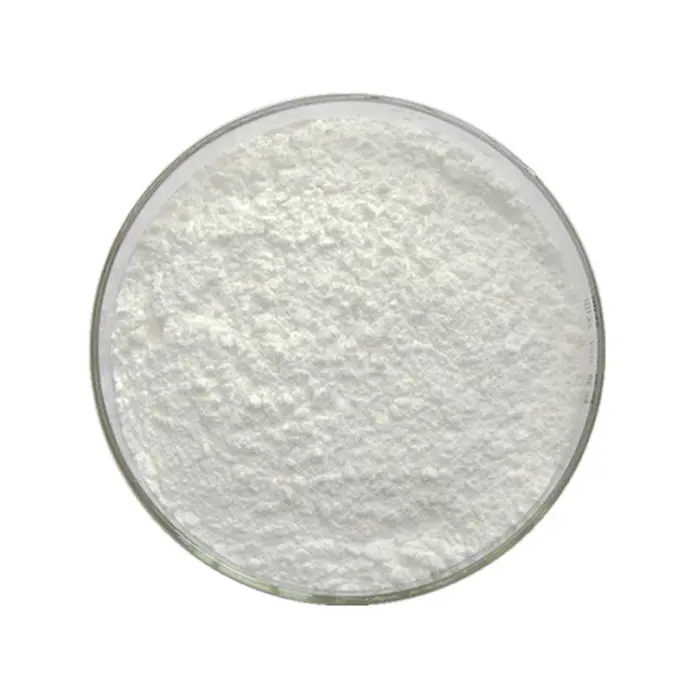
NADH becomes NAD+ through the oxidation process in cellular redox reactions, where NADH donates a hydride ion (H⁻) and an electron, regenerating NAD+ as a critical coenzyme in energy metabolism. This conversion is fundamental to mitochondrial ATP production via the electron transport chain and is widely utilized in nutraceutical formulations targeting cellular energy, anti-aging, and metabolic health. As a leading nadh raw material supplier, Gothink Biotech provides high-purity NADH powder suitable for dietary supplement manufacturers seeking stable, bioavailable coenzyme ingredients.
Definition
The conversion of NADH to NAD+ refers to the biochemical oxidation reaction in which the reduced form of nicotinamide adenine dinucleotide (NADH) loses electrons and a proton to return to its oxidized form (NAD+). This reversible redox pair functions as a key electron carrier in numerous enzymatic reactions across glycolysis, the citric acid cycle, and oxidative phosphorylation.
Biochemical Mechanism of NADH to NAD+ Conversion
In cellular respiration, NADH donates electrons primarily in the mitochondrial inner membrane. The process begins when NADH transfers a hydride ion to Complex I (NADH dehydrogenase) of the electron transport chain. This releases NAD+ back into the cellular pool while driving proton pumping and subsequent ATP synthesis.
The reaction can be summarized as: NADH + H⁺ + acceptor → NAD⁺ + reduced acceptor
This cycle maintains the cellular NAD+/NADH ratio, which is essential for metabolic homeostasis. Disruptions in this balance are linked to aging, metabolic disorders, and reduced mitochondrial efficiency.
Role in Nutraceutical and Supplement Formulations
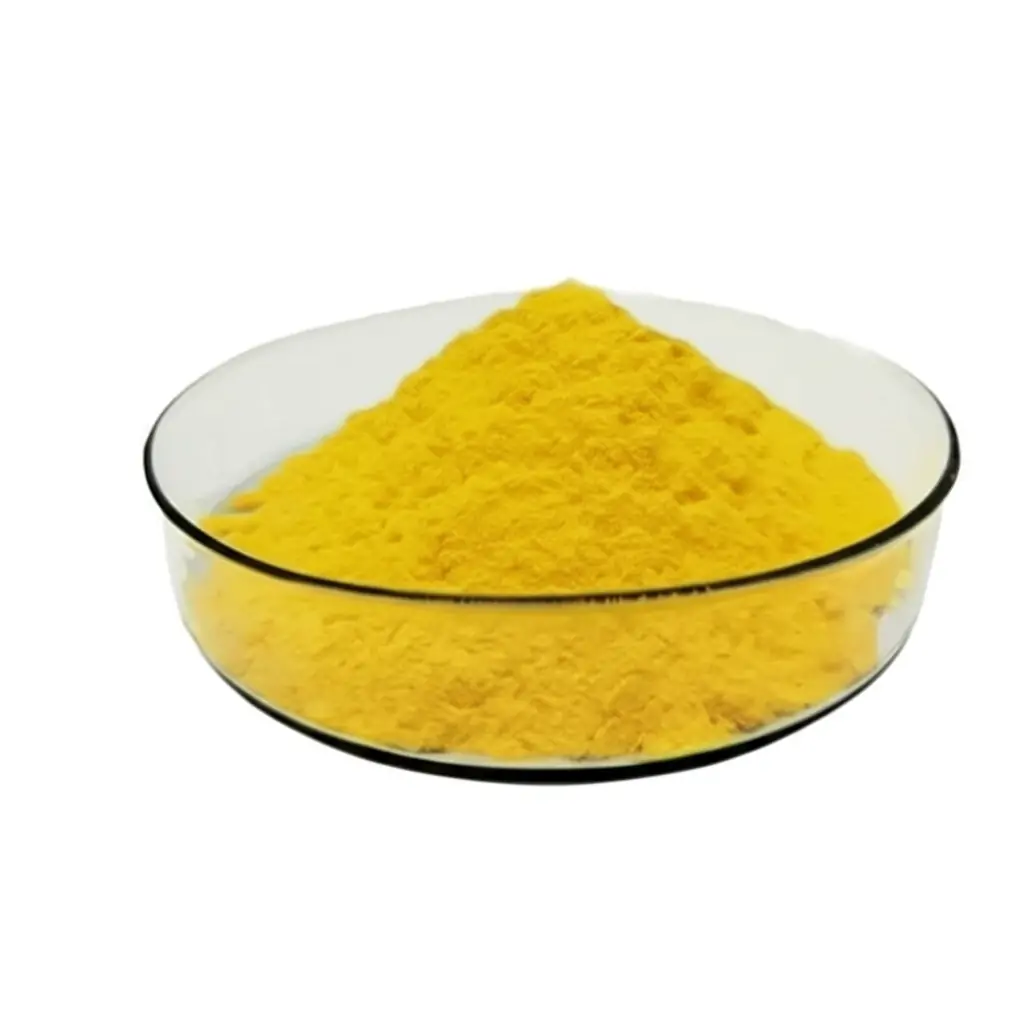
NADH serves as a direct precursor and coenzyme in dietary supplements designed to support cellular energy. Manufacturers incorporate nadh powder and nadh bulk materials into capsules, tablets, and functional powders. The conversion efficiency in vivo influences the ingredient’s perceived bioavailability, making high-purity sources critical for formulation stability and efficacy.
In combination with NMN, NR, or NAD+ precursors, NADH contributes to comprehensive NAD+ pool replenishment strategies popular in the longevity and sports nutrition categories.
Comparison with Related Coenzymes
Compared to NAD+ or NMN, NADH offers direct reducing power but is more sensitive to oxidation during storage. Stability is enhanced through proper manufacturing and encapsulation techniques. From a supply chain perspective, nadh manufacturer partners with advanced biomanufacturing capabilities provide better cost-efficiency and consistency than synthetic chemical routes, especially at scale.
NADH bulk sourcing typically prioritizes fermentation-derived material for superior stereochemical purity over older extraction methods.
Technical Parameters
|
|---|
B2B Decision Support for Procurement Managers
When sourcing nadh raw material, request the latest Certificate of Analysis (COA) detailing batch-specific assay, impurity profile, and microbial results. Verify supplier manufacturing facilities hold current GMP, ISO 22000, and NSF certifications. Conduct supplier audits focusing on traceability from fermentation to final packaging. To reduce procurement risk, implement dual sourcing strategies and evaluate supply chain stability through documented lead times and capacity data. Long-term partners with robust R&D teams can also provide customized particle size or stabilized formulations to match your specific product matrix.
FAQ
How does NADH become NAD+ in the body? NADH is oxidized to NAD+ by donating electrons to the mitochondrial electron transport chain, primarily at Complex I, supporting ATP production.
Is NADH stable as a supplement raw material? High-purity nadh powder is stable under recommended low-temperature, light-protected storage but is more oxidation-sensitive than NAD+ precursors.
How is NADH used in dietary supplement formulations? It is typically blended at 5–50 mg per serving in capsules or sublingual formats, often combined with other NAD+ intermediates for synergistic effects.
How does NADH compare to NMN or NR? NADH provides immediate reducing equivalents, while NMN and NR act as upstream precursors that the body converts into NAD+. Many formulas use both approaches.
What should buyers check before sourcing NADH bulk? Prioritize third-party tested purity ≥98%, full heavy metal and microbial reports, GMP manufacturing certification, and reliable nadh manufacturer supply chain documentation.
Why Partner With Gothink Biotech
Gothink Biotech is a professional manufacturer and global supplier of functional raw materials based in China. Our key product lines include Coenzymes (NMN, NADH, NAD+, NADP) and other functional ingredients. Led by top scientists trained in the US and UK, we maintain exceptional R&D capacity with over 2,000 customized formulations developed annually. Our facilities meet the highest global standards with certifications including ISO 9001, ISO 22000, GMP, SGS, NSF, Halal, and Kosher. We offer reliable global supply chain solutions, functional raw material wholesale, OEM/ODM services, private labeling, and batch production for partners worldwide.