


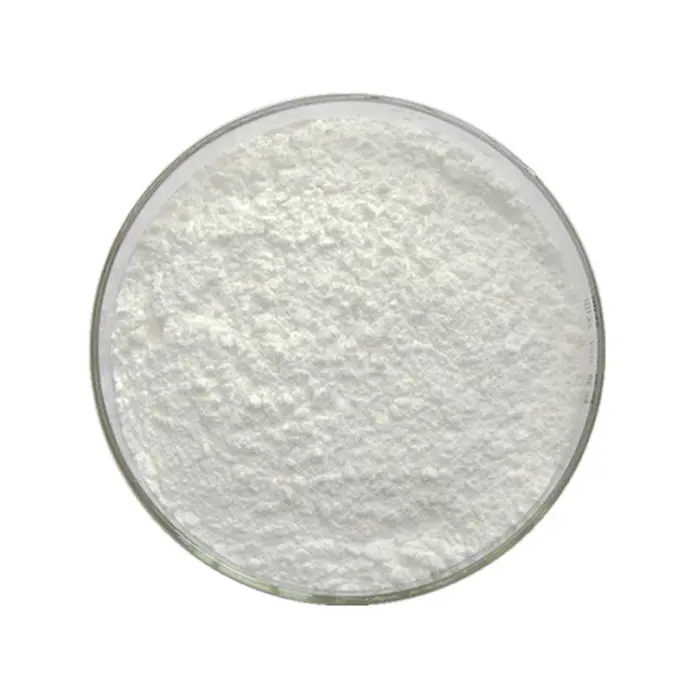
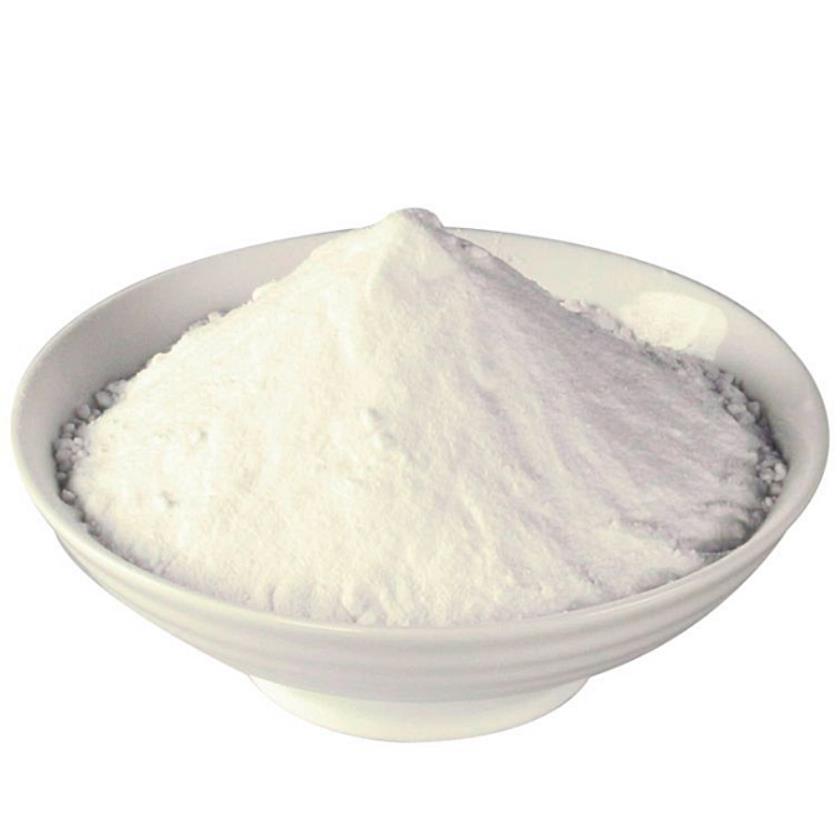
CAS No. 5451-09-2 | Category: Supplement Raw Materials | Format: Bulk Powder
Abstract
5-Aminolevulinic acid hydrochloride (5-ALA HCl), CAS 5451-09-2, is a naturally occurring, non-proteinogenic amino acid that serves as the universal precursor to tetrapyrrole compounds — including heme, chlorophyll, and porphyrins — across virtually all living organisms. Over the past decade, commercial interest in 5-aminolevulinic acid hydrochloride as a supplement raw material and pharmaceutical active ingredient has grown substantially, driven by expanding applications in photodynamic therapy (PDT), nutraceutical formulations, and precision agriculture inputs.
This guide is written for procurement managers, product development teams, and formulation scientists at supplement brands, contract manufacturers, and pharmaceutical companies who are evaluating 5-aminolevulinic acid hydrochloride bulk sourcing or seeking to qualify a new 5-aminolevulinic acid hydrochloride manufacturer. It covers the compound’s biochemical profile, key application segments, critical quality parameters, regulatory considerations, and practical guidance for supplier evaluation.
1. What Is 5-Aminolevulinic Acid Hydrochloride?
1.1 Chemical Identity and Physical Properties
5-Aminolevulinic acid hydrochloride is the hydrochloride salt form of 5-aminolevulinic acid (5-ALA), a delta-amino acid belonging to the ketocarbonic acid family. Its hydrochloride form significantly improves aqueous solubility and chemical stability relative to the free acid, making it the preferred form for most commercial, pharmaceutical, and nutraceutical applications.
| Property | Value |
|---|---|
| IUPAC Name | 5-amino-4-oxopentanoic acid hydrochloride |
| Common Synonyms | δ-Aminolevulinic acid HCl; 5-ALA HCl; ALA-HCl |
| CAS Number | 5451-09-2 |
| Molecular Formula | C₅H₁₀ClNO₃ |
| Molecular Weight | 167.59 g/mol |
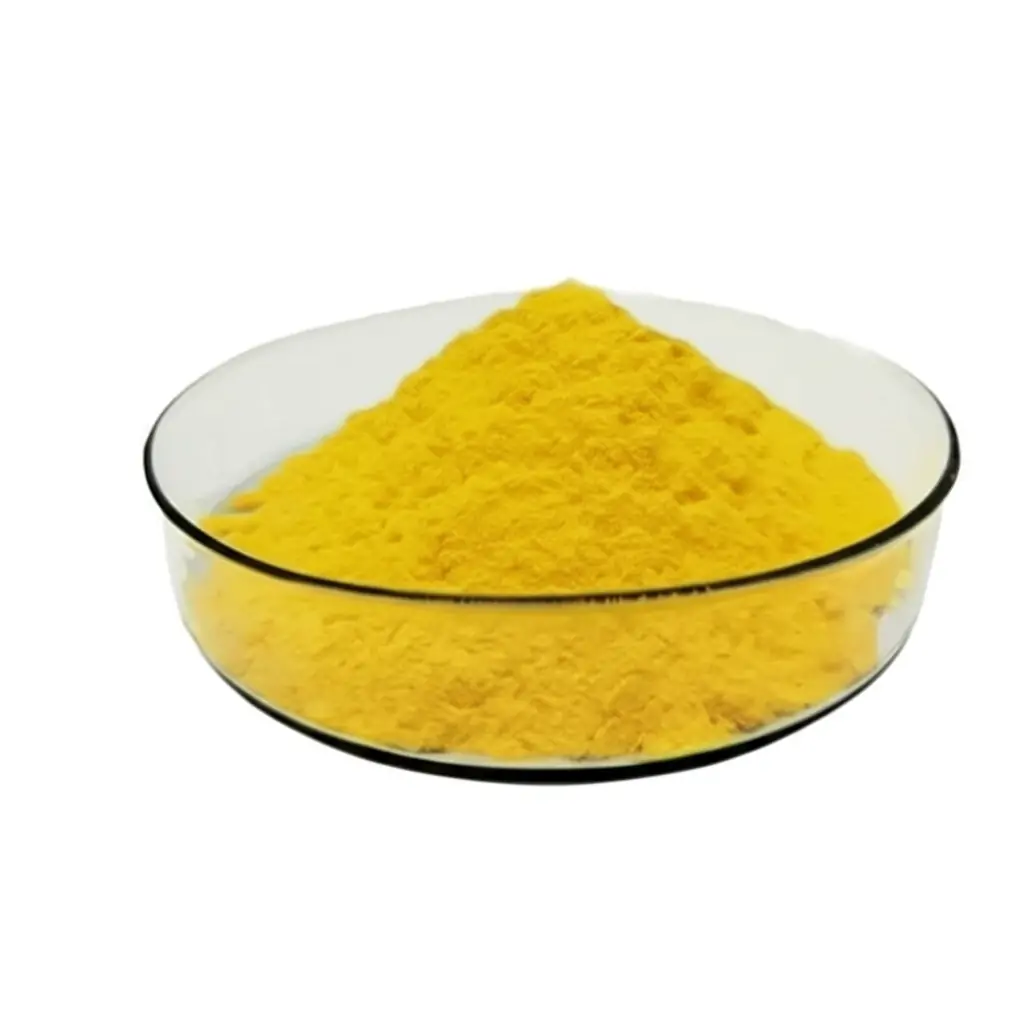
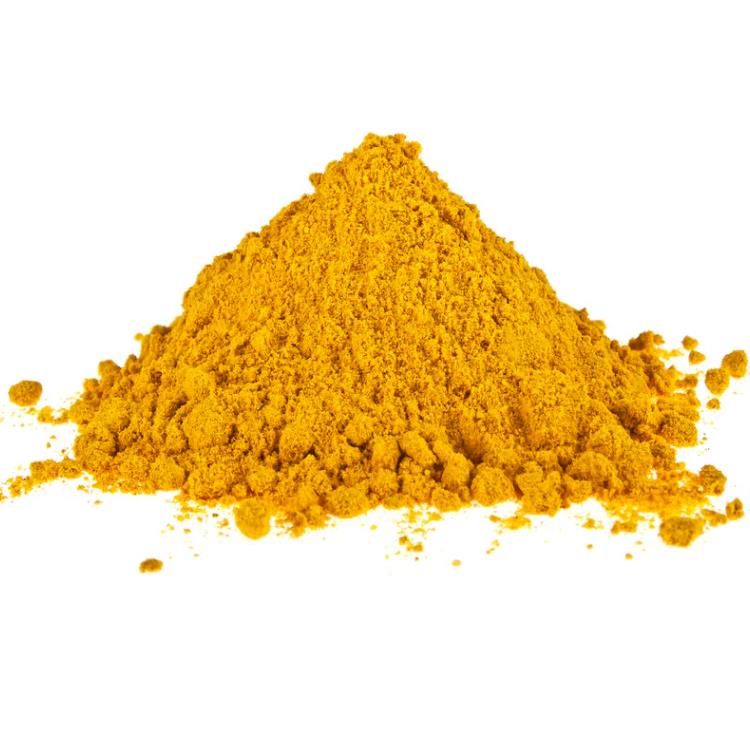
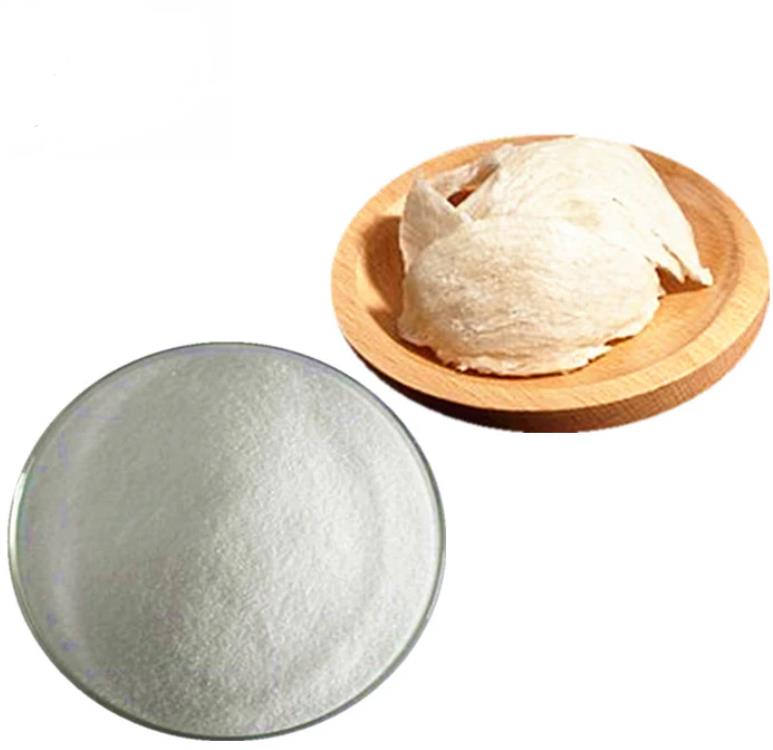
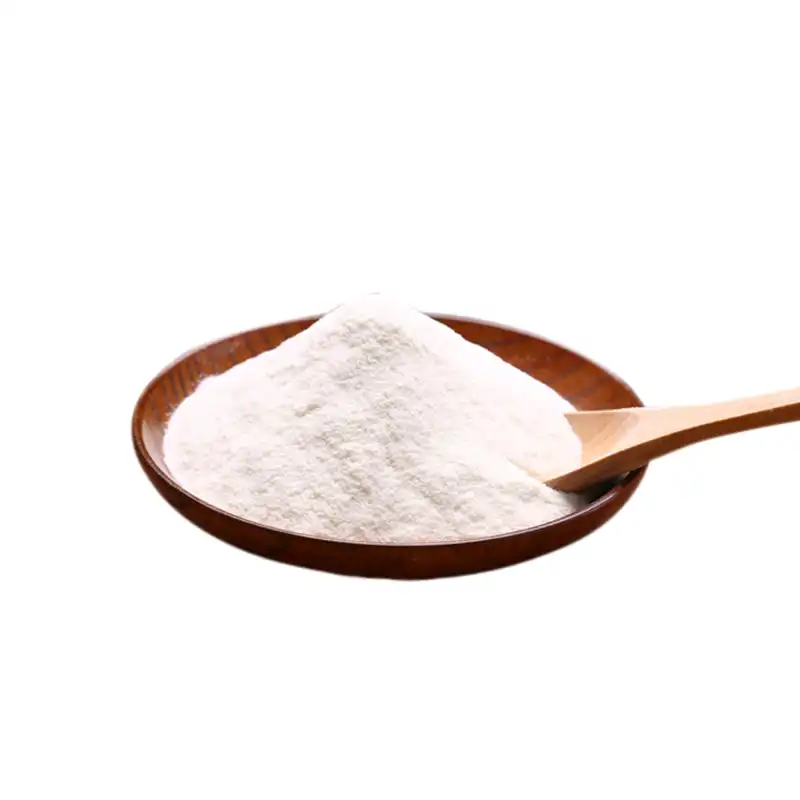
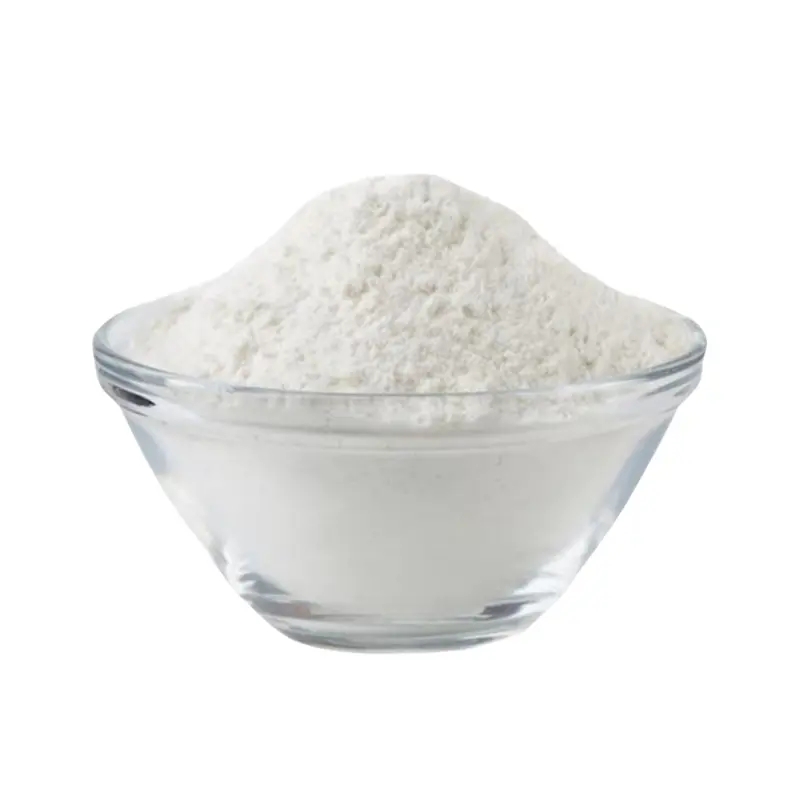
| Appearance | White to off-white crystalline powder |
| Solubility | Freely soluble in water; sparingly soluble in ethanol |
| Storage Conditions | Cool, dry, dark environment; sealed container; 2–8°C recommended for long-term stability |
| Purity (typical commercial grade) | ≥98% (HPLC) |
1.2 Biochemical Role and Mechanism
In the human body, 5-ALA is biosynthesized in the mitochondria from glycine and succinyl-CoA by the enzyme ALA synthase (ALAS). It is the rate-limiting, first committed step in the porphyrin biosynthesis pathway. Eight molecules of 5-ALA are sequentially condensed to ultimately form heme — the oxygen-carrying prosthetic group of hemoglobin, myoglobin, and cytochromes.
Of particular relevance to pharmaceutical and nutraceutical buyers: exogenous 5-ALA HCl supplementation can augment mitochondrial heme production, enhance ATP biosynthesis via the electron transport chain, and — in cells with reduced ferrochelatase activity such as certain tumor cells — lead to selective accumulation of protoporphyrin IX (PPIX), which is photoreactive and forms the basis for photodynamic diagnosis and therapy.
Reference: Wikipedia — Aminolevulinic acid (reviewed 2026); BioMed Central — Biotechnology for Biofuels & Bioproducts (2020)
2. Application Landscape for 5-ALA HCl Raw Material
2.1 Pharmaceutical and Clinical PDT Applications
The most established pharmaceutical application of 5-aminolevulinic acid hydrochloride is as a photosensitizer precursor in photodynamic therapy (PDT). After oral or topical administration, 5-ALA is taken up by cells and metabolized to PPIX. Upon activation by appropriate wavelength light, PPIX generates reactive oxygen species that selectively destroy target tissue.
Approved or clinically studied indications include:
- Actinic keratosis of the face and scalp (topical PDT with blue light)
- Malignant glioma surgery — intraoperative fluorescence-guided resection (oral 5-ALA)
- Bladder cancer diagnosis via fluorescence cystoscopy
- Paget’s disease and HPV-associated condylomata acuminata
For pharmaceutical API buyers, 5-aminolevulinic acid hydrochloride raw material must typically comply with EP (European Pharmacopoeia) and/or USP monograph specifications and be manufactured at a GMP-certified facility.
Reference: Wikipedia — Aminolevulinic acid; Chemical Book — CAS 5451-09-2; Selleck Chemicals product documentation
2.2 Nutraceutical and Dietary Supplement Formulations
In the supplement industry, 5-ALA HCl powder is gaining traction in the energy metabolism and healthy aging segments. The mechanistic rationale is supported by 5-ALA’s role in heme-dependent mitochondrial respiration: greater heme availability can support electron transport chain efficiency, thereby increasing cellular ATP output.
Specific nutraceutical applications attracting commercial interest include:
- Mitochondrial energy support and anti-fatigue supplements
- Iron metabolism support formulations (supporting hemoglobin synthesis)
- Healthy aging / longevity stacks paired with coenzymes such as NMN or CoQ10
- Sports performance products targeting ATP production and endurance
When sourcing 5-aminolevulinic acid hydrochloride bulk for supplement use, buyers should confirm that the raw material complies with food-grade or nutraceutical-grade specifications and that the supplier can provide GRAS status documentation or equivalent regulatory support for target markets.
2.3 Agricultural Biostimulant Applications
Beyond the human health sector, 5-ALA has a well-documented role as a plant growth regulator. Because 5-ALA is the precursor to chlorophyll, carefully controlled foliar application at low concentrations can boost photosynthetic activity, improve stress tolerance, and enhance crop yield.
The hydrochloride salt’s superior water solubility makes 5-aminolevulinic acid hydrochloride particularly suitable as a fertilizer additive or foliar spray component, where ease of dissolution is critical for uniform application. This sector represents an additional or alternative market for companies involved in 5-ALA HCl wholesale distribution.
Reference: Biotechnology for Biofuels and Bioproducts (2020) — ‘Efficient bioproduction of 5-aminolevulinic acid’
3. Quality Parameters Buyers Should Evaluate
For procurement and quality assurance teams, the following specifications are essential when evaluating any 5-aminolevulinic acid hydrochloride manufacturer or supplier:
3.1 Purity and Analytical Testing
- Assay (HPLC or titration): ≥98.0% is the standard commercial benchmark; pharmaceutical applications typically require ≥99.0%
- Residual solvents: must meet ICH Q3C limits or equivalent for the intended application
- Heavy metals: compliance with USP <232>/<233> or EP 5.20 elemental impurity guidelines
- Microbial limits: total aerobic count, absence of specified pathogens per intended use
- Water content (Karl Fischer): typically ≤1.0%
- Specific optical rotation: confirms stereochemical integrity
3.2 Documentation and Regulatory Support
Regardless of application sector, the following documents should be requested from any 5-aminolevulinic acid hydrochloride manufacturer before qualification:
- Certificate of Analysis (CoA) with test results traceable to specific batch/lot numbers
- Material Safety Data Sheet (MSDS/SDS)
- Manufacturing site GMP certificate (ISO 22000, GMP, or equivalent)
- Third-party analytical test reports (SGS, Eurofins, or equivalent)
- Stability data supporting the claimed shelf life
- Product specification sheet aligned with intended regulatory pathway (dietary supplement, API, agricultural input)
3.3 Packaging and Handling Considerations for Bulk Orders
5-ALA HCl powder is hygroscopic and light-sensitive. For 5-aminolevulinic acid hydrochloride bulk shipments, appropriate packaging is critical to product integrity:
- Double-layer polyethylene bags inside aluminum foil bags or fiber drums are standard
- Desiccant inclusion is recommended for long-distance or high-humidity transit
- Cold-chain shipping (2–8°C) is advisable for large or long-transit orders
- Confirm minimum order quantities (MOQ), typical lead times, and labeling compliance for destination market
4. Regulatory and Compliance Overview
4.1 United States
In the U.S., the regulatory pathway for 5-ALA HCl depends on the intended application. As a pharmaceutical active ingredient for PDT indications, it is classified as a drug substance and must meet FDA cGMP standards. For dietary supplement use, the ingredient may be positioned under DSHEA (Dietary Supplement Health and Education Act), but buyers should conduct a thorough new ingredient assessment if the compound is being newly introduced to a supplement formula. Self-affirmed GRAS status may be relevant for certain food or beverage applications.
4.2 European Union
Within the EU, pharmaceutical-grade 5-aminolevulinic acid hydrochloride raw material should comply with the European Pharmacopoeia (EP) monograph where applicable. Novel Food regulations (EU 2015/2283) may apply if the ingredient has not had a documented history of safe use in food or supplements within the EU prior to May 1997. Buyers sourcing for the EU market should request regulatory dossiers and Novel Food status clarification from their supplier.
4.3 China and Asia-Pacific
China’s National Medical Products Administration (NMPA) governs pharmaceutical APIs. For nutraceutical or health food applications in China, compliance with GB standards and relevant NMPA health food ingredient regulations applies. Suppliers in China who are export-oriented should hold ISO 22000, GMP, and preferably international third-party certifications (SGS, NSF, Kosher, Halal) to support overseas regulatory submissions.
Buyers evaluating an Asian-based 5-aminolevulinic acid hydrochloride manufacturer should specifically request export history, customer references in target regions, and evidence of successful customs clearance documentation.
5. How to Evaluate a 5-ALA HCl Supplier: A Practical Checklist
When shortlisting vendors for 5-aminolevulinic acid hydrochloride wholesale or long-term supply contracts, procurement teams should assess the following dimensions:
Manufacturing Capability
- Does the manufacturer produce 5-ALA HCl in-house using verified synthesis routes, or is it a trading company reselling third-party material?
- What is the annual production capacity? Can the supplier scale to meet your projected volume growth?
- Does the manufacturer have dedicated 5-ALA production equipment to prevent cross-contamination?
Quality System
- Is the site certified to GMP, ISO 9001, ISO 22000, or equivalent?
- Are batch records and CoAs available for review during supplier audits?
- Does the supplier conduct in-house HPLC analysis, or rely entirely on third parties?
Supply Chain Reliability
- What is the typical lead time from order placement to delivery?
- Does the supplier maintain buffer stock for key customers?
- What is the track record for on-time delivery and batch-to-batch consistency?
Regulatory Support Capability
- Can the supplier provide DMF (Drug Master File) support for pharmaceutical customers?
- Are regulatory affairs personnel available to assist with documentation for FDA, EFSA, or NMPA submissions?
- Is the supplier familiar with the specific requirements of your target market?
6. Market Trends and Commercial Outlook
Demand for 5-aminolevulinic acid hydrochloride raw material has grown steadily, supported by several converging trends:
Expansion of PDT in oncology and dermatology: The clinical evidence base for 5-ALA in photodynamic diagnosis and therapy continues to grow. Increasing adoption of fluorescence-guided glioma surgery and PDT for skin cancers is expanding the pharmaceutical API market.
Rising consumer interest in mitochondrial health: The mitochondrial medicine space — encompassing NMN, CoQ10, PQQ, and now 5-ALA — is a significant growth category in the global supplement market. Formulators developing premium energy and longevity supplements are actively exploring 5-ALA HCl as a differentiated active ingredient.
Growth of precision agriculture: As agricultural sector interest in biostimulants grows, 5-ALA’s well-documented plant growth regulatory effects are attracting attention from agrochemical formulators seeking naturally derived, biodegradable growth enhancers.
Advances in biosynthetic manufacturing: Traditional chemical synthesis of 5-ALA involves multi-step processes with moderate yields. Advances in fermentation-based bioproduction using engineered microorganisms such as Corynebacterium glutamicum are beginning to offer cost-competitive, scalable, and more sustainable manufacturing routes, potentially reducing input costs for bulk buyers.
Reference: Biotechnology for Biofuels & Bioproducts (2020) — fermentation-based 5-ALA bioproduction
7. Summary
5-Aminolevulinic acid hydrochloride (CAS 5451-09-2) is a versatile, scientifically validated compound with established pharmaceutical applications in photodynamic therapy and an expanding presence in nutraceutical and agricultural markets. For businesses sourcing supplement raw materials or pharmaceutical actives, a well-qualified 5-aminolevulinic acid hydrochloride manufacturer should demonstrate high purity (≥98% HPLC), robust quality certifications (GMP, ISO 22000), transparent documentation, and reliable bulk supply capabilities.
Buyers should prioritize suppliers with demonstrated export experience in their target regulatory jurisdiction, the ability to provide comprehensive quality documentation, and the technical resources to support formulation and regulatory submissions. Whether your need is for small-scale R&D quantities or large 5-aminolevulinic acid hydrochloride wholesale volumes, supplier qualification should be treated with the same rigor as any other critical raw material.
Frequently Asked Questions (FAQ)
Q1: What is the difference between 5-ALA free acid and 5-aminolevulinic acid hydrochloride?
5-Aminolevulinic acid (free acid) and its hydrochloride salt (5-ALA HCl) contain the same active moiety. The hydrochloride form offers superior aqueous solubility, improved stability in powder form, and better handling characteristics during manufacturing — which is why most commercial supplement raw materials and pharmaceutical APIs are supplied as the hydrochloride salt. When evaluating assay values from a CoA, be aware of the molecular weight difference (131.13 g/mol for free acid vs. 167.59 g/mol for HCl salt).
Q2: What purity grade should I specify for nutraceutical versus pharmaceutical use?
For dietary supplement and nutraceutical applications, ≥98% purity (HPLC) with verified heavy metal and microbial testing is the standard commercial benchmark. For pharmaceutical API use (drug product manufacturing), buyers typically require ≥99% purity, full ICH Q3C residual solvent compliance, GMP-certified manufacturing, and may require a Drug Master File (DMF) from the supplier. Always clarify the intended application with your supplier at the outset of qualification.
Q3: How should 5-aminolevulinic acid hydrochloride bulk material be stored?
5-ALA HCl is hygroscopic and photo-sensitive. Bulk material should be stored in sealed, moisture-proof containers (double-layer PE bags inside aluminum foil or HDPE drums) in a cool, dry, dark environment. Short-term storage at room temperature (15–25°C) in sealed containers is acceptable; for long-term inventory, refrigerated storage (2–8°C) is recommended. Once opened, contents should be resealed immediately and used promptly.
Q4: Is 5-ALA HCl approved for use in dietary supplements in the United States?
As of current knowledge, 5-ALA is not listed on the FDA’s New Dietary Ingredient (NDI) notification database as a widely pre-notified ingredient. Companies introducing 5-ALA HCl into a dietary supplement formula in the U.S. should conduct an NDI assessment and, where required, submit a premarket NDI notification to the FDA. Buyers should consult with qualified regulatory counsel and request all available regulatory documentation from their chosen 5-aminolevulinic acid hydrochloride manufacturer to support their submission.
Q5: What minimum order quantities (MOQ) are typical for 5-ALA HCl bulk orders?
MOQs vary by supplier and grade. For research or small-batch nutraceutical production, quantities from 100g to 1kg are common for specialty distributors. For industrial-scale 5-aminolevulinic acid hydrochloride wholesale buyers, manufacturers typically offer pricing breaks starting at 1kg, 5kg, or 25kg. For large commercial scale, bulk packaging of 25kg per drum or larger is standard. Always confirm lead times, packaging configurations, and available certifications for the specific batch quantity you require.
Q6: Can 5-ALA HCl be combined with other supplement raw materials such as NMN or CoQ10?
From a formulation science perspective, 5-ALA HCl is compatible with many commonly used mitochondrial health ingredients including NMN (nicotinamide mononucleotide), NAD+, NADH, and Coenzyme Q10. The complementary mechanisms — 5-ALA supporting heme-dependent electron transport while NMN/NAD precursors support NAD-dependent enzyme activity — make these combinations of scientific interest. However, compatibility testing, stability data, and clinical evidence for specific combination products remain the responsibility of the formulating company.
About GOTHINK Biotech
GOTHINK Biotech is a professional manufacturer and global supplier of functional raw materials for the nutraceutical, dietary supplement, and pharmaceutical industries, headquartered in China. Our facilities are certified to ISO 9001, ISO 22000, GMP, SGS, NSF, CQC, Halal, and Kosher standards, and our scientific team — trained in pharmaceutical and biological sciences — oversees all stages of R&D, production, and quality control.
Our core product lines include:
- Coenzymes: NMN, NMNH, NAD+, NADH, NADP, Coenzyme Q10, Folic Acid, NR (Nicotinamide Riboside)
- Human Milk Oligosaccharides (HMOs): 2′-Fucosyllactose (2′-FL), 3-Fucosyllactose (3-FL), Lacto-N-tetraose (LNT), Lacto-N-neotetraose (LNnT)
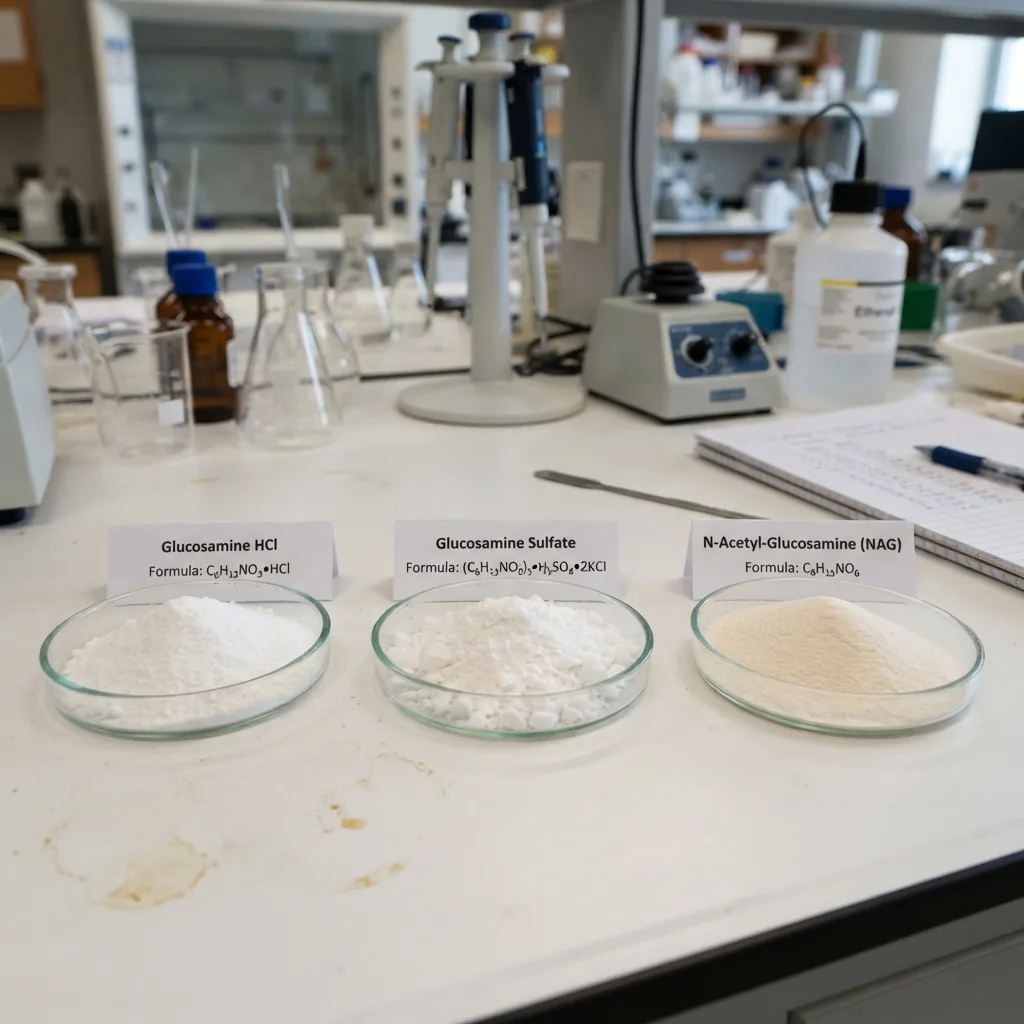
- Glucosamine Series: Glucosamine, Glucosamine Hydrochloride, Glucosamine Sulfate, N-Acetyl-Glucosamine
- Saccharide Derivatives: N-Acetylneuraminic Acid (Sialic Acid), Reb D, Reb M, Rh2/Rg3
- 5-Aminolevulinic Acid Hydrochloride (5-ALA HCl) and other specialty amino acid derivatives
With over 2,000 customized formulations developed annually, GOTHINK Biotech offers OEM/ODM manufacturing services and maintains a robust global supply chain capable of supporting partners from early-stage product development through large-scale commercial production. We provide complete third-party testing reports, full technical documentation, and regulatory support for customers in North America, Europe, Asia-Pacific, and beyond.
For sourcing inquiries, technical specifications, or sample requests for 5-aminolevulinic acid hydrochloride powder or any of our other supplement raw materials, please contact our business development team.
© GOTHINK Biotech — This document is intended for B2B informational purposes only. It does not constitute medical, regulatory, or legal advice.