


Core Requirements for Glucosamine Manufacturing
Glucosamine Manufacturing requires tight control of four interlocked variables: assay on dried basis, moisture content, counterion identity, and microbial limits. Together, these parameters determine batch-to-batch consistency in finished joint health supplements. Glucosamine raw material is dosed at 500 mg to 1500 mg per day in joint health formulations, with regulatory oversight under 21 CFR 111 in the United States. Moisture above 1.0% accelerates caking and degradation during storage at 25°C / 60% RH, making humidity control a first-line quality priority.
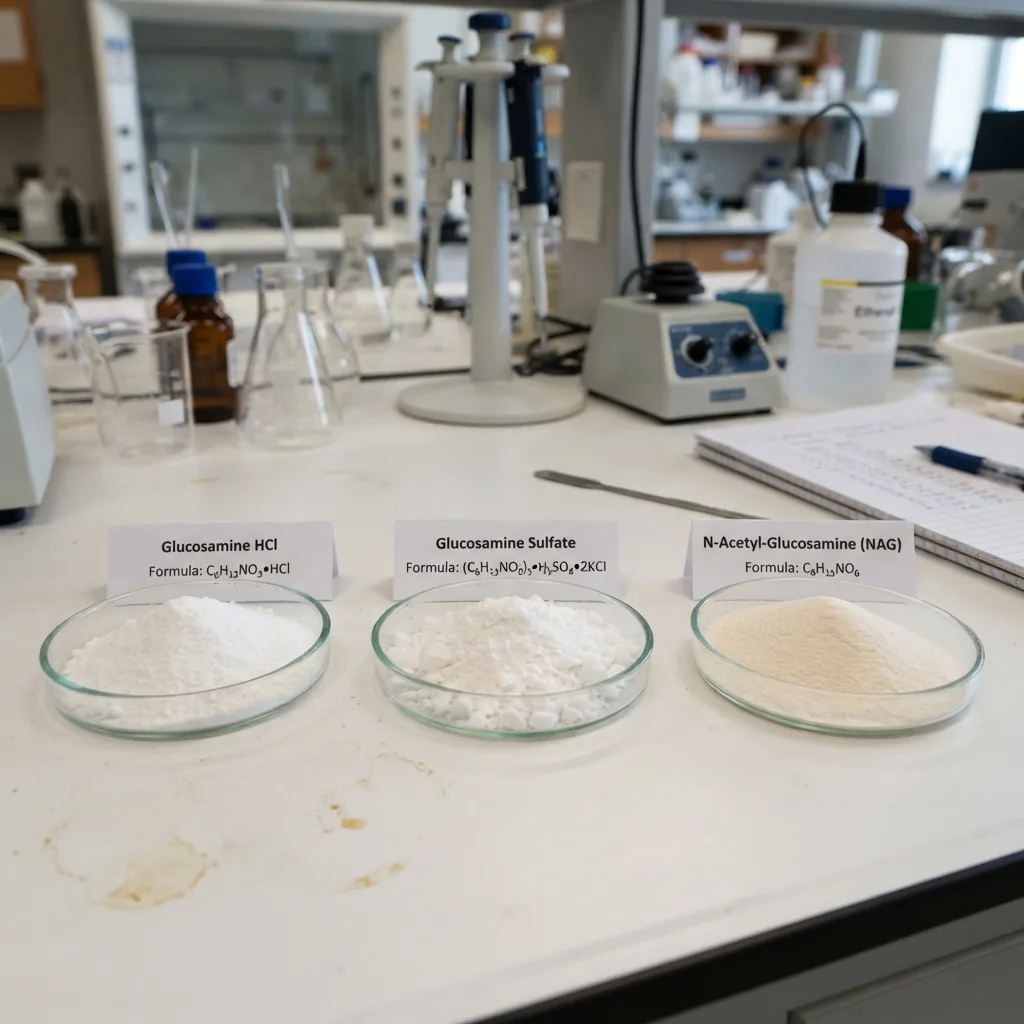
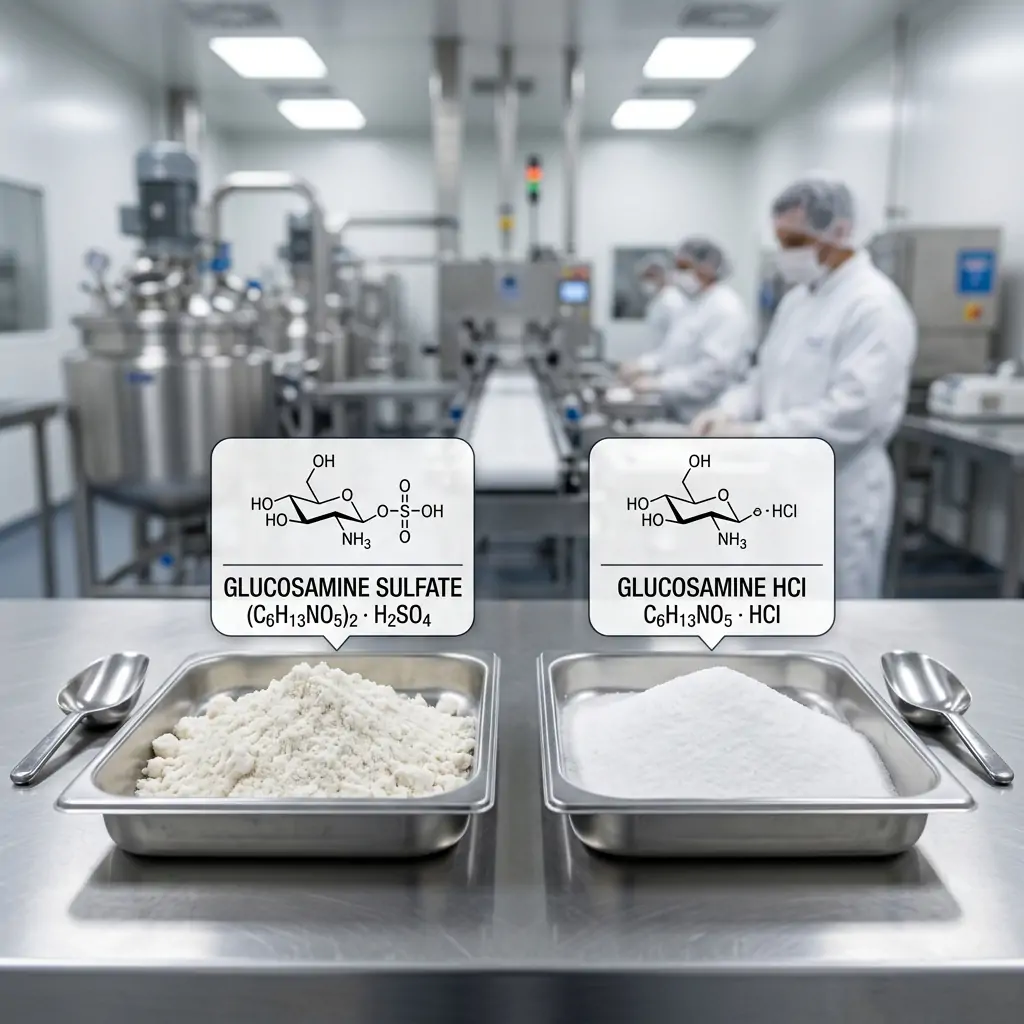
Commercial forms include Glucosamine (GlcN), Glucosamine Hydrochloride, and Glucosamine sulfate — each with distinct CAS numbers and solubility profiles. Glucosamine Hydrochloride (CAS 66-84-2) has molecular weight 215.63 g/mol and formula C6H13NO5·HCl. Glucosamine sulfate (CAS 29031-19-4) is commonly supplied as the sodium chloride complex (CAS 31284-96-5) with formula (C6H14NO5)2SO4 and molecular weight 456.42 g/mol for the base dimer.
The minimum assay value for pharmaceutical-grade Glucosamine Hydrochloride is 98.0% to 102.0% on dried basis per USP monograph. Buyers evaluating Glucosamine bulk against pharmaceutical standards use USP <621> for chromatography and USP <731> for loss on drying. Glucosamine Powder that fails pH specification 3.5 to 5.0 in a 2% aqueous solution indicates incomplete purification and should be rejected at intake.
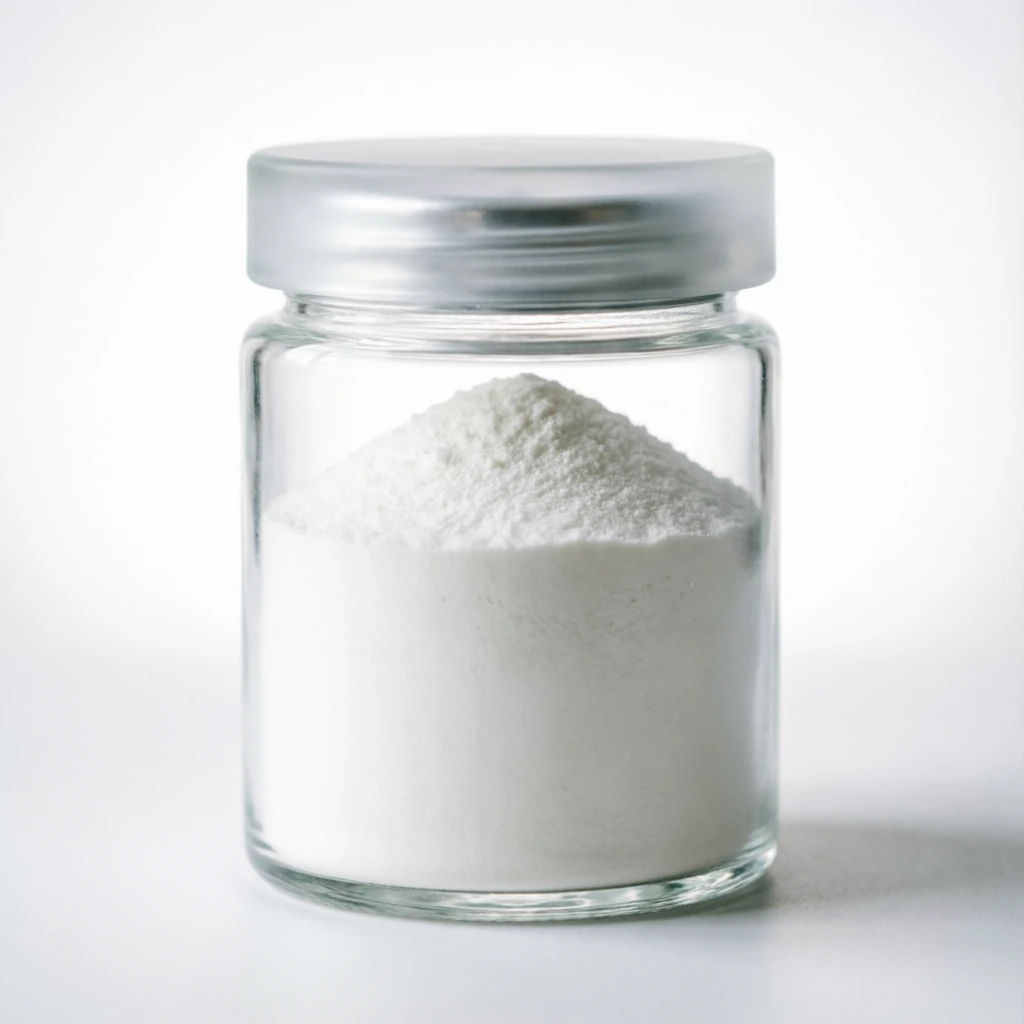
Critical Parameters That Define Glucosamine Raw Material Quality
Assay and Counterion Content
Assay determines the true Glucosamine raw material content, excluding salts and moisture. The USP method uses HPLC with refractive index detection and requires resolution NLT 2.0 between glucosamine and related impurities. Glucosamine sulfate 2KCl complex must contain 98.0% to 102.0% of labeled chloride content, verified by potentiometric titration per USP <541>.
Counterion mislabeling changes bioavailable glucosamine by up to 26%. Glucosamine Hydrochloride contains 83.1% base glucosamine, while Glucosamine sulfate 2KCl contains 58.9% base glucosamine. Glucosamine manufacturer formulation teams must calculate input based on base equivalence, not salt weight, to hit label claims accurately.
Moisture and pH Control
Loss on drying for Glucosamine Hydrochloride must be NMT 1.0% per USP, measured at 105°C to constant weight per USP <731>. Moisture above this threshold reduces flowability — angle of repose increases from 32° to 45° in stability studies. pH of a 2% solution in water is 3.5 to 5.0 for hydrochloride and 3.0 to 5.0 for sulfate forms.
Glucosamine bulk is hygroscopic and absorbs 0.8% to 1.2% water in 24 hours at 60% RH when packaging lacks barrier protection. GMP-certified cleanroom operations use double LDPE liners inside aluminum drums to maintain moisture NMT 0.5% at release. Bulk density for standard 80-mesh powder ranges 0.65 g/mL to 0.85 g/mL.
Heavy Metals and Residual Solvents
Elemental impurities must comply with ICH Q3D and USP <232>. Limits for oral dosage forms: lead NMT 0.5 ppm, arsenic NMT 1.5 ppm, cadmium NMT 0.5 ppm, mercury NMT 0.5 ppm. Testing is performed by ICP-MS per USP <233> with quantification limit 0.05 ppm.
Production processes using chitin hydrolysis may leave residual isopropanol or ethanol. USP <467> Class 3 solvent limit is 5000 ppm, with total residual solvents NMT 0.5%. Allergen statements for crustacean-derived material require protein NMT 100 ppm by Bradford assay; vegan fermentation-derived alternatives test below detection limit (10 ppm).
Microbiological and Particle Characteristics
Microbial limits for non-sterile dietary ingredients are TAMC NMT 1000 CFU/g and TYMC NMT 100 CFU/g per USP <61> and <62>. Absence of Escherichia coli and Salmonella in 10 g is required. Particle size D90 NMT 250 microns is specified for capsule filling, with 80-mesh to 120-mesh distribution improving content uniformity RSD below 3%.
Bulk density variation greater than 0.1 g/mL between lots causes tablet weight variation exceeding USP <905> limit L1 = 15.0. Glucosamine Powder for gummy manufacturing requires D90 below 150 microns to prevent grittiness. Sulfated ash NMT 0.1% indicates inorganic impurity control per USP <281>.
Testing Methods for Glucosamine Bulk Verification
HPLC assay for Glucosamine Hydrochloride uses a 4.6 mm × 25 cm L19 column at 30°C with water as mobile phase at 0.8 mL/min. System suitability requires RSD NMT 2.0% for 6 replicate injections. FTIR identification must show concordance with USP reference spectrum, correlation coefficient NLT 0.95 between 4000 cm⁻¹ and 650 cm⁻¹.
Chloride identification for hydrochloride salt uses the silver nitrate precipitation test — a white curdy precipitate soluble in ammonium hydroxide per USP <191>. Sulfate identification uses the barium chloride test, producing a white precipitate insoluble in acid. Specific optical rotation for a 2% solution is +68° to +74° at 20°C at 589 nm.
Loss on drying is performed on a 1.0 g sample at 105°C for 2 hours until weight loss between successive weighings is NMT 0.5 mg. Residue on ignition NMT 0.1% is tested at 600°C per USP <281>. Heavy metals quantification by ICP-MS requires microwave digestion in nitric acid and calibration with NIST-traceable standards.
Microbiological testing follows USP <61> membrane filtration or plate count, with incubation at 30°C to 35°C for 3 to 5 days for TAMC. Stability-indicating method validation includes forced degradation at 80°C for 24 hours, exposure to 0.1 N HCl and 0.1 N NaOH, and oxidative stress with 3% hydrogen peroxide. Degradation products above 0.1% must be resolved from the main peak.
Formulation Compatibility and Stability Considerations
Glucosamine undergoes Maillard reaction with reducing sugars and carbonyl compounds at water activity above 0.6, producing brown discoloration (absorbance increase 0.2 AU at 420 nm). Compatibility screening at 40°C / 75% RH for 4 weeks with excipients is required per ICH Q1A. Chondroitin sulfate combined at ratio 3:2 with glucosamine shows no assay loss when moisture is maintained below 0.8%.
Glucosamine sulfate is less stable than hydrochloride in aqueous solution, with 10% loss after 30 days at pH above 6.0 and 25°C. Glucosamine Hydrochloride maintains 98.5% potency after 6 months at 25°C / 60% RH in sealed containers. Tablets containing 1500 mg glucosamine require coating with a moisture barrier polymer achieving WVTR below 5 g/m²/day.
Effective dosage for joint health structure/function claims is 1500 mg per day as hydrochloride, supported by 24-week trials using 500 mg three times daily. Regulatory maximum in EU food supplements is 1500 mg per daily dose per Directive 2002/46/EC. Powder blends for stick packs require overage of 2% to 3% to compensate for processing loss, not exceeding 105% of label claim.
Liquid and gummy formats need pH adjustment to 3.5 to 4.5 with citric acid to prevent hydrolysis, while avoiding ascorbic acid above 100 mg per serving (it accelerates oxidation). Dissolution of 500 mg capsules must be NLT 75% in 30 minutes in water at 37°C per USP <711>.
Regulatory Status Across Major Markets
Glucosamine Hydrochloride is regulated as a dietary ingredient under DSHEA 1994 in the United States, with NDI notification not required for pre-1994 forms. FDA 21 CFR 111 requires identity testing of each lot of supplement raw materials by a specific test method. The USP-NF monograph for Glucosamine Hydrochloride specifies identification tests A, B, and C.
The European Union classifies glucosamine as a food supplement ingredient under Directive 2002/46/EC, not Novel Food when derived from shellfish chitin. EFSA has not authorized Article 13.1 joint health claims, so labeling must use general well-being wording. Maximum sulfate intake from supplements is limited to 1000 mg per day as sulfate ion in some member states.
Japan lists glucosamine under the Food with Functional Claims system with notification to CAA, requiring clinical dose of 1500 mg per day as hydrochloride. China includes Glucosamine Hydrochloride in the Health Food Raw Material Directory with daily dosage 720 mg to 1920 mg as hydrochloride. Australia’s TGA classifies glucosamine as a Listed medicine ingredient with daily limit 2000 mg as hydrochloride/sulfate equivalent.
Glucosamine Powder Specification Reference
| Parameter | Test Method | Requirement |
|---|---|---|
| Chemical Identity | CAS / FTIR | 66-84-2 for HCl; 29031-19-4 for sulfate |
| Molecular Formula | Reference | C6H13NO5·HCl |
| Assay (dried basis) | HPLC USP <621> | Per COA; USP requires 98.0%–102.0% |
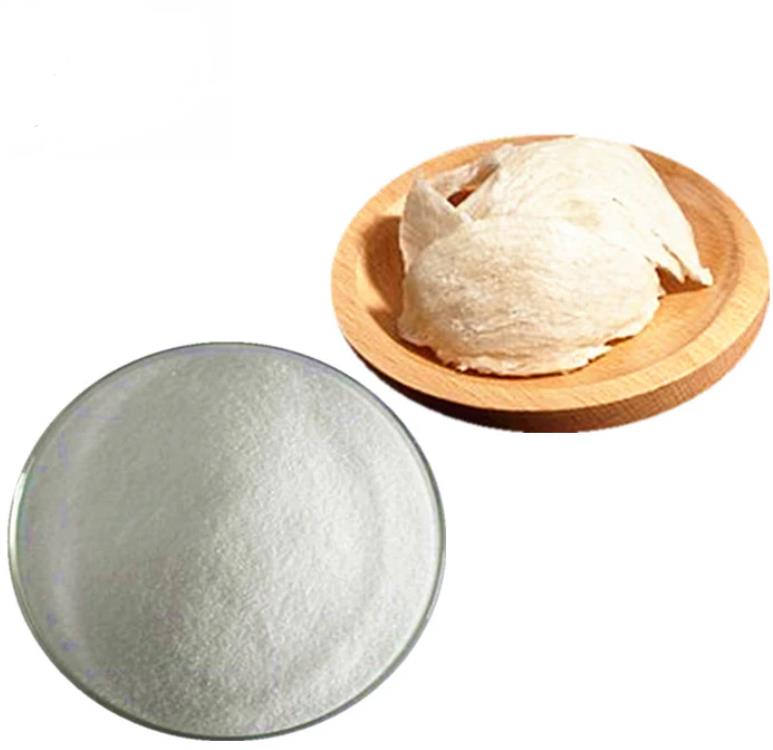
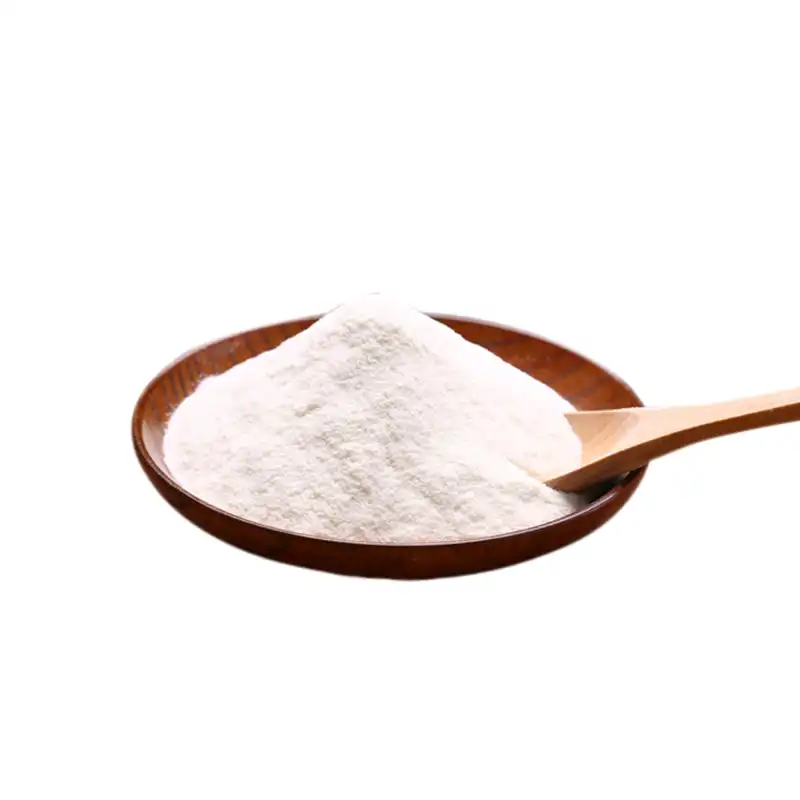
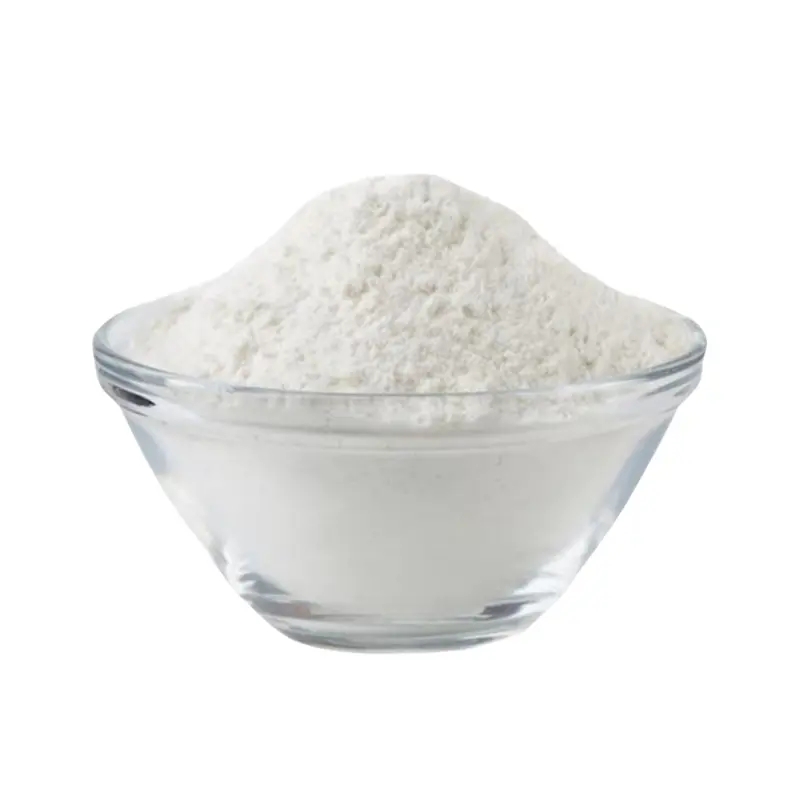
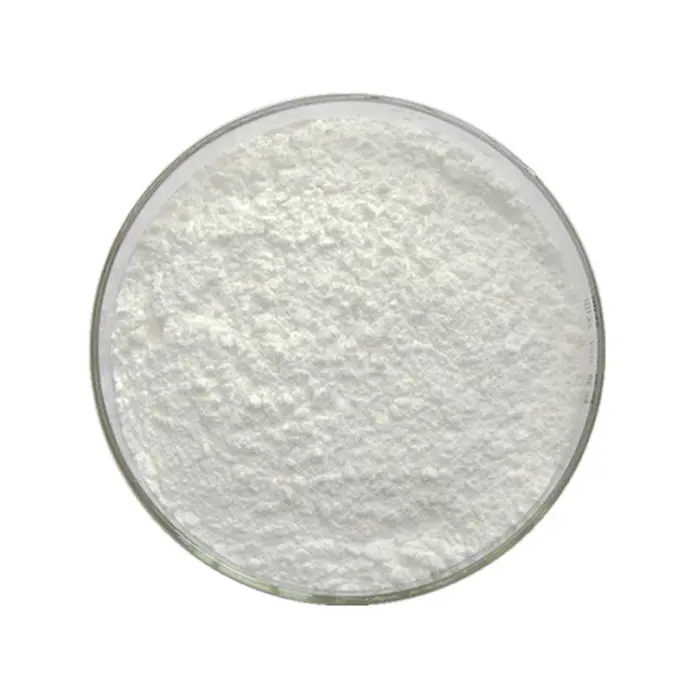
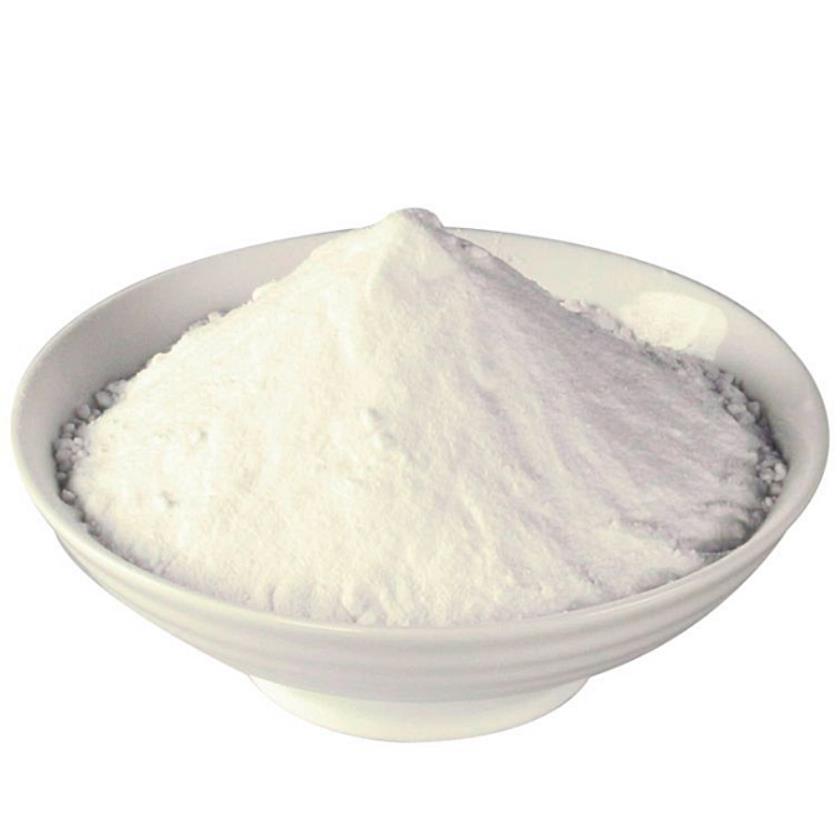
| Appearance | Visual | White crystalline powder |
| Solubility | USP <1236> | Freely soluble in water |
| Loss on Drying | USP <731> | Per COA; NMT 1.0% |
| pH 2% Solution | USP <791> | Per COA; 3.5–5.0 for HCl |
| Heavy Metals | ICP-MS USP <233> | Per COA; meets ICH Q3D |
| Storage | ICH Q1A | Cool dry place; 24 months sealed |
Frequently Asked Questions
What assay differentiates pharmaceutical grade Glucosamine Hydrochloride from food grade?
Pharmaceutical grade requires 98.0% to 102.0% on dried basis per USP, while food grade typically specifies NLT 98.0% without upper limit control.
Which test confirms Glucosamine sulfate versus hydrochloride?
The chloride test with silver nitrate and sulfate test with barium chloride per USP <191> distinguish counterions, supported by FTIR spectrum comparison.
Why does moisture control stability of Glucosamine Powder?
Moisture above 1.0% increases water activity above 0.6, triggering Maillard browning and caking during 25°C / 60% RH storage.
What heavy metal limits apply to Glucosamine bulk?
USP <232> and ICH Q3D require lead NMT 0.5 ppm, arsenic NMT 1.5 ppm, cadmium NMT 0.5 ppm, mercury NMT 0.5 ppm by ICP-MS.
How should Glucosamine raw material be stored for maximum shelf life?
Store at 15°C to 25°C, RH below 60%, in sealed drums with double PE liners, achieving 24 months stability per ICH Q1A long-term data.
Partner with a Trusted Glucosamine Supplier
At Gothink Biology, we manufacture and supply high-purity glucosamine ingredients for supplement brands worldwide. Our GMP-certified facility produces 16 tons daily, with ISO 9001, ISO 22000, GMP, SGS, NSF, CQC, Halal, and Kosher certifications. Whether you need Glucosamine Hydrochloride, Glucosamine sulfate, N-Acetyl-Glucosamine, or custom specifications, our technical team provides full documentation support including COA, third-party test reports, and regulatory guidance.
Explore our full Joint & Bone Health Ingredients portfolio and the technical deep-dives in our Glucosamine Knowledge Hub. Contact our technical team today to discuss your bulk ingredient requirements.
This article is provided by Gothink Biology, a dietary supplement manufacturer and raw material supplier based in Shenzhen, China.