


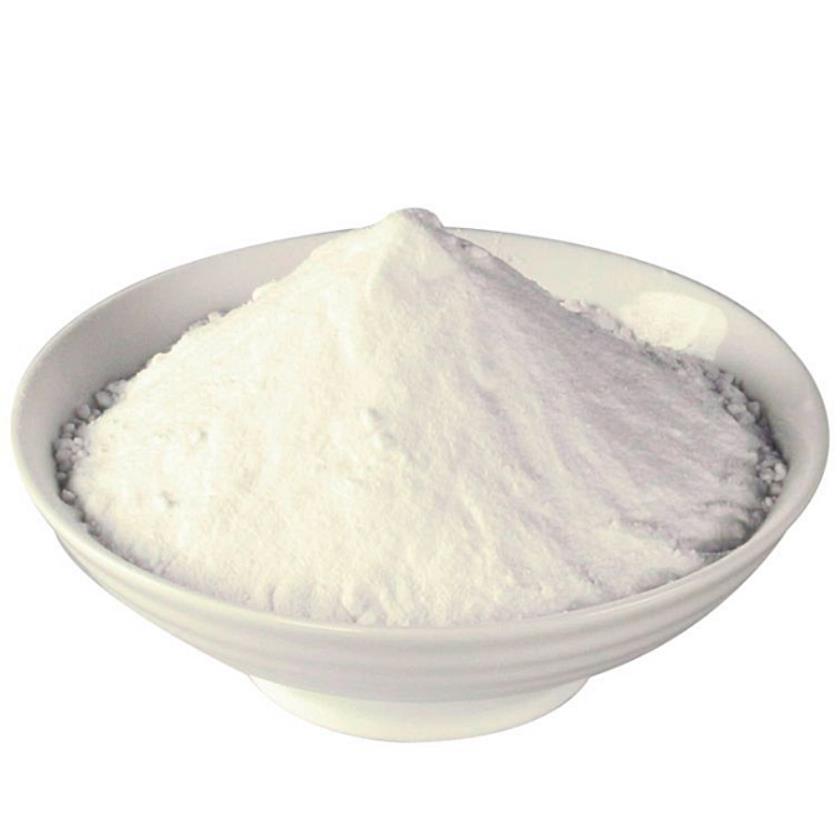
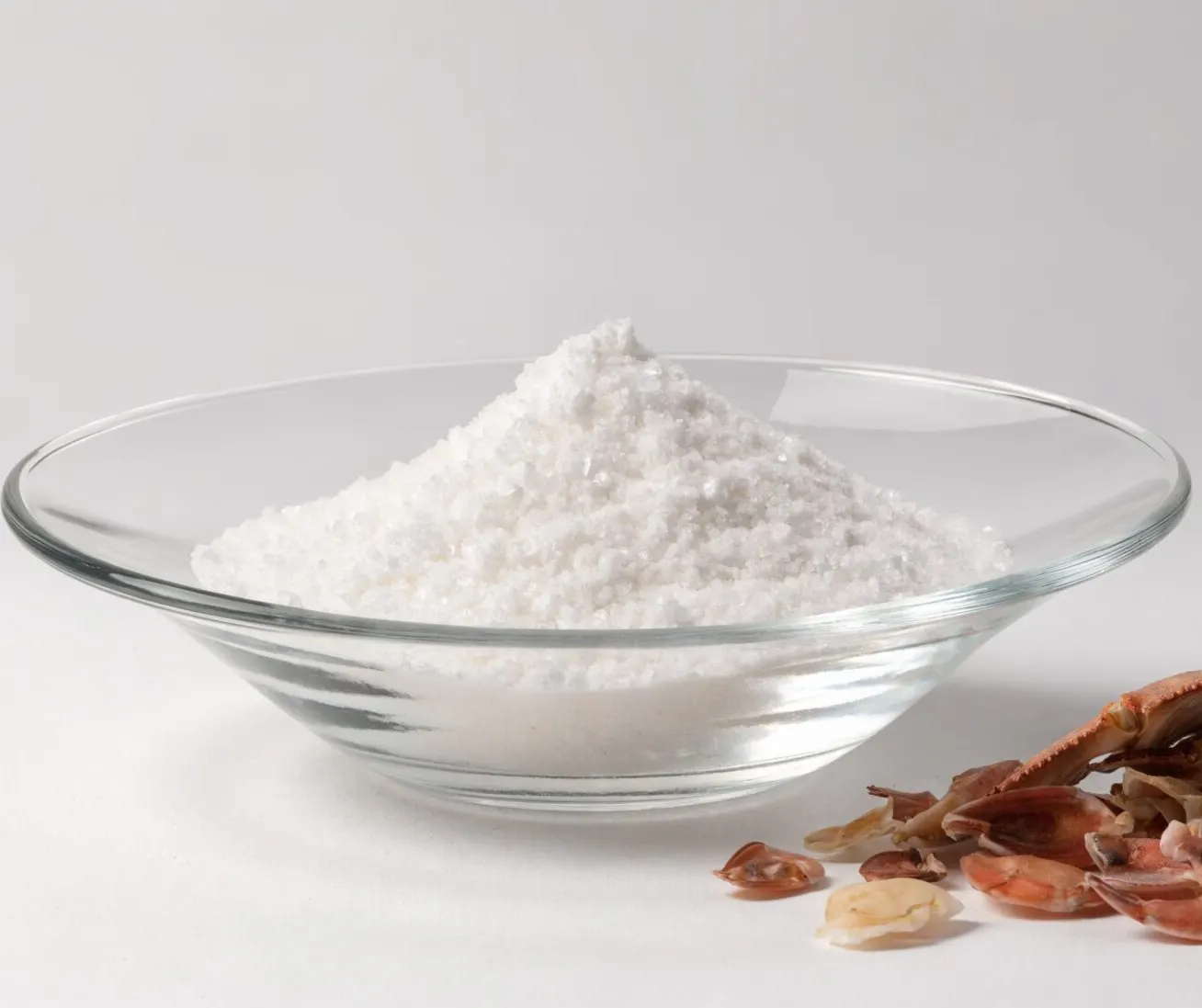
Key Takeaways for Sourcing Teams
- Source route matters: Fermentation-derived NAG avoids crustacean allergens and supports vegan, HALAL, KOSHER claims; shell-derived NAG requires stricter allergen control.
- Purity is a formulation variable: Low ash, low residual solvent, and consistent moisture directly improve gummy texture, pH stability, and shelf life.
- Validate in final dosage form: Run cooking, depositing, and drying trials in pectin or gelatin systems—not just capsule or tablet tests.
- Documentation reduces time-to-market: Ask for full COAs, allergen statements, residual solvent data, and multi-batch consistency before scaling.
Why Ingredient Selection Matters for Supplement Brands
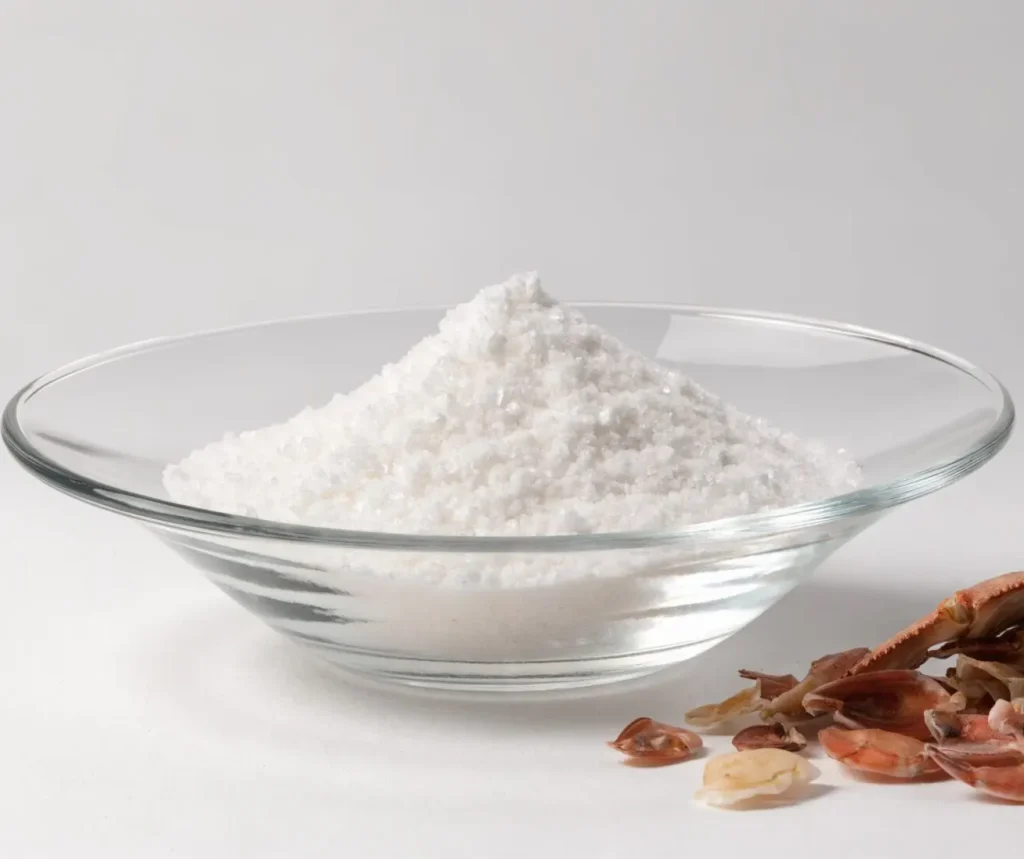
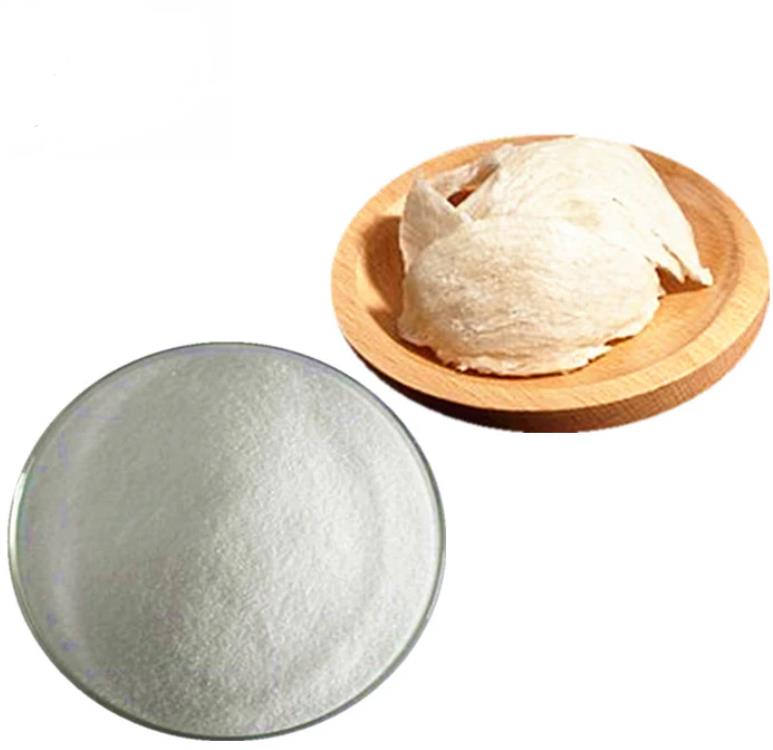
The end molecule is the same regardless of source, but the impurity background is not. Shell-derived material can carry residual protein, pigments, ash, and process acids from deproteinization and demineralization. Fermentation-derived material carries a different profile, typically related to fermentation media and biomass removal, with no crustacean protein introduced at any step.
That background drives business decisions. Shell-derived NAG triggers allergen labeling and fails vegan positioning, which limits access to plant-based markets in North America and Europe. Fermentation-derived NAG avoids crustacean allergen from the start and aligns more easily with HALAL, KOSHER, and Vegan audits when the facility holds those certifications.
Purity on a COA does not always predict performance in finished goods. Lots with similar assay can differ in sensory, color, and pH impact during gummy depositing or beverage pasteurization. Those differences appear after cooking, drying, or long-term storage, when reformulation is most expensive.
For teams buying supplement raw materials, total cost includes compliance documentation, rework, and stability failures. A lower price per kilo can become higher cost if it requires extra buffering, additional micro testing, or label changes for allergen declarations. Evaluating source route early prevents that shift.
Key Ingredient Considerations for Formulators
NAG is used at higher inclusion levels than flavors, acids, or colors, so its physical chemistry influences texture, clarity, and water activity. When you source NAG powder, you are sourcing a functional ingredient that must dissolve, survive heat and acid, and remain stable in the final matrix. The right specification depends on your dosage form, not just on assay.
Solubility and Dispersibility
N-Acetyl-Glucosamine is highly water soluble and gives a clear solution at use levels common in gummies and beverages. It disperses quickly in the water phase when added with moderate agitation, which reduces risk of gritty mouthfeel or white spots after drying. Pre-dissolving before adding gelling agents helps maintain uniformity.
In powder sticks and dry-blended capsules, particle size and flow affect handling. Fine, low-moisture grades reduce dusting and improve blend uniformity with other actives. For beverages, confirm clarity at serving concentration and in the presence of minerals, as divalent salts can alter appearance when combined with some flavors.
pH Stability
NAG is more acid-stable than glucosamine hydrochloride or sulfate, which is why formulators prefer it for pectin gummies and acidic drinks. Still, prolonged exposure to low pH combined with high heat can drive deacetylation and increase browning when reducing sugars are present. Add NAG after the high-temperature cook and control hold time before acid activation.
Gelatin gummies are typically processed near neutral pH and at lower depositing temperatures, which is gentler for potency retention. Pectin gummies require acid to set the network, so the processing window after acid addition is short. Designing addition point and order of addition around pH helps preserve potency across both systems.
Heat Sensitivity and Active Potency Retention
NAG tolerates moderate heat better than many amino sugars, but it is not inert. Extended heating in open kettles or in holding tanks can lead to color darkening and subtle off-notes, especially when co-processed with sugars and fruit concentrates. For gummies, keep the bulk in the conditioning tank as short as feasible and avoid recirculation loops that repeatedly reheat the mass.
For tablet compression and capsule filling, heat stress is low, so potency retention is mainly driven by moisture and excipient compatibility. In beverages, short high-temperature pasteurization is generally better tolerated than long low-temperature holds. Validate with a pilot run in your actual matrix rather than relying on raw material data alone.
Moisture Sensitivity and Storage
NAG powder is moderately hygroscopic, with fine grades absorbing moisture faster than coarse grades. Moisture uptake leads to caking, poor flow, and accelerated loss during storage, especially in gummies with higher water activity. Request moisture barrier packaging with inner liners and advise warehouse handling under low humidity.
Finished product stability depends on water activity more than total moisture. High water activity increases molecular mobility and can soften gummies while reducing chemical stability. For capsules, tablets, and powders, low-moisture carriers and sealed containers with desiccant support long-term assay retention.
Compatibility with Delivery Formats
In gummy formats, NAG is generally compatible with both pectin and gelatin networks. The main formulator variable is ash and ionic load from the raw material, which can shift buffer demand in pectin systems and require pH correction. Cleaner, low-ash lots give more predictable set and less adjustment.
In capsule and tablet formats, encapsulation needs are straightforward because NAG does not require special coating for taste masking at typical levels. It blends well with microcrystalline cellulose and other low-moisture diluents. For chewable tablets, monitor flavor compatibility, as aldehydes in some natural flavors can cause discoloration when heated with amino sugars.
In beverage and powder formats, NAG dissolves clearly and does not add viscosity. Test compatibility with high-mineral premixes, proteins, and acidic flavors separately. In ready-to-drink systems, evaluate clarity and color after heat treatment and over accelerated storage, not just immediately after mixing.
Heavy Metal, Microbial, and Residual Impurities
Heavy metal and microbial profiles differ by source route and must be verified at the raw material level. Shellfish-derived NAG may carry higher background from marine environment, requiring tight control for lead, arsenic, cadmium, and mercury. Fermentation-derived NAG has lower risk for marine contaminants but still requires control for bioburden from fermentation and downstream handling.
For chemical synthesis, ask for statements on residual solvents, residual proteins, and process acids. For fermentation, ask for fermentation media composition, allergen status of media components, and purification steps for biomass removal. Both routes should provide total plate count, yeast and mold, and absence of specified objectionable organisms relevant to your market.
Batch-to-Batch Consistency
Consistency matters more than a single good COA when you run continuous manufacturing. Shell-derived NAG can vary with seasonal raw material quality and demineralization efficiency. Fermentation-derived NAG is controlled through bioreactor parameters and purification, which often gives tighter control over ash, pH of solution, and sensory.
When evaluating a NAG manufacturer, review several consecutive lots for assay, loss on drying, residue on ignition, pH, and micro. Look for narrow ranges and stable trends rather than isolated high purity. That consistency translates into less reformulation and fewer depositing adjustments for OEM/ODM lines.
Global Compliance Considerations
Global market access depends on documentation, not just material quality. U.S. FDA facility registration, ISO9001, ISO22000, HACCP, and GMP describe the quality system for NAG bulk. HALAL, KOSHER, BRC, FSSC 22000, and Vegan certifications support retail approvals in Middle East, Europe, and plant-based channels.
Shell-derived NAG can achieve HALAL and KOSHER with appropriate controls but cannot support vegan claims. Fermentation-derived NAG can support all three when the facility holds current certifications and documents non-animal fermentation media. Gothink Synbio manufactures via biosynthesis, fermentation, extraction, and purification for gummy, capsule, tablet, beverage, and powder applications, under GMP-certified conditions with 100,000-class cleanroom and 10,000-class R&D lab, and maintains ISO9001, ISO22000, HACCP, FDA, HALAL, GMP, KOSHER, BRC, FSSC 22000, and Vegan, which simplifies multi-market dossier preparation.
Comparison: Fermentation vs. Chemical Synthesis
| Attribute | Fermentation-Derived NAG | Shell-Derived Chemical Synthesis NAG |
|---|---|---|
| Input material | Microbial fermentation, no crustacean input | Chitin from shrimp or crab shells |
| Allergen and vegan | No crustacean protein introduced, suitable for vegan positioning with proper certification | Crustacean allergen risk, not vegan |
| Impurity focus | Fermentation nutrients and biomass residues, low ash | Residual protein, ash, pigments, process acids |
| Stability behavior | More predictable pH impact and cleaner sensory in low-pH gummies and drinks | May require extra buffering and sensory screening for marine notes |
| Supply consistency | Controlled by fermentation parameters, less seasonal variation | Dependent on shellfish harvest and demineralization efficiency |
Use the table to align sourcing with your brand positioning. If your portfolio is vegan or allergen-free, fermentation provides a simpler compliance path. If you are formulating in a facility that already handles shellfish allergens and does not need vegan claims, shell-derived may be acceptable with stronger allergen controls.
Common Mistakes When Sourcing Raw Materials
One common mistake is qualifying NAG only as NAG powder in isolation. Behavior changes once it is cooked with sugars, acids, and flavors. Always test in your finished matrix at final solids and process conditions before committing to scale.
Another mistake is requesting only assay and ignoring residual protein, ash, and pH of solution. Those parameters influence gelling, color, and buffer demand, especially in pectin systems. A complete spec avoids unexpected texture or color shifts.
Buyers often overlook packaging and freight conditions. Single-layer bags without liners absorb moisture during ocean transit and create caking that looks like a manufacturing defect. Confirm inner liners, seals, and pallet protection, particularly for export.
- Focus on price per kilo without estimating reformulation, scrap, and documentation cost
- Fail to confirm allergen and vegan status before artwork and certification submission
- Skip pilot trials in gummy, beverage, or powder matrix and rely only on capsule data
- Accept one COA instead of reviewing multi-lot trend data for moisture and ash
How to Evaluate a Raw Material Supplier
Start with process transparency and quality system. A credible NAG manufacturer should explain source route, purification steps, critical control points, and how they control heavy metals and micro. If a supplier cannot describe purification, qualification becomes difficult.
Ask for batch-to-batch data and application support. Review consecutive lots, not just a retained sample, and request guidance on addition point, heat exposure, and compatibility with your delivery format. Suppliers with formulation support and ingredient customization experience can advise on particle size and flow for capsule versus gummy lines.
Verify documentation for your target markets. For supplement raw materials you need allergen statements, residual solvent statements, GMO and BSE/TSE statements, heavy metal statements, manufacturing flowcharts, and current certification copies. For export, check whether the supplier provides export solutions and consistent documentation packages that shorten retailer and customs review.
Evaluate stability thinking. Suppliers should discuss moisture sensitivity, recommended storage, and potency retention in different formats without asking for your full formula. That discussion shows real understanding of how raw materials behave downstream, not just how they test in the lab.
Need technical support for NAG applications across gummies, capsules, tablets, beverages, or powders? Request samples, COAs, and formulation guidance from the Gothink Synbio technical team at gttsynbio.com/glucosamine-knowledge-hub
FAQ
Is fermentation-derived NAG better for clean-label and vegan products?
Fermentation-derived NAG avoids crustacean input, so it does not introduce shellfish allergen and can support vegan claims when the site and media are certified. That simplifies HALAL, KOSHER, and Vegan documentation for brands selling in multiple regions. Always request current certificates and media statements.
Does NAG affect pectin or gelatin gummy texture?
Properly purified NAG does not break gel networks, but high ash or residual acidity can shift pH and soften pectin set. In gelatin, interference is less common. Test the actual lot at final solids and measure pH before and after addition, then adjust buffer rather than increasing gelling agent.
What should I include in a NAG raw material specification for gummy, beverage, and powder?
Include assay, loss on drying, residue on ignition, pH of solution, residual protein, sieve analysis, and micro limits. Add statements for heavy metals, residual solvents, allergens, GMO, and BSE/TSE. For gummy and beverage, include solubility and sensory notes from application trials.
Which format is most challenging for NAG stability?
High water activity gummies and long ambient holds in low pH beverages are more challenging than capsules or tablets. Heat, acid, and moisture together accelerate color change and potency loss. Minimize hold time at low pH, control water activity, and use moisture barrier packaging to improve retention.
How many lots should I review before selecting a supplier?
Review at least three to five consecutive commercial lots, not just a lab sample. Look for tight ranges for moisture, ash, pH, and micro. Consistent trends indicate process control and reduce risk of line adjustments during scale-up for gummy, capsule, tablet, beverage, and powder formats.
Cheney Chan|Technical Advisory Team, Nutrition Research Center. Focused on nutrition formulation research and quality standards, representing Gothink Synbio, a dietary supplement raw material manufacturer based in Shenzhen, China. This article is authored by Cheney Chan.
[Shenzhen Gothink Biology Technology Co., Ltd. offers OEM, ODM, CMO, and CDMO services with a GMP-certified 100,000-class cleanroom facility producing 16 tons daily. Certifications include ISO9001, ISO22000, HACCP, FDA, HALAL, GMP, KOSHER, BRC, FSSC 22000, PJPH, and Vegan. The R&D team, led by scientists with postdoctoral experience at Cold Spring Harbor Laboratory and Emory University, develops 2,000+ formulations annually across gummy, capsule, tablet, powder, liquid, and drop formats.]