


Abstract
5-Hydroxytryptophan is a widely used amino acid derivative in mood, sleep, and appetite-support formulations. Different production grades of this ingredient vary in purity, particle characteristics, and compliance documentation, which directly influences how a finished product can be marketed and priced. Understanding these grade distinctions helps brand owners, R&D teams, and purchasing managers select the correct supplement raw materials for their target market.
Definition
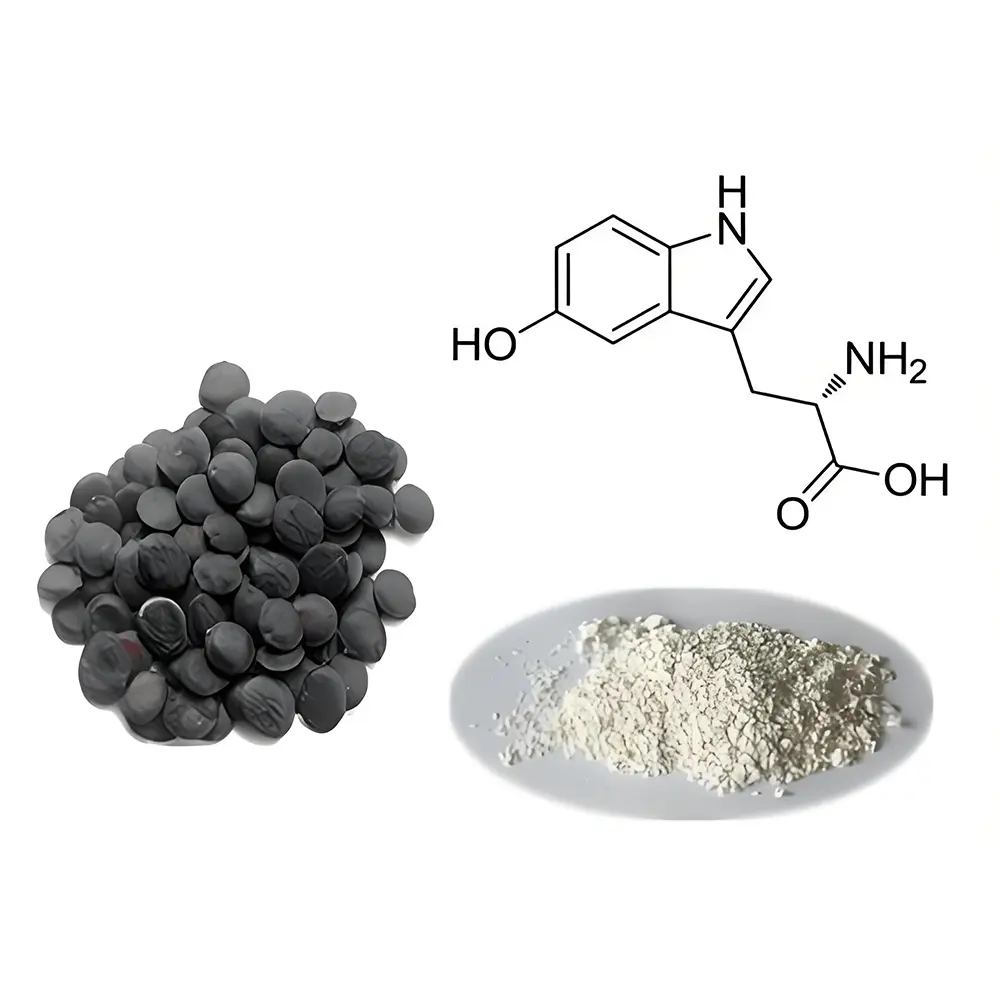
5-Hydroxytryptophan (HTP5) refers to a naturally occurring amino acid derivative, typically extracted from Griffonia simplicifolia seeds, that serves as a metabolic precursor to serotonin. It is manufactured and supplied in powder form for use in dietary supplements, functional foods, and pharmaceutical-grade formulations. When sourcing HTP5 powder, buyers should confirm the grade aligns with their product concept and regulatory obligations.
What Is 5-Hydroxytryptophan
5-Hydroxytryptophan is an intermediate compound in the tryptophan-to-serotonin metabolic pathway. It is commonly formulated into capsules, tablets, and gummies aimed at supporting relaxation, sleep quality, and mood balance. The quality of the HTP5 raw material directly impacts the stability and efficacy of these finished dosage forms.
Industry Background
Demand for HTP5 has grown alongside consumer interest in stress management and sleep-support categories. As a result, suppliers now offer multiple grades distinguished by purity level, extraction method, and testing rigor. For brands seeking to scale production, securing consistent HTP5 bulk supply is essential to maintaining batch-to-batch uniformity.
Business Relevance of Grade Selection
The grade of HTP5 chosen for a formulation affects label claims, price positioning, and target retail channel. A premium-positioned sleep supplement requires different sourcing criteria than a value-tier mass-market product. Working closely with an experienced HTP5 manufacturer helps ensure the selected grade matches both regulatory demands and consumer expectations.
Differences Between HTP5 Grades and Alternatives
Standard-grade HTP5 typically meets general dietary supplement purity thresholds, while pharmaceutical-grade material carries tighter impurity limits and more extensive documentation. Some manufacturers also offer HTP5 raw material blended with excipients for specific delivery formats, which differs from unblended bulk powder intended for custom formulation.
Advantages and Limitations by Grade
Higher-purity grades support cleaner label claims and reduce formulation variability but typically come at a higher cost. Lower-purity or blended grades may reduce input cost but can limit label transparency and complicate compliance in stricter markets.
Suitable Users of Each Grade
Premium-grade HTP5 powder is generally suited to brands targeting clinical-style positioning or export markets with strict regulatory review. Standard commercial grade is more common among mass-market supplement brands with broader price sensitivity.
Compliance and Quality Considerations
Buyers should confirm that any HTP5 bulk shipment includes a current Certificate of Analysis, heavy metal testing, and microbiological results consistent with the destination market’s regulatory framework. Documentation gaps are a common cause of import delays.
Buyer Evaluation Checklist
Before finalizing a purchase, buyers should verify assay purity, review third-party test reports, confirm manufacturing certifications, and request sample batches for internal quality testing prior to bulk order commitment.
Technical Parameter Table
| Parameter | Specification |
|---|---|
| Purity | ≥98% or ≥99% (grade dependent) |
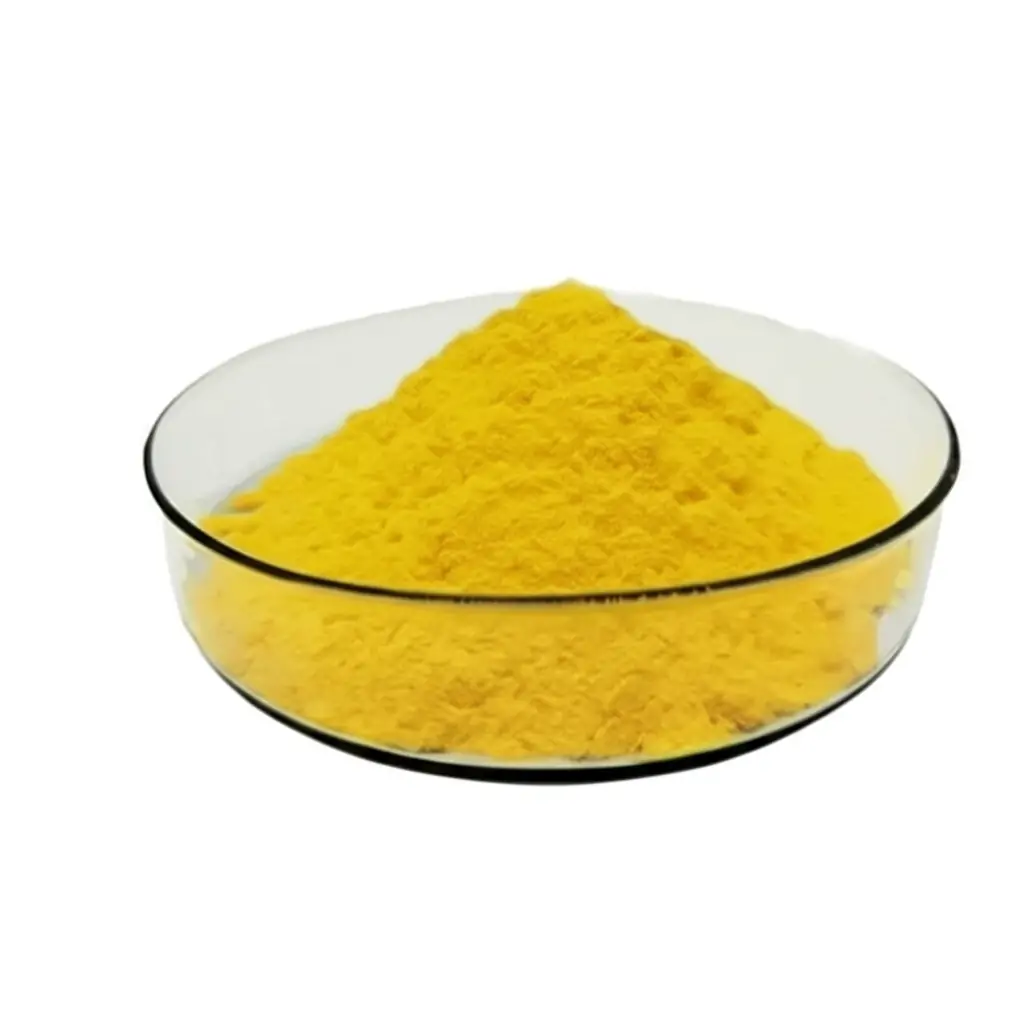
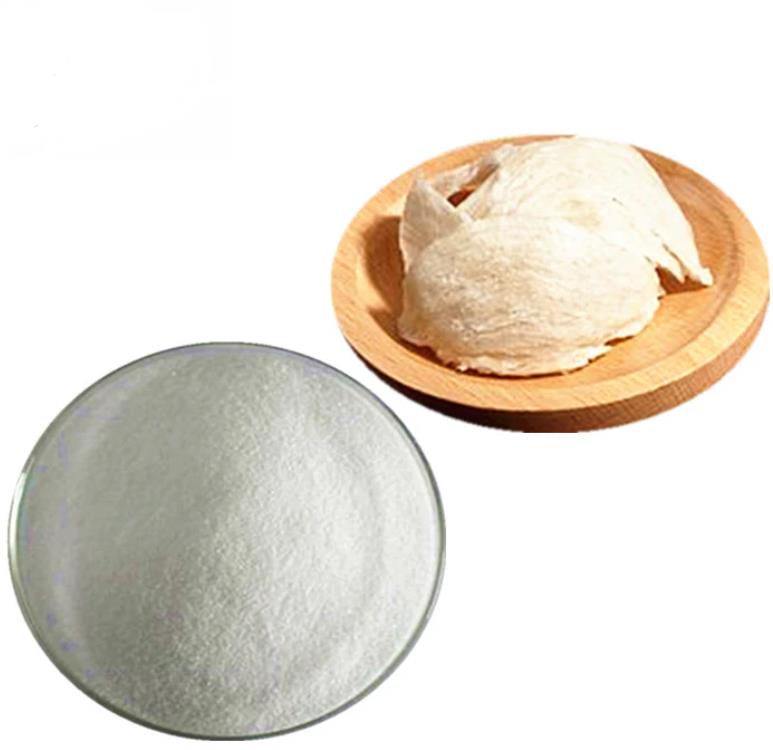
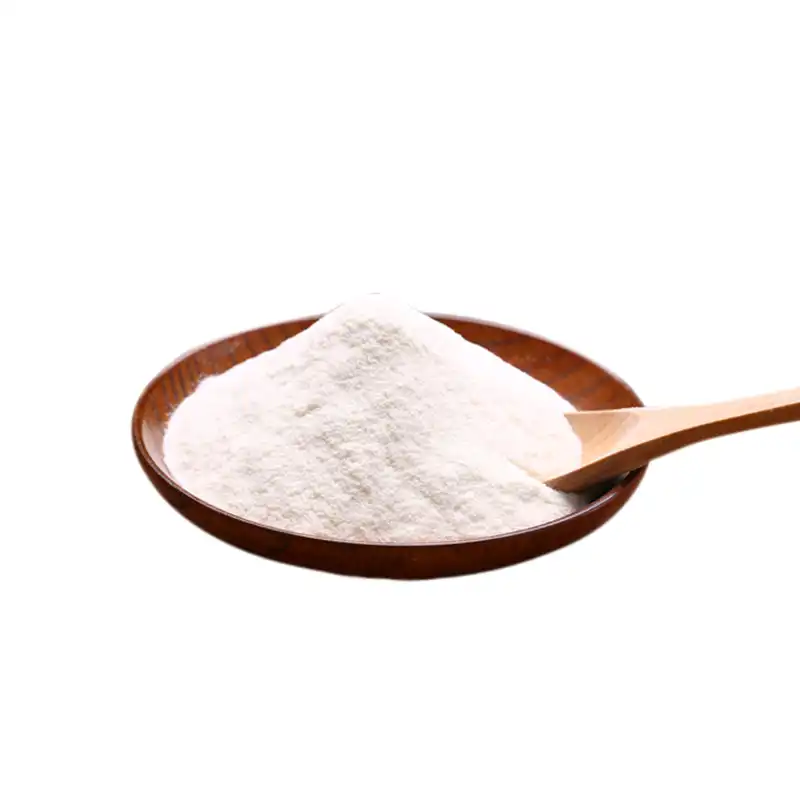
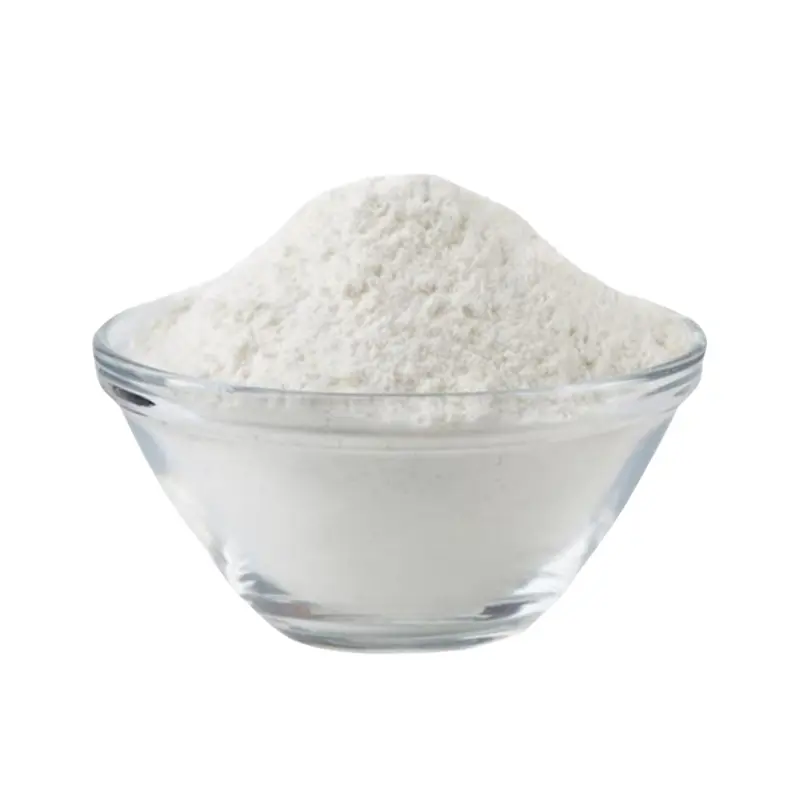
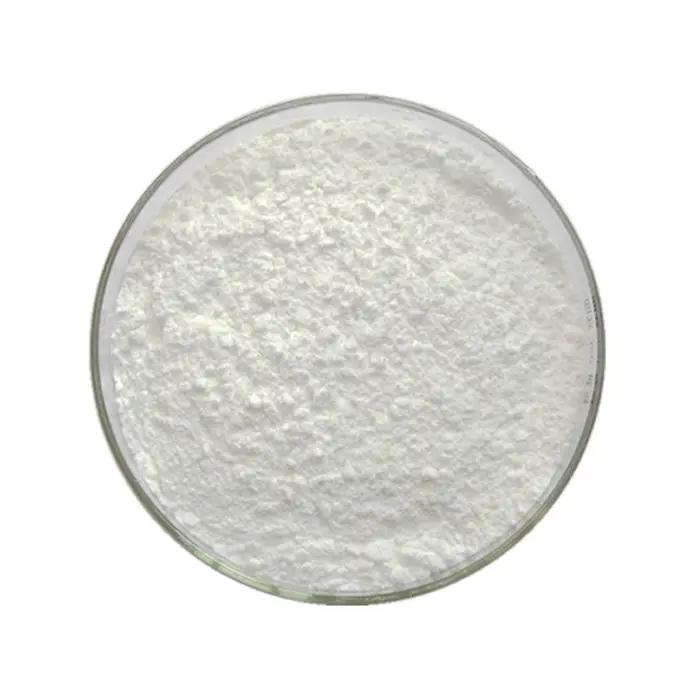
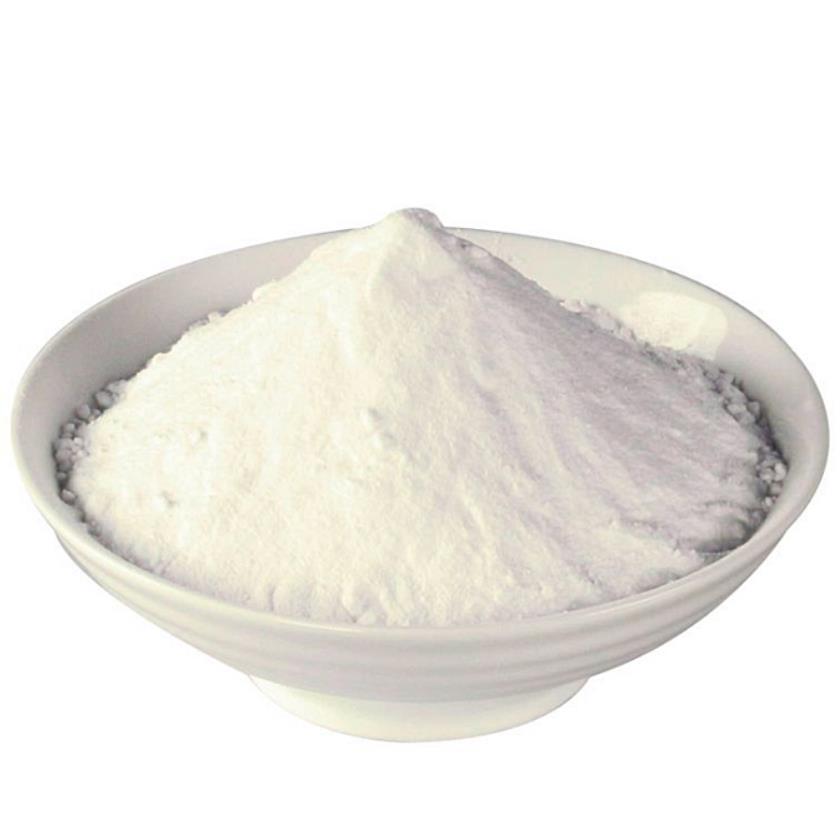
| Appearance | White to off-white crystalline powder |
| Heavy Metals | ≤10 ppm |
| Microbiological Limits | Total plate count and pathogen testing within pharmacopeia limits |
| Solvent Residues | Within ICH Q3C guideline limits |
| Identification | HPLC and IR confirmed |
| Assay | 98.0%–101.0% by HPLC |
| Storage | Cool, dry place, sealed, away from light |
| Packaging | 25kg drum with double plastic liner, or custom packaging |
| Quality Standards | USP/EP/In-house specification compliant |
B2B Decision Support
COA Evaluation
Every batch of HTP5 powder should be accompanied by a Certificate of Analysis detailing assay, heavy metals, and microbiological data. Buyers should cross-check COA results against independent lab testing when feasible.
Supplier Verification
Confirming a supplier’s manufacturing certifications, facility audits, and production capacity helps reduce sourcing risk before committing to large-volume orders of HTP5 raw material.
Risk Reduction
Requesting pre-shipment samples and third-party retesting reduces the risk of receiving out-of-specification material, particularly for buyers new to a given HTP5 manufacturer.
Supply Chain Stability
Working with suppliers who maintain consistent production capacity and traceable sourcing helps brand owners avoid disruptions when scaling formulations that depend on stable HTP5 bulk availability.
FAQ
Is 5-Hydroxytryptophan naturally sourced?
Yes, it is most commonly extracted from Griffonia simplicifolia seeds rather than produced synthetically.
What purity level is typical for commercial supplement use?
Most commercial formulations use material with assay purity between 98% and 99%.
Does grade affect regulatory acceptance?
Yes, higher-documentation grades are generally easier to register in markets with stricter import requirements.
How should HTP5 powder be stored?
It should be stored in a cool, dry, light-protected environment to preserve stability.
Can HTP5 be used in gummies and tablets?
Yes, it is compatible with multiple delivery formats, subject to formulation-specific stability testing.
Why Partner With Gothink Biology
Gothink Biology is a GMP-certified contract manufacturer offering PhD-led R&D and over 2,000 customized formulations developed annually. The company holds ISO 9001, ISO 22000, GMP, SGS, NSF, Halal, and Kosher certifications, supporting reliable global compliance.
Gothink Biology provides functional ingredient wholesale, OEM/ODM manufacturing, private label development, and mass production services, backed by a stable global supply chain for buyers sourcing HTP5 and other functional raw materials.