


Abstract
Global demand for 5-HTP is shifting toward higher purity, traceable sourcing, and scalable supply chains by 2026. B2B buyers are prioritizing manufacturers who offer robust quality documentation and stable production capabilities. This transition is driven by increasing regulatory scrutiny and consumer demand for scientifically validated mood and sleep support formulations.
Definition
Global Demand Shifts for 5‑Hydroxytryptophan (HTP5) in 2026 refers to the evolving procurement patterns, quality standards, and supply chain requirements shaping the commercial trade of this amino acid derivative. It encompasses the transition from basic raw material sourcing to strategic partnerships emphasizing purity, regulatory compliance, and manufacturing reliability.
What 5-HTP Is
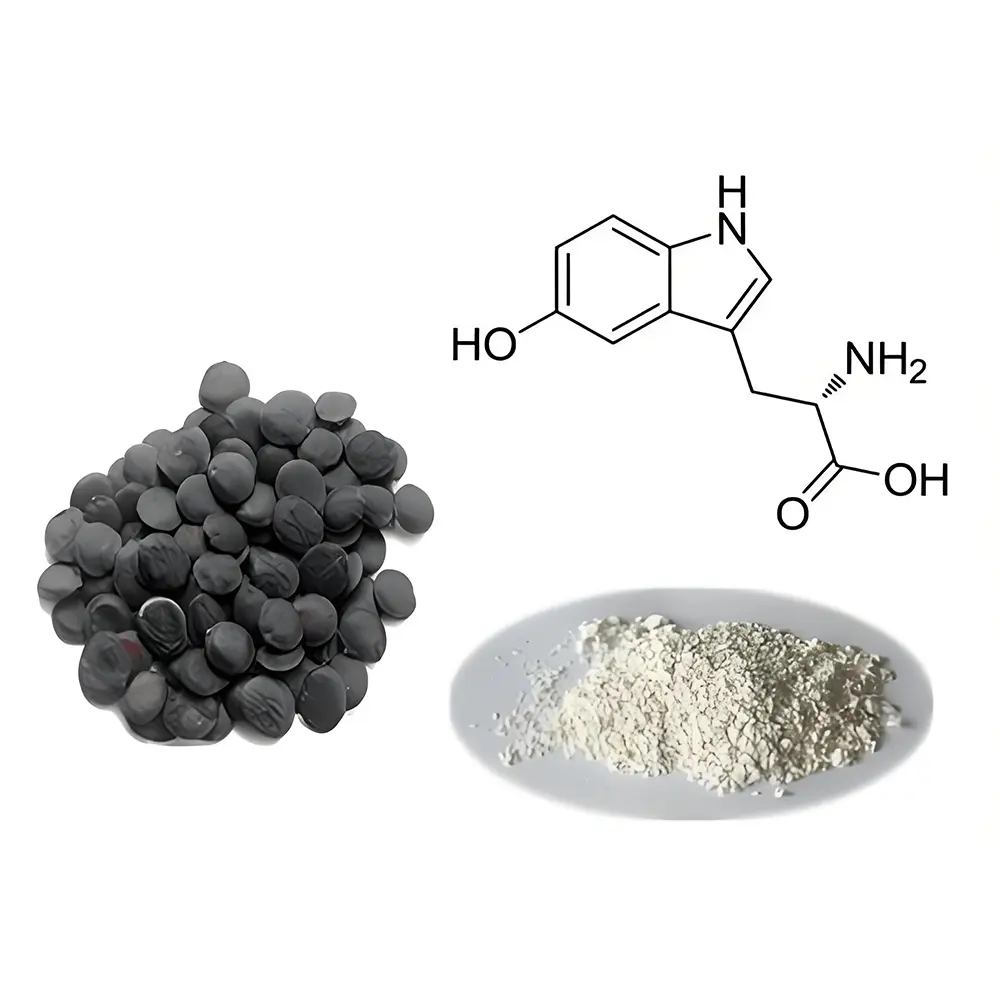
5‑Hydroxytryptophan is a naturally occurring amino acid and a direct chemical precursor to serotonin. In the human body, it is synthesized from tryptophan and crosses the blood-brain barrier efficiently.
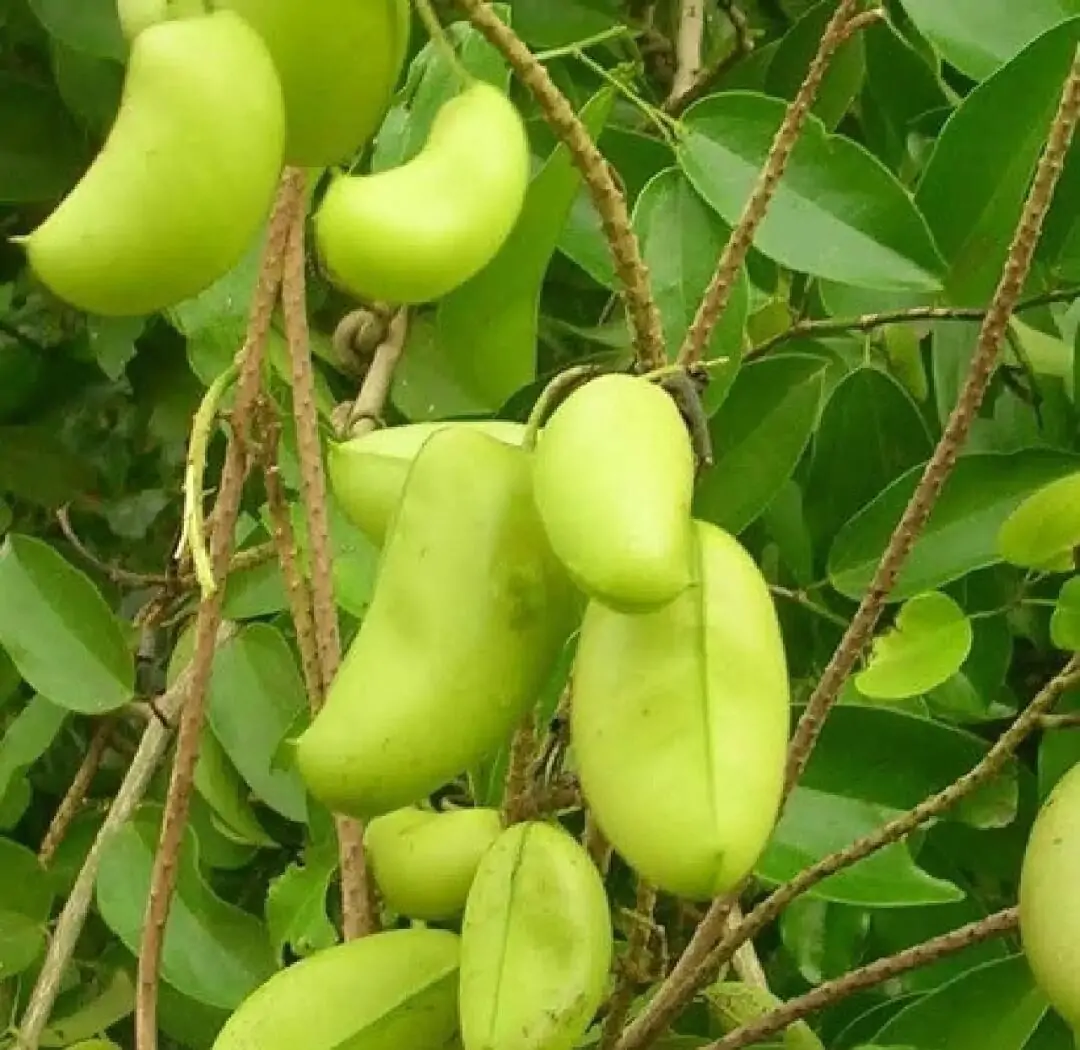
Commercially, it is extracted from the seeds of the African plant Griffonia simplicifolia. It serves as a core active ingredient in formulations targeting mood regulation, sleep quality, and stress management.
Industry Background
The mental wellness sector has seen sustained growth, elevating the status of serotonin precursors. As the market for supplement raw materials expands, 5-HTP has transitioned from a niche ingredient to a mainstream staple.
By 2026, market maturity means buyers are no longer solely focused on price. The focus has shifted toward supply chain transparency, standardized extraction processes, and consistent batch-to-batch quality.
Business Relevance
Market Demand
The demand for HTP5 is driven by rising global stress levels and an aging population seeking non-habit-forming sleep aids. Finished product brands are expanding their product lines to include higher dosages and combination formulas.
Supply Chain Factors
Griffonia simplicifolia cultivation is highly dependent on specific African regions, making agricultural yield and export logistics critical variables. Supply chain disruptions in these regions directly impact global pricing and availability.
Production Factors
Extraction and purification technologies determine the final yield and purity of the material. Facilities utilizing advanced chromatography and solvent recovery systems maintain a competitive edge in 2026.
Differences vs. Alternatives
When comparing 5-HTP to L-Tryptophan, 5-HTP bypasses the rate-limiting step in serotonin synthesis. This results in a more direct pharmacological effect, allowing for lower effective dosages in finished products.
In terms of stability, bulk HTP5 powder is highly hygroscopic and sensitive to oxidation. Compared to synthetic alternatives or encapsulated tryptophan, it requires stricter environmental controls during storage and transport.
Cost-wise, 5-HTP is generally more expensive per kilogram than tryptophan. However, the lower required dosage often balances the overall formulation cost, provided the purity is high enough to avoid inactive filler weight.
Advantages and Limitations
Advantages
- Direct precursor to serotonin, offering established biochemical pathways.
- Well-researched with a strong safety profile at standard dosages.
- Highly versatile for capsules, tablets, and powdered formulations.
Limitations
- Susceptible to degradation when exposed to heat, moisture, or light.
- Potential for gastrointestinal discomfort at high dosages.
- Serotonin syndrome risk if combined improperly with certain medications.
Suitable Users
Brand Owners
Brands focusing on cognitive health, sleep, and stress relief benefit from 5-HTP’s strong consumer recognition. It is ideal for premium, science-backed product lines.
OEM/ODM Manufacturers
Contract manufacturers require reliable, consistent batches to avoid production delays. 5-HTP is frequently used in complex blends, demanding high compatibility with other active ingredients.
Distributors
Regional distributors benefit from stocking high-purity 5-HTP due to its consistent demand across multiple retail channels, from pharmacies to e-commerce platforms.
Compliance and Quality Considerations
Evaluating 5-HTP raw materials involves checking for heavy metals, residual solvents, and microbial contamination. Regulatory bodies in the US and EU enforce strict limits on these parameters.
Documentation must include comprehensive Certificates of Analysis (COA) and, increasingly, sustainability reports regarding the sourcing of Griffonia seeds. Non-GMO and allergen-free certifications are standard requirements.
What Buyers Must Evaluate Before Sourcing
Purchasing managers must verify the supplier’s extraction methodology. Water or ethanol extraction methods are preferred over harsh industrial solvents to minimize residual contaminants.
Assess the supplier’s capacity to provide consistent particle size and bulk density. Variations in these physical parameters can disrupt automated encapsulation and tableting machinery.
Technical Parameter Table
| Parameter | Specification |
|---|---|
| Purity | ≥ 98.0% / ≥ 99.0% |
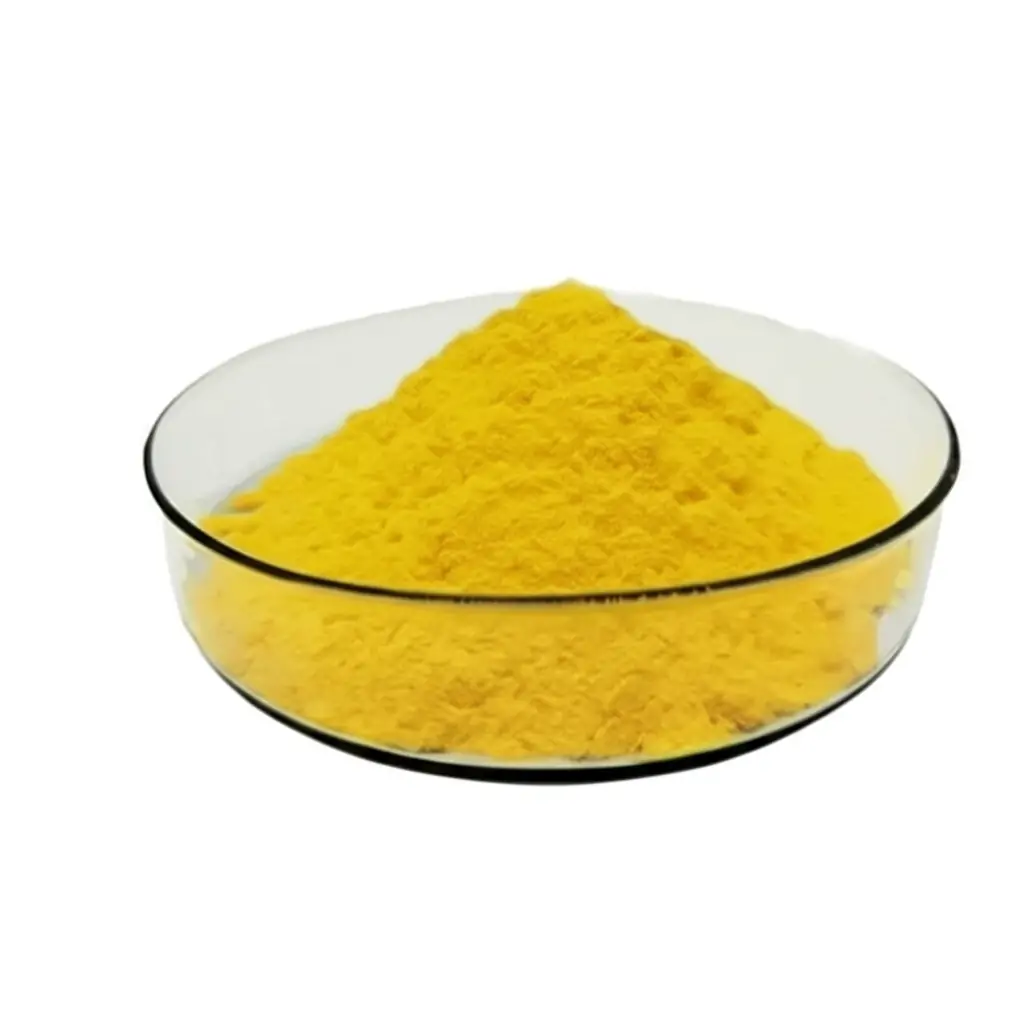
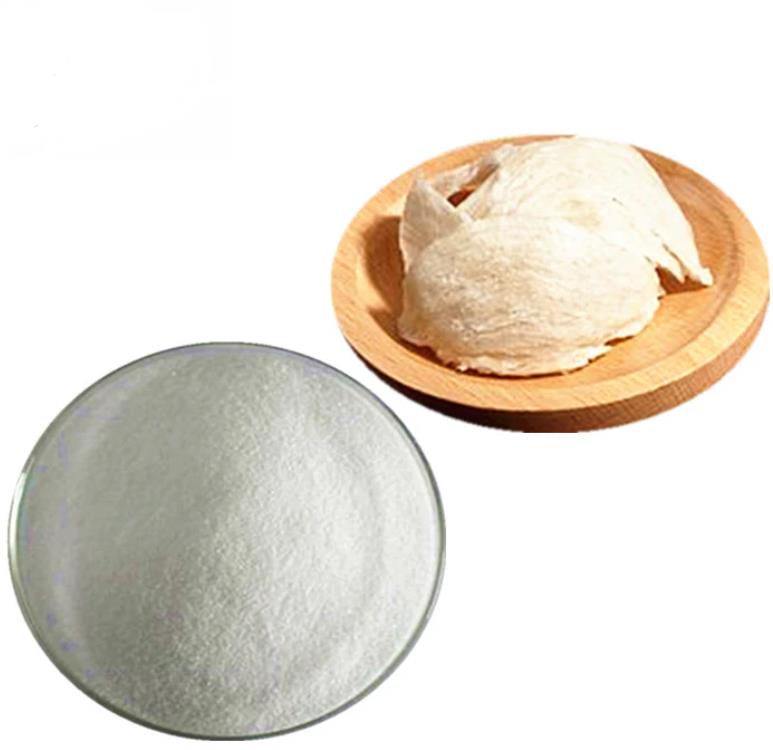
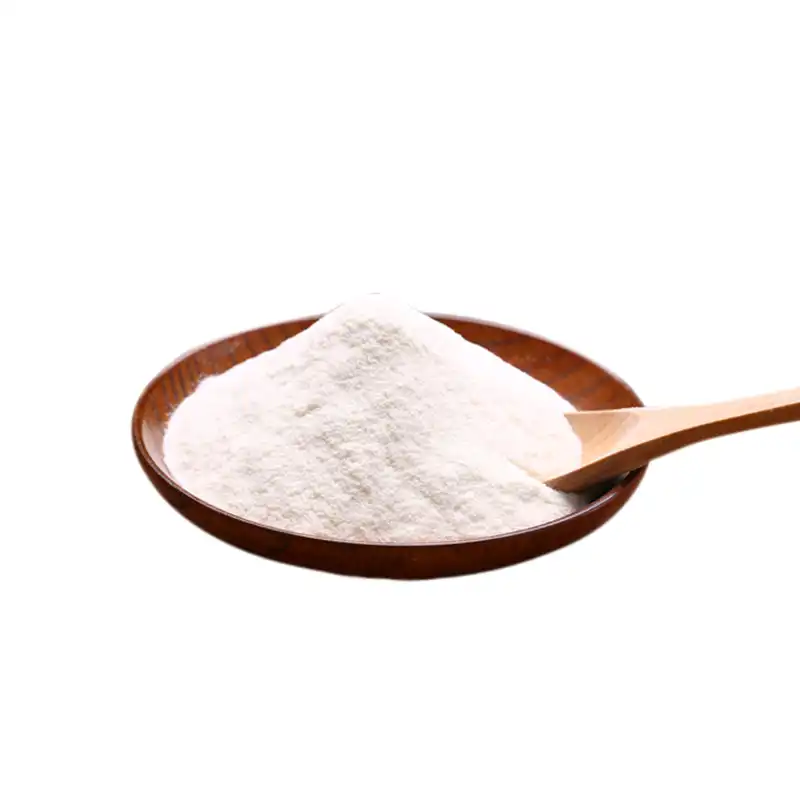
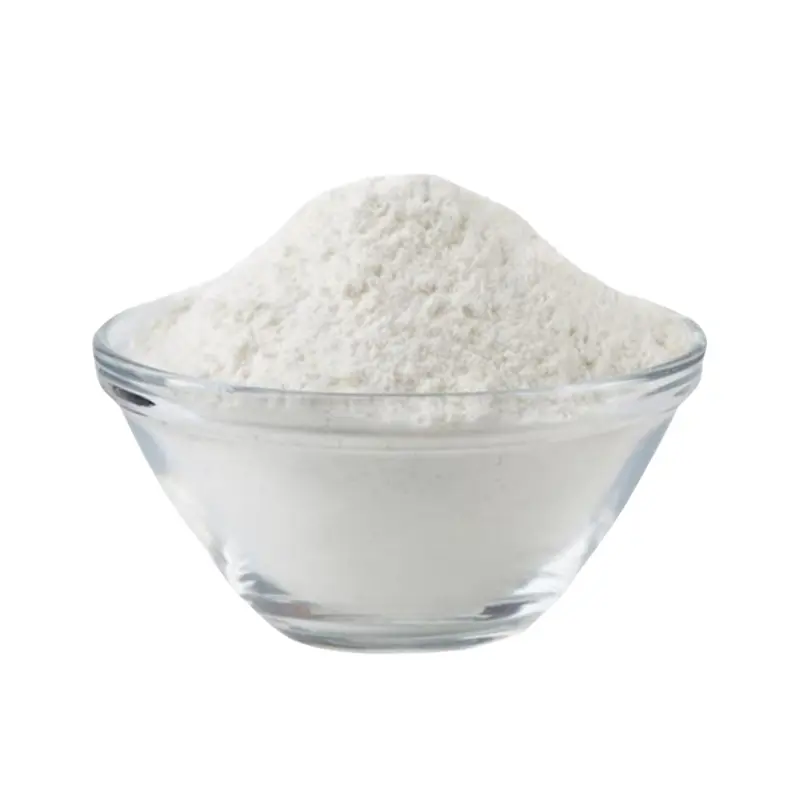
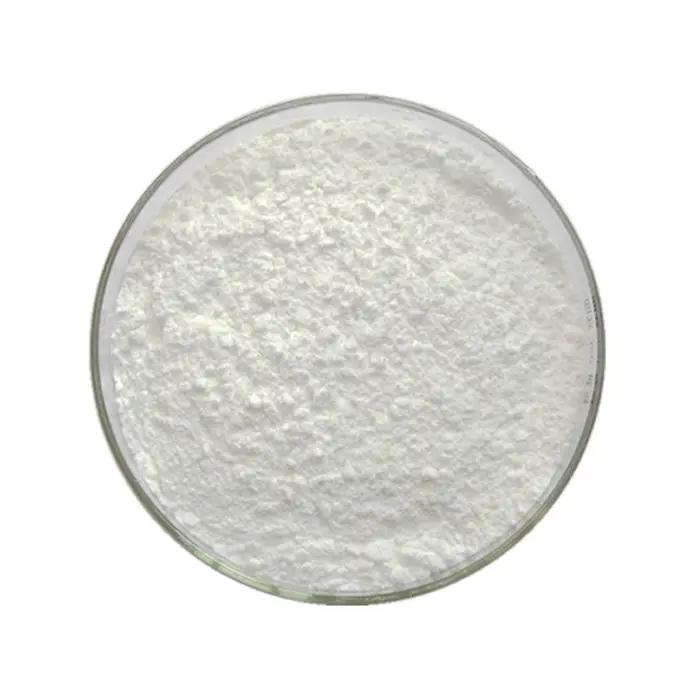
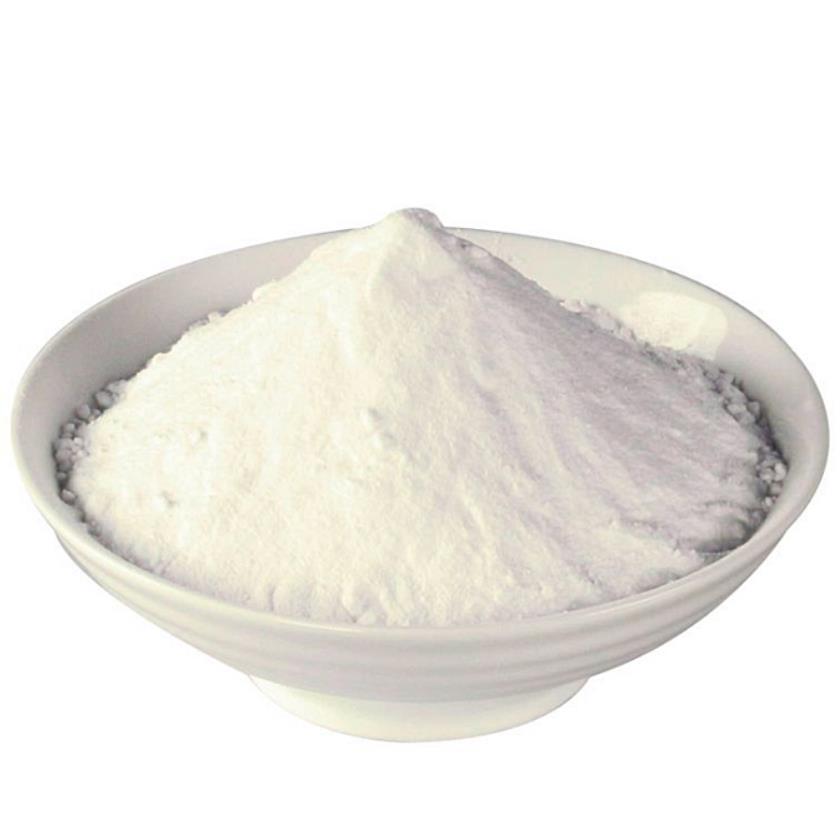
| Appearance | White to off-white fine powder |
| Heavy Metals | Lead < 3ppm, Cadmium < 1ppm, Arsenic < 1ppm, Mercury < 0.1ppm |
| Microbiological Limits | Total Plate Count < 1,000 CFU/g; E. coli, Salmonella negative |
| Solvent Residues | Meets USP <467> guidelines; Ethanol < 5000ppm |
| Identification | HPLC retention time matches reference standard; IR spectrum matches |
| Assay | 98.0% – 102.0% (on anhydrous basis, HPLC) |
| Storage | Sealed, kept in a cool, dry place below 25°C, protected from light |
| Packaging | 25kg fiber drums with double-layer anti-static PE bags |
| Quality Standards | GMP, ISO, Third-party testing (SGS, NSF, Eurofins) |
B2B Decision Support
How to Judge Raw Material Quality via COA
A reliable Certificate of Analysis must list specific testing methods, such as HPLC for purity, rather than vague terms. Cross-reference the COA batch number with the physical packaging labels.
Pay close attention to the moisture content and loss on drying (LOD) values. Elevated levels indicate poor storage conditions or substandard drying processes post-extraction.
How to Verify Supplier Qualifications
Selecting a qualified 5-HTP Manufacturer requires verifying their facility audits and certifications directly through the issuing bodies, rather than relying solely on PDF documents.
Request proof of third-party testing from internationally recognized laboratories. This provides an unbiased validation of the in-house quality control data.
How to Reduce Purchasing Risk
Always request samples and conduct independent lab testing before placing bulk orders. This verifies that the material meets your formulation’s specific physical and chemical requirements.
Establish clear contractual terms regarding out-of-spec materials, return policies, and liability for formulation failures caused by raw material inconsistencies.
How to Evaluate Supply Chain Stability
Inquire about the supplier’s raw material inventory buffers and forward-contracting agreements with African Griffonia seed harvesters. This indicates their ability to withstand crop fluctuations.
Assess their logistics network, including customs clearance experience and secondary packaging options, to ensure timely delivery regardless of global shipping disruptions.
FAQ
What is Global Demand Shifts for 5‑Hydroxytryptophan (HTP5) in 2026?
It is the trend of B2B buyers moving away from low-cost, unverified 5-HTP sources toward highly purified, strictly documented, and sustainably sourced materials to meet stricter global regulations.
Is HTP5 stable in formulations?
5-HTP is moderately stable but highly hygroscopic. It degrades when exposed to moisture, high heat, or direct UV light, requiring controlled manufacturing environments and appropriate encapsulation techniques.
How is it used in formulations?
It is primarily used in capsules, tablets, and functional powders, often co-formulated with magnesium, B-vitamins, or melatonin to enhance synergistic sleep and mood support benefits.
How does it compare to alternatives?
Compared to L-Tryptophan, 5-HTP is absorbed more efficiently and converts to serotonin more directly. It requires lower dosages but is more expensive and requires stricter moisture control than tryptophan.
What should buyers check before sourcing?
Buyers must verify the HPLC purity assay, heavy metal limits, solvent residue levels, and supplier certifications like GMP and ISO. Independent third-party lab verification is highly recommended.
Why Partner With Gothink Biology
Gothink Biology operates as a leading supplier of functional ingredients, backed by world-class scientific leadership. Our research and development initiatives are directed by a team of PhDs trained in pharmaceutical and biological sciences in the US and UK.
We maintain exceptional R&D capacity, developing over 2,000 customized formulations annually. This robust pipeline enables rapid, science-backed product innovation tailored to specific market needs while ensuring a highly stable global supply chain.
Our manufacturing facilities hold comprehensive quality certifications, including ISO 9001, ISO 22000, GMP, SGS, NSF, Halal, and Kosher. We maintain rigorous food safety management systems and provide full third-party testing reports for complete traceability.
Gothink Biology provides functional ingredient wholesale, OEM/ODM manufacturing, private label services, bulk production, and global supply. We integrate a robust international supply network to ensure stable, large-scale delivery of premium raw materials with consistent availability and short lead times.