


Abstract
N-Acetylneuraminic Acid (NANA) is a sialic acid derivative increasingly used by supplement brands for cognitive, immune, and infant nutrition formulations. For OEM/ODM buyers, successful use of this ingredient depends on stability handling, formulation compatibility, and supplier verification through documented quality systems. This article outlines the technical, compliance, and sourcing considerations relevant to brand owners, R&D teams, and procurement managers evaluating NANA for private label or bulk production.
Definition
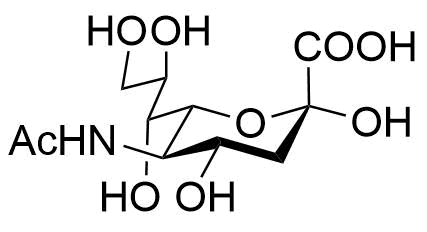
NANA refers to N-Acetylneuraminic Acid, a nine-carbon monosaccharide belonging to the sialic acid family, naturally found in human milk, mucosal tissues, and neural cell membranes. As a supplement raw materials ingredient, it is produced through microbial fermentation or enzymatic synthesis and supplied as a refined powder for use in dietary supplements, infant nutrition, and functional food formulations.
Main Content
What NANA Is
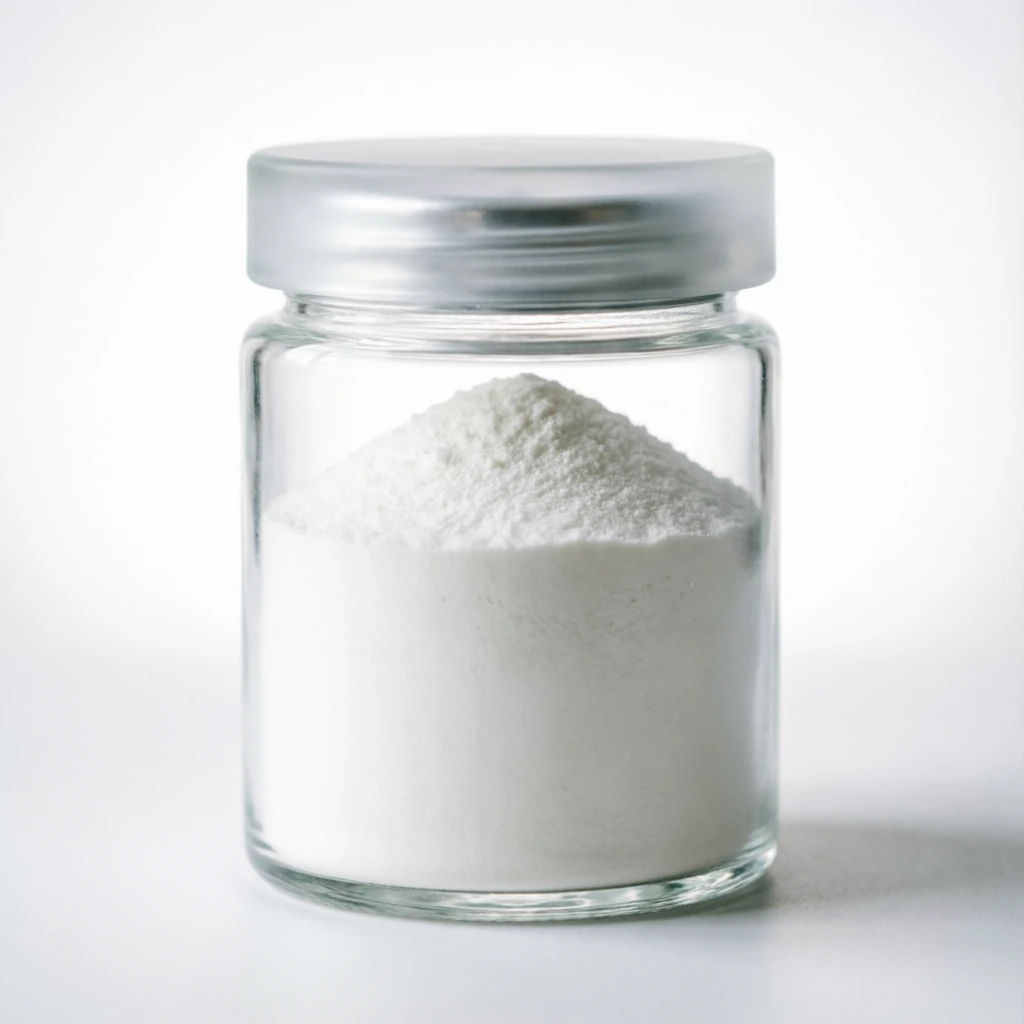
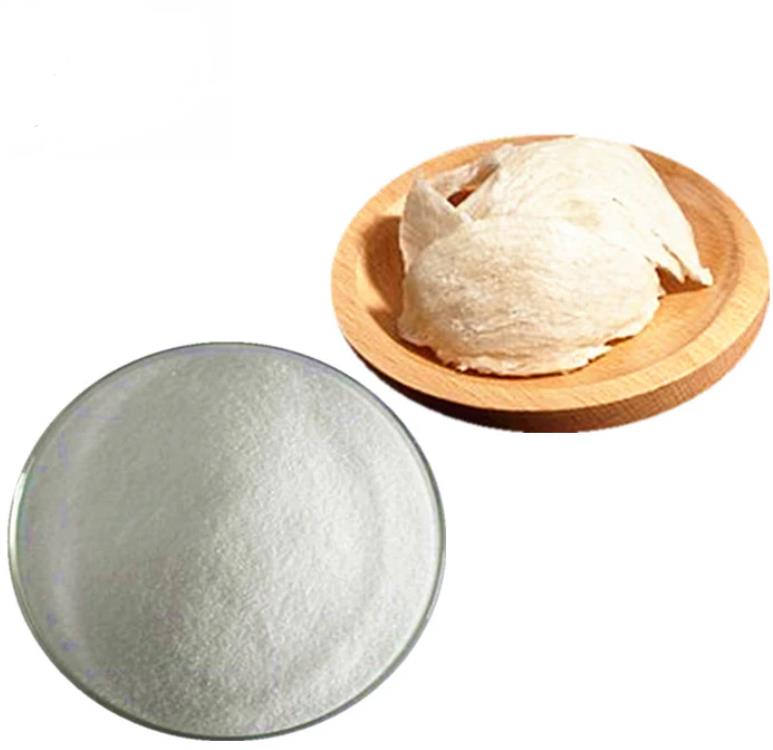
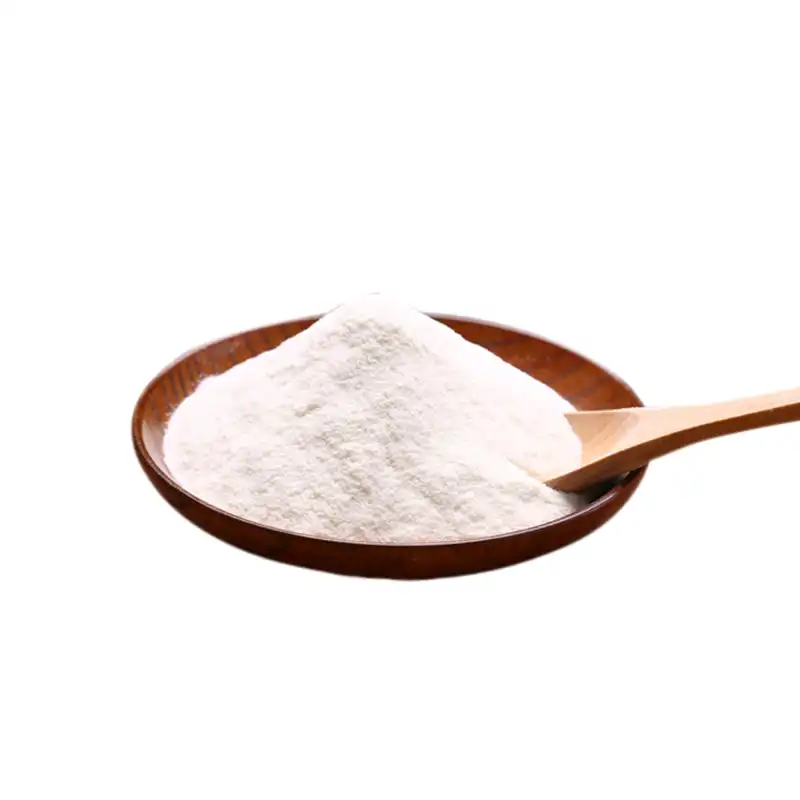
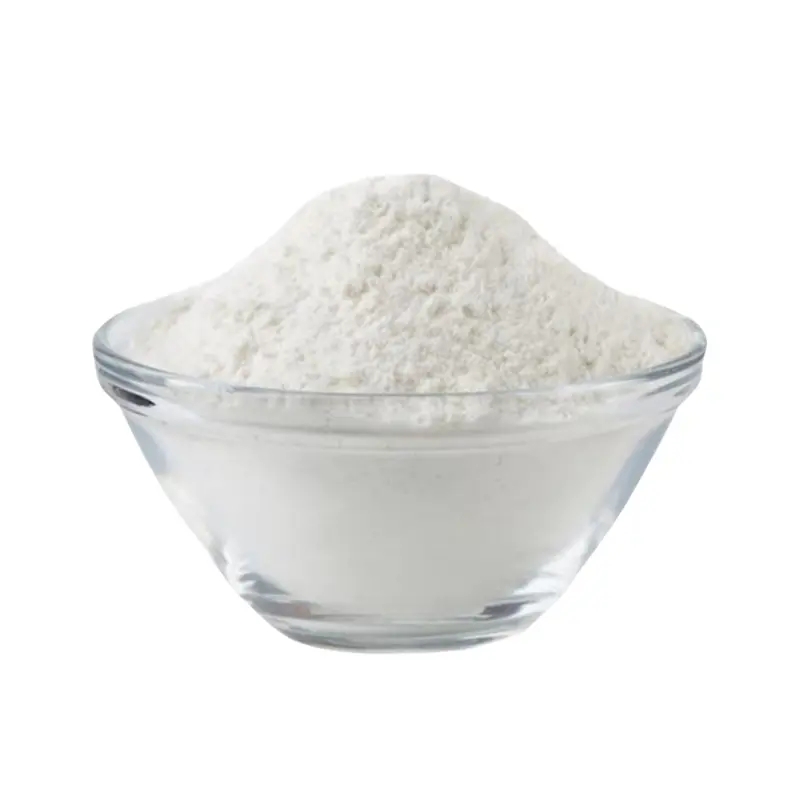
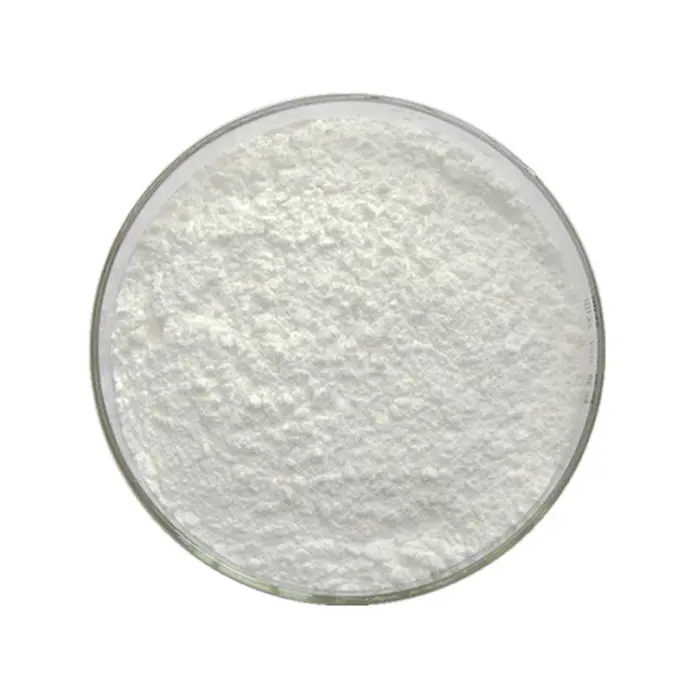
NANA is the parent compound of the sialic acid family and a structural component of gangliosides and glycoproteins in the human body. It is typically supplied as a white to off-white crystalline powder with a defined purity specification suited to nutraceutical-grade applications.
Industry Background
Sialic Acid and its derivatives have gained attention in the HMO (human milk oligosaccharide), cognitive health, and immune support categories. Growing interest in infant formula fortification and brain health supplements has driven demand for consistent, food-safe NANA powder from qualified manufacturers.
Business Relevance
For brand owners entering the cognitive or infant nutrition segment, sourcing decisions around NANA affect formulation stability, shelf life, and regulatory positioning. Procurement teams must weigh supply chain reliability against cost, since fermentation-derived NANA raw material production is more complex than standard amino acid or vitamin manufacturing.
Differences vs. Alternatives
Compared to other Sialic Acid sources such as animal-derived extraction, fermentation-based NANA generally offers higher purity and lower contamination risk. It differs from related compounds like N-Acetylglucosamine in molecular structure and functional application, and typically carries a higher per-kilogram cost due to production complexity.
Advantages & Limitations
Advantages include well-characterized identity, compatibility with capsule and powder formats, and applicability across multiple product categories. Limitations include sensitivity to heat and prolonged moisture exposure, which requires attention during blending, encapsulation, and storage.
Suitable Users
NANA is relevant to brand owners developing cognitive or immune support products, OEM/ODM manufacturers producing private label formulations, and distributors supplying ingredient blends to downstream supplement companies.
Compliance & Quality Considerations
Buyers should confirm that NANA is supplied under GMP-certified manufacturing conditions with documented identity testing, heavy metal screening, and microbiological limits. Regulatory status can vary by target market, so buyers should verify permissible use levels in their specific jurisdiction before formulation.
What Buyers Must Evaluate Before Sourcing
Before sourcing NANA bulk, buyers should review certificates of analysis, request third-party testing reports, confirm cold-chain or ambient storage requirements, and assess the supplier’s production capacity for consistent lot-to-lot quality.
Technical Parameter Table
| Parameter | Specification |
|---|---|
| Purity | ≥98.0% (HPLC) |
| Appearance | White to off-white crystalline powder |
| Heavy Metals | ≤10 ppm |
| Microbiological Limits | Total plate count ≤1000 CFU/g; Yeast & Mold ≤100 CFU/g; E. coli negative; Salmonella negative |
| Solvent Residues | Meets ICH Q3C limits |
| Identification | Conforms by HPLC and IR |
| Assay | 98.0%–102.0% |
| Storage | Store in a cool, dry place, sealed, away from direct light and moisture |
| Packaging | 25 kg fiber drum with double inner plastic liner, or customized packaging |
| Quality Standards | GMP, ISO 9001, ISO 22000, third-party testing available |
B2B Decision Support
How to Evaluate Quality Through a COA
A complete Certificate of Analysis should list assay percentage, identification test method, heavy metal results, and microbiological data matching the batch supplied. Buyers should confirm the COA corresponds to the actual lot number received, not a generic template.
How to Verify Supplier Qualifications
Request current GMP and ISO certificates directly from the manufacturer, and confirm certification validity through the issuing body where possible. Ask whether the facility undergoes regular third-party audits and whether test reports are available for independent verification.
How to Reduce Sourcing Risk
Buyers can reduce risk by requesting pre-shipment samples for internal testing, confirming batch consistency across multiple orders, and clarifying documentation requirements (COA, MSDS, specification sheet) before placing a purchase order.
How to Assess Supply Chain Stability
Evaluate the supplier’s production scale, raw material sourcing for fermentation inputs, and historical lead time consistency. Manufacturers with integrated in-house fermentation and purification capacity tend to offer more predictable supply than traders reselling third-party stock.
FAQ
What is NANA?
NANA, or N-Acetylneuraminic Acid, is a sialic acid compound used as a raw material in supplements, infant nutrition, and functional food formulations.
Is NANA stable?
NANA is generally stable under dry, sealed, cool storage conditions but is sensitive to prolonged heat and moisture exposure, which can affect purity over time.
How is NANA used in formulations?
It is typically incorporated into powders, capsules, or blended formulations targeting cognitive, immune, or infant nutrition applications, usually at manufacturer-recommended inclusion levels.
How does NANA compare to alternatives?
Compared to animal-derived Sialic Acid sources, fermentation-based NANA generally provides more consistent purity and lower contamination risk, though at a higher production cost.
What should buyers check before sourcing NANA raw material?
Buyers should verify the COA, confirm GMP and ISO certification, request third-party test reports, and assess the supplier’s production and supply chain stability.
Is NANA suitable for private label products?
Yes, NANA powder is commonly supplied for private label and OEM/ODM formulation projects, provided the manufacturer can support required documentation and consistent batch quality.
Why Partner With Gothink Biology
Gothink Biotech’s research and development is led by a team with doctoral-level expertise in pharmaceutical and biological sciences, supporting a rigorous approach to ingredient development. The company develops over 2,000 customized formulations annually, backed by a stable supply chain designed for consistent, large-scale delivery. Manufacturing facilities are certified under ISO 9001, ISO 22000, GMP, SGS, NSF, Halal, and Kosher standards, with full third-party testing available for traceability. Gothink Biotech supports functional raw material wholesale, OEM/ODM production, private label development, bulk manufacturing, and global supply for brand owners, distributors, and procurement teams sourcing a reliable NANA manufacturer.