


Abstract
NADH powder serves as a critical supplement raw material for dietary supplements targeting cellular energy production and metabolic support. Manufacturers and suppliers must deliver consistent high-purity NADH bulk and NADH powder with verified stability and compliance to meet B2B demands. Buyers evaluating NADH raw material from a reliable NADH manufacturer prioritize technical specifications, quality systems, and supply chain reliability to ensure product safety and efficacy in final formulations.
NADH Powder Manufacturing & Supply: Key Specifications Buyers Must Evaluate refers to the processes, standards, and considerations involved in producing and sourcing NADH (Nicotinamide Adenine Dinucleotide, reduced form) in powder form for use in nutraceuticals. It encompasses fermentation or enzymatic synthesis, purification, quality testing, and global distribution of this coenzyme ingredient, with emphasis on parameters that ensure batch-to-batch consistency for supplement brands.
What NADH Powder Is
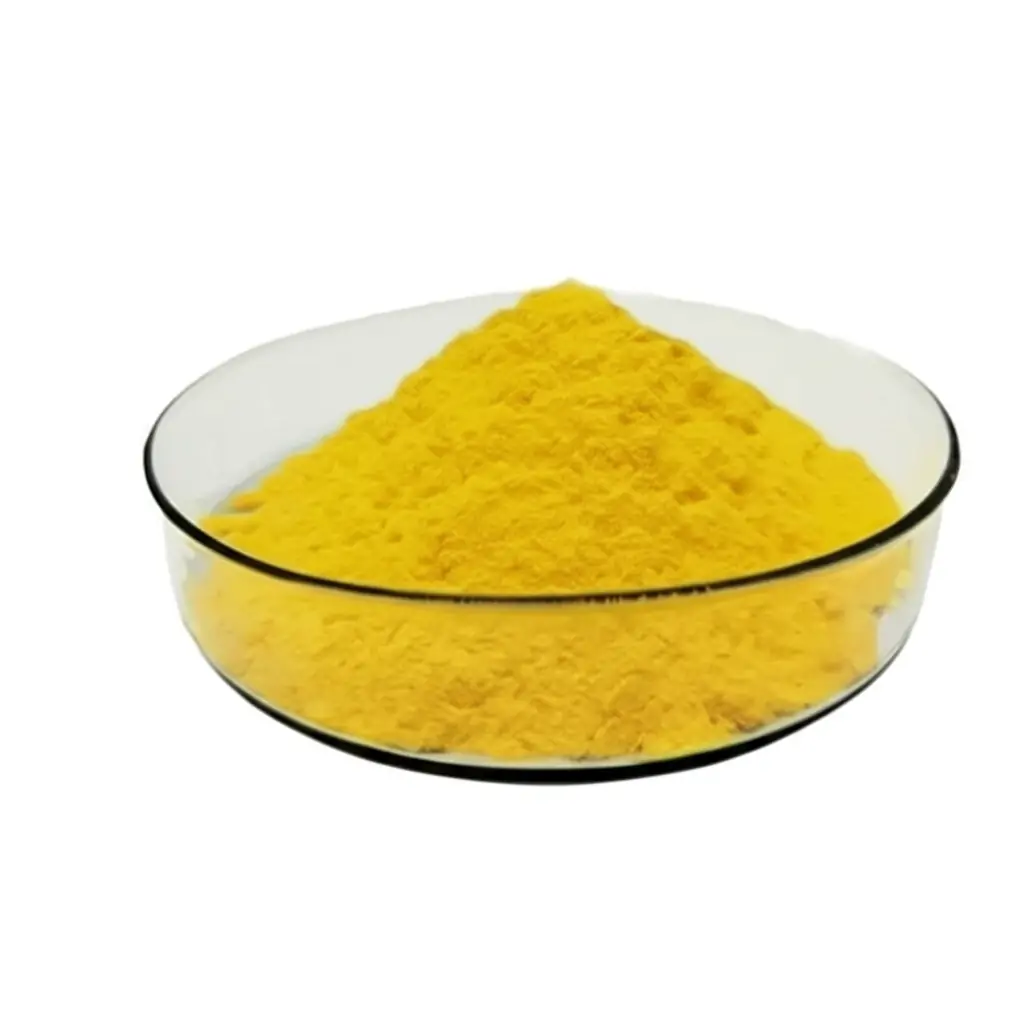
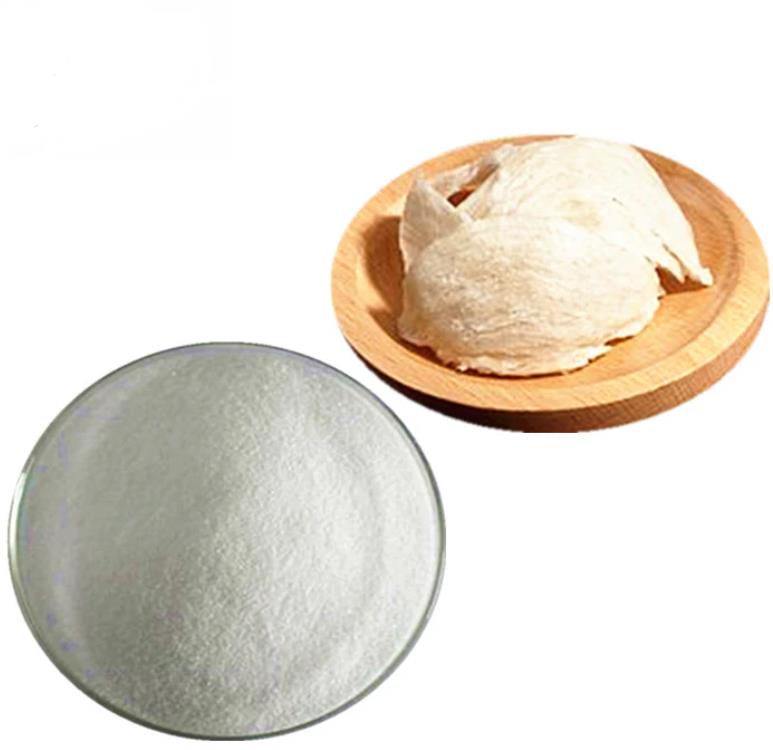
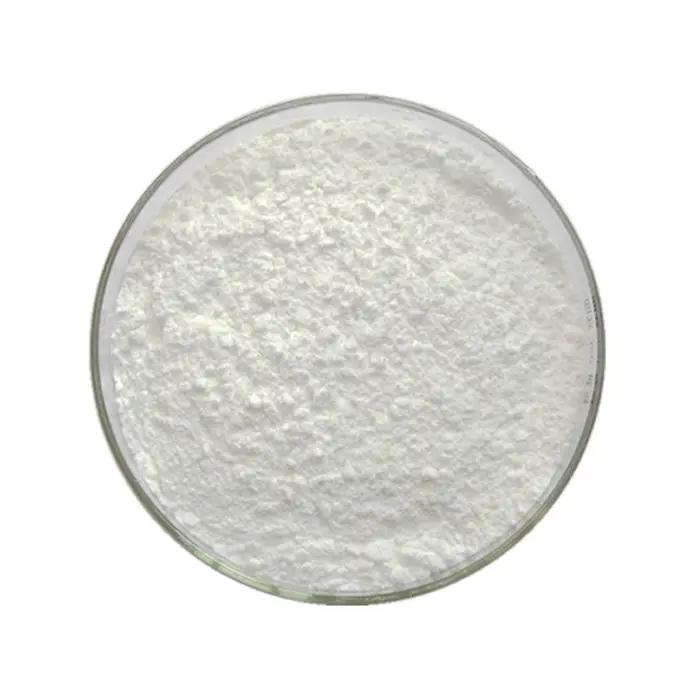
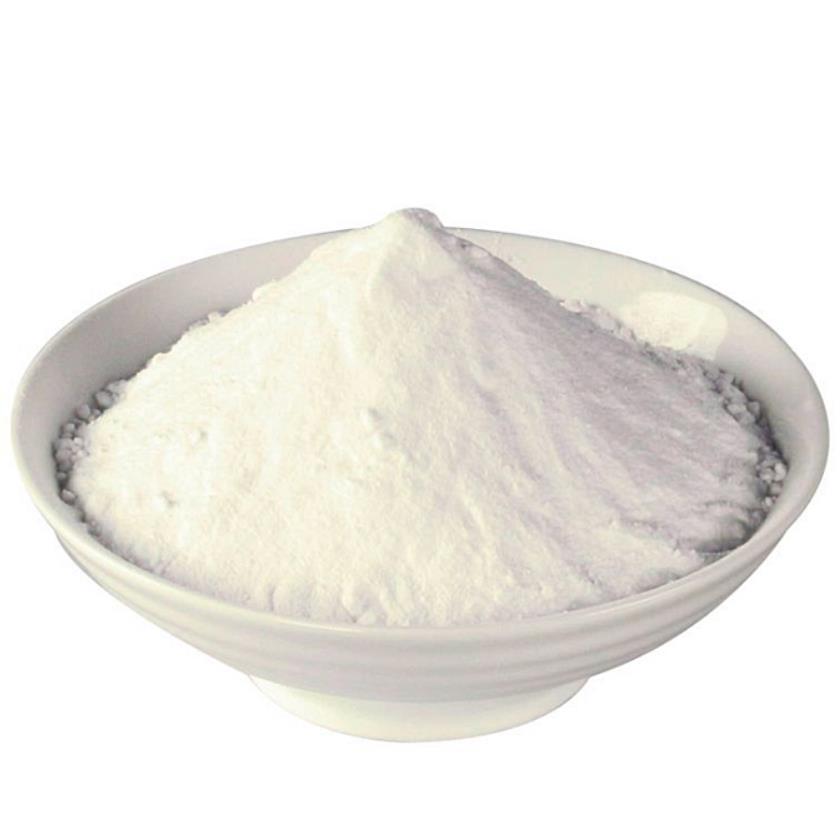
NADH powder is the reduced form of NAD+, a vital coenzyme present in all living cells that participates in redox reactions essential for energy metabolism. In supplement contexts, it is supplied as a stable, white to yellowish powder suitable for encapsulation or formulation.
Industry Background
The demand for NAD-related compounds has grown with increased focus on cellular health, aging, and metabolic support in the dietary supplement sector. NADH complements other coenzymes like those in the supplement raw materials portfolio of specialized producers, driven by advancements in synthetic biology and biomanufacturing.
Business Relevance
Market needs center on reliable NADH bulk supply for OEM/ODM production. Key production factors include scalable fermentation capacity, purification technology, and robust logistics to maintain short lead times amid global demand fluctuations. Supply chain stability directly impacts formulation consistency and cost efficiency for brands.
Differences vs. Alternatives
Compared to NMN or NR, NADH offers direct involvement in cellular redox processes but may present challenges in oral bioavailability and stability under certain conditions. It differs in purity requirements, cost structure, and formulation compatibility. Buyers assess trade-offs in stability, purity levels (typically ≥98-99%), and supply reliability versus precursors.
Advantages & Limitations
Advantages include its role in supporting energy production pathways and potential suitability for specific formulations. Limitations involve sensitivity to moisture, light, and temperature, necessitating controlled storage and handling. Proper manufacturing mitigates degradation risks.
Suitable Users
Brand owners, OEM/ODM manufacturers, and distributors in the nutraceutical space benefit from high-quality NADH powder. It suits products focused on energy, cognitive support, or metabolic health.
Compliance & Quality Considerations
Suppliers must adhere to GMP, ISO, and third-party testing protocols. Full traceability, including heavy metal and microbial testing, is essential for global market access.
What Buyers Must Evaluate Before Sourcing
Procurement teams should review purity, assay results, stability data, packaging, and supplier certifications. On-site audits or sample testing further validate capabilities.
Technical Parameter Table
| Parameter | Specification |
|---|---|
| Purity | ≥98.0% (HPLC) |
| Appearance | White to yellowish crystalline powder |
| Heavy Metals | Pb ≤ 0.5 ppm, As ≤ 0.5 ppm, Cd ≤ 0.1 ppm, Hg ≤ 0.1 ppm |
| Microbiological Limits | Total Plate Count ≤ 1,000 CFU/g; Yeast & Mold ≤ 100 CFU/g; Pathogens absent |
| Solvent Residues | Meets ICH Q3C guidelines |
| Identification | Positive by HPLC and UV |
| Assay | 98.0% – 102.0% (on anhydrous basis) |
| Storage | Cool, dry place, protected from light; recommended -20°C for long-term |
| Packaging | 1kg aluminum foil bag or 25kg fiber drum |
| Quality Standards | GMP, ISO 9001, ISO 22000, Third-party testing (SGS, NSF, etc.) |
B2B Decision Support
How to judge quality through COA: Examine assay results (≥98%), impurity profiles, heavy metal limits, and microbial counts. Verify test methods (e.g., HPLC) and batch-specific data from accredited labs.
How to verify supplier qualifications: Request current ISO, GMP, Halal, Kosher, and NSF certificates. Confirm third-party audit reports and production capacity.
How to reduce procurement risks: Implement sample testing, supply agreements with quality clauses, and diversified sourcing. Regular re-testing of incoming batches adds protection.
How to assess supply chain stability: Evaluate manufacturing scale, raw material sourcing transparency, and logistics partnerships for consistent lead times and contingency planning.
FAQ
What is NADH powder? NADH powder is the reduced coenzyme form used in dietary supplements to support cellular energy metabolism.
Is NADH stable? NADH requires protection from light, moisture, and heat for optimal stability; manufacturers use specialized processes and packaging to maintain integrity.
How is it used in formulations? It is typically encapsulated or blended into tablets/capsules at appropriate dosages, often alongside complementary coenzymes.
How does NADH compare to alternatives? It provides direct redox support but may differ from precursors like NMN in bioavailability and formulation requirements.
What should buyers check before sourcing? Focus on purity, COA details, certifications, stability data, and supplier track record for reliable NADH raw material.
Why Partner With Gothink Biology
Gothink Biotech offers development led by a doctoral team trained in pharmaceutical and biological sciences. The company develops over 2,000 customized formulations annually with stable supply chains. Facilities hold ISO 9001, ISO 22000, GMP, SGS, NSF, Halal, and Kosher certifications. They provide functional raw materials including wholesale, OEM/ODM, private labeling, bulk production, and global supply services for coenzymes and related ingredients.