

Abstract
Coenzymes and cofactors play critical supporting roles in enzymatic reactions that drive cellular metabolism, yet they are not identical. Cofactors encompass a broader category of non-protein helpers, while coenzymes represent the organic subset of these molecules. For businesses engaged in supplement raw materials procurement and formulation, clarifying this distinction supports better ingredient selection, product stability, and evidence-based claims. This article provides a neutral, science-based overview tailored to manufacturers sourcing high-quality Coenzyme ingredients, with particular attention to Coenzyme Q10 applications.
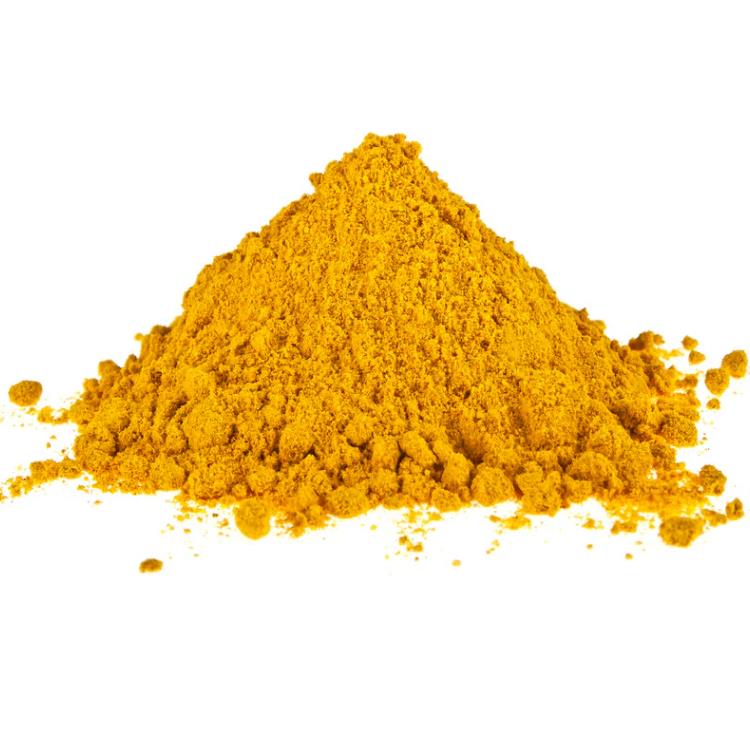
Understanding Enzymes and Their Non-Protein Assistants
Enzymes are proteins that catalyze biochemical reactions with remarkable specificity and efficiency. However, many enzymes require additional non-protein components to achieve full activity. These components—collectively termed cofactors—enable proper substrate binding, electron transfer, or group relocation. Without them, the apoenzyme (protein-only portion) remains inactive, and the complete functional unit (holoenzyme) cannot form. This foundational concept is central to biochemistry and directly influences how supplement raw materials are evaluated for efficacy in human nutrition.
What Exactly Are Cofactors?
Cofactors are non-protein chemical compounds or ions that bind to enzymes and assist in catalysis. They fall into two main groups:
- Inorganic cofactors: Typically metal ions such as Mg²⁺, Zn²⁺, Fe²⁺/³⁺, or Cu²⁺ that stabilize enzyme structure or participate in redox reactions.
- Organic cofactors: These include coenzymes and prosthetic groups.
Cofactors may bind loosely (reversible) or tightly (often covalently, as prosthetic groups). Their removal usually requires denaturation of the enzyme protein. In the supplement industry, inorganic cofactors like magnesium are common in mineral blends, but the organic variety receives greater scrutiny when formulating complex metabolic support products.
Coenzymes: Organic Molecules Derived from Vitamins and Nutrients
Coenzymes are a specific type of organic cofactor. They are typically small, non-protein organic molecules—often derived from vitamins or dietary precursors—that temporarily associate with enzymes. Unlike inorganic cofactors, coenzymes frequently undergo chemical modification during the reaction, acting as transient carriers of atoms, electrons, or functional groups (e.g., NAD⁺/NADH for hydride transfer, coenzyme A for acetyl groups).
Because coenzymes are loosely bound in most cases, they can dissociate after the reaction and be regenerated elsewhere in the cell. Common examples include B-vitamin derivatives such as NAD, FAD, and Coenzyme Q10. This transient nature makes coenzymes particularly relevant for dietary supplementation strategies aimed at supporting endogenous metabolic pathways.
Key Differences Between Coenzymes and Cofactors
Although the terms are sometimes conflated, coenzymes and cofactors are not the same:
- Composition: All coenzymes are cofactors, but only the organic ones qualify as coenzymes; cofactors also include inorganic ions.
- Binding and function: Coenzymes usually bind loosely and participate directly in group transfer; many cofactors (especially metals) provide structural or electrostatic support without being chemically altered.
- Removal and regeneration: Coenzymes can often be removed by dialysis and recycled; tight-binding prosthetic groups (a cofactor subtype) require harsher conditions.
- Dietary origin: Most coenzymes trace back to vitamins, making them prime candidates for targeted supplement raw materials.
This hierarchy is well-established in biochemical literature and helps manufacturers avoid formulation errors when developing multi-ingredient metabolic products.
Spotlight on Coenzyme Q10: A Key Player in Mitochondrial Support
Coenzyme Q10 (ubiquinone/ubiquinol) exemplifies a lipid-soluble coenzyme critical to the mitochondrial electron transport chain. It shuttles electrons between complexes I/II and III, directly contributing to ATP synthesis while serving as a potent antioxidant that protects membrane lipids from peroxidation. Endogenous synthesis declines with age and certain medications, prompting interest in exogenous sources.
Scientific reviews confirm CoQ10’s dual bioenergetic and antioxidant roles, though clinical outcomes vary by dosage, form (ubiquinone vs. ubiquinol), and individual health status. For supplement manufacturers, selecting a stable, bioavailable CoQ10 form is essential for product performance.
Strategic Implications for Sourcing Supplement Raw Materials
When developing metabolic or energy-support supplements, procurement teams must differentiate coenzyme specifications from generic cofactor blends. High-purity Coenzyme ingredients ensure batch-to-batch consistency, solubility, and stability—critical for finished dosage forms such as softgels, powders, or capsules.
Industry professionals sourcing coq10 powder, for example, evaluate parameters including purity (>98 %), residual solvents, heavy metals, and oxidation state. Working with an experienced coq10 Manufacturer that specializes in coq10 raw material production allows scalable access to coq10 bulk and coq10 wholesale quantities while maintaining traceability and regulatory compliance. Similar considerations apply to other supplement raw materials, where understanding coenzyme versus cofactor distinctions informs label claims, stability testing, and supply-chain risk management. Neutral, data-driven sourcing decisions ultimately enhance product reliability and customer trust.
Article Summary
Coenzymes and cofactors are related yet distinct: cofactors represent the full spectrum of non-protein enzyme assistants, while coenzymes are the organic, often vitamin-derived subset that actively shuttle chemical groups. For supplement manufacturers, this knowledge translates into more informed decisions about supplement raw materials selection, particularly when incorporating Coenzyme Q10. Accurate differentiation supports formulation science, regulatory adherence, and the delivery of consistent, high-value products to the market.
FAQ
1. Are coenzymes and cofactors interchangeable terms? No. Coenzymes are a subset of cofactors—specifically the organic molecules—while cofactors include both inorganic ions and organic compounds.
2. Why does the distinction matter when formulating supplements? It affects ingredient functionality, stability, and bioavailability. Coenzymes like CoQ10 participate directly in metabolic pathways, whereas inorganic cofactors often serve structural roles.
3. Is CoQ10 a coenzyme or a cofactor? CoQ10 is a coenzyme (and therefore also a cofactor) because it is an organic molecule that transfers electrons in the mitochondrial respiratory chain.
4. What should manufacturers look for in coq10 raw material? Key quality attributes include purity, oxidation state (ubiquinone vs. ubiquinol), particle size for bioavailability, and third-party testing for contaminants.
5. Can coenzymes be synthesized or must they be sourced externally? Many coenzymes can be produced endogenously, but dietary intake or supplementation helps maintain optimal levels, especially under stress or with age-related decline.
6. How does this topic relate to broader supplement raw materials strategy? Understanding enzymatic helpers guides decisions across vitamins, minerals, and specialized actives, ensuring synergistic formulations backed by biochemical rationale.
7. Where can businesses source reliable coq10 bulk and coq10 wholesale? Reputable coq10 Manufacturer partners offering GMP-compliant coq10 powder and coq10 raw material provide documented supply-chain transparency and customization options.
About Our Company
We are a specialized Coenzyme powder raw material manufacturer committed to supplying premium-grade ingredients for the global nutraceutical industry. Our portfolio includes high-purity coq10 powder, coq10 raw material in various specifications, and scalable coq10 bulk and coq10 wholesale solutions. In addition to CoQ10, we offer a full range of other Coenzyme and supplement raw materials designed to meet stringent quality, stability, and regulatory standards.
With years of manufacturing expertise, ISO/GMP certifications, and dedicated R&D support, we partner with supplement brands seeking consistent quality and reliable supply. Explore our complete product catalog and request specifications at our raw materials hub. We welcome inquiries from manufacturers and distributors worldwide.