


Abstract
Coenzyme Q10 (CoQ10) has become one of the fastest-growing ingredients in the global nutraceutical market, with a projected compound annual growth rate of 7.2% from 2024 to 2031 according to Grand View Research. For supplement brands, contract manufacturers, and health product distributors, understanding the mechanism of action of CoQ10, its applicable scenarios, and the key points of raw material procurement is critical to building competitive product lines. This guide breaks down the scientific principles of how CoQ10 works, explains the differences between common raw material forms, and provides actionable procurement advice for businesses, including key considerations when sourcing supplement raw materials at scale. All content is referenced to peer-reviewed studies and industry regulatory standards to ensure accuracy and reference value for business decision-making.
The Biological Mechanism of Coenzyme Q10
Core Function in Cellular Energy Production
Coenzyme Q10 is a fat-soluble quinone compound naturally present in the inner mitochondrial membrane of almost all human cells. Its most well-documented role is as an essential electron carrier in the oxidative phosphorylation pathway, the process that produces adenosine triphosphate (ATP), the body’s primary energy currency. A 2021 study published in *Antioxidants & Redox Signaling* notes that cells with high energy demand, such as cardiac muscle cells, neurons, and immune cells, have particularly high CoQ10 concentrations, as they require continuous ATP supply to maintain normal function.
This mechanism directly explains the core efficacy of CoQ10 products on the market: supporting cardiovascular health, reducing exercise-induced fatigue, and improving cellular vitality. For businesses, this scientific basis can be used to develop compliant product claims that align with regional regulatory requirements, avoiding overstatement of efficacy while highlighting the core value of the ingredient.
Antioxidant and Cell Membrane Protection Effects
In addition to energy production, CoQ10 is a potent endogenous antioxidant that neutralizes harmful reactive oxygen species (ROS) before they can damage cellular structures, lipids, proteins, and DNA. Unlike many exogenous antioxidants, CoQ10 can be recycled back to its active, reduced form (ubiquinol) in the body, allowing it to provide sustained antioxidant protection. A 2022 review in the *Journal of the American College of Cardiology* confirms that CoQ10 supplementation can reduce oxidative stress markers in patients with cardiovascular disease, supporting its use in heart health formulations.
This dual functionality (energy production + antioxidant) makes CoQ10 a versatile ingredient suitable for a wide range of product lines, from sports nutrition supplements to anti-aging skincare products and senior health formulas, expanding the market application space for businesses.
Key Coenzyme Q10 Raw Material Specifications for Business Procurement
Differences Between Ubiquinone and Ubiquinol Raw Materials
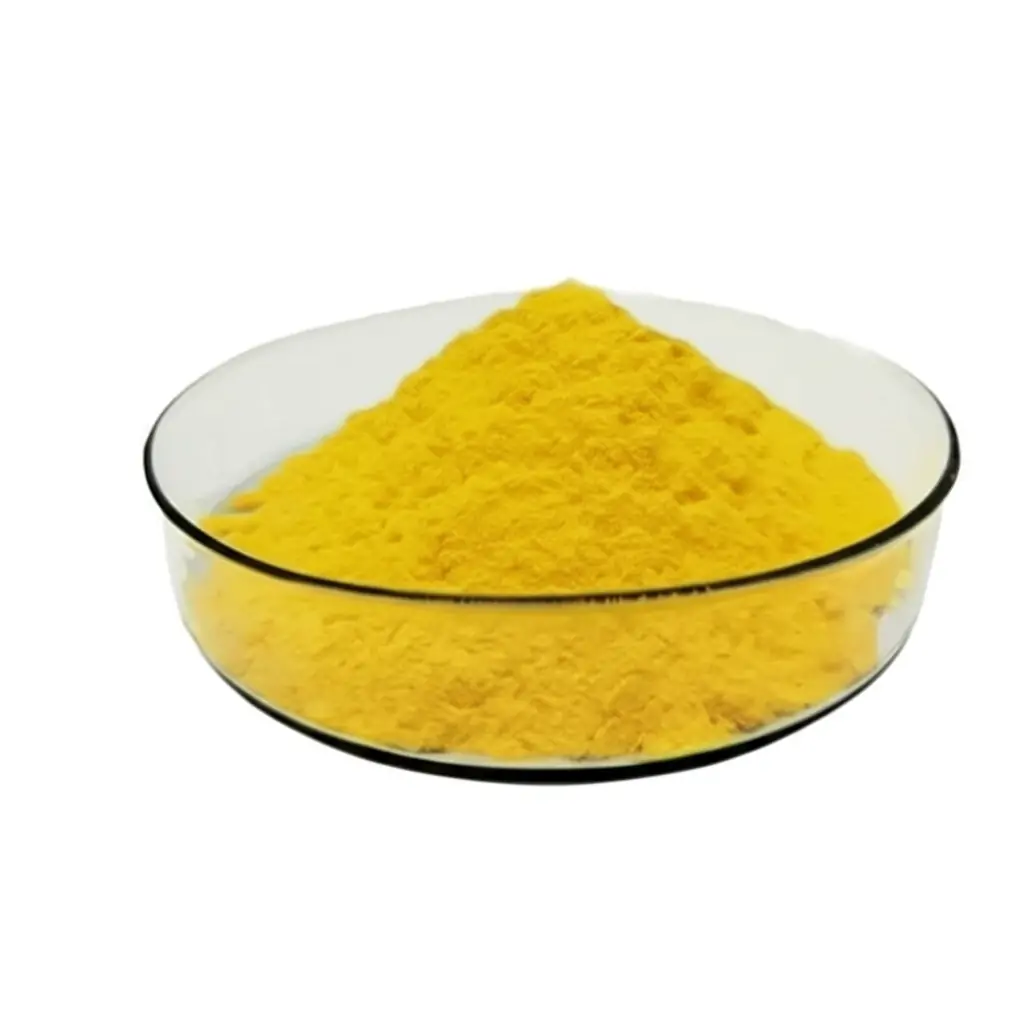
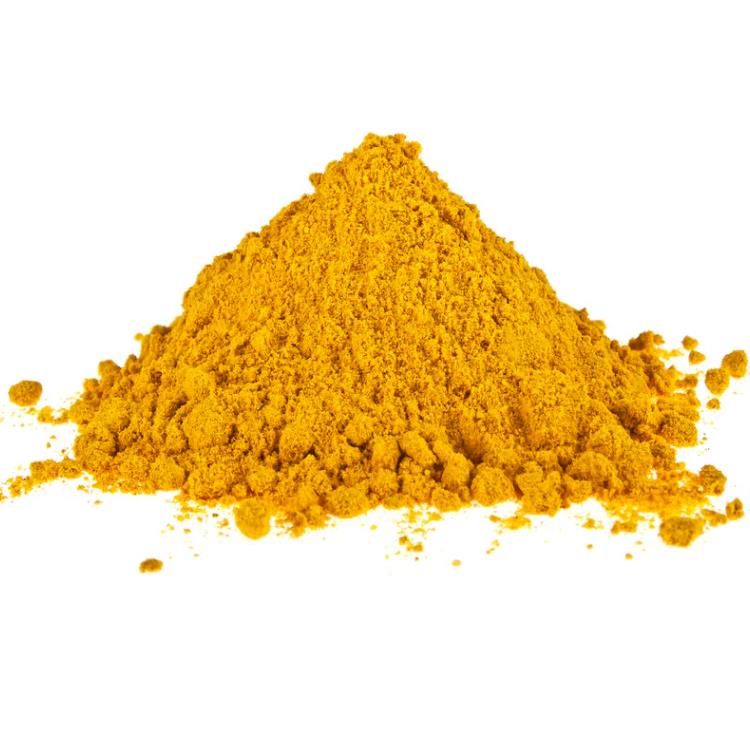
When sourcing coenzyme 10 powder, the first distinction to make is between the two main commercially available forms: ubiquinone (oxidized form) and ubiquinol (reduced form). Ubiquinone is the more stable, cost-effective option, making it suitable for standard oral supplements, hard capsules, and tablet formulations. Ubiquinol, which has higher bioavailability for populations with reduced CoQ10 absorption (such as older adults or individuals with mitochondrial dysfunction), is typically used in premium, high-potency products.
For businesses, choosing the appropriate form depends on your target audience and product positioning. It is important to work with suppliers that can provide third-party purity testing reports for both forms, as impurities can affect product efficacy and compliance with regulatory standards such as USP, EP, and JP.
Purity, Particle Size, and Bioavailability Considerations
The efficacy of CoQ10 supplements is directly related to the quality of the raw material. USP-grade CoQ10 requires a minimum purity of 98.0%, but leading coenzyme Manufacturer facilities often produce batches with purity exceeding 99.0%, which reduces the risk of adverse reactions and ensures consistent product performance.
Particle size is another often-overlooked factor: CoQ10 is poorly soluble in water, so micronized coenzyme 10 raw material with a particle size of less than 200 mesh has significantly higher dissolution rate and oral bioavailability compared to non-micronized powder. Some manufacturers also offer solubilized CoQ10 complexes with cyclodextrin or medium-chain triglycerides, which can further improve absorption by up to 300% according to a 2020 study in the *Journal of Dietary Supplements*. For businesses developing liquid supplements or fast-dissolve formulations, these specialized raw materials can provide a clear competitive advantage.
Procurement and Supply Chain Guidance for Business Bulk Purchases
Key Indicators for Evaluating Bulk CoQ10 Suppliers
When sourcing coenzyme 10 bulk quantities, businesses should prioritize suppliers that meet the following criteria:
- Possess GMP, HACCP, ISO 22000, and relevant organic certifications (if applicable) to ensure production process compliance
- Provide complete traceability systems, allowing tracking of raw material sources from fermentation to finished powder
- Offer customizable specifications, including particle size, form (ubiquinone/ubiquinol), and pre-compounded blends with other ingredients such as PQQ or omega-3 fatty acids
- Have stable production capacity to meet large order demands without extended lead times
- Provide technical support for formulation development, including solubility testing and compatibility checks with other ingredients
Avoid suppliers that offer unusually low prices, as these often correspond to substandard purity, untested raw materials, or non-compliant production processes that can lead to product recalls and reputational damage.
Cost Optimization and Inventory Management for Wholesale Orders
For businesses making coenzyme 10 wholesale purchases, there are several strategies to reduce costs without compromising quality:
- Place consolidated orders for quarterly or semi-annual demand to take advantage of volume discounts, as CoQ10 powder has a shelf life of 24 months when stored in cool, dry, light-protected conditions
- Work directly with manufacturers rather than middlemen to eliminate additional markup, which can reduce procurement costs by 15-25% on average
- Pre-book raw materials during low-demand seasons (typically Q1 of each year) to avoid price fluctuations caused by supply chain disruptions or increases in raw material fermentation costs
- Maintain a safety stock of at least 1.5 times your monthly production demand to avoid production shutdowns caused by unexpected order surges or supply delays
Conclusion
Understanding how Coenzyme Q10 works at the cellular level is the foundation for developing effective, marketable CoQ10 products. For businesses, the key to success lies in selecting high-quality, appropriate raw material forms, working with reliable, certified manufacturers, and optimizing procurement processes to balance cost and quality. As consumer demand for evidence-based nutritional supplements continues to rise, CoQ10 remains a high-growth ingredient with broad application prospects in cardiovascular health, sports nutrition, anti-aging, and skincare product categories. By prioritizing raw material quality and supply chain transparency, businesses can build trusted CoQ10 product lines that stand out in a crowded market.
FAQ
Q: What is the difference between natural fermentation-derived CoQ10 and synthetic CoQ10?
A: Natural CoQ10 is produced via yeast fermentation, which has the same molecular structure as the CoQ10 naturally produced in the human body, resulting in higher bioavailability and safety. Synthetic CoQ10 is produced via chemical processes, which may contain trace impurities and has lower absorption rates. Most regional regulatory bodies recommend using fermentation-derived CoQ10 for dietary supplement applications.
Q: What is the minimum order quantity (MOQ) for bulk CoQ10 powder?
A: MOQ varies by manufacturer, but standard GMP facilities typically have an MOQ of 25kg for standard ubiquinone powder, and 10kg for premium ubiquinol or specialized solubilized forms. Some manufacturers may offer smaller trial orders (1-5kg) for businesses conducting formulation testing before large-scale production.
Q: Are there any regulatory requirements for CoQ10 raw materials that I need to be aware of?
A: Requirements vary by region: in the US, CoQ10 is classified as a dietary supplement ingredient and must meet USP purity standards; in the EU, it is approved as a novel food ingredient with a maximum daily intake limit of 100mg per serving; in China, it is classified as a health food ingredient with specific labeling requirements. Always confirm that your supplier can provide the necessary documentation (COA, TSE/BSE-free certificate, allergen statements) to meet local regulatory requirements.
Company Introduction
We are a leading professional coenzyme powder raw material manufacturer with over 15 years of experience in the nutraceutical raw material industry. Our GMP and ISO 22000 certified production facility produces a full range of CoQ10 products, including 98%+ purity ubiquinone powder, 99%+ purity ubiquinol powder, micronized CoQ10, and solubilized CoQ10 complexes suitable for various formulation needs. In addition to CoQ10, we also supply a wide range of high-quality supplement raw materials, including PQQ, NAD+ precursors, omega-3 fatty acids, and plant extracts, all with complete traceability and third-party testing reports. We offer flexible MOQs, customizable specifications, and technical support for formulation development to help supplement brands, contract manufacturers, and distributors build competitive product lines. For inquiries about bulk orders or sample requests, please contact our sales team directly.