


Abstract
Coenzyme 10, also known as ubiquinone, is a fat-soluble antioxidant naturally produced in the human body that plays a critical role in cellular energy production and oxidative stress protection. As global demand for nutritional supplements, functional foods, and cosmeceutical products containing this ingredient continues to rise – with a 6.8% CAGR projected for the coenzyme Q10 market through 2030, per Grand View Research – B2B buyers including supplement brands, contract manufacturers, and distributors face growing pressure to source high-quality, compliant raw materials at competitive scales. This guide breaks down the core properties of coenzyme 10, key applications in commercial product development, critical sourcing considerations, and actionable insights for businesses looking to build resilient supply chains. We also clarify common questions around supplement raw materials specifications, bulk pricing, and regulatory compliance to help you make informed procurement decisions.
What Is Coenzyme 10, and Why Is It Valuable for Commercial Products?
Coenzyme 10 is a naturally occurring benzoquinone compound found in almost every eukaryotic cell, with the highest concentrations in energy-intensive organs such as the heart, liver, and kidneys. Its two primary biological functions are supporting adenosine triphosphate (ATP) synthesis during cellular respiration, and neutralizing harmful free radicals that can cause oxidative damage to cells and DNA.
For B2B businesses in the health and wellness space, coenzyme 10’s well-documented health benefits make it a highly versatile ingredient: it is commonly formulated into cardiovascular support supplements, anti-aging skincare products, sports nutrition formulas, and even veterinary health products. Clinical research published in the *Journal of the American College of Cardiology* has linked regular coenzyme 10 intake to reduced frequency of migraines, improved heart function in patients with congestive heart failure, and reduced statin-induced muscle pain, giving brands strong evidence to support product claims.
Key Physical and Chemical Properties for Formulation
When evaluating coenzyme 10 for product development, its core characteristics directly impact formulation feasibility and shelf stability:
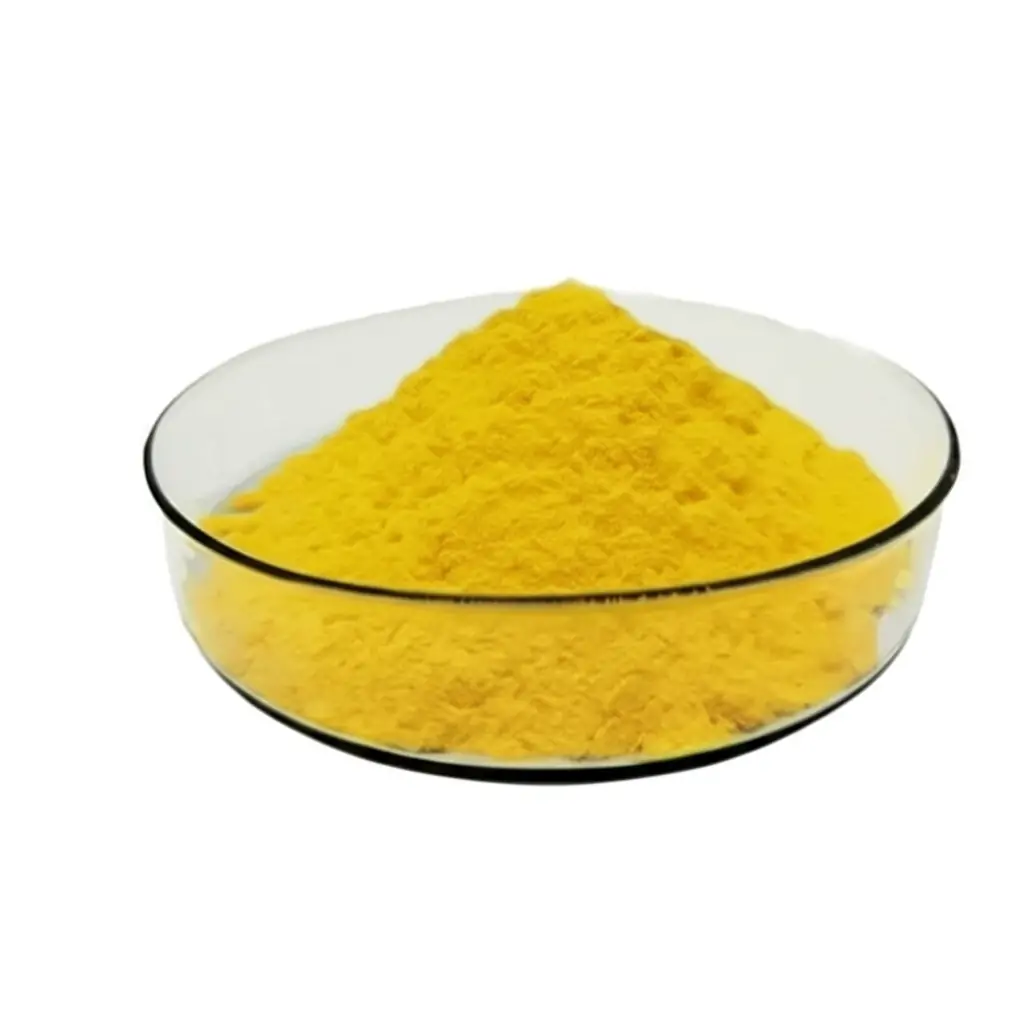
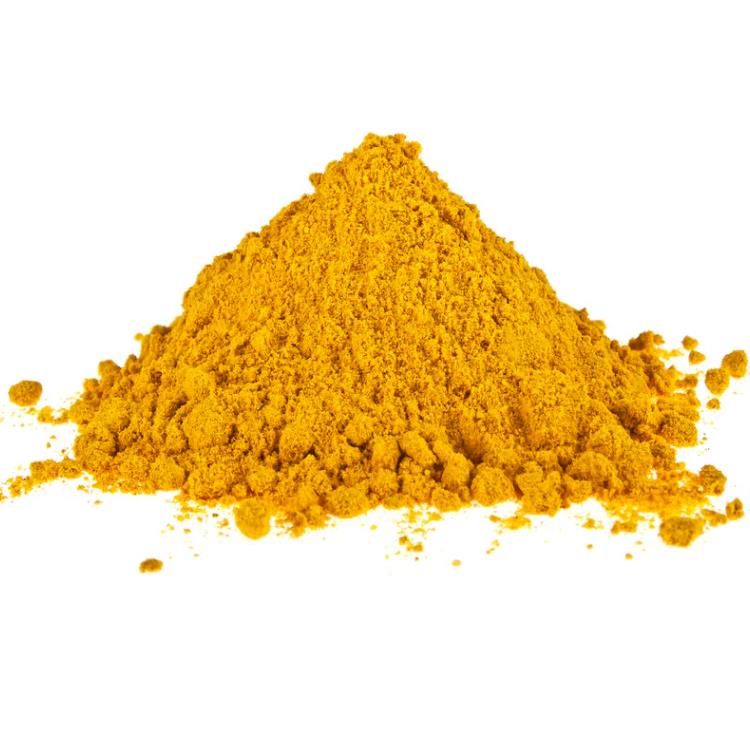
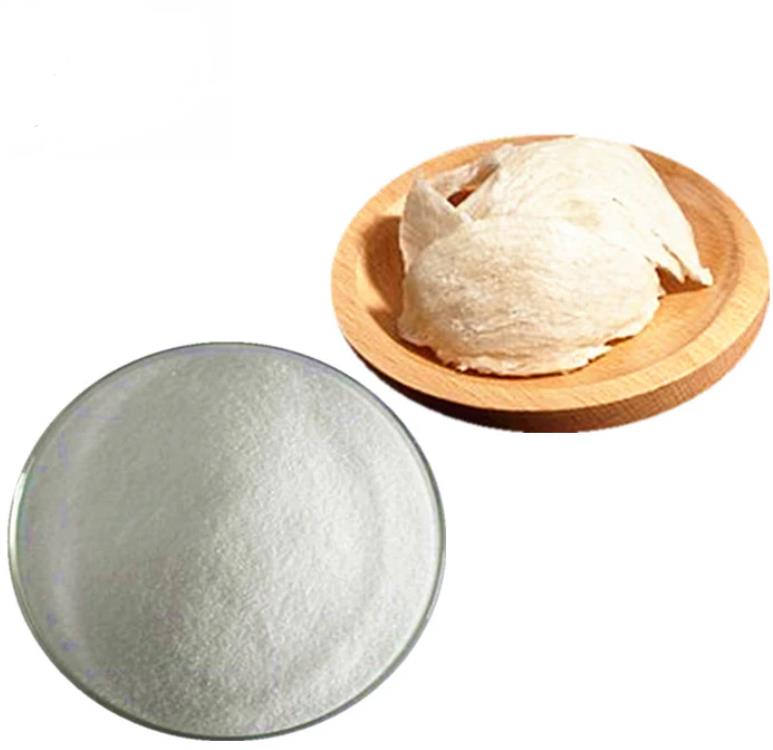
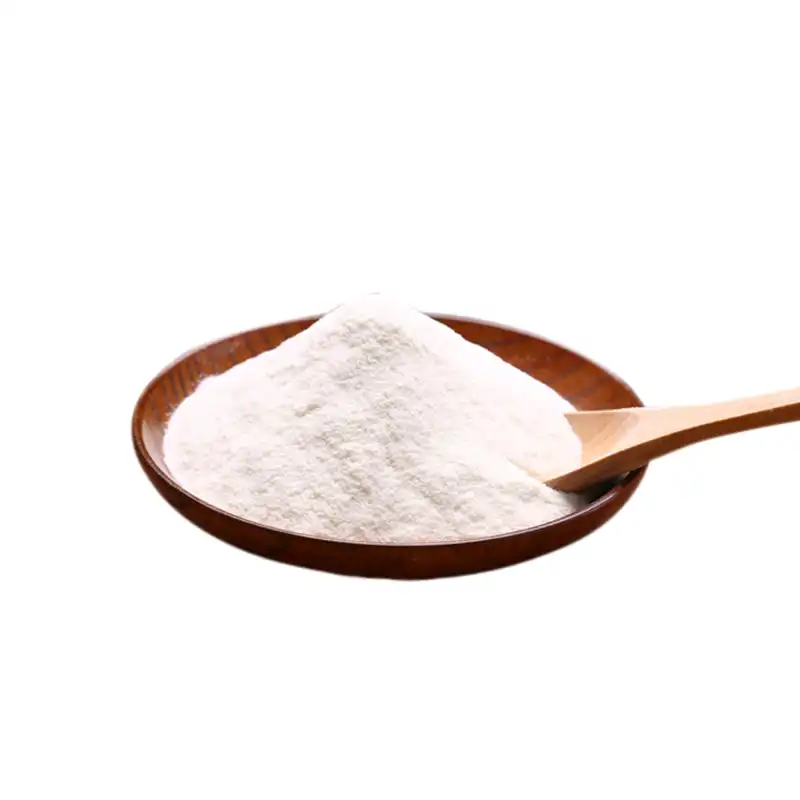
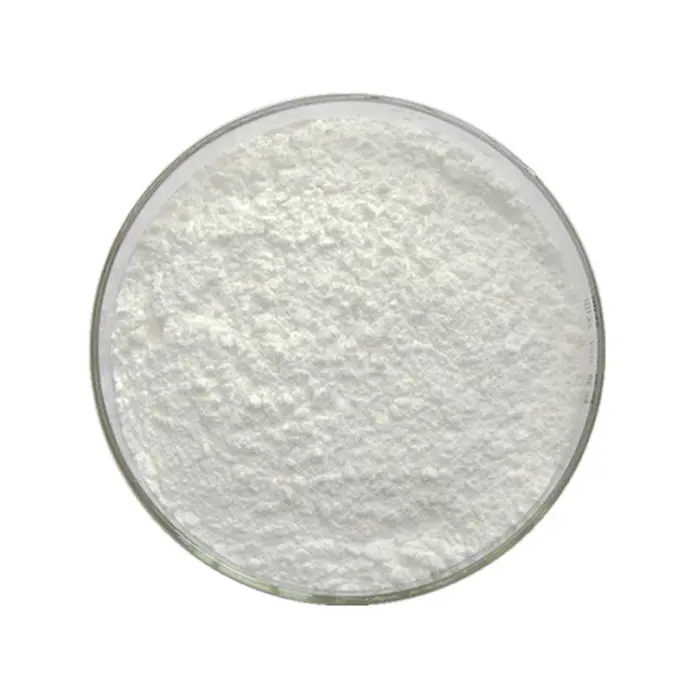
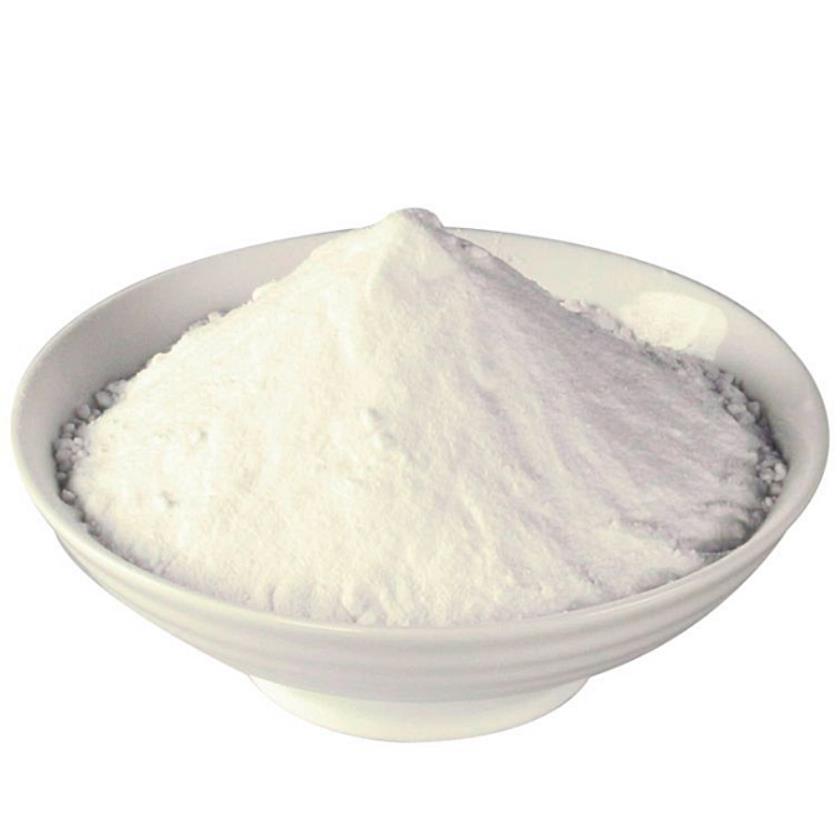
- Appearance: Yellow to orange crystalline powder with no distinct odor
- Solubility: Practically insoluble in water, soluble in lipids and organic solvents, making it suitable for softgel capsules, lipid-based serums, and emulsified functional foods
- Stability: Degrades under prolonged exposure to UV light and high temperatures, requiring controlled storage conditions during transportation and production
- Bioavailability: Naturally occurring coenzyme 10 has a relatively low absorption rate, so many suppliers offer enhanced forms (such as ubiquinol, the reduced version of coenzyme 10, or formulations combined with piperine) to improve consumer outcomes.
Common Commercial Grades and Forms of Coenzyme 10
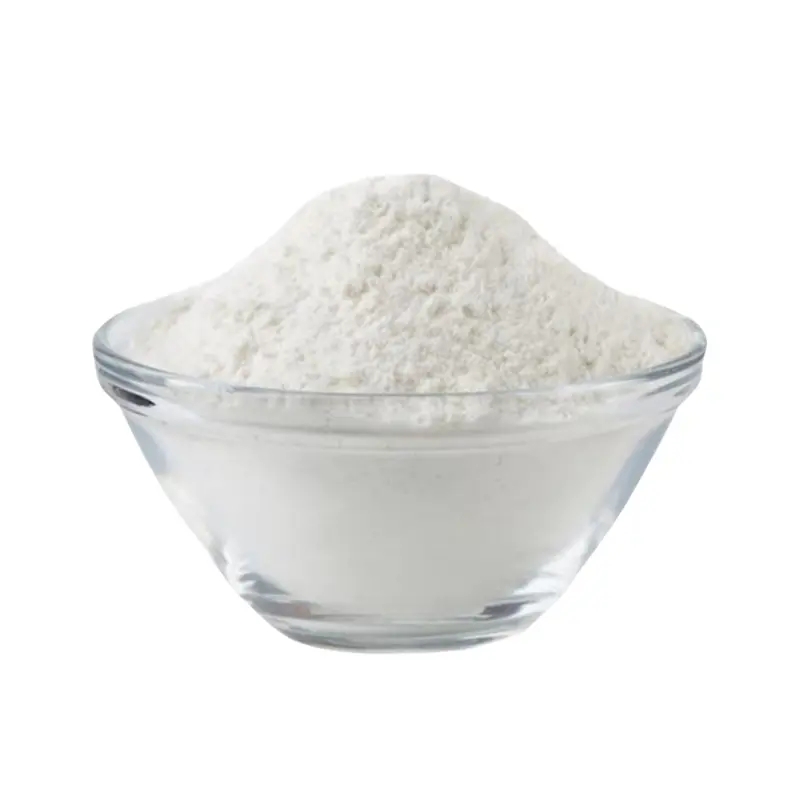
Not all coenzyme 10 raw materials are created equal, and selecting the right grade is critical to align with your product’s end use, regulatory requirements, and target market. For most B2B use cases, coenzyme 10 powder is the most widely traded form, as it offers high flexibility for formulation across multiple product categories.
Grades of Coenzyme 10 for Business Use
- Food Grade: Meets basic purity standards (minimum 98% purity) for use in functional foods, energy drinks, and general dietary supplements. This grade is the most cost-effective option for brands targeting mainstream consumer markets with standard label claims.
- **Pharmaceutical Grade: Has stricter purity requirements (minimum 99% purity) and undergoes additional testing for heavy metals, microbial contaminants, and residual solvents. This grade is required for products classified as over-the-counter (OTC) medications or prescription adjuvant therapies in most regions.
- **Cosmetic Grade: Processed to ensure compatibility with topical formulations, with specific limits on impurities that may cause skin irritation. This grade is ideal for anti-aging serums, face creams, and sun protection products that leverage coenzyme 10’s antioxidant properties to reduce fine lines and UV damage.
Alternative Forms for Specialized Formulation
Beyond standard crystalline powder, businesses can also source coenzyme 10 in pre-formulated formats to simplify production:
- Oil dispersions: Coenzyme 10 pre-suspended in vegetable oils (such as soybean oil or sunflower oil) for direct filling into softgel capsules, eliminating the need for in-house lipid mixing processes
- Microencapsulated powder: Coenzyme 10 particles coated with a food-grade polymer shell to improve water solubility, making it suitable for hard capsules, powdered drink mixes, and effervescent tablets
- Ubiquinol powder: The reduced, more bioavailable form of coenzyme 10, targeted at premium supplement lines focused on enhanced absorption for older consumers (who naturally produce less coenzyme 10 as they age).
Critical Sourcing Considerations for B2B Coenzyme 10 Procurement
For supplement brands, contract manufacturers, and distributors, the quality of your raw material directly impacts product efficacy, regulatory compliance, and brand reputation. Working with a reliable coenzyme manufacturer can help you avoid common supply chain risks such as batch inconsistency, delayed deliveries, and non-compliant materials that may result in product recalls.
1. Purity and Third-Party Testing Verification
The minimum industry standard for coenzyme 10 purity is 98%, but reputable suppliers will provide detailed Certificates of Analysis (COA) for every batch, listing test results for:
- Active ingredient content
- Heavy metal limits (lead, arsenic, cadmium, mercury, all below 10ppm for food grade)
- Microbial counts (total aerobic bacteria, yeast and mold, E. coli, Salmonella)
- Residual solvents and pesticide residues
To ensure trustworthiness, look for manufacturers that provide third-party test reports from accredited laboratories such as USP, NSF, or Eurofins, rather than relying solely on in-house testing data.
2. Production Process and Sustainability Credentials
Coenzyme 10 is commercially produced via two main methods: chemical synthesis and microbial fermentation. Microbial fermentation, which uses yeast or bacteria to produce the compound, is generally considered more sustainable and produces a form of coenzyme 10 that is structurally identical to the version naturally produced in the human body, leading to higher consumer acceptance.
For brands targeting eco-conscious markets, you may also want to verify that your supplier follows sustainable production practices, such as reducing water usage during manufacturing, using renewable energy, and providing recyclable packaging options for bulk shipments.
3. Regulatory Compliance for Target Markets
Coenzyme 10 is classified differently across regions, and your coenzyme 10 raw material must meet all local regulatory requirements to avoid customs delays or product seizures:
- United States: Classified as a dietary supplement ingredient by the FDA, requiring compliance with Current Good Manufacturing Practices (cGMP) and GRAS (Generally Recognized as Safe) status
- European Union: Listed as a novel food ingredient, requiring EFSA approval for use in food products, and compliance with Ph. Eur. (European Pharmacopoeia) standards for pharmaceutical uses
- Asia Pacific: Requirements vary by country, with China requiring CFDA approval for imported nutritional supplement ingredients, and Japan classifying coenzyme 10 as either a food ingredient or pharmaceutical depending on its purity and intended use.
Reliable manufacturers will already have the necessary documentation (such as DMF files, cGMP certificates, and HALAL/KOSHER certifications) to support your regulatory submissions in your target market.
Bulk Procurement and Supply Chain Best Practices
As your business scales, sourcing coenzyme 10 bulk quantities can help you reduce per-unit costs, ensure consistent supply for large production runs, and negotiate better terms with suppliers. However, bulk procurement requires careful planning to avoid overstocking, material degradation, or supply chain disruptions.
How to Optimize Bulk Sourcing
- Align order quantities with your production schedule: Coenzyme 10 has a typical shelf life of 24 months when stored in a cool, dry place away from direct sunlight. Avoid ordering more than 12 months of inventory at a time to prevent material degradation before use.
- Negotiate long-term contracts for stable pricing: Global coenzyme 10 prices can fluctuate due to changes in raw material costs, energy prices, and trade tariffs. Signing a 6 to 12 month supply contract with a trusted manufacturer can lock in pricing and reduce the risk of cost increases impacting your profit margins.
- Establish a backup supply chain: Even with a reliable primary supplier, unexpected events such as factory shutdowns, port congestion, or natural disasters can disrupt deliveries. Working with 1-2 secondary suppliers for smaller backup orders can help you avoid production delays during supply chain crunches.
What to Expect from a Reputable Coenzyme 10 Wholesale Partner
When evaluating coenzyme 10 wholesale suppliers, look for partners that offer additional value beyond just selling raw materials:
- Customized packaging options: From 1kg foil bags for small production runs to 25kg fiber drums for bulk orders, with private label packaging available if you plan to resell raw materials to smaller businesses
- Formulation support: Technical teams with experience in coenzyme 10 product development that can advise on bioavailability enhancement, compatibility with other ingredients, and shelf life testing
- Flexible minimum order quantities (MOQs): MOQs for standard coenzyme 10 powder typically start at 1kg for small brands, with discounted pricing available for orders over 100kg for large-scale manufacturers.
Conclusion
Coenzyme 10 is a high-demand, science-backed ingredient with diverse applications across the nutraceutical, cosmeceutical, and functional food industries. For B2B buyers, understanding its core properties, grade differences, and sourcing requirements is critical to developing high-quality products that meet regulatory standards and consumer expectations. By prioritizing suppliers that offer transparent third-party testing, regulatory compliance support, and flexible bulk ordering terms, you can build a resilient supply chain that supports your business growth as demand for coenzyme 10 products continues to rise. Whether you are a startup supplement brand launching your first product line or a large contract manufacturer scaling production for global markets, selecting the right raw material partner is the foundation of long-term success in the coenzyme 10 space.
FAQ
1. What is the difference between coenzyme 10 (ubiquinone) and ubiquinol?
Ubiquinone is the oxidized form of coenzyme 10, while ubiquinol is the reduced, antioxidant-active form that the body can use immediately. Ubiquinol has higher bioavailability for consumers with reduced coenzyme 10 absorption (such as older adults), but it is also more expensive and less stable during formulation than standard ubiquinone powder.
2. What is the typical MOQ for bulk coenzyme 10 powder orders?
For standard 98% purity food grade coenzyme 10 powder, most manufacturers have an MOQ of 1kg for sample orders, with discounted bulk pricing starting at 50kg or 100kg orders. Some suppliers may offer lower MOQs for specialized forms such as microencapsulated or ubiquinol powder, but these will have higher per-unit costs.
3. How can I verify that a coenzyme manufacturer is reliable?
Start by requesting their latest certifications (cGMP, ISO, HALAL, KOSHER) and recent third-party test reports for their coenzyme 10 products. You can also ask for client references from businesses in your industry, and request a small sample order to test material quality before committing to a large bulk purchase. Avoid suppliers that cannot provide detailed COA documentation or that offer prices significantly below the market average, as this may indicate low-purity or non-compliant material.
4. What storage conditions are required for bulk coenzyme 10 raw material?
Bulk coenzyme 10 powder should be stored in a sealed, light-proof container at a temperature between 15°C and 25°C, with relative humidity below 60%. When stored correctly, unopened bulk material has a shelf life of 24 months from the date of production. Once opened, it should be used within 6 months to prevent degradation and contamination.
5. Can coenzyme 10 be combined with other ingredients in supplement formulations?
Yes, coenzyme 10 is highly compatible with most common supplement ingredients, including omega-3 fatty acids, vitamin E, vitamin C, and piperine (black pepper extract). Combining coenzyme 10 with piperine or lipid carriers can increase its bioavailability by up to 30%, according to research published in the *Journal of Dietary Supplements*. Always conduct stability testing when developing new formulations to ensure the final product maintains its claimed potency through its entire shelf life.
Company Introduction
We are a leading global coenzyme powder raw material manufacturer with over 15 years of experience producing high-purity coenzyme 10 for B2B clients across the nutraceutical, pharmaceutical, and cosmeceutical industries. Our GMP-certified production facilities use industry-leading microbial fermentation technology to produce 98% to 99% purity coenzyme 10 powder, with full third-party testing support and compliance with FDA, EFSA, and CFDA regulatory requirements. We offer flexible MOQs, competitive bulk pricing, and end-to-end technical support for formulation and regulatory submissions, to help businesses of all sizes bring high-quality coenzyme 10 products to market efficiently. To request a sample or discuss your bulk sourcing needs, contact our sales team today.