
By Adrian Chen, Senior Technical Director, Advanced Nutrition Innovation Center | Technical review benchmark: HPLC assay 98.0% to 102.0%, loss on drying ≤0.5%, total heavy metals ≤10 ppm by ICP-MS.
Resumen ejecutivo principal
N-acetil-glucosamina technical specifications determine whether a lot will compress cleanly, dissolve predictably, and remain stable through a 24-month shelf life. For nutraceutical use, pharmaceutical-grade NAG must assay 98.0% to 102.0% by HPLC on a dried basis, with loss on drying ≤0.5% and total heavy metals ≤10 ppm by ICP-MS. Procurement teams that verify those three COA parameters plus specific rotation and microbial limits before approval reduce batch rejection risk and formulation rework.
For pharmaceutical-grade NAG, purity must exceed 98.0% by HPLC with heavy metals controlled below 10 ppm. The NAG sourcing checklist in this briefing prioritizes identity confirmation by IR and specific rotation, impurity profiling by HPLC, and microbial control per USP <61> and <62>. Lots that meet all thresholds in three consecutive batches with assay RSD ≤2.0% provide the baseline for reproducible tablet, capsule, and powder formulations.
Molecular & Physicochemical Characteristics
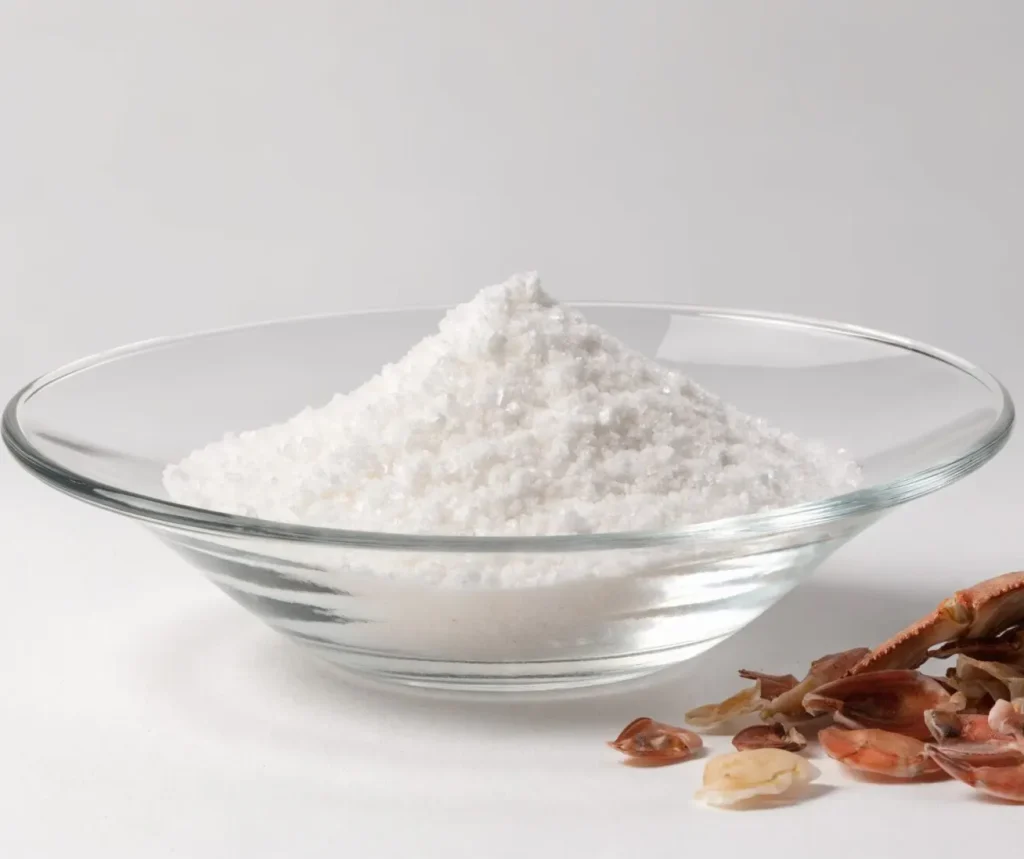
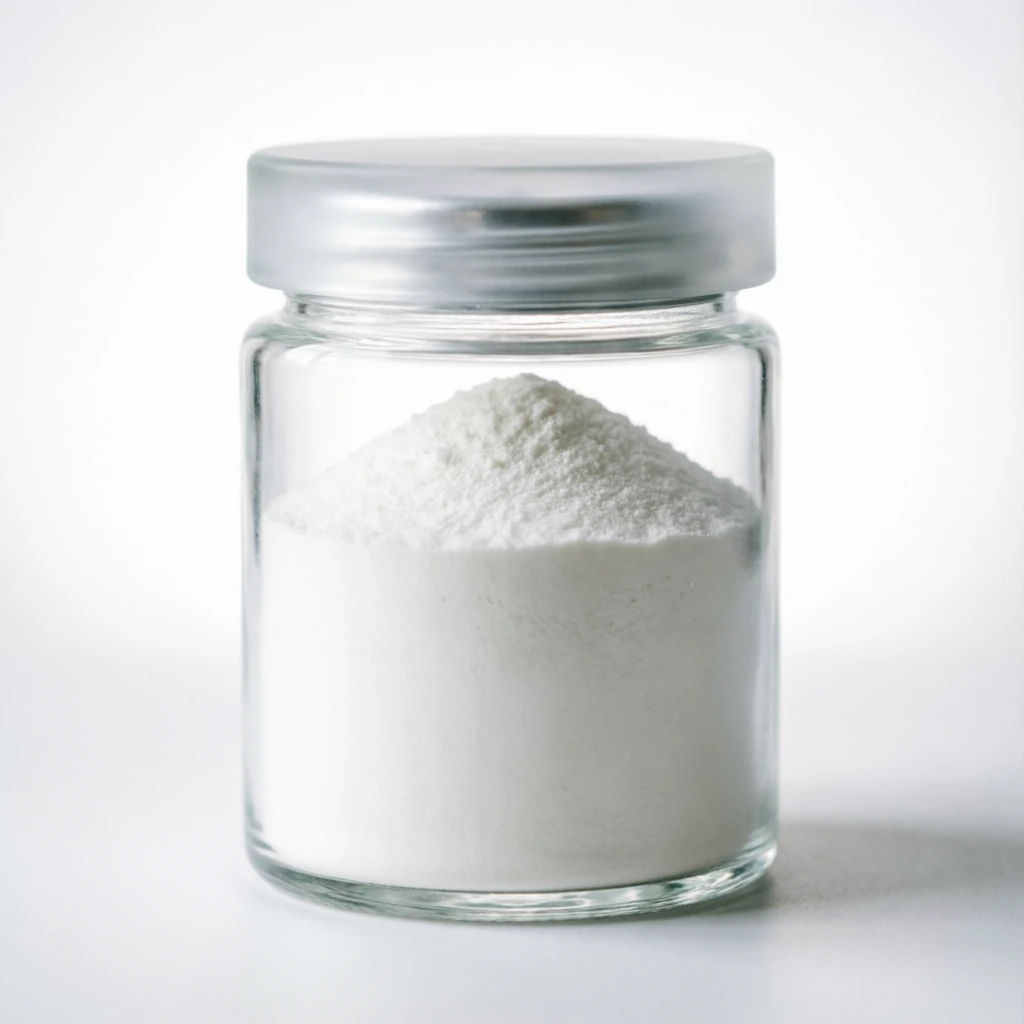
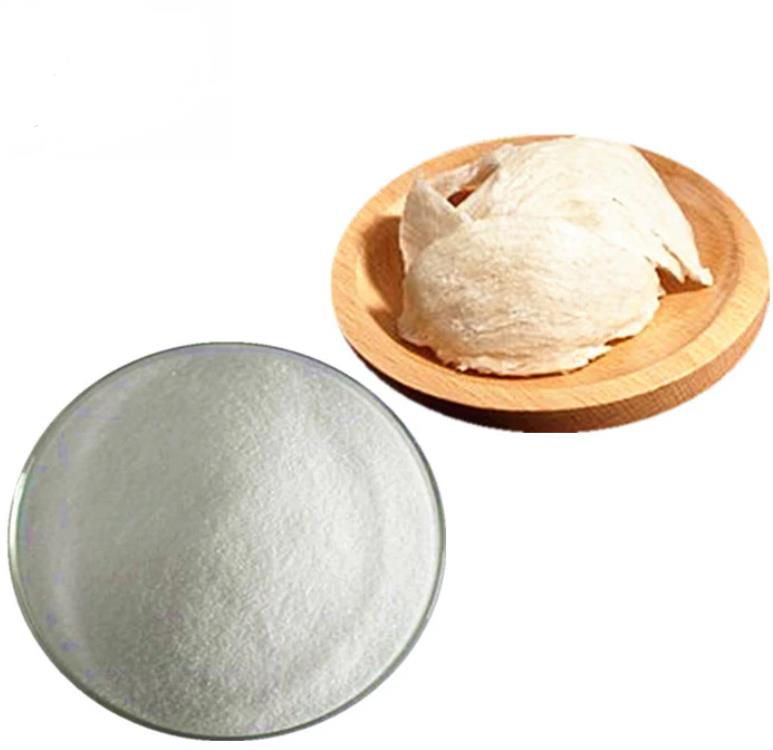
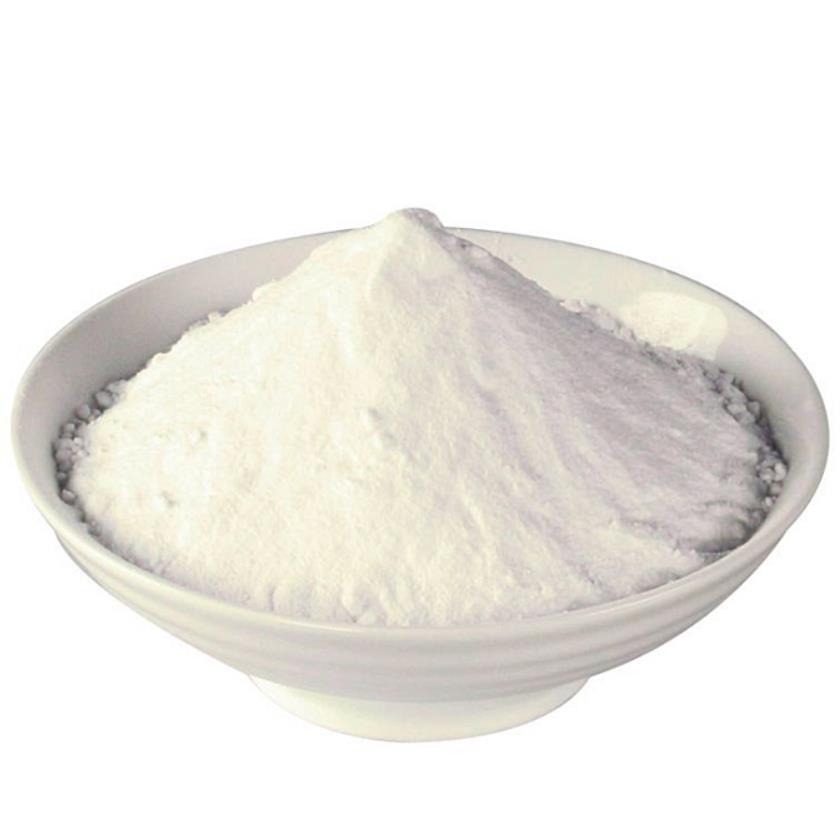
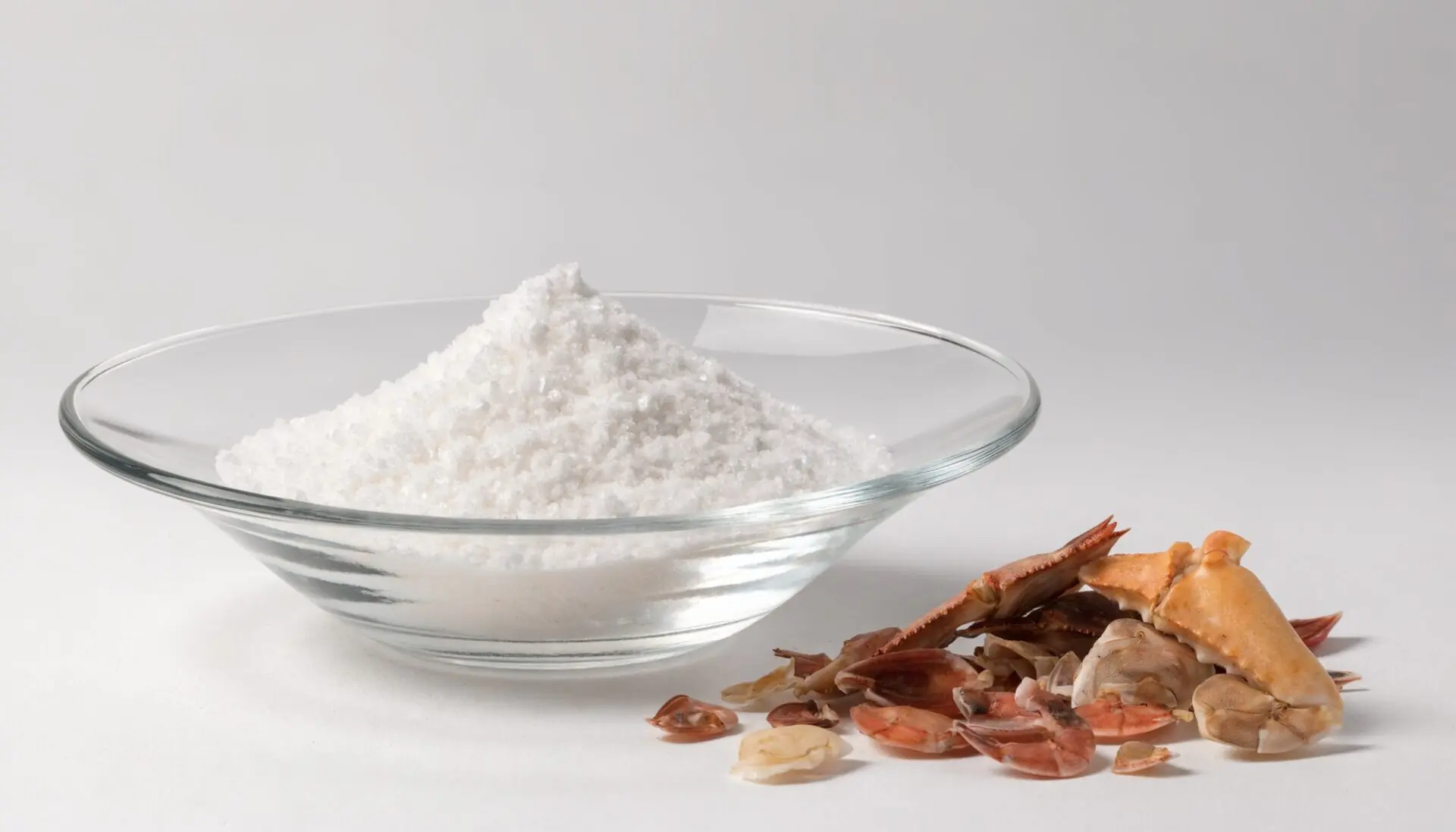
N-Acetyl-D-glucosamine (GlcNAc) is assigned CAS 7512-17-6, molecular formula C8H15NO6, and molecular weight 221.21 g/mol. It presents as a white to off-white crystalline powder with a faintly sweet taste and a specific rotation of +39.0° to +43.0° after mutarotation equilibrium. Identity must be confirmed by IR fingerprint and specific rotation, not by appearance alone, because glucosamine salts can mimic appearance while failing assay.
Water solubility is approximately 50 mg/mL at 25°C, with clear to very slightly hazy solutions at 50 mg/mL in purified water. NAG is practically insoluble in ethanol and insoluble in most organic solvents, a property that limits solvent-based granulation and favors direct compression or dry blending. A 10 mg/mL aqueous solution typically shows pH 6.0 to 8.0, which supports formulation in mildly acidic to neutral systems without aggressive pH adjustment.
NAG exhibits moderate hygroscopicity and requires moisture control throughout handling, with Karl Fischer titration used to verify water content at ≤0.5% for premium grades. The molecule undergoes mutarotation in solution, with alpha and beta anomers interconverting, so HPLC assay methods must be anomer-agnostic and validated for total GlcNAc. Particle size still governs flow, with >90% through 80 mesh specified for direct-compression grades to maintain tablet weight uniformity within ±5.0%.
COA Parameter Analysis
Assay and identity form the first COA gate. HPLC-UV or HPLC-CAD methods should report 98.0% to 102.0% on a dried basis, with system suitability requiring resolution ≥1.5 from the glucosamine impurity peak and RSD ≤1.0% for replicate injections. When qualifying any materias primas funcionales, procurement should require the full chromatogram, not a single assay value, plus IR identification and specific rotation +39.0° to +43.0° to exclude substitution with glucosamine hydrochloride or sulfate.
Impurity control separates standard and premium lots. Individual related substances must be ≤0.5% and total impurities ≤2.0% by HPLC, with free glucosamine limited to ≤1.0% as a marker of incomplete acetylation or hydrolysis. Chloride must be ≤0.1% and residue on ignition ≤0.1%, while N-acetyl glucosamine purity is confirmed by total nitrogen ≥6.0% consistent with the C8H15NO6 formula. Suppliers should disclose any unidentified peak >0.10% on each lot.
Elemental impurities require ICP-MS quantification per USP <233> and EP 2.4.20. Total heavy metals must be ≤10 ppm, with tightened limits for lead ≤1.0 ppm, arsenic ≤0.5 ppm, cadmium ≤1.0 ppm, and mercury ≤0.1 ppm for products intended for daily long-term use. Certificates that report only a colorimetric heavy metals test without ICP-MS values are insufficient for QA release of pharmaceutical-grade NAG.
Microbial and residual solvent limits complete the safety profile. Total aerobic microbial count must be ≤1,000 CFU/g and total yeast and mold count ≤100 CFU/g by USP <61> and EP 2.6.12, with Escherichia coli ≤3 MPN/g, Salmonella absent in 25 g, and Staphylococcus aureus absent by USP <62>. Residual solvents must comply with USP <467>, with Class 3 solvents such as ethanol limited to ≤5,000 ppm and Class 2 solvents such as methanol limited to ≤3,000 ppm.
Industry Specification Table
The table below consolidates standard and premium specifications. Premium grade is defined as material suitable for 24-month stability at 25°C/60% RH with assay drift ≤2.0%.
| Parámetro | Método de prueba | Especificacion estandar | Especificación Premium |
|---|---|---|---|
| Apariencia | Visual | Polvo cristalino blanco a blanquecino | White crystalline powder, no foreign matter |
| Identificación | IR, USP <197> | Se ajusta al espectro de referencia | Conforms, plus HPLC retention match |
| Ensayo (base seca) | HPLC-UV / HPLC-CAD | 98.0% a 102.0% | 99.0% a 101.0% |
| Rotacion especifica | Polarimetry, EP 2.2.7 | + 39.0 ° a + 43.0 ° | + 40.0 ° a + 42.5 ° |
| pH (10 mg/mL) | Potentiometry, USP <791> | 6.0 a 8.0 | 6.0 a 7.5 |
| Pérdida por secado | Karl Fischer / 105°C | ≤1.0% | ≤0.5% |
| Residuos en ignición | USP <281> | ≤0.1% | ≤0.1% |
| Cloruro | Valoración | ≤0.1% | ≤0.05% |
| Total de metales pesados | ICP-MS, USP <233> | ≤10 ppm | ≤10 ppm, Pb ≤1 ppm, As ≤0.5 ppm |
| Sustancias relacionadas | HPLC | Individual ≤0.5%, Total ≤2.0% | Individual ≤0.3%, Total ≤1.0% |
| Glucosamina libre | HPLC | ≤1.0% | ≤0.5% |
| Recuento aeróbico total | USP <61> | ≤1,000 UFC / g | ≤500 UFC / g |
| Levadura y moho | USP <61> | ≤100 UFC / g | ≤50 UFC / g |
| Patógenos | USP <62> | Salmonella absent / 25 g, E. coli negative | Salmonella absent / 25 g, S. aureus absent |
| Tamaño de partícula | Sieve, USP <786> | >90% a través de malla 80 | >95% through 80 mesh, D90 ≤180 µm |
| Solventes residuales | GC, USP <467> | Cumple con los límites USP <467> | Ethanol ≤5,000 ppm, Methanol ≤3,000 ppm |
For NAG, the premium specification is defined by assay 99.0% to 101.0% by HPLC, loss on drying ≤0.5%, and total impurities ≤1.0%. Require three-lot history with assay RSD ≤2.0% before locking a specification for scale-up.
Formulation Compatibility & Storage Protocols
NAG is stable in finished products at pH 3.0 to 7.0, with a target formulation pH of 4.5 to 6.5 for tablets, capsules, and powders. Formulators working with materias primas para la salud articular should avoid sustained exposure above pH 8.0, where deacetylation to glucosamine accelerates, and avoid strong oxidizing agents that degrade the amino-sugar backbone. Compatibility testing should include HPLC assay at 0, 1, and 3 months at 40°C/75% RH to detect early hydrolysis before committing to long-term stability.
Tablet and capsule processing favors dry methods. Direct compression with microcrystalline cellulose and silicon dioxide maintains assay within ±2.0% when inlet moisture is controlled below 40% RH and compression force is kept below the capping threshold for the blend. Wet granulation should be limited to water activity below 0.60 and drying to loss on drying ≤2.0% for the granule, because excess water increases hydrolysis and caking during storage. Typical capsule doses of 500 mg to 1,000 mg per unit require bulk density verification and flow testing to maintain fill weight RSD ≤3.0%.
Liquid and gummy formats impose stricter controls. Ready-to-drink liquids with NAG at 500 mg to 1,000 mg per serving require preservative efficacy testing per USP <51> and pH control at 3.5 to 5.5, because water activity near 0.95 accelerates microbial risk and hydrolysis. Gummies should target water activity ≤0.65 and storage at 15°C to 25°C to prevent syneresis and assay loss, with gelatin or pectin matrices validated for NAG recovery of 95.0% to 105.0% after manufacture.
Storage of the raw material determines incoming quality. Bulk NAG must be stored at 15°C to 25°C and relative humidity ≤60% in sealed, double-layer aluminum foil bags with desiccant and nitrogen flush. Reseal opened bags within 2 hours and retest water by Karl Fischer after 7 days open. Retest period is 24 months from manufacture when stored as specified, with accelerated data at 40°C/75% RH for 6 months supporting a 24-month label claim under ICH Q1A.
B2B Sourcing Checklist & Audit Protocol
A defensible NAG sourcing checklist combines COA verification, method validation, and on-site audit evidence. Every incoming lot must be quarantined until QA confirms assay, identity, moisture, heavy metals, and microbial results against the approved specification.
- Require full COA with HPLC chromatogram, ICP-MS report for Pb, As, Cd, Hg, and Karl Fischer result ≤0.5% for premium grade.
- Verify identity by IR and specific rotation +39.0° to +43.0° on every lot, with HPLC retention time match to a qualified reference standard.
- Confirm microbial limits of TAMC ≤1,000 CFU/g and TYMC ≤100 CFU/g, with pathogen absence documented per USP <61> and <62>.
- Confirm residual solvents per USP <467>, with ethanol ≤5,000 ppm and methanol ≤3,000 ppm reported numerically, not as pass only.
- Require three consecutive lots with assay RSD ≤2.0% and impurity profile consistency before approving a new supplier.
- Request stability data: 24 months at 25°C/60% RH and 6 months at 40°C/75% RH, with assay remaining within 98.0% to 102.0%.
- Audit GMP controls for 100,000-class cleanroom operations, allergen control, and shellfish-free status if the process claims fermentation or synthetic biology origin.
- Verify traceability from fermentation or synthesis batch to finished lot, with retained samples held for at least 12 months past expiry.
Supplier audits must confirm GMP, ISO9001, ISO22000, and FSSC 22000 certification, with documented change control for any shift in raw material source, fermentation strain, or purification resin. Batch consistency is evaluated by trending assay, moisture, and impurity data across at least 10 lots, with any out-of-trend result above 2 standard deviations triggering a corrective action review. Without method validation reports for HPLC assay and ICP-MS elemental impurities, a supplier should not be approved.
Preguntas Frecuentes
What assay should procurement require for NAG?
Require 98.0% to 102.0% by HPLC on a dried basis for standard grade and 99.0% to 101.0% for premium grade, with identity confirmed by IR and specific rotation +39.0° to +43.0°.
How does NAG differ from glucosamine HCl or glucosamine sulfate?
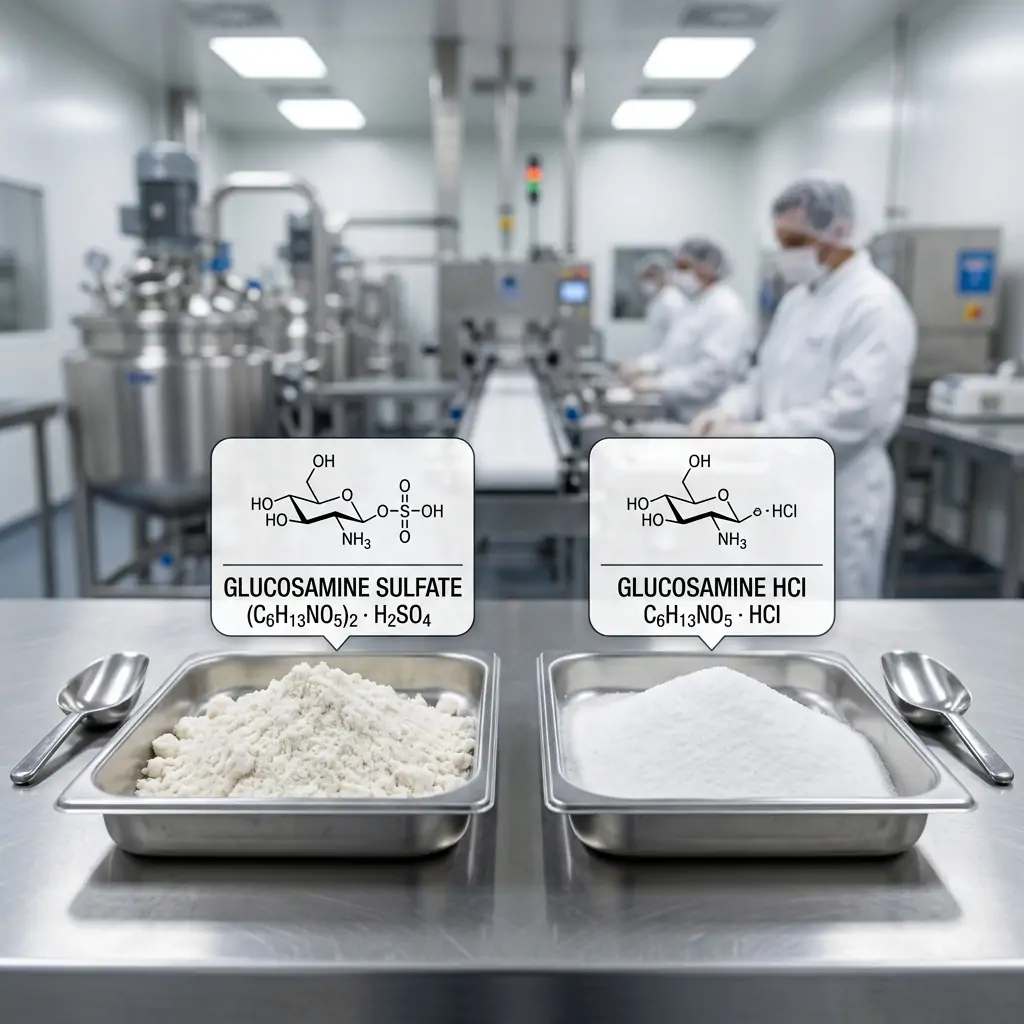
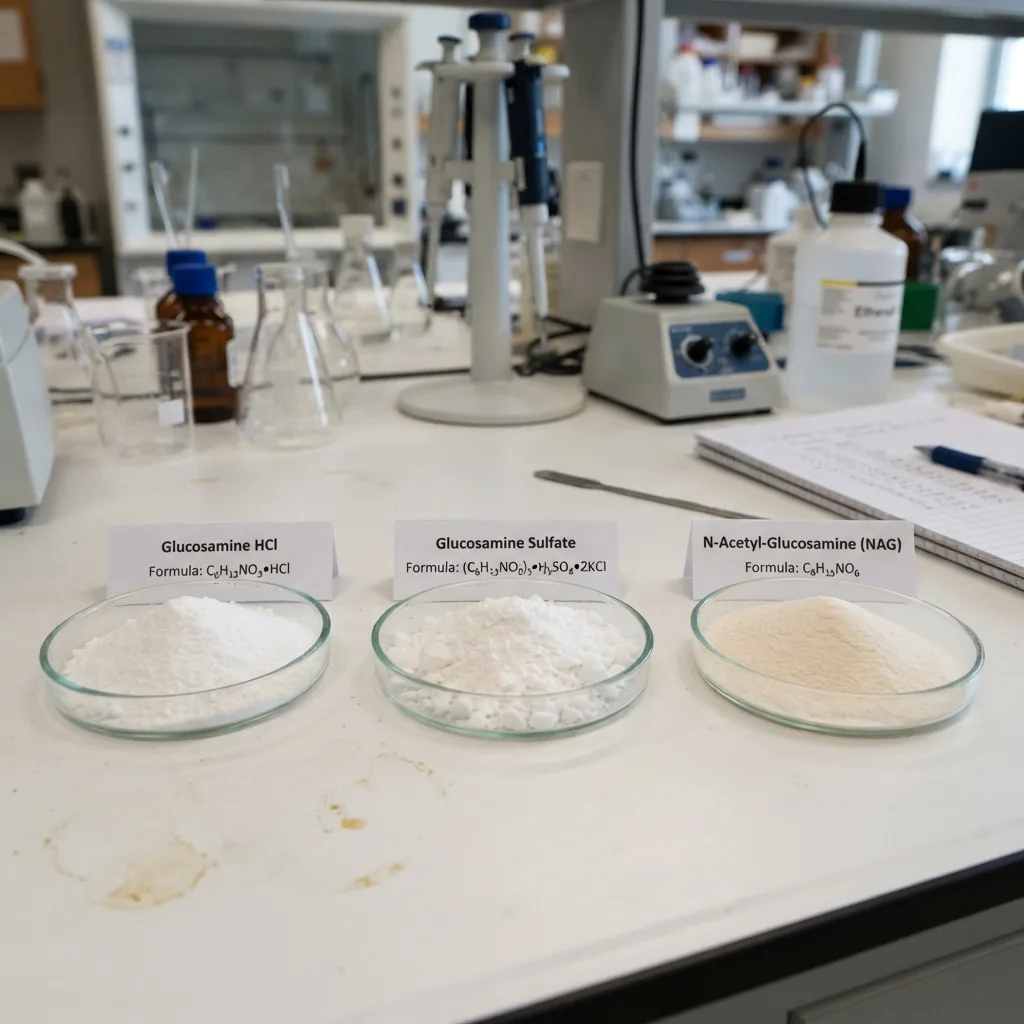
NAG is the N-acetylated form with formula C8H15NO6 and molecular weight 221.21 g/mol, while glucosamine HCl and sulfate are salt forms with different chloride or sulfate content and solubility profiles. NAG provides a neutral pH profile at 6.0 to 8.0 and avoids excess chloride or sulfate load in multi-ingredient formulations.
What is the recommended storage and retest period for NAG?
Store at 15°C to 25°C and RH ≤60% in sealed foil bags with desiccant, with a retest period of 24 months supported by 6 months of accelerated data at 40°C/75% RH.
What microbial limits apply to NAG for nutraceutical use?
Apply TAMC ≤1,000 CFU/g, TYMC ≤100 CFU/g, Salmonella absent in 25 g, and E. coli negative per USP <61> and <62>.
Can NAG be used in gummies and liquids?
Yes, with water activity ≤0.65 for gummies and pH 3.5 to 5.5 for liquids, plus preservative efficacy testing per USP <51> and recovery of 95.0% to 105.0% after manufacture.
Acerca del editor: Este informe técnico es publicado por Gothink Biology, un fabricante y proveedor global de biofabricación de materias primas funcionales con sede en Shenzhen, China. Gothink Biology opera una planta de producción certificada GMP de clase 100 000 con una capacidad diaria de 16 toneladas y se especializa en coenzimas de alta pureza, HMO, derivados de glucosamina y compuestos edulcorantes funcionales. Nuestro equipo de I+D, liderado por científicos con formación postdoctoral del Laboratorio Cold Spring Harbor y la Universidad de Emory, desarrolla más de 2,000 formulaciones personalizadas anualmente bajo las certificaciones ISO 9001, ISO 22000, GMP, NSF, SGS, Halal y Kosher.