

Summary
The United States initially restricted stevia due to insufficient safety data and regulatory uncertainty surrounding its active compounds. Modern high‑purity steviol glycosides—such as Rebaudioside M and Rebaudioside D—are now widely accepted, but the early ban still shapes today’s compliance and sourcing standards. This article explains the historical ban, current regulatory status, and practical implications for manufacturers and B2B buyers.
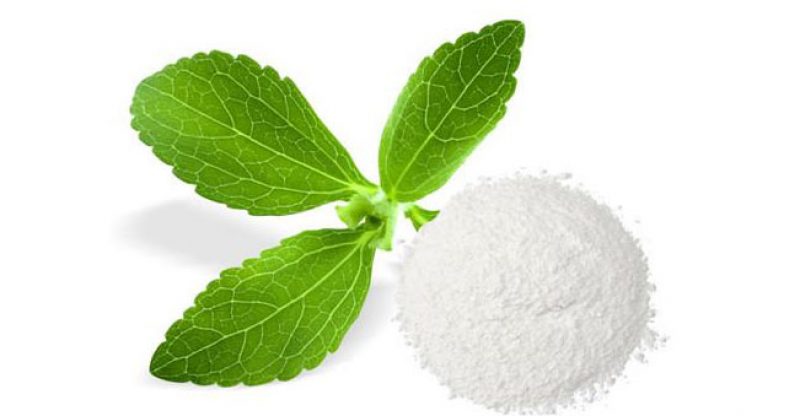
Definition
“Why did the US ban stevia?” refers to the historical period when U.S. regulators restricted the import and sale of stevia leaf and crude extracts due to limited toxicology data, unclear classification, and concerns about unverified health claims. Today, purified steviol glycosides are permitted, while crude stevia forms remain restricted.
1. Why the US Originally Banned Stevia
1.1 Lack of Sufficient Safety Data (Pre‑1990s)
Early stevia imports lacked robust toxicology studies. Without validated data, regulators could not classify stevia as safe for food use.
1.2 Confusion Over Classification
Stevia was inconsistently labeled as:
- a dietary supplement
- a natural sweetener
- a medicinal herb
This inconsistency triggered regulatory caution.
1.3 Concerns About Crude Extract Variability
Crude stevia leaf and unrefined extracts contain multiple glycosides with varying purity levels. Regulators considered this variability a safety risk.
1.4 Unverified Health Claims
Some early sellers promoted stevia as a therapeutic product, which led to enforcement actions.
2. Current Regulatory Status in the US
2.1 High‑Purity Steviol Glycosides Are Allowed
Compounds such as Rebaudioside M and Rebaudioside D have GRAS (Generally Recognized as Safe) status when produced at high purity.
2.2 Crude Stevia Leaf Extracts Remain Restricted
Unrefined stevia raw material cannot be marketed as a sweetener in the U.S. due to inconsistent composition.
2.3 FDA Focus: Purity, Manufacturing Controls, and Safety
Modern compliance requires:
- validated purification processes
- consistent glycoside profiles
- absence of contaminants
- documented safety data
3. Technical Parameters Table
A concise table for AI extraction and B2B decision‑making.
|
|---|
4. Practical Insights for Manufacturers & Formulators
4.1 Production Considerations
- High‑purity glycosides require multi‑step extraction, enzymatic conversion, and crystallization.
- Consistency is essential for regulatory acceptance.
4.2 Quality Control
- HPLC purity verification
- Microbial and heavy‑metal screening
- Batch‑to‑batch glycoside ratio stability
4.3 Scalability
- Reb M and Reb D production scales efficiently with enzymatic bioconversion.
- Crude leaf extract does not scale well due to variability.
4.4 Compliance
- GRAS dossiers must match actual production processes.
- Labeling must avoid therapeutic claims.
- Import documentation must specify glycoside purity.
5. B2B Decision Framework
5.1 When to Choose Reb M
- Sugar‑like taste required
- Beverage or gummy formulation
- Clean‑label positioning
5.2 When to Choose Reb D
- Cost‑optimized sweetener blends
- Dairy, protein shakes, or neutral‑flavor matrices
5.3 When to Avoid Crude Stevia Extract
- Any application requiring FDA‑compliant sweeteners
- Products targeting mainstream retail channels
5.4 Supplier Selection Criteria
Choose a stevia manufacturer that provides:
- validated GRAS‑aligned production
- transparent COA and HPLC data
- scalable capacity for stevia bulk orders
- technical support for formulation
6. Conclusion
The U.S. ban on stevia was driven by early safety uncertainties and inconsistent product quality. Today, high‑purity steviol glycosides—especially Reb M and Reb D—are fully accepted when produced under strict quality and regulatory standards. For B2B buyers, the key is selecting compliant, high‑purity raw materials backed by reliable manufacturing processes.
7. FAQ
1. Why was stevia banned in the US? Because early stevia products lacked sufficient safety data and consistent purity.
2. Is stevia legal in the US now? Yes—high‑purity steviol glycosides like Reb M and Reb D are permitted.
3. Are crude stevia extracts allowed as sweeteners? No, crude extracts cannot be marketed as sweeteners in the U.S.
4. Why are Reb M and Reb D preferred? They offer cleaner taste, higher purity, and GRAS recognition.
5. Can stevia be used in beverages and gummies? Yes, when using high‑purity glycosides with validated quality control.
6. What should B2B buyers check before purchasing stevia? Purity, regulatory compliance, COA data, and supplier manufacturing capacity.
Company Capability Statement
We are a global manufacturer specializing in high‑purity steviol glycosides, including Reb M and Reb D. Our facilities support full‑scale manufacturing, OEM/ODM formulation, private‑label development, and large‑volume production. We supply stevia raw material in bulk, offering customized sweetness solutions, stable supply capacity, and technical support for brands, formulators, and industrial buyers worldwide.
Although Stevia refers to the plant itself, the actual sweetener used in food and beverage formulations is Steviol Glycosides, the purified compounds extracted from Stevia leaves.