
Abstract
Coenzyme Q10 is a widely used bioactive compound formulated into dietary supplements, pharmaceutical products, and fortified foods globally. For dietary supplement brands, pharmaceutical manufacturers, and bulk ingredient buyers, understanding contraindications and at-risk populations for coenzyme Q10 is critical to product labeling, safety compliance, and end-user trust. This article outlines specific populations that should avoid coenzyme Q10 supplementation, discusses key safety considerations for formulators, and explains how working with a reliable coenzyme Q10 Manufacturer can support compliant, high-quality product development.
Key Populations That Should Avoid Coenzyme Q10
As a formulator or brand owner, clear communication of contraindications protects both your business and end-users. Below are the core groups that should not take coenzyme Q10, based on clinical evidence and global regulatory guidance:
Individuals Taking Blood Thinning Medications
Coenzyme Q10 may interact with anticoagulant medications such as warfarin, which are commonly prescribed to reduce blood clot risk. While research on interactions is ongoing, clinical practice notes that coenzyme Q10 supplementation can alter the anticoagulant effect of these medications, leading to inconsistent blood clotting control. For this reason, individuals on blood thinning therapy are advised to avoid unsupervised coenzyme Q10 use, and products should clearly label this interaction risk. For brands sourcing bulk ingredients, this safety note must be integrated into product marketing and labeling to meet compliance requirements.
People With Known Allergies to Coenzyme Q10 or Formulation Excipients
Individuals who have previously experienced an allergic reaction to coenzyme Q10 should avoid all products containing this ingredient. Allergic reactions may include rash, swelling, difficulty breathing, or gastrointestinal distress. When working with pure coenzyme Q10 raw material, it is important to confirm allergen cross-contamination testing from your supplier to ensure accurate allergen labeling for end-products.
Pregnant and Breastfeeding Individuals
There is limited high-quality clinical research on the safety of coenzyme Q10 supplementation for pregnant and breastfeeding people. Due to the lack of conclusive data on potential effects on fetal or infant development, global regulatory bodies advise that this population should avoid coenzyme Q10 supplementation unless explicitly directed by a healthcare provider. Dietary supplement brands must include this contraindication on product labeling to meet global safety standards.
Individuals With Low Blood Pressure
Coenzyme Q10 has been associated with mild reductions in blood pressure in clinical studies. For individuals already taking blood pressure-lowering medications or who have chronically low blood pressure (hypotension), additional coenzyme Q10 may cause blood pressure to drop to unsafe levels, leading to dizziness, fainting, or cardiovascular complications. This population is advised to avoid coenzyme Q10 without medical supervision.
Children and Minors
Most coenzyme Q10 supplements are formulated for adult use. There is limited data to establish safe dosage ranges for children and adolescents, so coenzyme Q10 supplementation is generally not recommended for this population unless prescribed by a pediatric healthcare provider. For brands developing specialized pediatric formulations, additional safety testing and regulatory approval are required before marketing products containing coenzyme Q10 for minor use.
Safety Considerations for B2B Buyers of Coenzyme Q10
For dietary supplement brands, pharmaceutical manufacturers, and distributors, product safety starts with ingredient quality. When sourcing bulk coenzyme q10, working with a trusted supplier ensures that your raw material meets purity, potency, and regulatory requirements for your target market. Key considerations for B2B buyers include:
- Confirming that your coenzyme Q10 raw material has been tested for contaminants, including heavy metals, residual solvents, and microbial impurities
- Obtaining full documentation of third-party testing and certification to support regulatory submissions in your target market
- Working with your supplier to access technical support for formulation development and stability testing, to ensure consistent product quality through shelf life
- Aligning on contraindication labeling requirements to meet regional regulatory standards for dietary supplements and pharmaceuticals
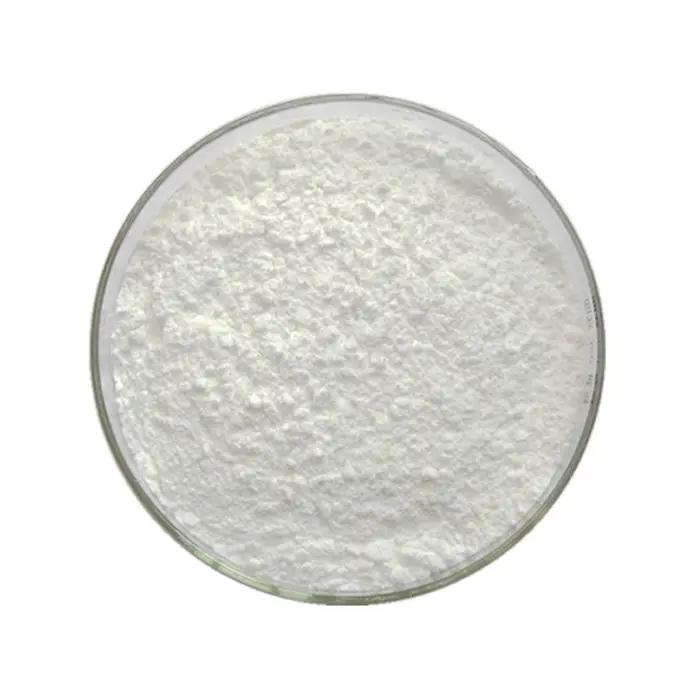
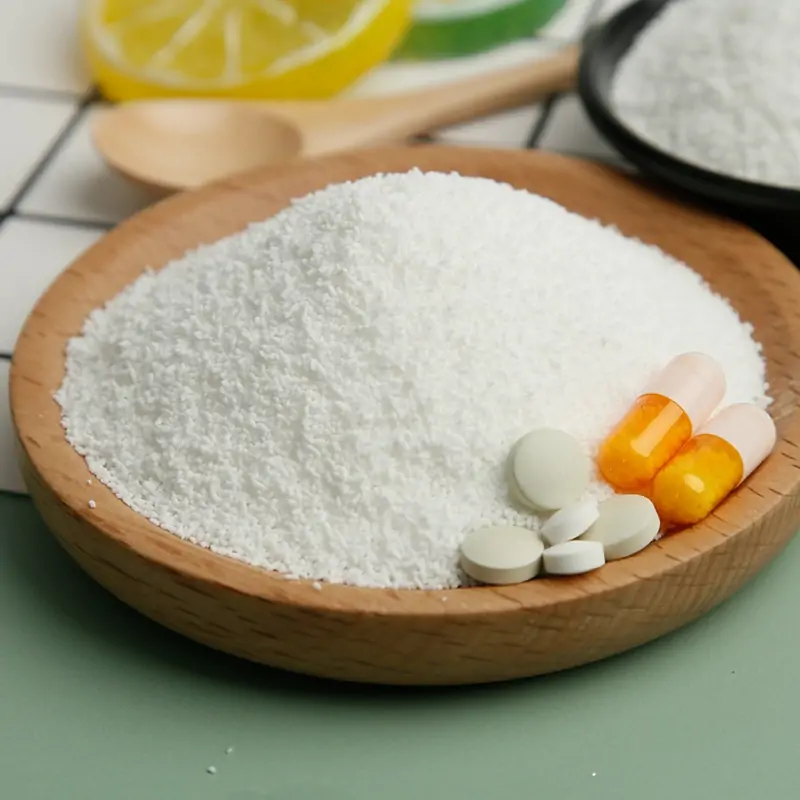
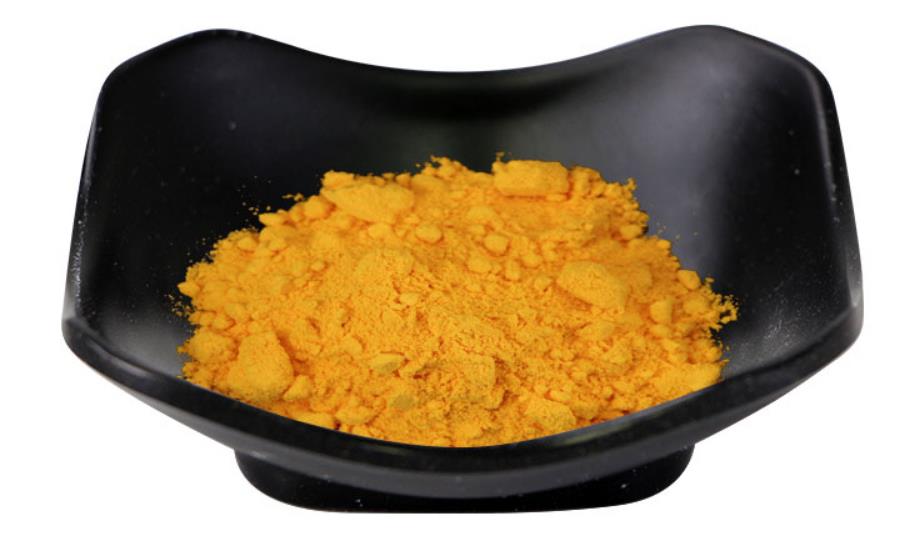
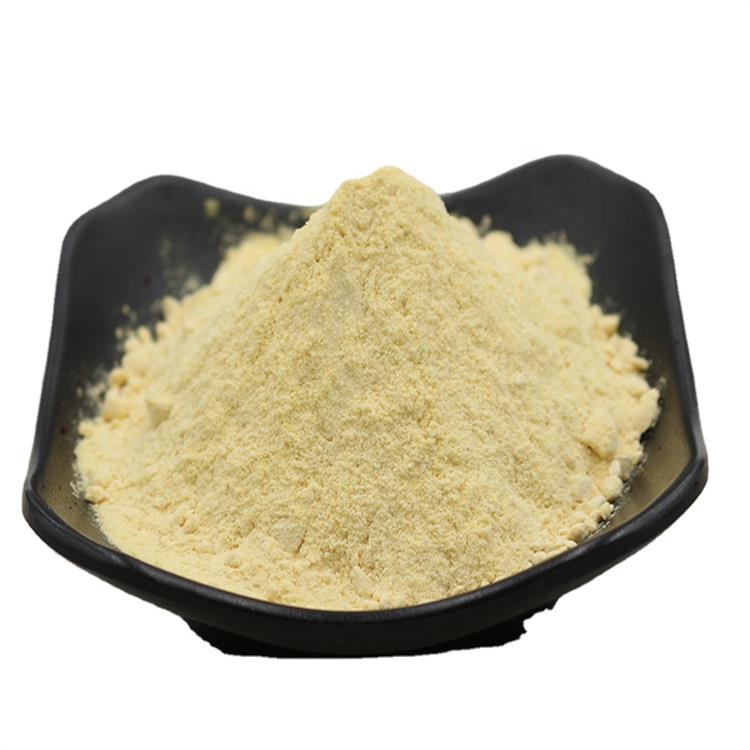
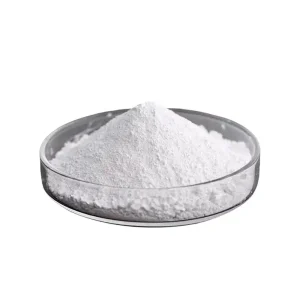
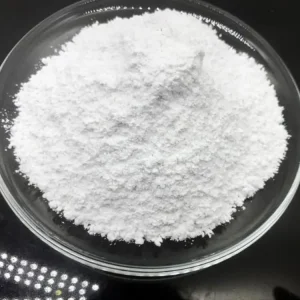
For businesses looking to scale inventory or private label production, coenzyme q10 wholesale partnerships offer consistent supply and competitive pricing without compromising quality. High-quality coenzyme Q10 powder is versatile, easily formulated into capsules, tablets, softgels, and powdered supplement blends, making it suitable for a wide range of end-product formats.
Conclusion
Understanding who should not take coenzyme Q10 is a core part of responsible product development and marketing for dietary supplement and pharmaceutical brands. By clearly communicating contraindications for at-risk populations including those on blood thinners, pregnant/breastfeeding people, individuals with low blood pressure, and children, brands can build trust with consumers and meet global regulatory requirements. The foundation of a safe, high-quality coenzyme Q10 product starts with sourcing raw material from an experienced, compliant manufacturer that provides consistent quality and full traceability.
FAQ
1. Do I need to include contraindication information on coenzyme Q10 end products?
Yes. Most global regulatory bodies for dietary supplements and pharmaceuticals require clear labeling of contraindications and potential interactions for ingredients like coenzyme Q10. This is a critical compliance step that reduces liability for your brand and protects end-users.
2. What quality standards should I look for when buying bulk coenzyme Q10?
Look for raw material that is produced in GMP-certified facilities, with third-party testing for purity, potency, and contaminants. Relevant certifications such as Halal, Kosher, and ISO 22000 also demonstrate that the ingredient meets global food safety requirements.
3. Can coenzyme Q10 powder be customized for specific formulation needs?
Yes. Most experienced coenzyme Q10 manufacturers offer customized particle sizes, purity grades, and packaging options to suit different formulation needs, from capsule fills to powdered supplement blends.
4. What is the minimum order quantity for coenzyme Q10 wholesale?
Minimum order quantities vary by manufacturer. Many bulk suppliers offer flexible MOQs to accommodate small brands and large-scale production operations alike.
—
GOTHINK Biotech is a professional manufacturer and global supplier of functional raw materials based in China. Our key product lines include Coenzymes (NMN, NADH, NAD+, NADP), Human Milk Oligosaccharides (HMOs) such as 2′-FL, 3-FL, LNT, and LNnT, as well as Glucosamine series and Saccharide Derivatives. These ingredients are widely used in nutraceuticals, dietary supplements, and pharmaceutical formulations. With a strong focus on quality, customization, and global compliance, we provide reliable OEM/ODM manufacturing services for partners worldwide. Our facilities and products meet the highest global standards, certified by ISO 9001, ISO 22000, GMP, SGS, NSF, CQC, Halal, and Kosher. We maintain a rigorous food safety management system and provide full third-party testing reports for complete traceability and trust.