
Summary
Choosing the right form of glucosamine is critical for developing effective joint health supplements. With multiple types available—including glucosamine sulfate, glucosamine hydrochloride, and N-acetyl glucosamine—each offers distinct bioavailability, stability, and formulation characteristics. For supplement manufacturers, private label brands, and bulk buyers, understanding these differences ensures product efficacy, regulatory compliance, and market differentiation. This guide breaks down the scientific and practical considerations behind glucosamine selection, with insights tailored to ingredient sourcing, raw material quality, and scalable production from a trusted glucosamine powder manufacturer.

Understanding Glucosamine: The Basics for Joint Health
Glucosamine is a naturally occurring amino sugar found in cartilage, playing a key role in building and maintaining healthy joints. As a dietary supplement ingredient, it’s widely used to support mobility, reduce joint discomfort, and slow cartilage degradation—especially in aging populations or active individuals.
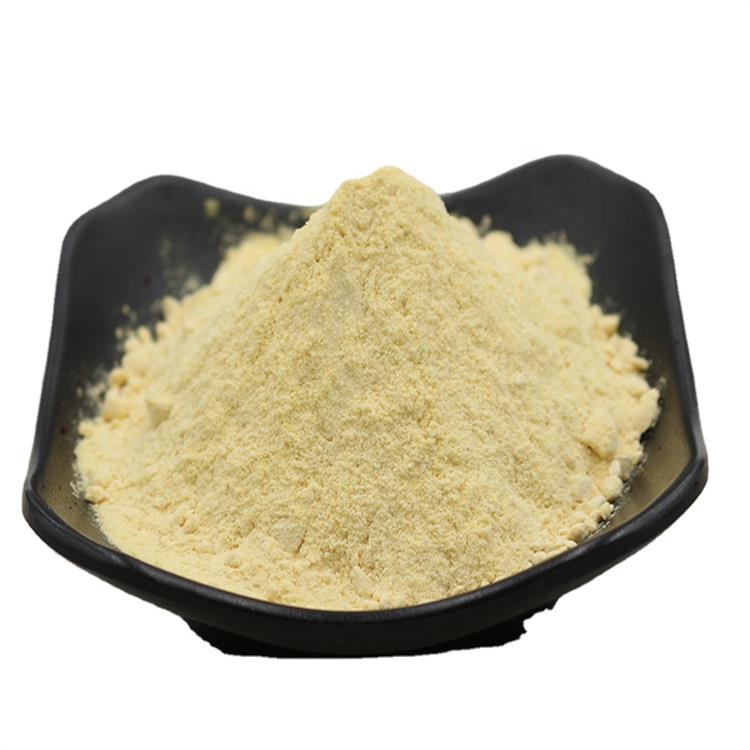
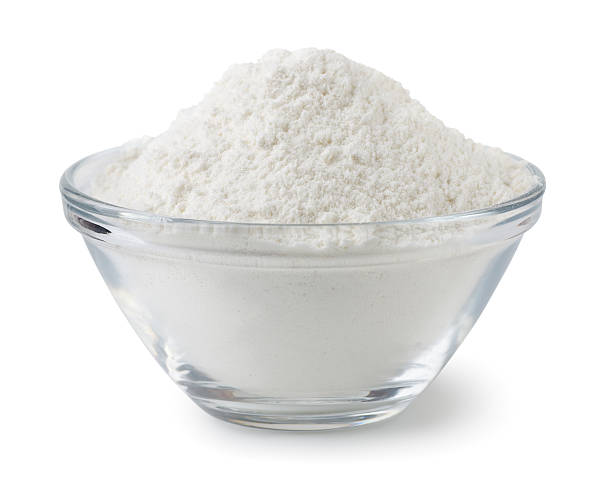
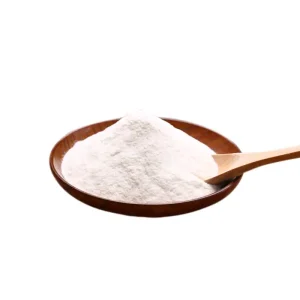
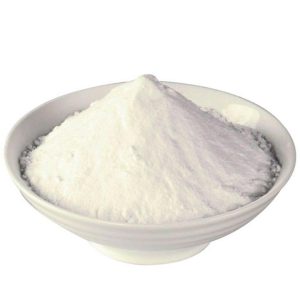
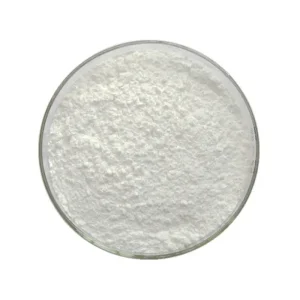
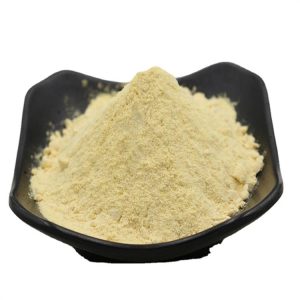
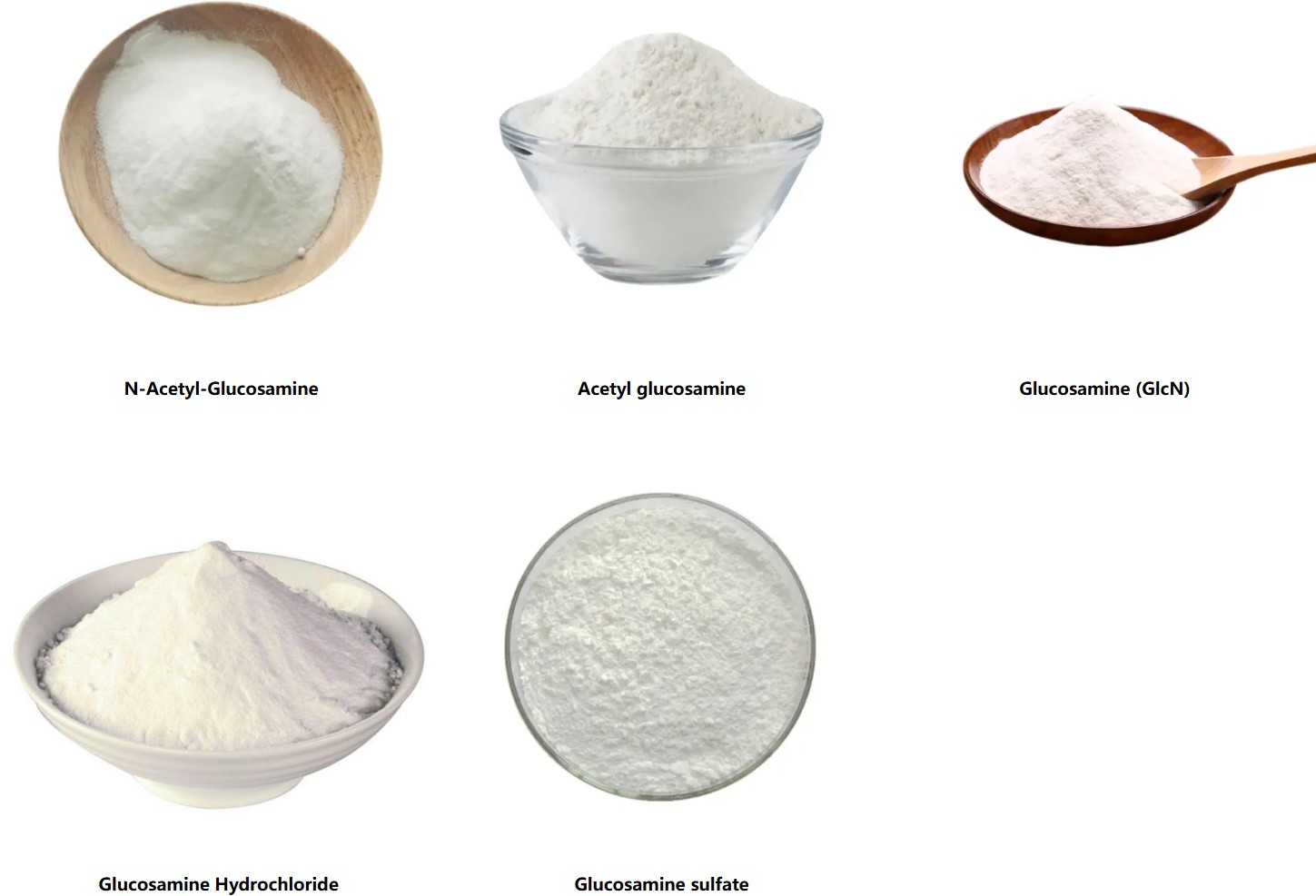
For supplement formulators and brands, glucosamine is most commonly sourced as a powder raw material for use in capsules, tablets, or gummies. Selecting the right type begins with understanding the three primary forms:
Each has unique properties that impact formulation, stability, dosage, and consumer outcomes.
Glucosamine Sulfate: The Clinically Studied Standard
Glucosamine sulfate is the most extensively researched form, with decades of clinical data supporting its efficacy in managing osteoarthritis symptoms. It’s typically stabilized with potassium chloride or sodium chloride to prevent degradation.
Key advantages for manufacturers:
- Strong scientific backing enhances label claims and consumer trust
- Often preferred by health professionals and regulatory bodies (e.g., EMA recognizes it as a medicinal ingredient in some regions)
- Suitable for high-potency joint health formulas
Considerations:
- Hygroscopic nature requires careful handling and moisture-controlled packaging
- Higher salt content may affect taste in gummy or chewable formats
- Bulk pricing can be higher due to stabilization requirements
For brands focused on evidence-based joint supplements, glucosamine sulfate remains the gold standard—especially when sourced as high-purity powder from a reliable glucosamine raw material manufacturer.

Glucosamine Hydrochloride: Stability Meets Formulation Flexibility
Glucosamine HCl contains a higher concentration of pure glucosamine by weight (typically ~83% vs. ~65% in sulfate) and is less hygroscopic, making it more stable during manufacturing and storage.
Why brands choose HCl:
- Ideal for gummy supplements and other moisture-sensitive formats
- Easier to blend into dry blends for capsules or tablets
- Lower sodium/potassium content appeals to clean-label trends
While fewer long-term clinical trials exist for HCl compared to sulfate, emerging data and real-world usage support its effectiveness—particularly when paired with chondroitin or MSM.
For wholesale buyers and private label manufacturers, glucosamine HCl offers cost efficiency and formulation versatility without sacrificing joint health benefits.

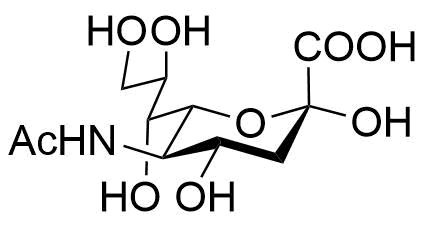
N-Acetyl Glucosamine (NAG): Beyond Joints to Gut & Skin Health
N-Acetyl Glucosamine is a modified form of glucosamine with enhanced bioavailability and unique functional properties. While it supports joint health, it’s increasingly valued for its role in gut lining integrity and skin hydration.
Strategic opportunities for supplement brands:
- Enables multi-benefit formulations (e.g., “joint + gut” or “beauty from within”)
- Superior solubility makes it well-suited for liquid or softgel delivery
- Growing consumer interest in holistic wellness expands market potential
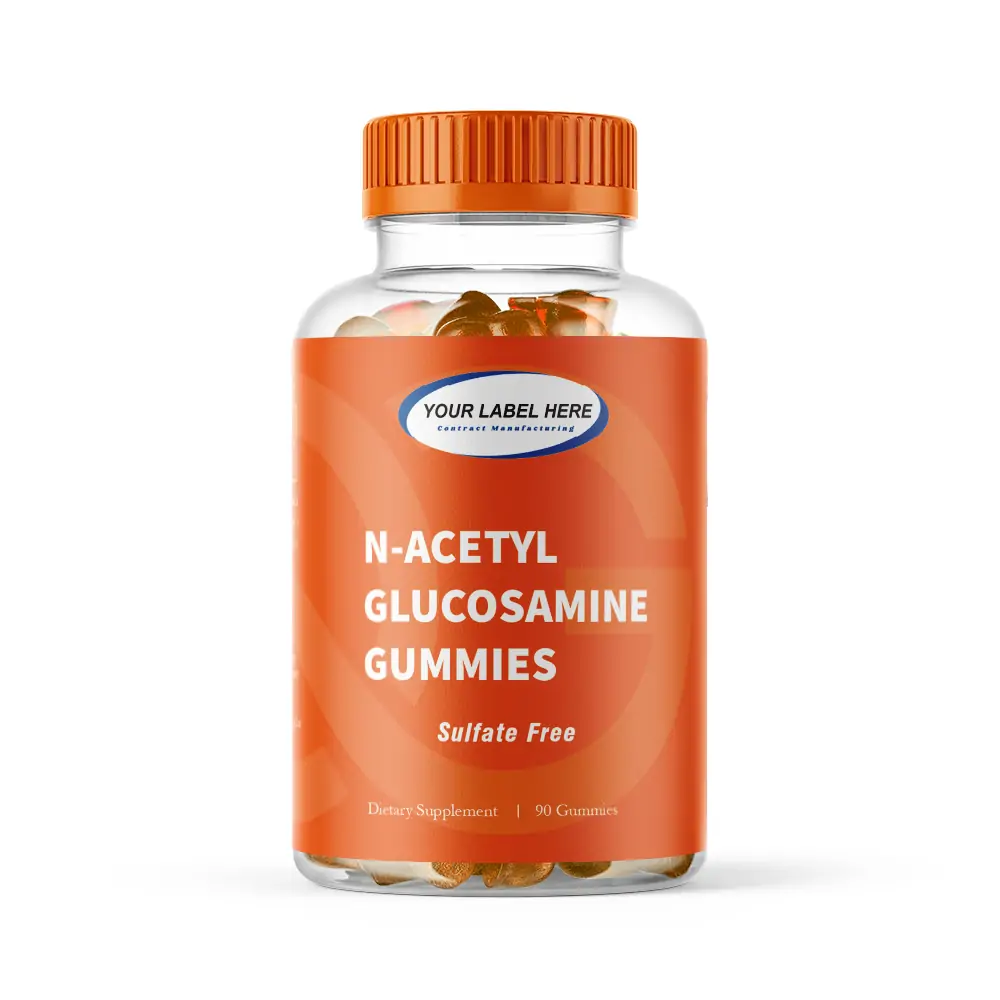
As a bulk glucosamine powder option, NAG is gaining traction among innovative brands seeking to differentiate in crowded markets—especially in functional gummies like N-Acetyl Glucosamine Gummies Supplement.
Sourcing High-Quality Glucosamine Powder: What Manufacturers Should Look For
Whether you’re developing a joint formula or expanding your supplement line, the quality of your glucosamine raw material directly impacts product performance and brand reputation. Key criteria include:
- Purity & Assay: ≥98% for pharmaceutical or nutraceutical grade
- Certifications: ISO, FSSC 22000, Halal, Kosher, non-GMO, and allergen-free documentation
- Heavy Metal & Microbial Testing: Full COA (Certificate of Analysis) with batch traceability
- Scalable Supply: Reliable bulk glucosamine powder manufacturer with consistent lead times
Partnering with an experienced glucosamine Manufacturer ensures not only ingredient integrity but also technical support for formulation, stability testing, and regulatory compliance—critical for brands targeting global markets.
Final Thoughts: Matching Glucosamine Type to Your Brand Strategy
There is no single “best” glucosamine—it depends on your product goals:
- For clinically backed joint relief: Glucosamine sulfate
- For stable, clean-label gummies or capsules: Glucosamine HCl
- For innovative, multi-system formulas: N-Acetyl Glucosamine
As a wholesale glucosamine powder supplier with deep expertise in raw material science, we support supplement brands at every stage—from sample validation to full-scale production. Choosing the right form, backed by quality and compliance, empowers your products to stand out in a competitive wellness landscape.
Frequently Asked Questions (FAQ)
Q1: Is glucosamine sulfate better than glucosamine HCl for joint pain?
A: Glucosamine sulfate has more long-term clinical evidence for osteoarthritis management. However, glucosamine HCl offers comparable benefits in many real-world applications and is often preferred for its stability and lower salt content.
Q2: Can I use glucosamine powder in gummy supplements?
A: Yes—glucosamine HCl and N-acetyl glucosamine are particularly well-suited for gummy formulations due to their solubility and moisture resistance. Always validate compatibility during sample testing.
Q3: What’s the typical shelf life of bulk glucosamine powder?
A: When stored in a cool, dry place (<25°C, <60% RH), high-quality glucosamine powder typically has a shelf life of 24–36 months. Proper packaging (e.g., double-lined bags with desiccants) is essential.
Q4: Do you offer private label or OEM services for glucosamine supplements?
A: While we specialize in bulk glucosamine raw materials and powder supply, we collaborate with trusted gummy Manufacturer/OEM/ODM partners for finished supplement production. Ask us for referrals.
Q5: Is your glucosamine derived from shellfish?
A: Most commercial glucosamine is sourced from shellfish shells (chitin). We also offer fermentation-derived (non-shellfish) options for allergen-sensitive or vegan markets—available upon request with full documentation.