
Abstract
For dietary supplement brands, pharmaceutical manufacturers, and bulk ingredient buyers, understanding the origin of glucosamine is critical for quality control, regulatory compliance, and product positioning. This guide breaks down the common sources of glucosamine, commercial production processes, and key considerations when sourcing glucosamine raw material for B2B partners. We also cover quality standards and sourcing best practices to help businesses build consistent, trusted end products for their customers.
Common Natural Sources of Glucosamine
Glucosamine is a naturally occurring amino sugar that plays a key role in building and repairing cartilage in the human body. In commercial manufacturing, most glucosamine is derived from natural biological sources, with two dominant categories: animal-derived sources and non-animal (fermented) sources.
Animal-Derived Glucosamine Sources
The traditional and most widely used source of commercial glucosamine is the exoskeleton of crustaceans, including shrimp, lobsters, and crabs. During seafood processing, the shells of these crustaceans are treated as a byproduct, which are then processed to extract and purify glucosamine. This method has been used for decades, with a well-established supply chain and lower production costs compared to alternative sources. For B2B buyers, crustacean-derived glucosamine remains a popular option, though it requires clear allergen labeling for end products, as it may trigger reactions in consumers with shellfish allergies.
Less common animal-derived sources include bovine cartilage and other animal connective tissues, but these account for a very small share of the global commercial supply due to higher production costs and concerns around transmissible spongiform encephalopathies (TSE) safety.
Non-Animal Fermented Glucosamine Sources
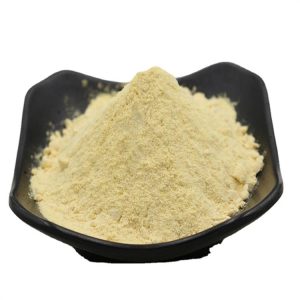
To address allergen concerns and meet growing demand for vegan, vegetarian, and plant-based end products, modern manufacturing has developed non-animal glucosamine produced via microbial fermentation. This method uses specific strains of fungi or bacteria (such as Aspergillus niger) fed with plant-based carbohydrates as a fermentation substrate. Glucosamine is then extracted, purified, and crystallized from the fermentation broth.
Fermented glucosamine carries no risk of shellfish allergen cross-contamination, making it ideal for clean-label and specialty dietary supplement lines. It also eliminates the risk of TSE/BSE concerns associated with animal-sourced materials, making it a preferred option for many global pharmaceutical and supplement brands.
Commercial Production Process of Glucosamine
Regardless of the source, commercial glucosamine for ingredient use undergoes rigorous processing to meet purity standards. The general production workflow is as follows:
- Raw material pretreatment: For crustacean shells, raw byproducts are cleaned, dried, and milled into a fine powder. For fermented production, fermentation cultures are prepared and scaled in sterile bioreactors.
- Extraction: Crustacean shells undergo acid hydrolysis to break down chitin (the long-chain polysaccharide that glucosamine is derived from) into glucosamine. For fermented production, glucosamine is separated from the fermentation broth via filtration and centrifugation.
- Purification: The crude glucosamine extract is purified through a series of steps including decolorization, filtration, and ion exchange to remove impurities such as heavy metals, residual proteins, and microbial contaminants.
- Crystallization: Purified glucosamine is typically crystallized into a stable salt form, most commonly glucosamine sulfate or glucosamine hydrochloride.
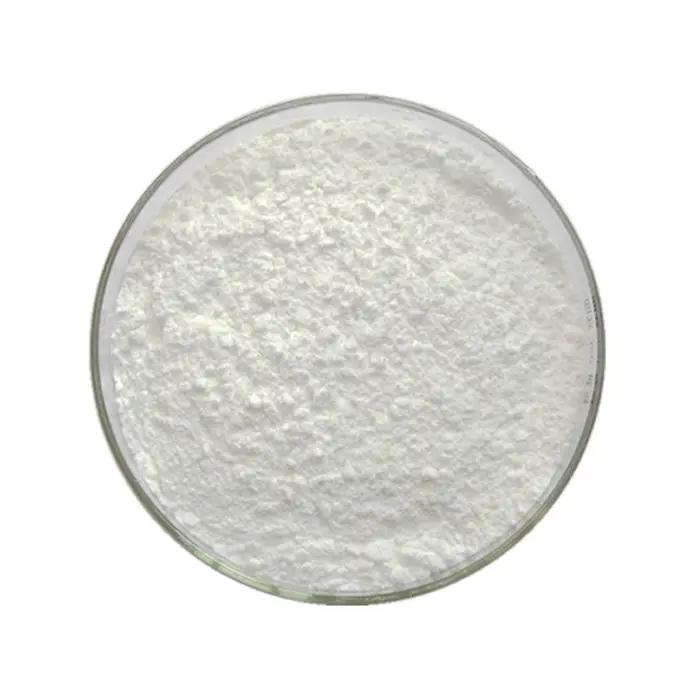
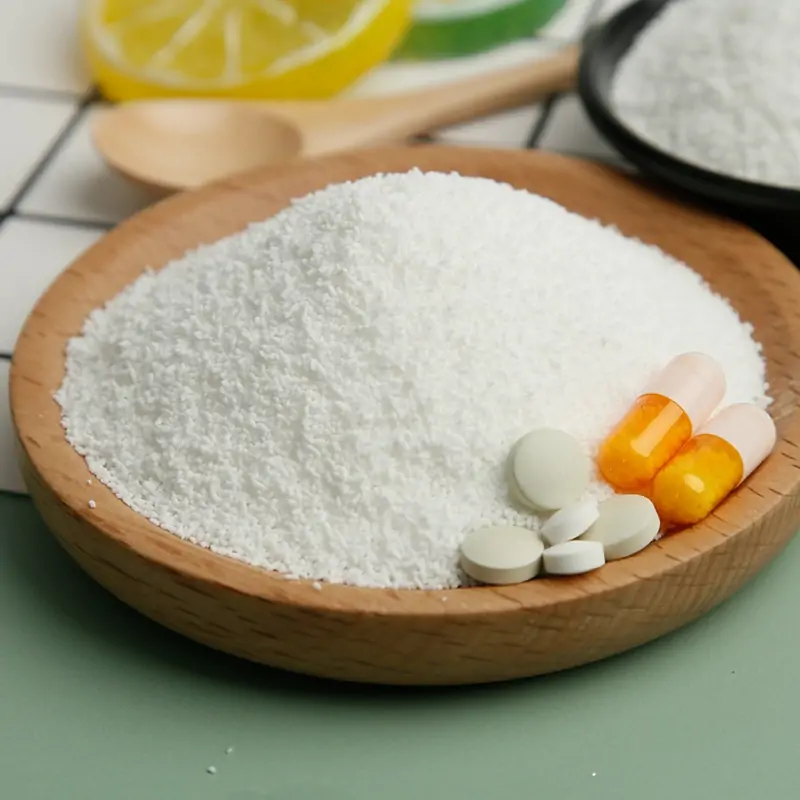
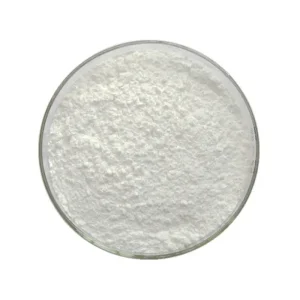
- Drying and milling: The crystallized glucosamine is dried and milled into a uniform powder to meet glucosamine powder particle size specifications for end product formulation.
- Quality testing and packaging: Final products are tested for purity, potency, microbial safety, and compliance with regional standards before being packed in food-grade bulk containers for distribution.
Key Sourcing Considerations for B2B Buyers
For businesses sourcing glucosamine for your supplement or pharmaceutical lines, working with a reliable glucosamine Manufacturer requires evaluating a range of factors beyond just origin:
1. Allergen and Labeling Requirements
Crustacean-derived glucosamine requires mandatory allergen labeling in most major markets including the EU, United States, and Australia. If your brand targets vegan or shellfish-allergic consumer segments, fermented non-animal glucosamine is the optimal choice to meet market requirements.
2. Regulatory Compliance
Leading bulk glucosamine suppliers should provide full documentation including Certificates of Analysis (CoA), allergen testing reports, GMP certification, and documentation to meet regional regulatory requirements (such as FDA GRAS status, EU Novel Food approval, and Health Canada ingredient notifications).
3. Purity and Consistency
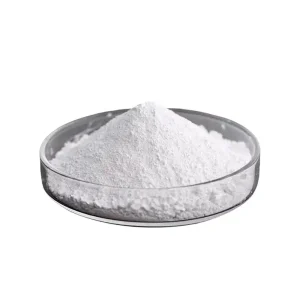
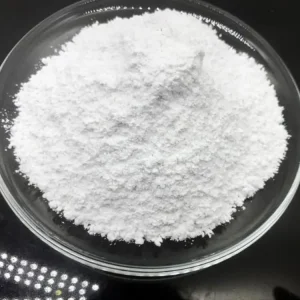
High-quality glucosamine raw material should have a minimum purity of 98% or higher, with consistent particle size, low moisture content, and no detectable microbial or heavy metal contamination. Bulk suppliers should offer batch-to-batch consistency to avoid disruptions to your production process.
4. Supply Chain Stability
When sourcing from global suppliers, it is important to partner with a manufacturer that can guarantee consistent supply volumes regardless of fluctuations in seafood harvests or raw material availability. Fermented glucosamine, in particular, offers more stable supply chains as it does not rely on seasonal seafood production.
Summary
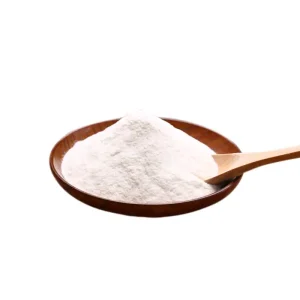
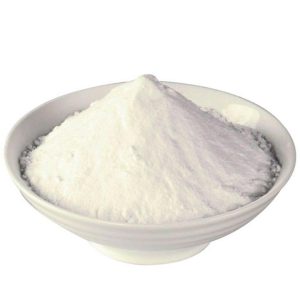
Glucosamine for commercial use comes from two primary sources: crustacean shell byproducts (traditional animal-derived) and microbial fermentation (non-animal alternative). Both sources can produce high-quality glucosamine when processed correctly by qualified manufacturers. For B2B buyers, choosing the right source depends on your target market, product positioning, allergen requirements, and regulatory obligations. Partnering with a trusted glucosamine manufacturer ensures you get consistent, compliant raw material that meets the quality standards your customers expect.
Frequently Asked Questions (FAQ)
Is all commercial glucosamine derived from shellfish?
No. While most traditional glucosamine is derived from crustacean shells, modern manufacturers produce vegan glucosamine via microbial fermentation that contains no animal or shellfish ingredients, making it suitable for allergen-free and plant-based product lines.
What is the difference between glucosamine hydrochloride and glucosamine sulfate?
These are the two most common salt forms of glucosamine used in dietary supplements and pharmaceuticals. Glucosamine hydrochloride has a higher glucosamine content (around 83% glucosamine, vs ~65% for glucosamine sulfate) and is more stable in powder form, while glucosamine sulfate is the form most commonly studied in clinical research for joint health applications. Most manufacturers offer both forms as bulk raw material.
Why is origin important when sourcing bulk glucosamine?
Origin directly impacts allergen risk, regulatory status, product positioning, and supply chain stability. For example, non-animal fermented glucosamine opens opportunities to market to vegan and allergen-sensitive consumers, while crustacean-derived glucosamine offers a lower cost point for mainstream joint health products.
What quality standards should B2B buyers require from a glucosamine manufacturer?
Reputable manufacturers should hold GMP certification, have third-party tested products for purity and contaminants, provide full traceability from raw material to finished product, and hold relevant certifications such as Halal, Kosher, and ISO food safety management system certification.
—
GOTHINK Biotech is a professional manufacturer and global supplier of functional raw materials based in China. Our key product lines include Coenzymes (NMN, NADH, NAD+, NADP), Human Milk Oligosaccharides (HMOs) such as 2′-FL, 3-FL, LNT, and LNnT, as well as Glucosamine series and Saccharide Derivatives. These ingredients are widely used in nutraceuticals, dietary supplements, and pharmaceutical formulations. With a strong focus on quality, customization, and global compliance, we provide reliable OEM/ODM manufacturing services for partners worldwide. Our facilities and products meet the highest global standards, certified by ISO 9001, ISO 22000, GMP, SGS, NSF, CQC, Halal, and Kosher. We maintain a rigorous food safety management system and provide full third-party testing reports for complete traceability and trust.