
Abstract
Coenzyme Q10 (CoQ10) remains one of the most sought-after ingredients in the nutraceutical and dietary supplement industry due to its established role in cellular energy production and antioxidant activity. For manufacturers and suppliers evaluating coq10 powder, coq10 raw material, or coq10 bulk for their formulations, understanding potential downsides is essential to mitigate risks, ensure regulatory compliance, and deliver consistent product performance. This balanced overview examines key limitations and practical considerations that businesses face when incorporating CoQ10, helping procurement teams make informed sourcing decisions from reputable Coenzyme Manufacturer partners.
Potential Mild Side Effects in Consumer Use
Although CoQ10 is generally well-tolerated at standard dosages, mild gastrointestinal discomfort can occur, including upper stomach pain, nausea, loss of appetite, diarrhea, or heartburn. Additional reports occasionally note dizziness, insomnia, fatigue, or headaches. For brands developing finished supplements, these effects translate into the need for clear labeling and appropriate dosage guidance to minimize consumer complaints and support long-term brand trust. When selecting coq10 powder for encapsulation or tableting, formulators should factor in particle size and excipient compatibility to reduce the likelihood of such issues in end products.
Drug Interaction Risks That Require Formulation Caution
CoQ10 can interfere with certain medications, most notably by potentially decreasing the effectiveness of the blood thinner warfarin and raising clotting concerns. It may also influence blood pressure medications, insulin levels, or specific chemotherapy agents. Merchants formulating multi-ingredient products must conduct thorough interaction reviews during development, especially when targeting audiences on chronic therapies. Reliable Coenzyme raw material suppliers typically provide detailed documentation and third-party testing data to help teams assess compatibility early in the product lifecycle, avoiding costly reformulation later.
Bioavailability Limitations of Standard CoQ10 Powder
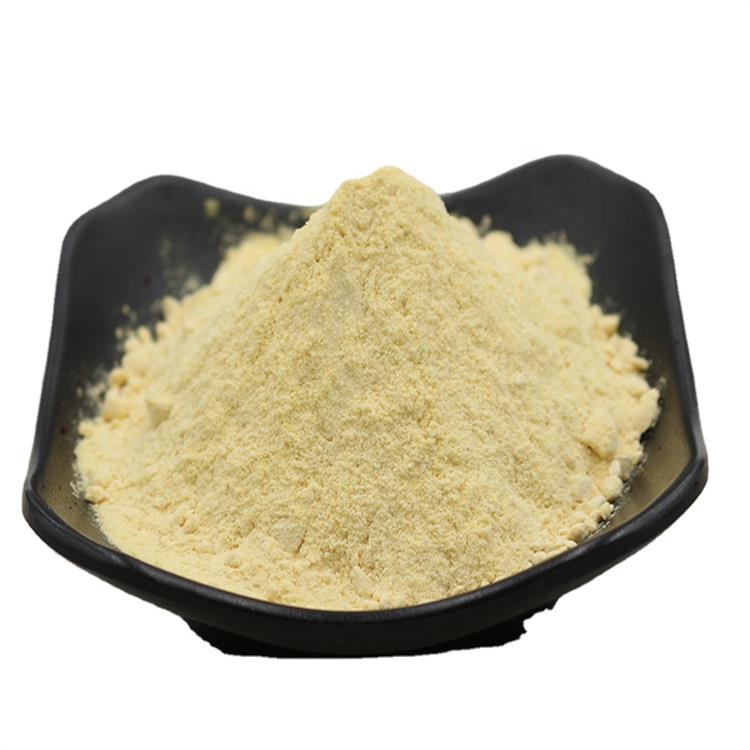
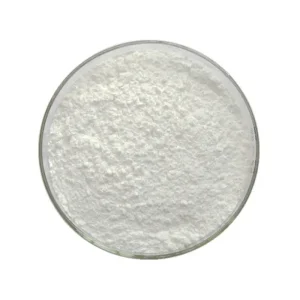
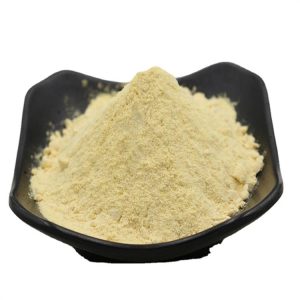
One of the most significant technical downsides is CoQ10’s inherently low oral bioavailability. As a highly lipophilic, crystalline compound with a high melting point, standard coq10 powder exhibits poor water solubility and intestinal absorption—often cited around 1% without specialized processing. Crystal dispersion, self-emulsifying systems, or conversion to the ubiquinol form can improve uptake, but these add complexity and cost to manufacturing. Businesses sourcing coq10 raw material or Coenzyme powder should evaluate supplier capabilities in pre-dispersed or lipid-solubilized formats to ensure their final supplements deliver measurable efficacy rather than simply meeting label claims.
Quality and Consistency Challenges in Sourcing CoQ10 Raw Material
Procuring coq10 bulk or coq10 wholesale introduces risks around purity variability, residual solvents, microbiological safety, and batch-to-batch consistency. Material produced via fermentation versus chemical synthesis can differ in impurity profiles, while inadequate testing may lead to contamination or sub-potent deliveries. For global supply chains, these issues can trigger regulatory holds or product recalls. Experienced Coenzyme Manufacturer partners mitigate such risks through ISO, GMP, and NSF certifications, along with comprehensive Certificates of Analysis (CoA) and traceability protocols—critical factors when scaling production.
Supply Chain Stability and Economic Considerations for CoQ10 Wholesale
Beyond technical hurdles, fluctuating raw material availability, longer lead times for high-purity grades, and higher costs for bioavailable forms represent practical downsides. Price volatility and dependency on specialized biomanufacturing can strain inventory planning for supplement brands. When evaluating Coenzyme bulk or Coenzyme wholesale options, merchants benefit from suppliers offering stable international networks, short lead times, and customization services to maintain cost efficiency without compromising quality.
Article Summary
While CoQ10 delivers proven value in energy and antioxidant applications, its downsides—ranging from mild consumer side effects and drug interactions to formulation bioavailability challenges and sourcing quality risks—demand careful attention from manufacturers. By prioritizing high-purity coq10 powder and coq10 raw material from established Coenzyme Manufacturer sources, businesses can proactively address these limitations, strengthen product safety profiles, and build sustainable competitive advantage in the nutraceutical market.
FAQ
What are the most common downsides when using CoQ10 in supplements?
Mild digestive upset (nausea, diarrhea, heartburn) and occasional dizziness or insomnia are the primary reported effects. These are dose-dependent and usually resolve quickly, but they should inform labeling and consumer education strategies.
Does CoQ10 pose interaction risks that affect product formulation?
Yes, particularly with warfarin and certain blood pressure or diabetes medications. Formulators should consult regulatory experts and review supplier interaction data when developing combination products.
How can manufacturers overcome the bioavailability limitations of coq10 powder?
Advanced delivery technologies such as crystal dispersion, self-emulsifying systems, or ubiquinol forms significantly improve absorption. Partnering with a Coenzyme raw material supplier experienced in these technologies helps achieve better efficacy in final dosage forms.
What should businesses verify when sourcing coq10 bulk or Coenzyme wholesale?
Prioritize suppliers offering HPLC-verified purity, full microbiological and heavy-metal testing, GMP/ISO certifications, and reliable supply chain documentation to minimize quality and compliance risks.
Is CoQ10 suitable for all dietary supplement categories?
It performs well in most categories but requires extra scrutiny in products targeting medicated consumers or those needing high bioavailability. Working with a trusted Coenzyme Manufacturer ensures tailored solutions that align with target market needs.
GOTHINK Biotech is a professional manufacturer and global supplier of functional raw materials based in China. Our key product lines include Coenzymes (NMN, NADH, NAD+, NADP, Coenzyme Q10), Human Milk Oligosaccharides (HMOs) such as 2′-FL, 3-FL, LNT, and LNnT, as well as Glucosamine series (Glucosamine, Glucosamine Hydrochloride, N-Acetyl-Glucosamine) and Saccharide Derivatives (N-Acetylneuraminic Acid, Reb D, Reb M, Rh2 / Rg3, Sialic Acid). These ingredients are widely used in nutraceuticals, dietary supplements, and pharmaceutical formulations. With a strong focus on quality, customization, and global compliance, we provide reliable OEM/ODM manufacturing services for partners worldwide.
At GOTHINK Biotech, we envision a world where cutting-edge synthetic biology empowers people to live healthier, more fulfilling lives. Our innovations aim to foster a thriving global community by making precious and previously scarce compounds more accessible, sustainable, and affordable.