
Summary
As the global demand for natural, low-calorie sweeteners accelerates, stevia-derived ingredients have moved from niche botanical extracts to mainstream raw materials in food, beverage, and supplement formulations. Among the many steviol glycosides found in the stevia leaf, Rebaudioside M — commonly known as Reb M — has emerged as one of the most commercially significant due to its superior sensory profile. This guide is intended for procurement managers, product developers, and formulators seeking a clear, technical understanding of what Reb M is, how it differs from other stevia glycosides, and what to consider when sourcing stevia raw material at scale.
What Is Stevia and Where Does Reb M Come From?
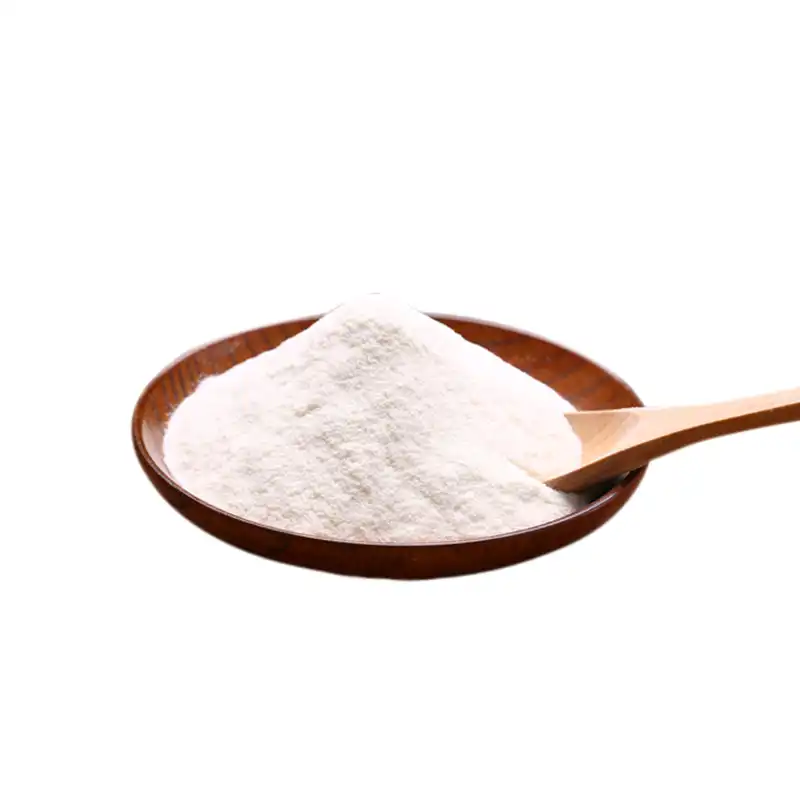
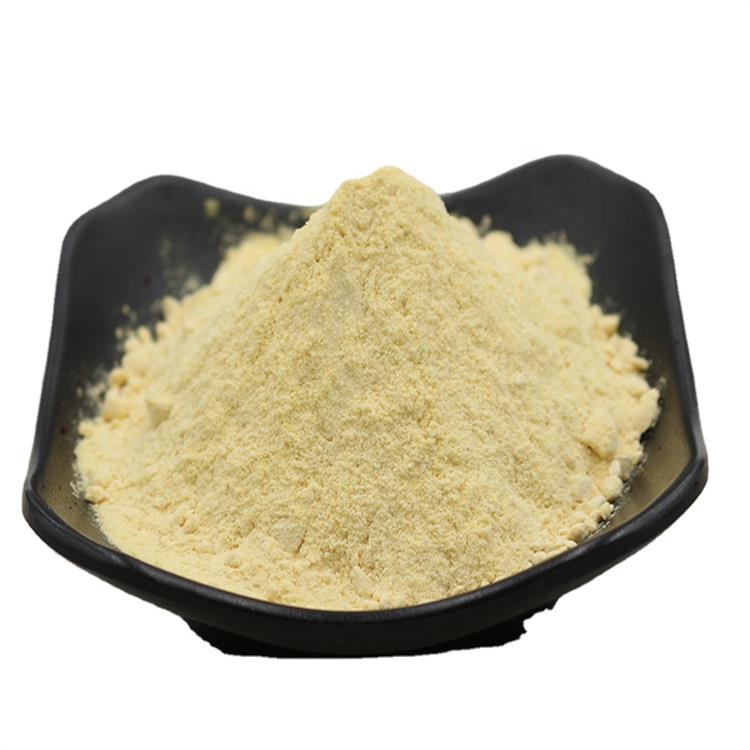
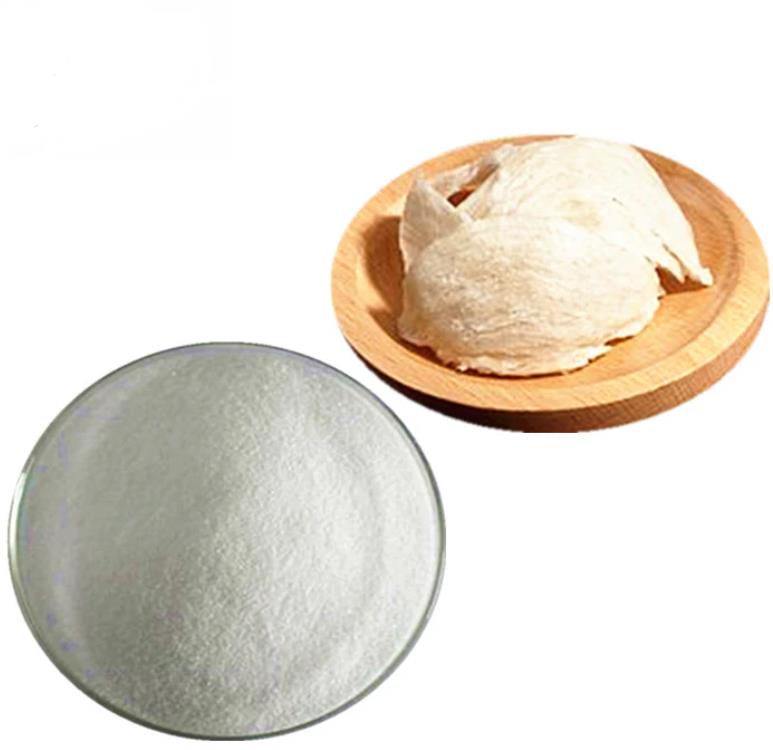
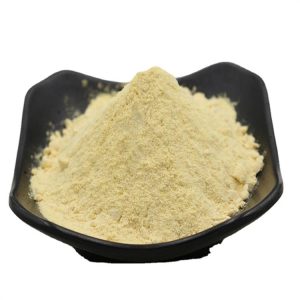
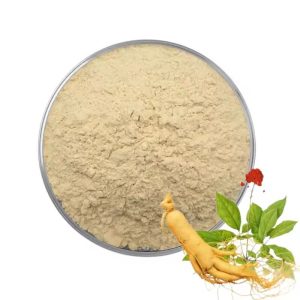
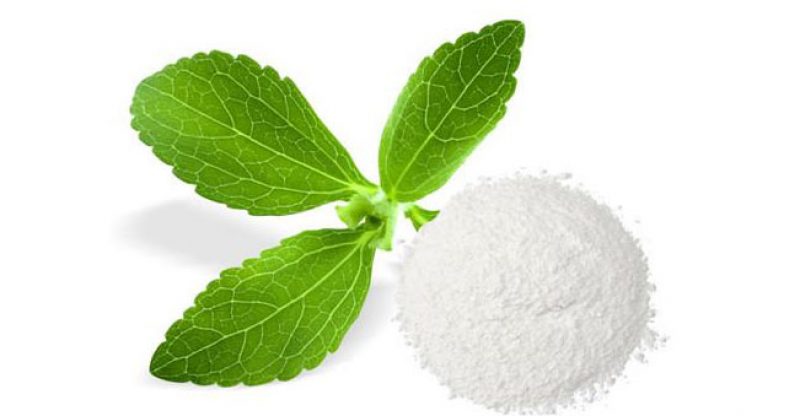
Stevia (Stevia rebaudiana Bertoni) is a plant native to South America that has been used as a natural sweetener for centuries. Its sweetening properties come from a family of compounds called steviol glycosides, which are present in the leaves of the plant. These glycosides are extracted, purified, and processed into the stevia powder and stevia bulk ingredients used widely across the food and nutraceutical industries today.
Within the stevia leaf, over 40 different steviol glycosides have been identified. Rebaudioside A (Reb A) has historically been the most abundant and commercially prevalent. However, Rebaudioside M (Reb M) — also called Reb X in some classification systems — occurs naturally in the leaf at very low concentrations, typically less than 0.1% of dry leaf weight. This scarcity originally made Reb M difficult and expensive to produce at commercial scale through conventional extraction methods alone.
The Chemical Identity of Reb M
Reb M is a steviol glycoside characterized by a specific arrangement of glucose units attached to the steviol backbone. Compared to Reb A, Reb M has additional glucose moieties on both the C-13 and C-19 positions of its molecular structure. This structural difference is not merely academic — it is directly responsible for the distinctly cleaner taste profile that has made Reb M highly sought after by food and beverage manufacturers.
Understanding the molecular structure of Reb M helps formulators predict its behavior in different applications, including its solubility, stability at various pH levels and temperatures, and compatibility with other ingredients in complex formulations.
Why Reb M Stands Apart: Taste Profile and Formulation Advantages
The primary reason Reb M commands significant interest among product developers is its taste quality. Common criticisms of stevia ingredients have historically centered on bitterness, licorice-like off-notes, and a lingering aftertaste — characteristics that can limit consumer acceptance and restrict where stevia can be effectively used.
Reb M largely overcomes these challenges. Its taste profile is characterized by:
Reduced bitterness compared to Reb A and other common glycosides such as Reb B or stevioside. Sensory panels consistently rate Reb M as having a cleaner, more sugar-like quality.
Minimal aftertaste, which is particularly valuable in formulations where taste persistence is a concern, such as beverages, dairy products, and confectionery.
Higher sweetness intensity, estimated at approximately 200 to 350 times the sweetness of sucrose, allowing for very low use levels in finished products.
For formulators working on sugar-reduction projects, these attributes mean Reb M can often be used with less masking agents, flavor modifiers, or bulking agents than other stevia fractions — simplifying the ingredient deck and potentially reducing overall formulation cost.
How Reb M Is Produced: Extraction vs. Bioconversion
Given the low natural abundance of Reb M in the stevia leaf, two primary production pathways have been developed to meet commercial demand.
Traditional Extraction and Purification In this method, stevia leaves are harvested, dried, and subjected to aqueous extraction. The resulting extract undergoes multiple purification steps — including membrane filtration, ion exchange chromatography, and crystallization — to isolate and concentrate specific glycosides. For Reb M, this process is inherently cost-intensive because of its low natural concentration, making large-scale production via extraction alone economically challenging without significant process optimization.
Enzymatic Bioconversion and Fermentation More recently, biotechnology-based approaches have enabled the commercial-scale production of Reb M. These include enzymatic glycosylation — where enzymes modify more abundant glycosides (typically Reb A or stevioside) by adding glucose units to produce Reb M — and microbial fermentation using engineered yeast or bacteria. These bioconversion methods have substantially improved the availability and cost competitiveness of Reb M raw material, enabling consistent supply at the volumes required by large-scale manufacturers.
When evaluating a stevia manufacturer, it is worth understanding which production method is used, as this can influence purity levels, batch consistency, regulatory status in target markets, and ultimately the quality of the finished stevia powder.
Regulatory Status and Global Compliance
Before specifying any stevia raw material in a commercial formulation, buyers must verify regulatory compliance in their target markets. Reb M has received regulatory recognition in several key jurisdictions:
United States: The U.S. FDA has accepted multiple Generally Recognized as Safe (GRAS) notices for Reb M produced via both enzymatic bioconversion and fermentation pathways, allowing its use as a sweetener in a wide range of food and beverage categories.
European Union: Stevia glycosides, including Reb M when produced through approved methods, are permitted under EU regulation as food additive E 960. Specific approvals may vary depending on the production method and purity specifications, so detailed review of the relevant EU authorization is advisable.
Other Markets: Countries including Canada, Australia, New Zealand, Japan, and China have their own regulatory frameworks for stevia and steviol glycosides. Buyers sourcing stevia wholesale for export markets should work with suppliers who can provide documentation supporting multi-market compliance.
A reliable stevia manufacturer will provide comprehensive regulatory documentation, including certificates of analysis, safety data sheets, and relevant GRAS or food additive dossiers upon request.
Key Specifications to Evaluate When Sourcing Reb M Raw Material
When sourcing reb m raw material or reb m powder for commercial use, procurement teams should evaluate suppliers against a structured set of technical and operational criteria.
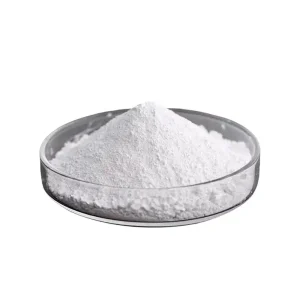
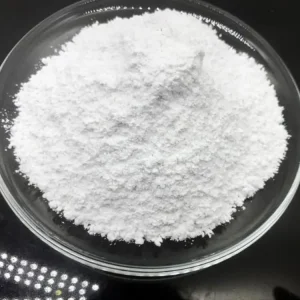
Purity and Glycoside Content Reb M content should be specified as a percentage of total steviol glycosides, and buyers should understand the full glycoside profile of a given product — not just the lead glycoside. High-purity Reb M powder typically contains 95% or greater Reb M on a dry basis, though product specifications vary across suppliers and applications.
Moisture and Physical Form Stevia powder specifications should include moisture content, particle size distribution, and bulk density — all of which affect handling, blending behavior, and dosing accuracy in manufacturing environments.
Microbiological and Heavy Metal Testing Given that stevia is a plant-derived ingredient, full microbiological testing (total aerobic count, yeast, mold, pathogens) and heavy metal analysis (lead, arsenic, mercury, cadmium) are essential quality checkpoints. Third-party testing certificates from accredited laboratories provide an additional layer of assurance.
Solubility Reb M generally exhibits good water solubility, but buyers should verify solubility performance in their specific application matrices — particularly in acidic beverage systems, high-fat emulsions, or alcohol-containing formulations.
Stability Thermal and pH stability data are important for applications involving heat processing (pasteurization, baking, UHT treatment) or acidic conditions. Reputable suppliers will have stability data available or be able to conduct application-specific testing.
Comparing Reb M with Other Steviol Glycosides
Understanding how Reb M positions relative to other glycosides helps buyers make informed decisions based on their formulation requirements and budget constraints.
| Glycoside | Sweetness vs. Sucrose | Taste Quality | Typical Use Cases |
|---|---|---|---|
| Stevioside | ~150–300x | Bitter, strong aftertaste | Cost-sensitive applications, blends |
| Reb A | ~200–350x | Cleaner than stevioside, some aftertaste | Broad food & beverage use |
| Reb D | ~200–350x | Very clean, minimal aftertaste | Premium formulations |
| Reb M | ~200–350x | Cleanest profile, sugar-like | Premium beverages, dairy, confectionery |
For buyers requiring the best possible sensory outcome — particularly in transparent, liquid applications where off-notes are most perceptible — Reb M is consistently the preferred choice, despite its typically higher price point relative to Reb A or stevioside.
Practical Considerations for Stevia Bulk Purchasing
Buyers sourcing stevia bulk quantities should plan procurement carefully to manage cost, lead time, and supply risk.
Minimum Order Quantities and Lead Times Reb M production involves more complex processing than Reb A, so lead times may be longer. Early-stage supply agreements and forecasting communication with your stevia wholesale supplier can help prevent stock-outs in production planning.
Packaging and Storage Stevia powder is hygroscopic and should be stored in sealed, moisture-barrier packaging in cool, dry conditions. Buyers should confirm recommended storage conditions and shelf life with their supplier, as improper storage can affect both flavor performance and microbiological status.
Sampling and Application Testing Before committing to large stevia bulk orders, request representative samples and conduct benchtop application trials under realistic processing conditions. What performs well in one application matrix may behave differently in another, and this validation step is essential before scale-up.
Supplier Audits and Documentation For finished product manufacturers operating under GMP or food safety management systems such as FSSC 22000 or SQF, supplier qualification is a regulatory and quality requirement. A credible stevia manufacturer will support this process by providing facility audit access, quality system documentation, and supply chain transparency.
Sustainability and Supply Chain Transparency
Sustainability has become an increasingly important consideration in ingredient sourcing. For stevia specifically, buyers may wish to evaluate:
- Whether the supplier sources stevia leaf from traceable, responsibly managed agricultural origins
- Whether bioconversion processes are designed to minimize solvent use and energy consumption
- Whether the supplier holds relevant environmental or sustainability certifications
Bioconversion routes for Reb M production can in some cases offer a more resource-efficient pathway than large-scale leaf extraction, an attribute that may support sustainability claims in finished product marketing.
Summary
Rebaudioside M (Reb M) represents the current frontier of stevia ingredient technology, offering a sensory profile that most closely approximates the clean sweetness of sugar. For food, beverage, and nutraceutical manufacturers engaged in sugar-reduction strategies, Reb M raw material provides a technically robust, regulatory-compliant solution that is now increasingly accessible due to advances in bioconversion production methods.
When sourcing reb m powder or any stevia raw material, buyers should prioritize suppliers capable of providing high-purity, consistently tested product backed by transparent quality documentation and multi-market regulatory support. A rigorous supplier qualification process — including specification review, application testing, and quality system audit — remains the most reliable path to secure, long-term supply of stevia bulk ingredients at commercial scale.
Frequently Asked Questions (FAQ)
Q1: What is the difference between Reb M and Reb A in practical formulation terms? Reb A is more abundant in the stevia leaf and therefore generally more cost-effective. Reb M offers a significantly cleaner taste with less bitterness and aftertaste, making it preferable for applications where sensory quality is a primary concern, such as still and sparkling beverages, flavored dairy products, and premium nutritional supplements.
Q2: Is Reb M produced by fermentation considered “natural”? This is a regulatory and commercial question that varies by jurisdiction and labeling context. In the United States, FDA GRAS determinations for fermentation-derived Reb M have been accepted, but how “natural” is interpreted on a product label depends on applicable regulations and retailer standards. Buyers should seek legal and regulatory guidance specific to their target markets.
Q3: What purity level of Reb M powder should I specify? For most food and beverage applications, Reb M powder with a minimum 95% Reb M content on a dry basis is a standard specification. However, application requirements vary, and some uses may permit lower purity grades — particularly in blended stevia products.
Q4: Can Reb M be combined with other sweeteners? Yes. Reb M is frequently used in combination with other sweeteners, both natural (such as monk fruit extract or erythritol) and conventional (such as sucralose or acesulfame potassium), to optimize sweetness profile, cost efficiency, and consumer labeling positioning.
Q5: What certifications should I expect from a reputable stevia manufacturer? At minimum, look for ISO 9001 (quality management), ISO 22000 or HACCP (food safety management), and GMP compliance. Additional certifications such as Halal, Kosher, NSF, and Organic (where applicable) may be relevant depending on your target market and customer requirements.
Q6: How should Reb M powder be stored in a manufacturing environment? Reb M powder should be stored in a cool (below 25°C), dry environment with low humidity, in sealed moisture-barrier packaging. Avoid exposure to direct light, heat, or strong odors. Under proper storage conditions, shelf life is typically 24 months from the date of manufacture.
Q7: What is a reasonable minimum order quantity for stevia wholesale purchasing? This varies by supplier and product grade. For stevia wholesale purchases, many manufacturers offer flexibility in order quantities depending on commercial relationships and market requirements. It is advisable to discuss volume tiers, pricing structures, and lead times directly with your stevia manufacturer early in the procurement process.
About GOTHINK Biotech
GOTHINK Biotech is a professional manufacturer and global supplier of functional raw materials headquartered in China, serving ingredient buyers and product developers across the nutraceutical, dietary supplement, and pharmaceutical industries worldwide.
Our product portfolio spans multiple high-demand categories, including Steviol Glycosides (Reb M, Reb D, and other stevia fractions), Coenzymes (NMN, NMNH, NAD+, NADH, NADP, NRH, Coenzyme Q10, Folic Acid), Human Milk Oligosaccharides (2′-FL, 3-FL, LNT, LNnT), Glucosamine series (Glucosamine, Glucosamine Hydrochloride, N-Acetyl-Glucosamine, Glucosamine Sulfate), and Saccharide Derivatives (Sialic Acid, N-Acetylneuraminic Acid, Rh2/Rg3).
GOTHINK Biotech’s facilities and products are certified to ISO 9001, ISO 22000, GMP, SGS, NSF, CQC, Halal, and Kosher standards. Our scientific leadership team, trained at leading institutions in the United States and United Kingdom, develops over 2,000 customized formulations annually. We provide full third-party testing documentation, regulatory support, and OEM/ODM manufacturing services for partners across global markets.
For sourcing inquiries regarding Reb M powder, stevia raw material, stevia bulk orders, or any other functional ingredient, we welcome direct engagement from qualified buyers and procurement professionals.