
Abstract
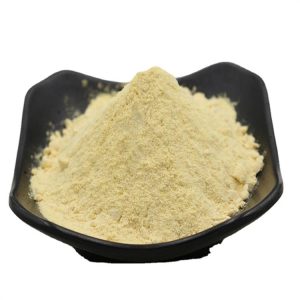
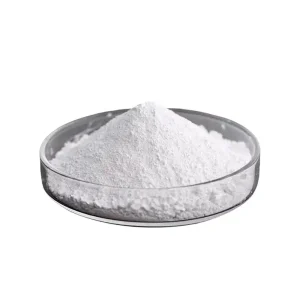
As demand grows for next-generation NAD+ precursors in dietary supplements and functional foods, manufacturers are evaluating NMN powder alongside the emerging reduced form, NMNH. Both compounds serve as building blocks for cellular NAD+ restoration, yet they differ in chemical structure, metabolic pathways, potency, and formulation considerations. This article provides a neutral, evidence-based comparison of NMNH versus NMN to help raw material buyers, supplement formulators, and brand owners make informed sourcing decisions when selecting nmnh raw material, nmnh bulk, or nmn powder for large-scale production.

Understanding NMN: The Established NAD+ Precursor
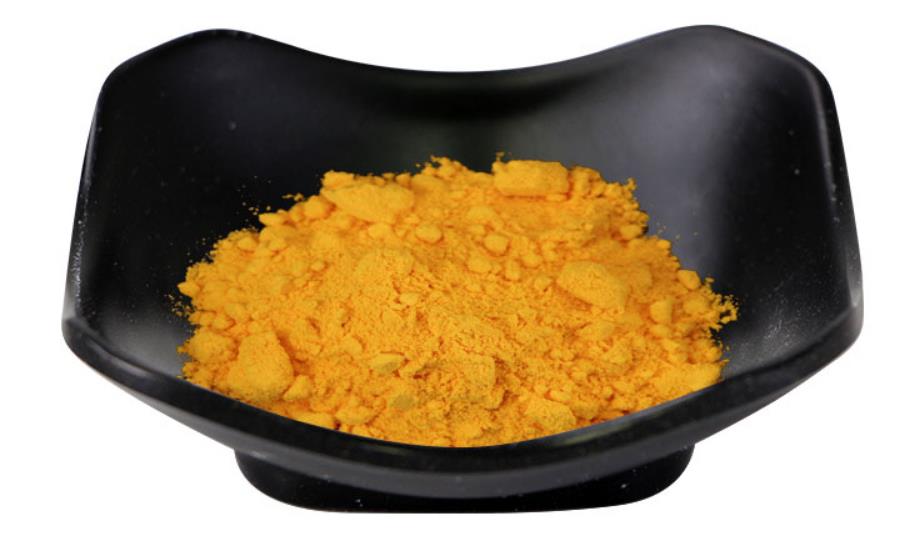
Nicotinamide mononucleotide (NMN) is a well-researched oxidized precursor to NAD+, a coenzyme essential for energy metabolism, DNA repair, and cellular resilience. In the salvage pathway, NMN is converted to NAD+ primarily through the enzyme nicotinamide mononucleotide adenylyltransferase (NMNAT). Extensive preclinical and human studies have documented NMN’s ability to elevate NAD+ levels, supporting its widespread use in nutraceutical formulations. NMN powder remains a staple raw material due to its proven stability under standard storage conditions and compatibility with capsules, tablets, and powders.
Introducing NMNH: The Reduced Form of NMN
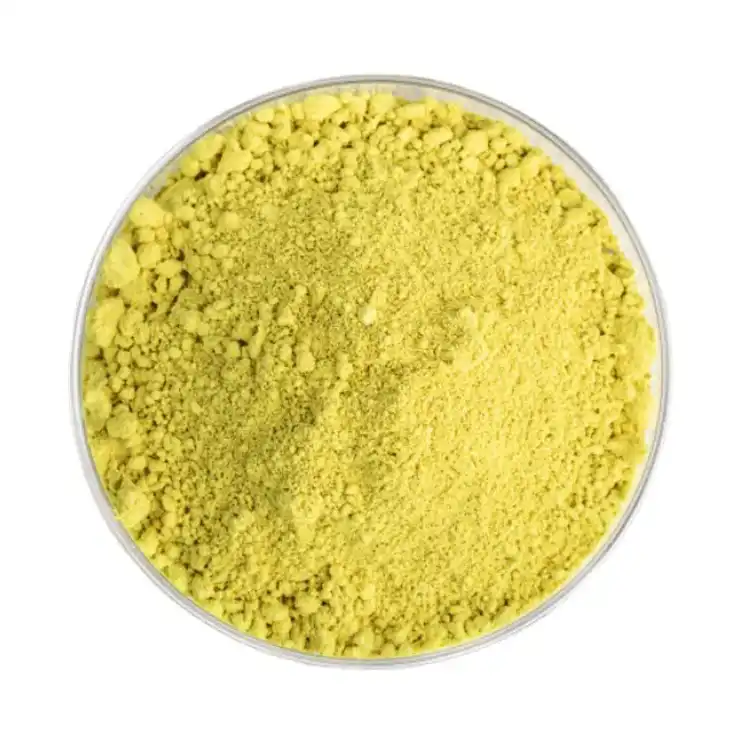
NMNH, or dihydronicotinamide mononucleotide, is the reduced (hydrogenated) analog of NMN. Chemically, it carries an additional pair of electrons and a hydrogen atom on the nicotinamide ring. This structural difference allows NMNH to enter NAD+ biosynthesis via a slightly altered route, often bypassing certain rate-limiting steps required by NMN. Early research positions NMNH as a potent NAD+ booster, with manufacturers increasingly exploring nmnh powder for premium anti-aging and metabolic support products.
Key Biochemical Differences Between NMNH and NMN
The primary distinction lies in redox state and enzymatic processing. NMN functions as an oxidized precursor, while NMNH is already in a reduced state. Studies show NMNH is metabolized through an NRK- and NAMPT-independent pathway in some models, directly feeding into NMNAT-mediated NAD+ synthesis. In contrast, NMN typically relies more heavily on the canonical salvage pathway. These differences influence not only conversion efficiency but also secondary metabolic effects: NMNH has been observed to elevate both NAD+ and NADH levels, potentially inducing reductive stress that modulates glycolysis and the TCA cycle.
NAD+ Boosting Efficacy: What Peer-Reviewed Research Shows
Preclinical data indicate NMNH raises cellular and tissue NAD+ levels more rapidly and to a greater extent than equimolar doses of NMN. In cell culture models, 100 μM NMNH increased NAD+ 5–7 fold, while the same concentration of NMN produced only modest gains. In vivo mouse studies confirmed NMNH nearly doubled blood NAD+ compared with NMN and sustained elevations for over 24 hours, whereas NMN effects tapered after approximately 20 hours. NMNH also demonstrated stronger NAD+ increases in tissues such as liver, muscle, heart, and brain—areas where NMN effects can be more limited.
Importantly, human clinical data on NMNH remain limited compared with the extensive body of NMN research. Manufacturers should view NMNH as an emerging option with promising preclinical potency while awaiting further randomized controlled trials to confirm long-term safety and efficacy in humans.
Stability, Bioavailability, and Formulation Considerations for Bulk Sourcing
Stability is a critical factor when procuring nmnh raw material or nmn powder for commercial production. NMN powder exhibits good stability at neutral pH and room temperature, facilitating straightforward global logistics and shelf-life claims. NMNH, being reduced, can be more sensitive to oxidation and neutral pH environments, requiring stricter handling, inert packaging, and sometimes specialized storage to maintain purity above 98%. Bioavailability studies suggest NMNH may offer faster uptake due to its reduced state, but real-world formulation testing is recommended for each specific delivery system (e.g., capsules versus sublingual powders).
For supplement brands scaling production, choosing a reliable nmnh Manufacturer becomes essential to ensure batch-to-batch consistency, third-party testing, and compliance with GMP, ISO, and NSF standards.
Practical Implications for Manufacturers Sourcing NMNH Bulk and NMN Powder
When evaluating nmnh wholesale or nmnh bulk supply contracts, consider lead times, minimum order quantities, and full traceability documentation. NMN powder is more mature in the supply chain, often commanding lower cost-per-kilogram for high-volume runs. NMNH, as a newer ingredient, typically carries a premium but may enable differentiated “next-generation” product positioning. Many formulators blend both compounds or run parallel lines to hedge risk while gathering market feedback. Regulatory status for both remains similar in major markets (sold as dietary ingredients), yet importers should verify current import alerts and novel food filings where applicable.
Regulatory and Market Outlook
The nutraceutical sector continues to prioritize science-backed ingredients with robust supply chains. NMN powder enjoys broad market acceptance and consumer familiarity. NMNH offers innovation potential for brands targeting high-efficacy NAD+ support, provided manufacturers invest in quality assurance and transparent clinical communication. Ongoing research will likely clarify optimal dosing, long-term safety profiles, and synergistic applications with other coenzymes.
Article Summary
NMN and NMNH both elevate NAD+ but differ significantly in structure, metabolic efficiency, and potency. Preclinical evidence favors NMNH for faster, higher, and more sustained NAD+ increases, while NMN benefits from extensive validation and supply-chain maturity. For manufacturers, the choice between nmnh powder and nmn powder ultimately depends on target product positioning, formulation stability requirements, and cost-of-goods targets. Sourcing from experienced nmnh Manufacturer partners with comprehensive certifications ensures product integrity and regulatory compliance, allowing brands to deliver reliable, high-value supplements to global markets.
FAQ
1. What is the core chemical difference between NMNH and NMN? NMNH is the reduced (hydrogenated) form of NMN, containing an extra hydrogen atom and two electrons. This redox difference alters its entry into the NAD+ biosynthesis pathway and secondary metabolic effects.
2. Does NMNH raise NAD+ levels more effectively than NMN? Yes, according to published preclinical studies in cells and mice, NMNH increases NAD+ faster, higher (up to 5–7 fold in vitro), and for longer durations than NMN at equivalent doses. Human data are still emerging.
3. Is NMNH powder more stable than NMN powder for manufacturing? NMN powder generally offers superior stability under standard conditions. NMNH requires more careful handling to prevent oxidation; reputable nmnh raw material suppliers provide stability data and recommended storage protocols.
4. Are there differences in regulatory status for bulk sourcing? Both are currently marketed as dietary ingredients in major jurisdictions. Manufacturers should verify latest FDA, EFSA, or local novel food requirements when importing nmnh bulk or nmnh wholesale quantities.
5. How should supplement brands decide between NMNH and NMN for new formulations? Evaluate target claims, cost structure, stability testing results, and available clinical evidence. Many brands start with NMN for proven track record and test NMNH for premium lines seeking differentiated efficacy.
6. What should procurement teams look for in an nmnh Manufacturer? Prioritize GMP/ISO-certified facilities, HPLC purity certificates (>98%), heavy-metal and microbial testing, full COA traceability, and reliable lead times for nmnh raw material and nmnh bulk orders.
About GOTHINK Biotech GOTHINK Biotech is a professional manufacturer and global supplier of functional raw materials based in China. Our key product lines include Coenzymes (NMN, NADH, NAD+, NADP, NMNH), Human Milk Oligosaccharides (2′-FL, 3-FL, LNT, LNnT), Glucosamine series, and Saccharide Derivatives (N-Acetylneuraminic Acid, Reb D, Reb M, Rh2/Rg3, Sialic Acid). These high-purity ingredients are widely used in nutraceuticals, dietary supplements, and pharmaceutical formulations.
With world-class scientific leadership, over 2,000 customized formulations developed annually, and comprehensive certifications (ISO 9001, ISO 22000, GMP, SGS, NSF, CQC, Halal, Kosher), we deliver reliable OEM/ODM services backed by full third-party testing and a robust global supply chain. Our mission is to make cutting-edge compounds accessible, sustainable, and affordable through synthetic biology innovation.