
Abstract
NADH (Nicotinamide Adenine Dinucleotide + Hydrogen) is the reduced, biologically active form of NAD+, playing a foundational role in cellular energy metabolism, antioxidant defense, and neurological function. For formulators, supplement brands, and pharmaceutical manufacturers sourcing functional ingredients, understanding NADH’s biochemistry, stability profile, and supply chain dynamics is essential for making informed procurement decisions. This article provides a science-grounded, business-oriented overview of NADH — covering its definition, physiological functions, industrial applications, and key considerations for sourcing NADH powder, NADH raw material, and NADH bulk quantities from a qualified NADH manufacturer.
1. What Is NADH? A Biochemical Overview
NADH stands for Nicotinamide Adenine Dinucleotide (reduced form), also written as NAD·H. It is a coenzyme found in every living cell and is best understood as the “charged” or electron-carrying version of NAD+. Structurally, NADH consists of two nucleotides — one containing adenine and one containing nicotinamide — connected by a phosphate bridge.
The essential distinction between NAD+ and NADH lies in their redox state. NAD+ is the oxidized form and acts as an electron acceptor; NADH is the reduced form and acts as an electron donor. This interconversion is central to virtually all energy-generating biochemical processes. In the context of dietary supplements and nutraceuticals, NADH is of particular commercial interest because of its direct involvement in ATP production and its ability to cross the blood-brain barrier.
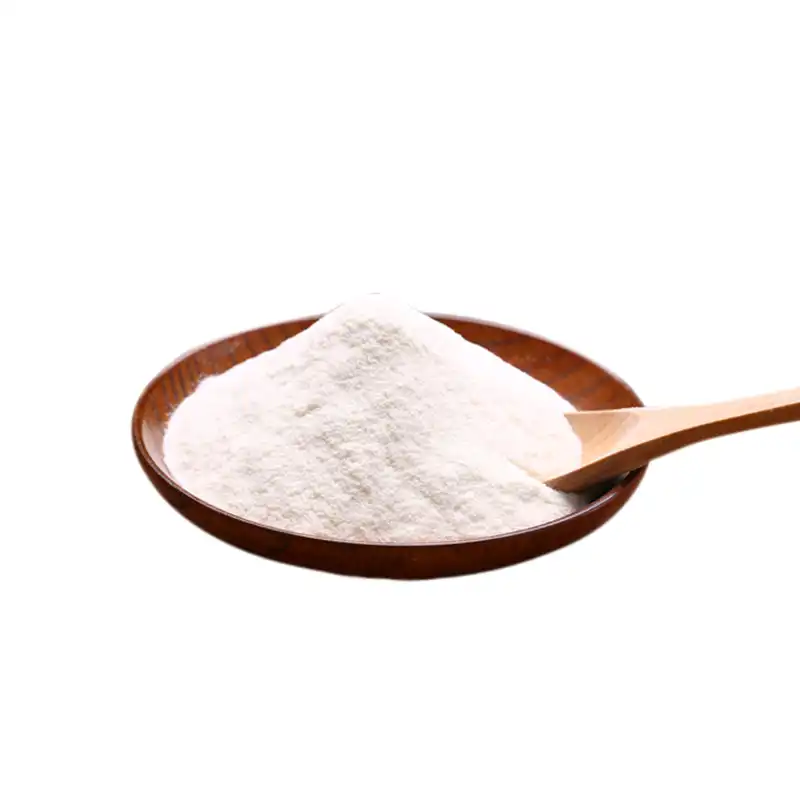
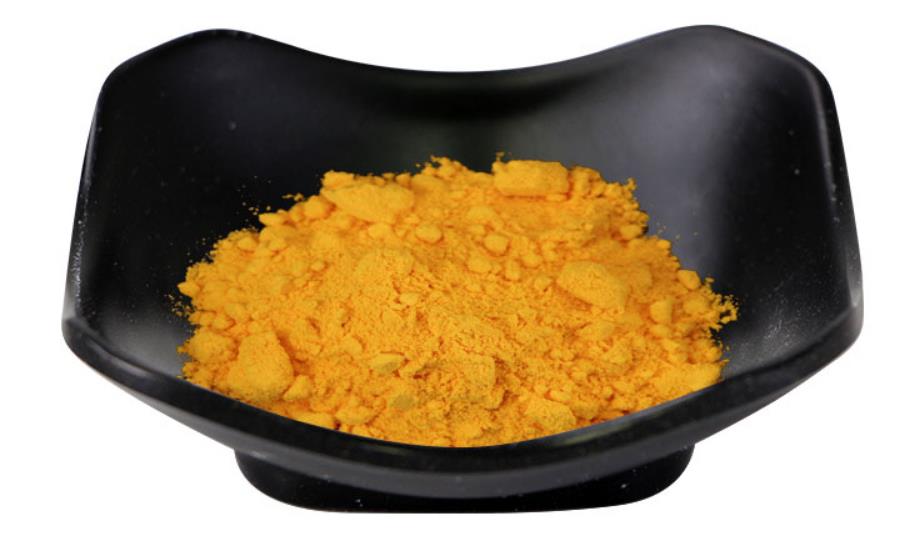
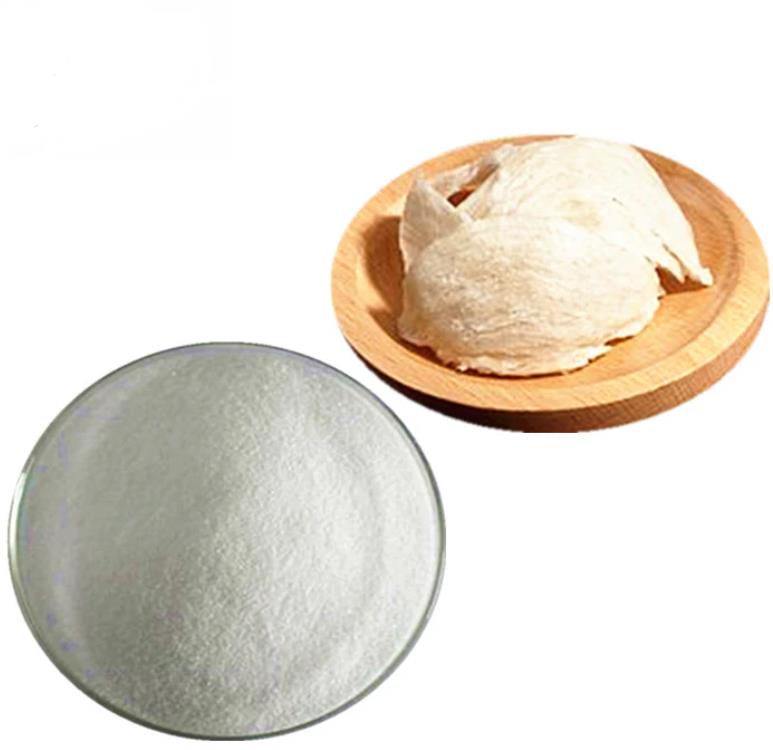
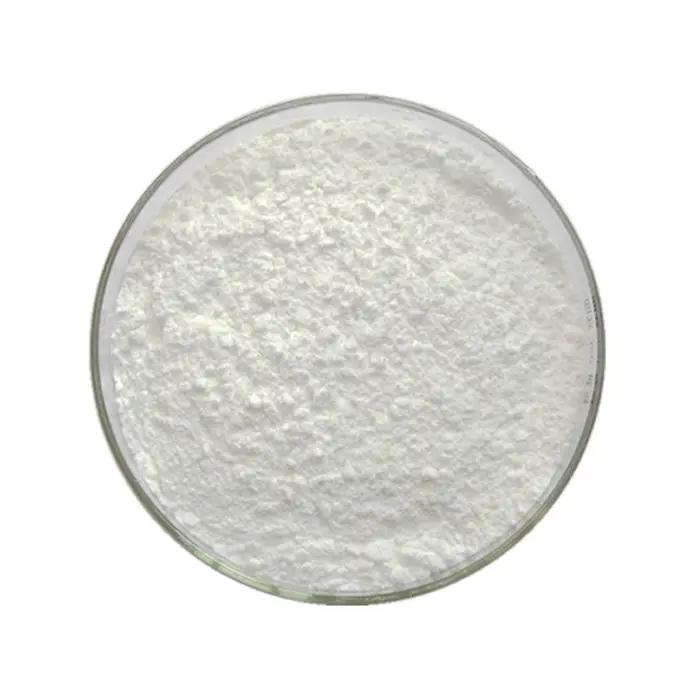
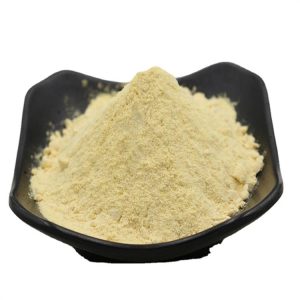
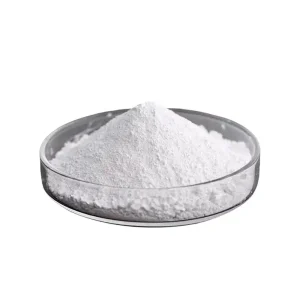
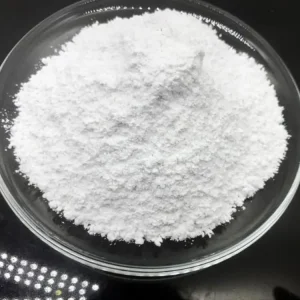
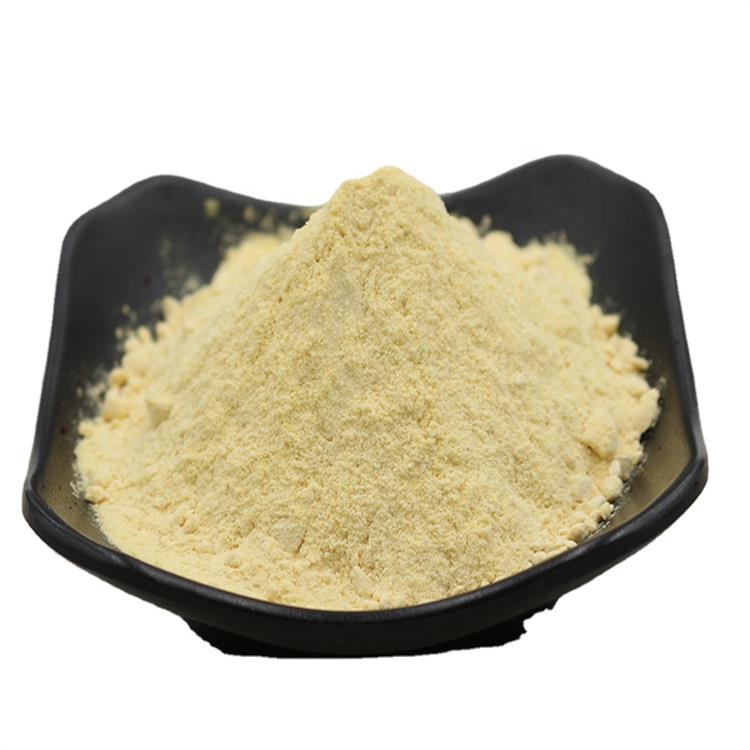
In its commercial form, NADH is manufactured and traded as a dry, stabilized powder — typically the disodium salt form — which offers greater stability than its free acid counterpart. This is the form most commonly referenced when buyers inquire about NADH powder or NADH raw material for downstream formulation.
2. Core Biological Functions of NADH
2.1 Central Role in Cellular Energy Production
NADH is an indispensable intermediate in the mitochondrial electron transport chain (ETC). During cellular respiration, NADH donates its electrons to Complex I of the ETC, triggering a cascade that drives the synthesis of ATP — the primary energy currency of the cell. Each molecule of NADH that enters the ETC can generate approximately 2.5 molecules of ATP.
This function makes NADH directly relevant to energy metabolism disorders, age-related fatigue, and conditions where mitochondrial efficiency is compromised. For product formulators targeting energy support, cognitive performance, or anti-aging applications, NADH’s role in ATP synthesis represents a scientifically grounded mechanism of action.
2.2 Antioxidant and Redox Signaling Activity
NADH functions as a potent intracellular antioxidant. It participates in the regeneration of glutathione — one of the body’s principal endogenous antioxidants — and directly neutralizes reactive oxygen species (ROS). Oxidative stress is implicated in aging, neurodegenerative disease, and metabolic dysfunction, making NADH’s antioxidant properties a meaningful feature for functional food and nutraceutical applications.
NADH also serves as a cofactor for antioxidant enzymes such as catalase and superoxide dismutase, further amplifying its protective effects at the cellular level.
2.3 Neurotransmitter Synthesis and Neurological Support
NADH is involved in the biosynthesis of key neurotransmitters, including dopamine, norepinephrine, and serotonin. It serves as a cofactor for tyrosine hydroxylase, the rate-limiting enzyme in catecholamine biosynthesis. This neuromodulatory role positions NADH as a scientifically relevant ingredient in cognitive health, mood support, and neurological wellness formulations.
Clinical research has explored NADH supplementation in the context of Parkinson’s disease, chronic fatigue syndrome, and Alzheimer’s disease, with several pilot studies suggesting improved cognitive function and energy levels in affected populations. While the evidence base continues to mature, these findings have sustained strong commercial interest in NADH as a premium nutraceutical ingredient.
2.4 DNA Repair and Cellular Maintenance
NADH participates indirectly in DNA repair pathways through its conversion to NAD+, which serves as the substrate for PARP (poly ADP-ribose polymerase) enzymes involved in genome stability. Maintaining adequate NAD+/NADH balance within cells is therefore essential for long-term genomic integrity — a consideration increasingly relevant in the longevity supplement market.
3. Industrial and Commercial Applications of NADH
3.1 Dietary Supplements and Nutraceuticals
The largest commercial application for NADH raw material is in the dietary supplement industry. NADH is formulated into capsules, tablets, sublingual tablets, and liquid formats. Sublingual delivery is particularly popular due to NADH’s limited oral bioavailability — the sublingual route bypasses first-pass hepatic metabolism, increasing systemic absorption.
Common positioning strategies in the supplement market include energy support, cognitive enhancement, anti-aging, and sports performance. Given the premium nature of NADH, brands typically offer it at dosages ranging from 5 mg to 20 mg per serving, often in combination with other coenzymes such as CoQ10 or NMN.
3.2 Pharmaceutical and Clinical Applications
NADH has been studied in pharmaceutical contexts, particularly for neurodegenerative and neuropsychiatric conditions. Its role in dopaminergic function has made it a subject of investigation for Parkinson’s disease management. Additionally, NADH’s involvement in mitochondrial function has attracted interest for applications in chronic fatigue syndrome (CFS/ME) and fibromyalgia.
Pharmaceutical-grade NADH procurement requires verified purity specifications, certificates of analysis (CoA), and compliance with current Good Manufacturing Practices (cGMP). Buyers in this sector typically require documentation such as HPLC purity testing, heavy metals analysis, and microbiological testing as standard due diligence.
3.3 Functional Food and Beverage Fortification
Emerging applications for NADH include functional food and beverage fortification, particularly in products targeting energy, cognitive performance, and longevity. However, NADH’s instability in aqueous, heat, and light-exposed environments presents formulation challenges. Stabilized NADH powder forms, including enteric-coated or microencapsulated variants, are generally preferred when incorporating NADH into food matrices.
4. NADH Stability and Handling Considerations for Formulators
NADH is a relatively sensitive molecule compared to other coenzymes. Understanding its stability profile is critical for B2B buyers evaluating NADH powder or NADH bulk material for use in commercial formulations.
- Temperature: NADH degrades more rapidly at elevated temperatures. Bulk NADH raw material should be stored at 2–8°C (refrigerated) or at least below 25°C in a cool, dry environment. Cold chain logistics should be considered during international shipping.
- Light: NADH is photosensitive. All packaging should be opaque or amber-colored to prevent light-induced degradation.
- Moisture: NADH is hygroscopic. Packaging must maintain low humidity levels. Desiccant inclusion in containers is standard practice.
- pH and oxidation: NADH is stable in mildly alkaline conditions but degrades in acidic or highly oxidative environments. Formulators should avoid combining NADH with acidic excipients without protective encapsulation.
When evaluating NADH manufacturers, buyers should request stability data, including accelerated stability testing results and shelf-life specifications under defined storage conditions. Reputable suppliers will provide this data alongside standard CoA documentation.
5. Sourcing NADH: Key Criteria for B2B Buyers
5.1 Purity and Analytical Testing
Commercial NADH powder is typically offered at purity levels of ≥95% to ≥99%, measured by HPLC. For supplement and pharmaceutical applications, high-purity NADH raw material is essential to ensure consistent dosing efficacy and to meet regulatory specifications. Buyers should request and review HPLC chromatograms, not simply accept a purity figure on the CoA.
Additional testing parameters to evaluate include: residual solvents, heavy metals (lead, mercury, arsenic, cadmium), microbiological limits, and specific optical rotation (to confirm the correct stereoisomeric form).
5.2 Certifications and Regulatory Compliance
For NADH destined for supplement markets in the US, EU, or other regulated jurisdictions, sourcing from a certified NADH manufacturer is non-negotiable. Key certifications to look for include ISO 9001 (quality management), ISO 22000 (food safety management), GMP (Good Manufacturing Practice), and third-party verification by organizations such as NSF, SGS, or equivalent bodies.
Halal and Kosher certification may also be required depending on target markets and product positioning. Always verify that certifications are current and that documentation covers the specific manufacturing site producing your NADH bulk material.
5.3 Supply Chain Reliability and MOQ Considerations
When sourcing NADH wholesale, buyers should assess not only price but also the supplier’s ability to maintain consistent supply at scale. Key questions include: Does the manufacturer control its own synthesis process, or is it a trader? What is the production capacity? What are the minimum order quantities (MOQs) and lead times?
Integrated NADH manufacturers who produce in-house from synthesis to final powder offer greater supply chain transparency and are better positioned to provide regulatory dossiers for market registration purposes.
5.4 OEM/ODM and Custom Formulation Capabilities
For brands seeking private-label or custom formulation solutions, it is advantageous to partner with an NADH manufacturer that also offers OEM/ODM services. This consolidates the supply chain, reduces coordination risk, and can accelerate time-to-market. Customized formulations may include NADH in combination with other coenzymes, amino acids, or botanical extracts tailored to specific product concepts.
6. Summary
NADH is a high-value coenzyme with well-characterized roles in cellular energy production, antioxidant defense, and neurotransmitter synthesis. Its applications span the dietary supplement, pharmaceutical, and emerging functional food sectors. For B2B buyers — whether sourcing NADH powder for nutraceutical formulation, procuring NADH bulk material for clinical applications, or establishing a long-term relationship with an NADH manufacturer for wholesale supply — a rigorous approach to supplier qualification is essential.
Key procurement considerations include purity verification through HPLC testing, current certifications (GMP, ISO, NSF), supply chain integration, stability documentation, and the supplier’s capacity to support custom formulation requirements. As the global coenzyme market continues to expand, securing a reliable, qualified source of NADH raw material positions brands for both product integrity and commercial competitiveness.
Frequently Asked Questions (FAQ)
Q1: What is the difference between NADH and NAD+?
NAD+ is the oxidized form of nicotinamide adenine dinucleotide and functions primarily as an electron acceptor in metabolic reactions. NADH is its reduced form, meaning it carries electrons and hydrogen. NADH is the biologically active, energy-carrying state of the molecule, and is the form associated with ATP generation in the mitochondrial electron transport chain. From a commercial standpoint, both are available as raw materials, but they serve different formulation purposes and have distinct stability profiles.
Q2: What purity levels are available for commercial NADH powder?
Commercial-grade NADH powder is generally available at purity levels ranging from 95% to 99%+ as measured by HPLC. Pharmaceutical-grade applications typically require ≥98% purity with comprehensive testing documentation. Buyers should specify their purity requirements upfront and request batch-specific CoA data.
Q3: How should NADH bulk material be stored during transit and warehousing?
NADH bulk material should be stored at 2–8°C for optimal stability, though short-term storage at room temperature (below 25°C) in sealed, opaque, desiccated containers is acceptable. Cold chain shipping is recommended for large NADH wholesale orders, particularly across long international routes. Once opened, containers should be resealed promptly and stored under refrigeration.
Q4: Is NADH suitable for vegan and halal-certified products?
NADH produced via fermentation-based or synthetic biological routes is generally suitable for vegan formulations. Whether a specific batch qualifies as Halal or Kosher depends on the manufacturing process and the certifying body. Buyers should confirm the applicable certifications directly with the NADH manufacturer and request relevant documentation for regulatory and labeling purposes.
Q5: What is the typical lead time for NADH raw material orders?
Lead times vary by order volume and supplier. For standard NADH bulk orders, lead times typically range from 2 to 4 weeks from order confirmation to shipment. Custom specifications, specialized packaging, or large NADH wholesale orders may require longer lead times. Establishing a standing purchase agreement with your NADH manufacturer can significantly reduce procurement lead times over time.
Q6: Can NADH be combined with other coenzymes in formulations?
Yes, NADH is frequently combined with complementary coenzymes such as CoQ10, NMN, and NAD+ precursors to create synergistic energy and longevity formulations. When blending, formulators must assess compatibility, as the pH preferences and stability requirements of each ingredient may differ. Working with an experienced NADH manufacturer offering OEM/ODM services can help optimize multi-ingredient formulations for stability and efficacy.
About GOTHINK Biotech
GOTHINK Biotech is a professional manufacturer and global supplier of functional raw materials based in China, serving nutraceutical brands, pharmaceutical companies, and supplement formulators worldwide. With a scientific team trained at leading US and UK institutions, GOTHINK combines cutting-edge synthetic biology with rigorous quality management to deliver premium, consistent ingredients at commercial scale.
Our core product lines include:
- Coenzymes: NADH, NAD+, NMN, NMNH, NADP, NR, Coenzyme Q10, Folic Acid
- Human Milk Oligosaccharides (HMOs): 2′-FL, 3-FL, LNnT, LNT
- Glucosamine Series: Glucosamine, Glucosamine Hydrochloride, Glucosamine Sulfate, N-Acetyl-Glucosamine
- Saccharide Derivatives: Sialic Acid, N-Acetylneuraminic Acid, Reb D, Reb M, Rh2/Rg3
GOTHINK holds comprehensive quality certifications including ISO 9001, ISO 22000, GMP, SGS, NSF, CQC, Halal, and Kosher, and develops over 2,000 customized formulations annually. We provide full third-party testing reports, stable large-scale supply, and OEM/ODM manufacturing services for partners seeking reliable NADH raw material, NADH wholesale supply, or end-to-end product development support.
For sourcing inquiries, purity specifications, or custom formulation requests, contact the GOTHINK Biotech technical sales team to discuss your NADH powder or broader ingredient requirements.