

Abstract
N-acetylneuraminic acid (NANA), commonly known as Sialic Acid, is a vital amino sugar found across human tissues and fluids, most notably in brain tissue and breast milk. As a leading manufacturer specializing in synthetic biology and functional raw materials, we provide this technical overview to clarify what N-acetylneuraminic acid is, its physiological significance, and the critical quality benchmarks required for industrial-scale procurement. This guide serves as a resource for R&D professionals and procurement managers seeking high-purity N-acetylneuraminic acid powder for nutraceutical, pharmaceutical, and infant formula applications.
What is N-Acetylneuraminic Acid (NANA)?
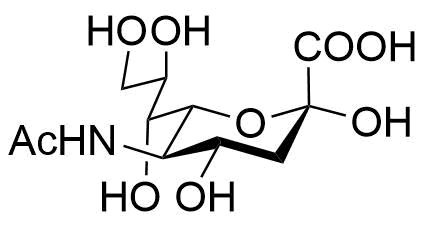
N-acetylneuraminic acid (C11H19NO9) is the predominant form of the sialic acid family found in mammalian cells. Structurally, it is a nine-carbon monosaccharide that typically occupies the terminal position of glycoprotein and glycolipid carbohydrate chains. Due to its negative charge and strategic location on cell surfaces, N-acetylneuraminic acid plays a fundamental role in cellular recognition, signaling, and protection against pathogens.
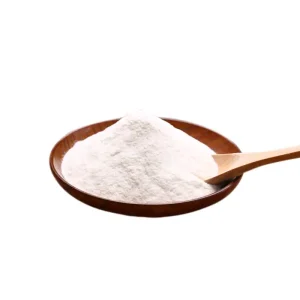
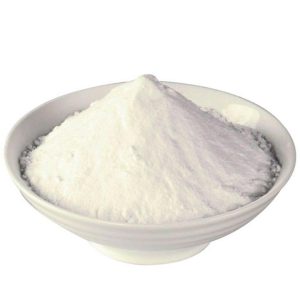
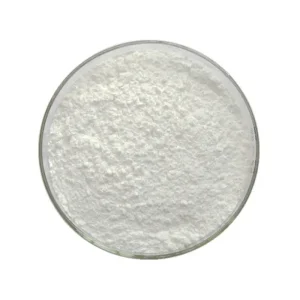
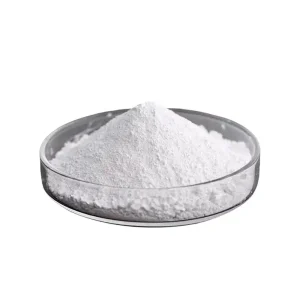
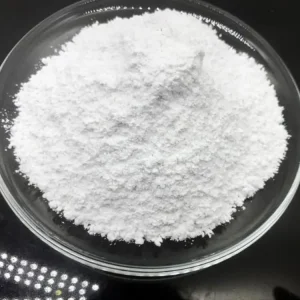
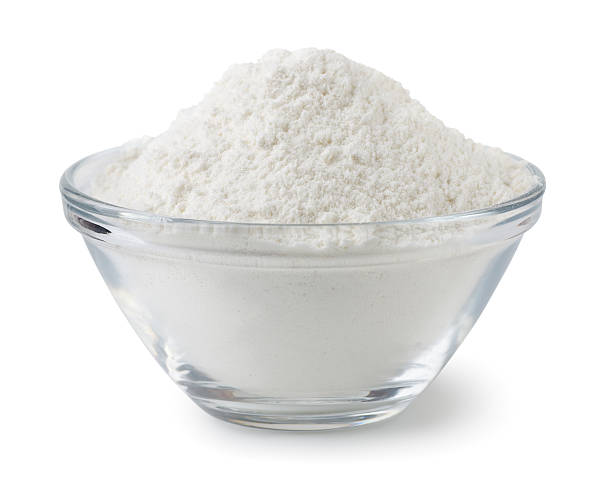
In the commercial landscape, NANA is produced as a high-purity white powder through advanced biomanufacturing processes. As a specialized raw material, it has transitioned from a scarce, expensive compound to a scalable ingredient used globally to enhance the nutritional profile of functional foods and cognitive health supplements.
Biological Functions and Health Benefits
Understanding the utility of N-acetylneuraminic acid requires a look at its primary biological roles:
-
Cognitive Development: NANA is a key component of gangliosides in the brain. Research indicates its presence is crucial for synaptogenesis and neural transmission, particularly during early development.
-
Immune System Support: By acting as a decoy for viruses and bacteria, NANA helps prevent pathogens from binding to host cells, effectively supporting the body’s innate defense mechanisms.
-
Skin Health: As a saccharide derivative, it is increasingly explored in topical applications for its potential to improve skin barrier function and hydration.
Sourcing N-Acetylneuraminic Acid: A Technical Guide for Bulk Procurement
For businesses looking to integrate N-acetylneuraminic acid powder into their product lines, the transition from R&D to mass production involves several technical considerations.
Quality Standards and Certifications
When evaluating a NANA factory, transparency in the supply chain is paramount. High-quality bulk raw materials should be backed by a rigorous food safety management system. Look for manufacturers that hold comprehensive certifications, including:
-
ISO 9001 & ISO 22000: For quality and food safety management.
-
GMP (Good Manufacturing Practices): Essential for pharmaceutical-grade applications.
-
Third-Party Testing: Reports from organizations like SGS or NSF ensure the powder meets purity specifications and is free from heavy metals or microbial contaminants.
Manufacturing Methodology
The modern production of N-acetylneuraminic acid relies heavily on synthetic biology and fermentation rather than traditional extraction from animal sources. This biomanufacturing approach ensures a more sustainable, stable, and cost-effective wholesale supply while maintaining a high degree of purity (typically >98%).
Integrating NANA into Industrial Formulations
N-acetylneuraminic acid raw material is highly versatile but requires stable formulation environments. It is commonly utilized in:
-
Infant Formula: To more closely mimic the sialic acid content of human milk.
-
Dietary Supplements: Often encapsulated or tableted for cognitive support and healthy aging.
-
Cosmeceuticals: Integrated into serums and creams for its bioactive properties.
As a manufacturer, we emphasize that while NANA is robust, its efficacy depends on the synergy of the overall formulation and the stability of the powder during the blending process.

Conclusion
N-acetylneuraminic acid is no longer a “scarce” compound limited to high-end laboratory research. Through innovations in biomanufacturing, it has become a staple raw material for the global health and wellness industry. For businesses, selecting a reliable manufacturer that offers bulk N-acetylneuraminic acid powder with proven traceability and global compliance is the most effective way to ensure product quality and consumer trust.
Frequently Asked Questions (FAQ)
1. What is the difference between Sialic Acid and N-acetylneuraminic acid? N-acetylneuraminic acid (NANA) is the most common form of Sialic Acid. While “Sialic Acid” is a generic term for a family of over 50 derivatives, NANA is the specific version used in most nutritional and pharmaceutical raw materials.
2. Is N-acetylneuraminic acid powder water-soluble? Yes, high-purity N-acetylneuraminic acid powder is highly soluble in water, making it easy to incorporate into liquid formulations, beverages, and infant formulas.
3. What is the typical shelf life of NANA raw material in bulk? When stored in a cool, dry place in its original sealed packaging, N-acetylneuraminic acid typically has a shelf life of 24 months.
4. Can I request a customized formulation of NANA? Yes. Many manufacturers provide OEM/ODM services where N-acetylneuraminic acid can be blended with other coenzymes or saccharide derivatives to meet specific market needs.
5. Is the N-acetylneuraminic acid wholesale supply stable? Thanks to advanced fermentation and biomanufacturing techniques, manufacturers can now provide a stable, large-scale delivery of premium raw materials with short lead times, unlike the fluctuating supply chains of the past.