
Abstract
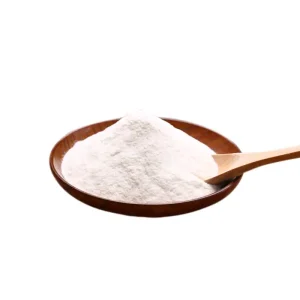
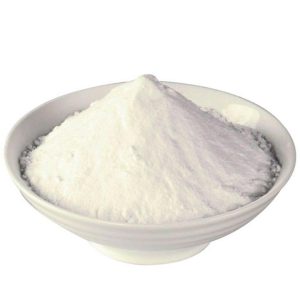
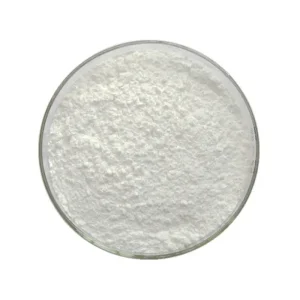
Glucosamine hydrochloride is a popular dietary supplement ingredient derived from shellfish or produced synthetically, widely incorporated into joint health products. It serves as a building block for glycosaminoglycans and proteoglycans essential for cartilage maintenance. Primarily used in formulations targeting osteoarthritis and joint discomfort, glucosamine hydrochloride powder offers manufacturers a high-purity raw material option for bulk production. This guide explores its applications, scientific backing, and considerations for sourcing high-quality glucosamine hydrochloride raw material, providing actionable insights for supplement businesses seeking reliable wholesale suppliers.
Understanding Glucosamine Hydrochloride
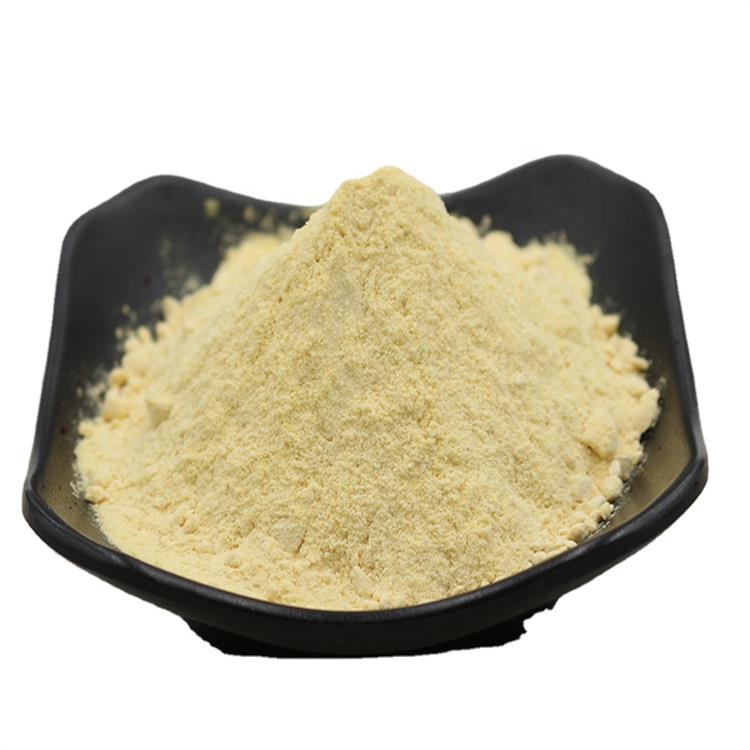
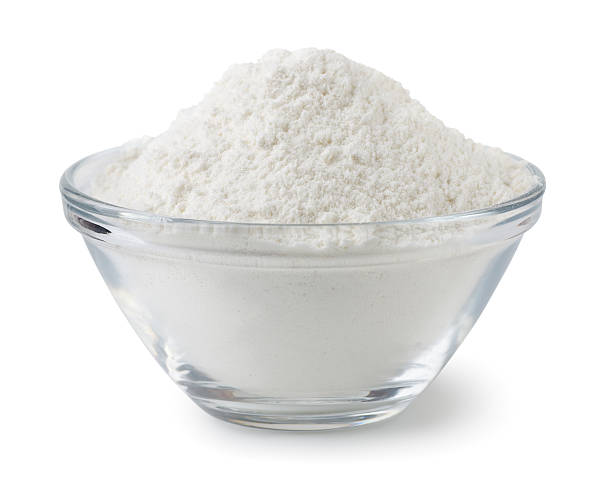
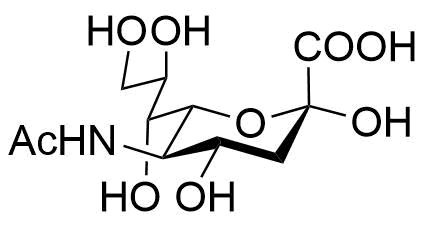
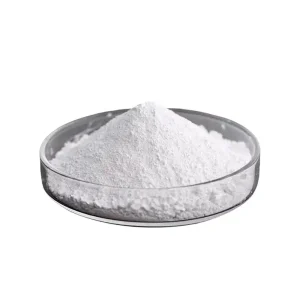
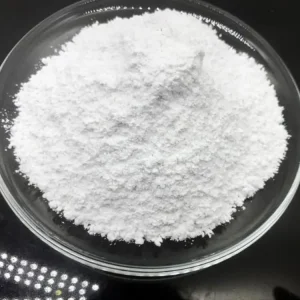
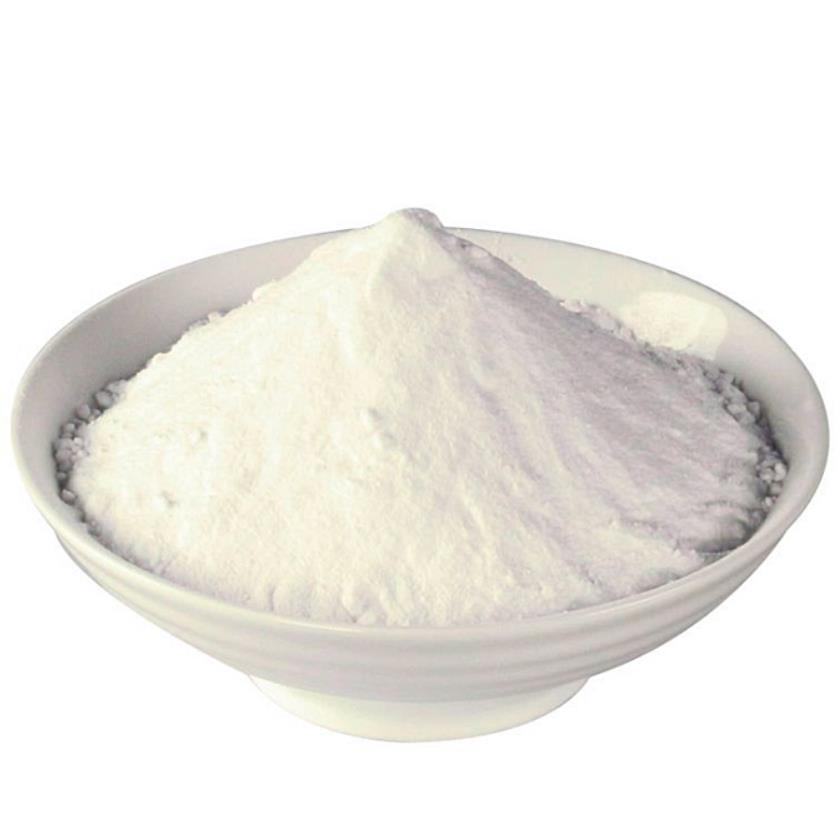
Glucosamine hydrochloride (often abbreviated as Glucosamine HCl) is one of the main forms of glucosamine available as a supplement ingredient. Naturally occurring in the body, glucosamine supports the production of cartilage, tendons, ligaments, and synovial fluid that cushions joints. In supplement form, glucosamine hydrochloride powder provides approximately 83% pure glucosamine content, making it a concentrated choice compared to other variants.
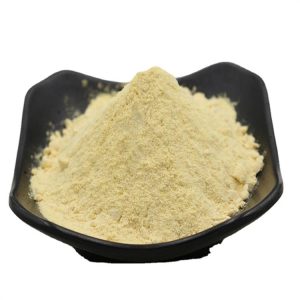
Sourced primarily from chitin in shellfish exoskeletons or fermented from plant-based materials for vegan options, this raw material is favored in the nutraceutical industry for its stability and solubility. Manufacturers often select glucosamine hydrochloride bulk quantities for creating capsules, tablets, powders, or gummies aimed at joint support.
Primary Uses in Joint Health Supplements
The most common application of glucosamine hydrochloride is in products designed to support joint health, particularly for osteoarthritis management. Research from sources like Mayo Clinic and WebMD indicates that glucosamine helps maintain cartilage structure and may reduce mild to moderate knee osteoarthritis symptoms when combined with other ingredients like chondroitin.
Supplement brands incorporate glucosamine hydrochloride raw material into formulations to:
- Promote cartilage repair and reduce breakdown.
- Support synovial fluid production for better joint lubrication.
- Address age-related joint wear or activity-induced discomfort.
While glucosamine sulfate has shown more consistent results in some studies for pain relief, glucosamine hydrochloride remains widely used due to its higher purity and lower sodium content, appealing to formulators targeting specific consumer needs.
Scientific Evidence and Effectiveness
Clinical studies present mixed but promising findings. According to reviews from NIH and Arthritis Foundation, glucosamine hydrochloride may contribute to pain reduction and improved function in osteoarthritis when used long-term, especially in combination therapies. For instance, large trials like GAIT have evaluated its role alongside chondroitin, noting benefits in subgroups with moderate-to-severe pain.
Evidence suggests glucosamine hydrochloride powder supports anti-inflammatory pathways and cartilage protection, though results vary by individual and formulation. Manufacturers sourcing bulk glucosamine hydrochloride can leverage third-party testing to ensure potency, helping brands build evidence-based products that align with consumer expectations for efficacy.
Differences from Glucosamine Sulfate
A key consideration for manufacturers is the distinction between glucosamine hydrochloride and glucosamine sulfate. Glucosamine hydrochloride offers higher elemental glucosamine per dose (up to 99% purity) and greater stability without added salts, making it ideal for low-sodium or vegan formulations. In contrast, glucosamine sulfate includes a sulfate group potentially aiding absorption but requires stabilizers.
Studies, including pharmacokinetic comparisons, show similar bioavailability, though some prefer sulfate for structural modification claims. For bulk production, glucosamine hydrochloride wholesale options often provide cost-effective, high-concentration raw material suitable for diverse supplement lines.
Sourcing and Quality Considerations for Manufacturers
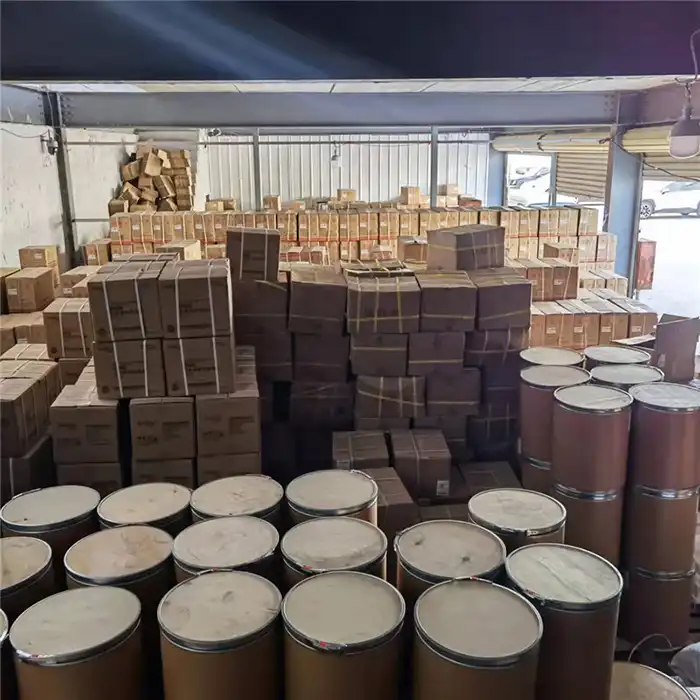
When developing joint health products, selecting a reputable glucosamine hydrochloride manufacturer is crucial. Look for suppliers offering:
- cGMP-certified production.
- Third-party tested glucosamine hydrochloride powder for purity and contaminants.
- Flexible MOQs for bulk or wholesale orders.
- Vegan or shellfish-derived options to meet market demands.
High-quality raw material ensures consistent dosing (typically 1,500 mg daily equivalents) and compliance with regulations like FDA DSHEA guidelines. Partnering with experienced manufacturers allows brands to create reliable, market-ready supplements efficiently.
Summary
Glucosamine hydrochloride is primarily used as a key raw material in joint health supplements, supporting cartilage maintenance and potentially alleviating osteoarthritis symptoms. With its high purity and stability, glucosamine hydrochloride powder serves as an efficient choice for manufacturers producing bulk formulations. While evidence supports its role in combination therapies, ongoing research refines its benefits. For supplement businesses, sourcing from trusted glucosamine hydrochloride wholesale providers ensures product quality and positions brands to meet growing demand for effective joint support solutions in 2026.
FAQ
1. What is the main use of glucosamine hydrochloride in supplements? It is primarily incorporated as a raw material to support joint health, cartilage repair, and osteoarthritis symptom management in capsules, powders, or gummies.
2. How does glucosamine hydrochloride differ from glucosamine sulfate? Glucosamine hydrochloride provides higher purity and elemental glucosamine, with better stability and lower sodium, making it suitable for concentrated bulk formulations.
3. Is there strong evidence for glucosamine hydrochloride’s effectiveness? Studies show mixed results, with benefits often seen in combinations for pain relief and function; it’s most effective long-term for mild-to-moderate joint issues.
4. Why choose glucosamine hydrochloride powder for manufacturing? Its high concentration and stability make it ideal for bulk wholesale production, allowing precise dosing and versatile supplement development.
5. How can manufacturers ensure high-quality glucosamine hydrochloride raw material? Partner with cGMP-certified suppliers offering third-party testing and transparent sourcing for reliable, contaminant-free bulk supplies.