
Summary
Sialic acid, most commonly as N-acetylneuraminic acid, serves as a critical terminal sugar on glycoproteins and glycolipids. It plays essential roles in cell signaling, immune recognition, neural development, and pathogen defense. For manufacturers formulating infant nutrition, cognitive health supplements, or functional foods, high-purity sialic acid powder and sialic acid raw material offer valuable opportunities to create differentiated, science-backed products. This article examines its biological functions, commercial applications, and key considerations when sourcing from a qualified sialic acid manufacturer.
The Biochemistry of Sialic Acid
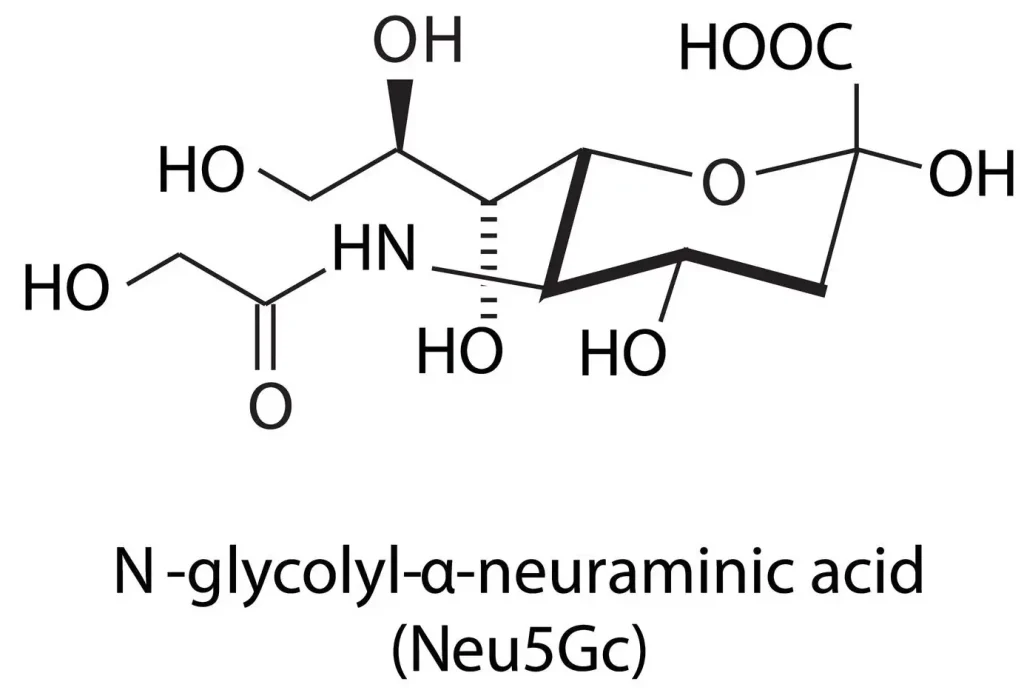
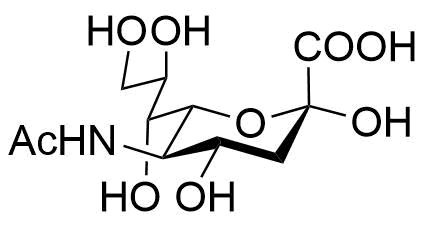
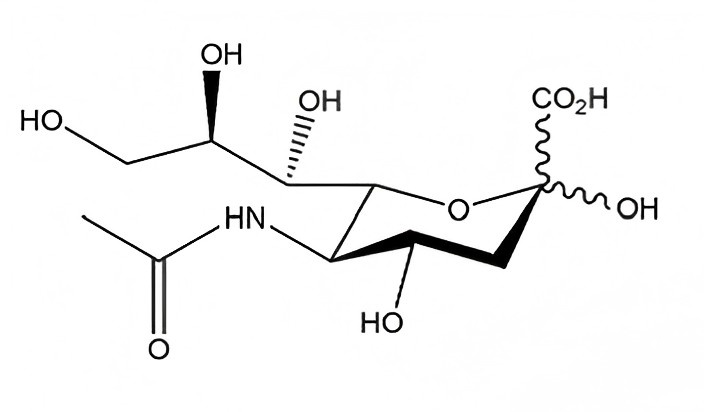
Sialic acid belongs to a family of nine-carbon acidic sugars. In humans, the predominant form is N-acetylneuraminic acid (Neu5Ac). It is typically found at the outermost ends of glycan chains on cell surfaces, where it modulates molecular interactions.
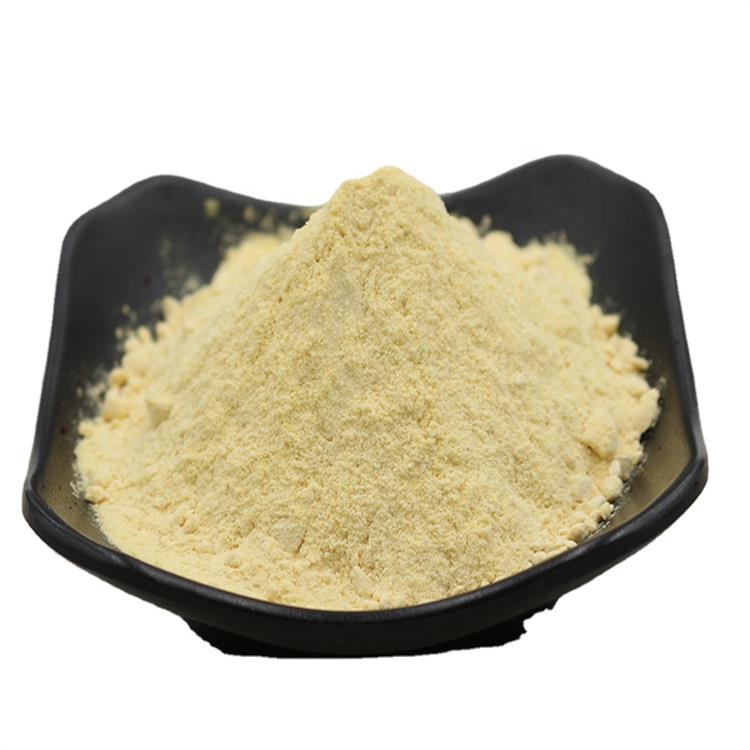
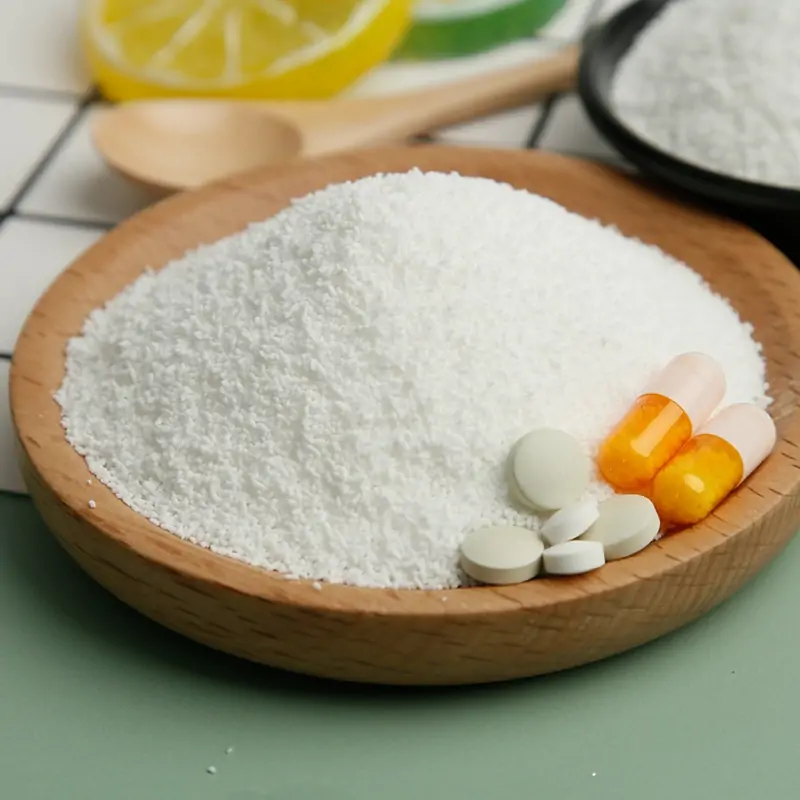
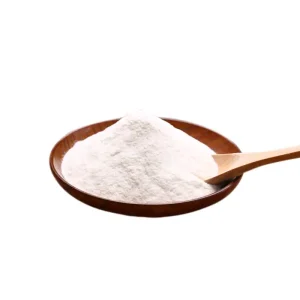
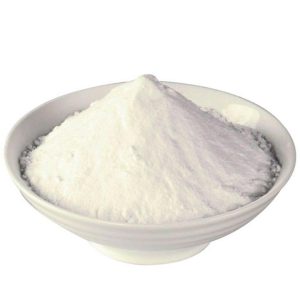
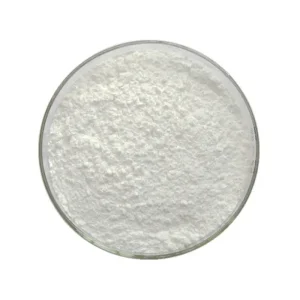
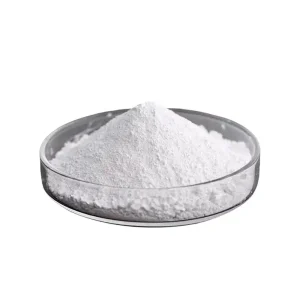
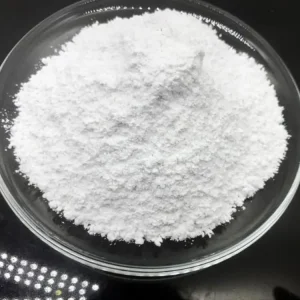
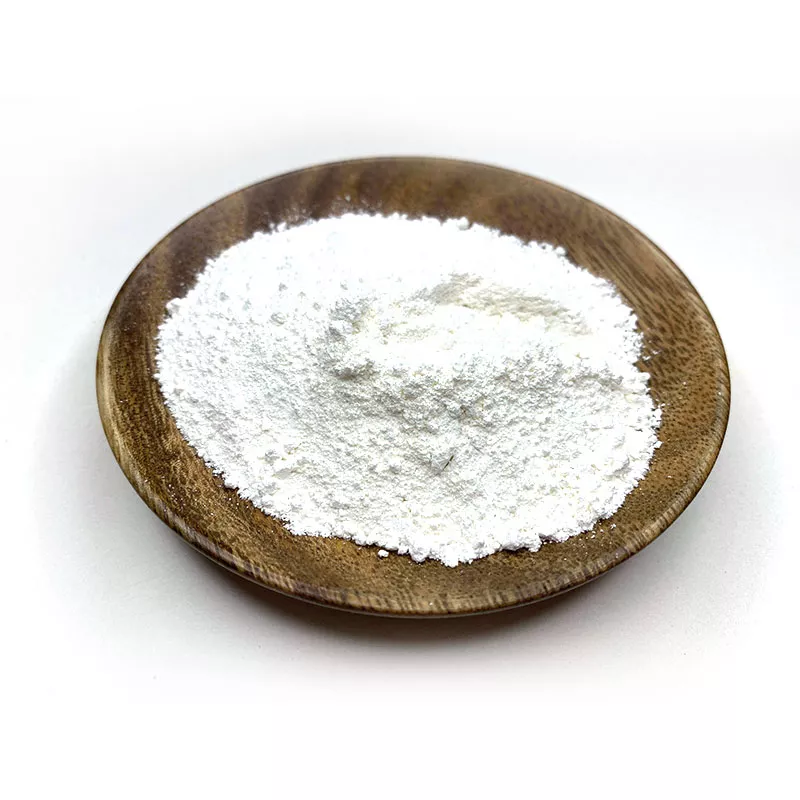
In manufacturing terms, sialic acid raw material is supplied as a white to off-white crystalline powder that is highly soluble in water and stable under proper storage conditions. Its molecular structure allows it to be incorporated into oligosaccharides, gangliosides, and glycoproteins used in finished products.
Core Biological Functions of Sialic Acid
Sialic acid performs several fundamental roles in human physiology:
- Cell recognition and signaling: It acts as a recognition site for lectins and other binding proteins, influencing cell-to-cell communication.
- Immune modulation: Sialic acid helps distinguish “self” from “non-self,” regulating immune responses and preventing excessive inflammation.
- Neural development and brain function: Brain gangliosides are particularly rich in sialic acid. It supports synapse formation, neuronal plasticity, and cognitive processes, which explains its high concentration in human breast milk.
- Pathogen interaction: Many viruses and bacteria use sialic acid as a receptor; understanding this mechanism has implications for both therapeutic development and product safety.
These functions make sialic acid powder a strategic ingredient for products targeting brain health, immunity, and early-life nutrition.
Health Benefits Relevant to Product Development
Research indicates several areas where sialic acid supplementation shows promise:
- Cognitive and neurological support: Studies link dietary sialic acid to improved learning and memory, particularly in infants and young children.
- Gut and immune health: Sialic acid influences gut microbiota composition and mucosal barrier integrity.
- Anti-inflammatory and antioxidant effects: It can modulate inflammatory pathways and reduce oxidative stress in certain models.
- Infant nutrition: Breast milk contains significant levels of sialylated oligosaccharides; adding sialic acid raw material to formulas helps bridge the gap for non-breastfed infants.
For manufacturers, these benefits translate into marketable claims when supported by proper substantiation and regulatory compliance.
Commercial Applications in Nutraceuticals and Pharmaceuticals
Sialic acid powder is increasingly used in:
- Infant formula and follow-on milk to mimic the sialic acid profile of human milk.
- Cognitive health supplements targeting students, professionals, and aging populations.
- Immune-support and functional food products.
- Pharmaceutical intermediates and specialized medical nutrition.
Its stability, solubility, and compatibility with other actives (including HMOs, glucosamine, and coenzymes) make it suitable for tablets, capsules, powders, and liquid formulations. Demand is growing as consumers and regulators emphasize ingredients with strong biological plausibility.
Sourcing High-Quality Sialic Acid Powder and Raw Material
When evaluating sialic acid raw material, manufacturers should focus on:
- Purity: ≥98% by HPLC, with low levels of impurities and heavy metals.
- Production method: Biotechnological fermentation offers consistent quality, scalability, and sustainability compared to traditional extraction.
- Physical properties: Fine powder with good flowability and minimal hygroscopicity for easier processing.
- Documentation: Full traceability, COA, stability data, and third-party testing for microbial safety and residual solvents.
- Regulatory compliance: Suitability for food, dietary supplement, or pharmaceutical use in target markets (e.g., GRAS status, novel food approvals where required).
Reliable supply chain partners also provide customization options, such as different particle sizes or premixes, to meet specific formulation needs.

Choosing the Right Sialic Acid Manufacturer
Partnering with an experienced sialic acid manufacturer reduces risk and accelerates time-to-market. Key criteria include:
- Advanced R&D capabilities and expertise in carbohydrate chemistry.
- Certified production facilities (ISO 9001, ISO 22000, GMP, etc.).
- Large-scale fermentation capacity for stable global supply.
- Comprehensive quality systems with full traceability and rapid response to inquiries.
- Ability to support regulatory dossiers and provide technical formulation guidance.
Manufacturers who invest in synthetic biology and biomanufacturing can deliver cost-effective, high-purity sialic acid powder while meeting growing sustainability expectations from brands and consumers.
Article Summary
Sialic acid performs essential functions in cell recognition, brain development, immunity, and overall human health. For businesses in the nutraceutical and pharmaceutical sectors, incorporating high-quality sialic acid powder and sialic acid raw material enables the creation of innovative, effective products with strong scientific foundations. By selecting a capable sialic acid manufacturer that combines technical expertise, rigorous quality standards, and reliable supply, companies can confidently bring differentiated formulations to market and meet evolving consumer demands for evidence-based ingredients.
FAQ
What is the primary form of sialic acid used in supplements and infant formula? The most common commercial form is N-acetylneuraminic acid (Neu5Ac), supplied as sialic acid powder for easy incorporation into various product matrices.
Is sialic acid raw material suitable for vegan and clean-label products? Yes. When produced through microbial fermentation rather than animal extraction, it qualifies as vegan-friendly and aligns with clean-label requirements.
What dosage levels are typically used in finished products? In infant formula, levels are designed to approximate human milk (around 100–200 mg/L). In adult dietary supplements, common dosages range from 50–300 mg per serving, depending on the target benefit and regulatory guidelines.
How stable is sialic acid powder during manufacturing and storage? High-purity sialic acid powder is relatively stable when stored in cool, dry conditions away from light. It withstands standard tableting and encapsulation processes when proper excipients are used.
What certifications should a trusted sialic acid manufacturer hold? Look for ISO 9001, ISO 22000, GMP, Halal, Kosher, and third-party testing capabilities. Full traceability and the ability to provide regulatory support documents are equally important.
Can sialic acid be combined with HMOs or other functional carbohydrates? Yes. It is frequently formulated alongside human milk oligosaccharides (such as 2′-FL or LNnT) and glucosamine derivatives to create synergistic infant nutrition or immune-support products.
How can manufacturers ensure consistent supply of sialic acid raw material? Work with manufacturers that operate large-scale fermentation facilities and maintain robust international logistics networks to minimize lead time variability and ensure year-round availability.