
Abstract
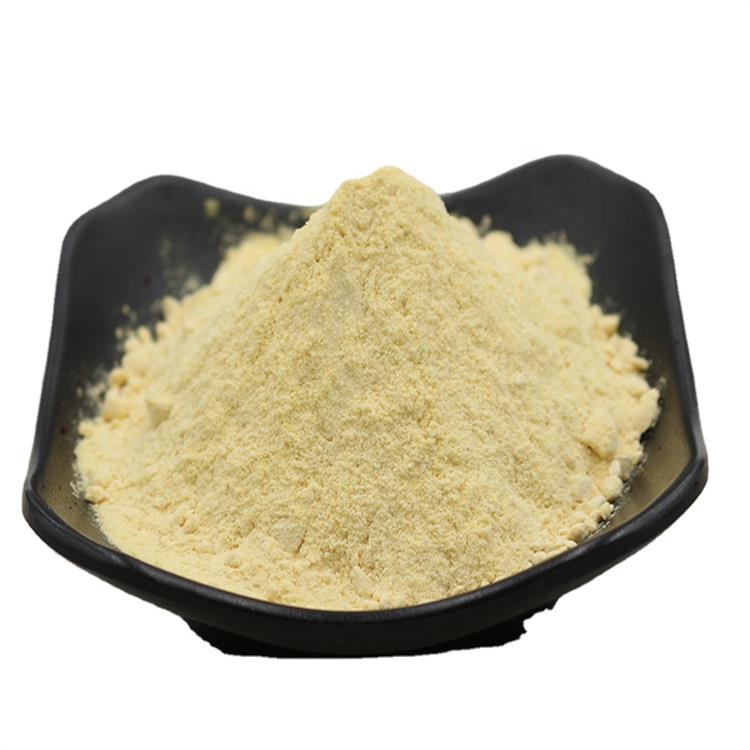
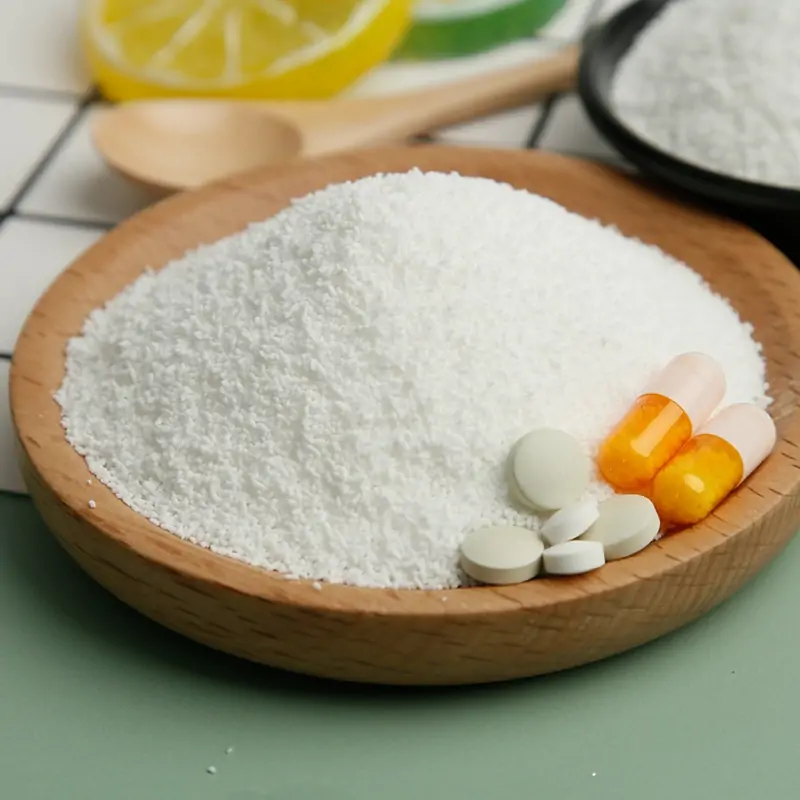
As the global food and beverage industry shifts toward cleaner labels and sugar reduction, Rebaudioside M (Reb M) has emerged as the gold standard in natural high-intensity sweeteners. Unlike early steviol glycosides, Reb M offers a taste profile remarkably close to sucrose without the bitterness associated with Rebaudioside A. This guide provides a comprehensive overview for procurement managers and product formulators, detailing the manufacturing processes, quality parameters, and regulatory considerations essential for sourcing high-quality Rebaudioside M powder. We explore the nuances of supply chain stability and quality control from the perspective of an experienced Rebaudioside M raw material manufacturer.
1. Introduction: The Evolution of Stevia Sweeteners
The demand for non-nutritive sweeteners is no longer driven solely by caloric reduction; it is driven by the consumer’s refusal to compromise on taste. While Rebaudioside A (Reb A) paved the way for stevia adoption, its lingering bitterness and metallic aftertaste limited its application in delicate flavor profiles.
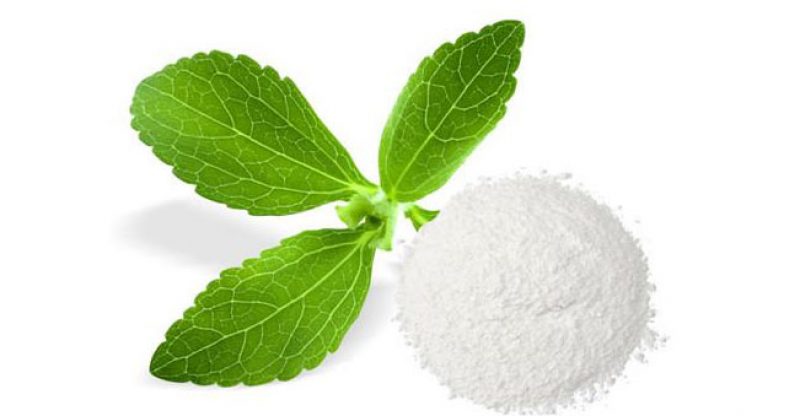
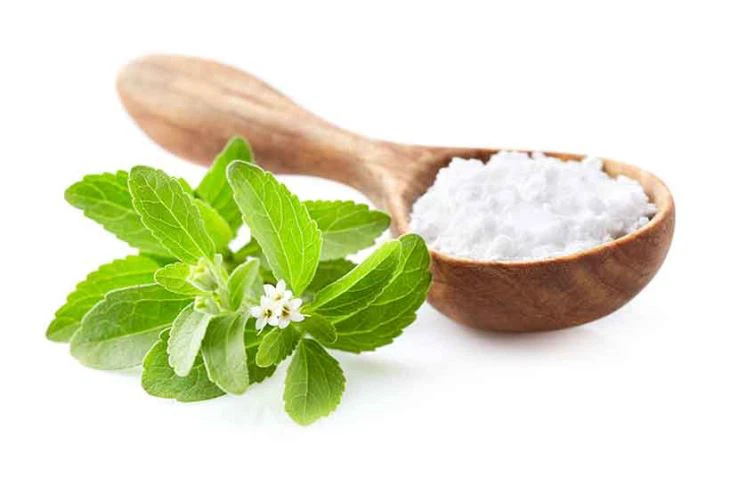
Rebaudioside M represents the next generation of steviol glycosides. It is naturally present in the Stevia rebaudiana leaf but in minute quantities (less than 0.1%). Its molecular structure contains more glucose units than Reb A, which interacts differently with human taste receptors, resulting in a cleaner, more sugar-like sweetness onset and no bitter finish.
For brands looking to reformulate, securing a reliable Rebaudioside M manufacturer is critical to maintaining product consistency.
2. Manufacturing Methodologies: Extraction vs. Bioconversion
Understanding the production method is vital for buyers, as it impacts cost, sustainability, and labeling. Because Reb M is so scarce in the stevia leaf, traditional water extraction is often economically inefficient for mass production.
Bioconversion and Synthetic Biology
To meet bulk Rebaudioside M demand, leading manufacturers utilize advanced bioconversion technologies or synthetic biology. This involves using enzymes to convert more abundant steviol glycosides into Reb M.
-
Sustainability: This method reduces the agricultural footprint required to produce high-purity yields.
-
Purity: Biomanufacturing allows for a highly controlled environment, resulting in Rebaudioside M powder with purities exceeding 95% or 98%.
-
Consistency: Unlike agricultural harvests which vary by season, enzymatic processes ensure batch-to-batch consistency—a key requirement for large-scale wholesale procurement1.
Manufacturer Note: At the industrial level, R&D capacity is crucial. Manufacturers utilizing synthetic biology aim to make precious compounds like Reb M more accessible and sustainable2.
3. Key Quality Metrics for Sourcing Raw Materials
When evaluating a Rebaudioside M raw material supplier, Specification Sheets (COA) must be scrutinized beyond just the purity percentage.
Purity and Composition
While “95% Purity” is the industry standard, the remaining 5% matters. It should consist of other related steviol glycosides, not unidentified impurities. High-performance liquid chromatography (HPLC) testing is the standard for verifying these profiles.
Solubility and Particle Size
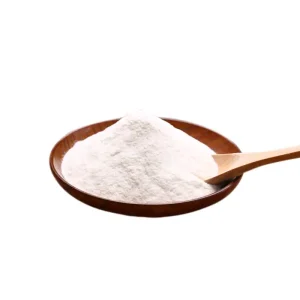
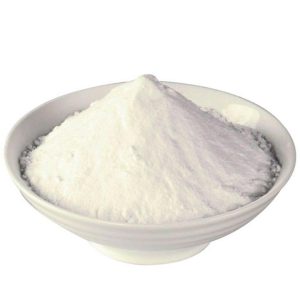
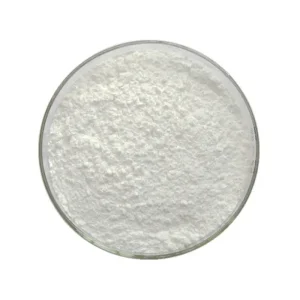
For beverage applications, the solubility of the Rebaudioside M powder is paramount. A fine, uniform mesh size ensures rapid dissolution without clumping.
Compliance and Certifications
A credible manufacturer must hold comprehensive third-party certifications to ensure safety and traceability. Essential standards include:
-
ISO 9001 & ISO 22000: For quality management systems3.
-
GMP (Good Manufacturing Practice): Ensuring the product is consistently produced to pharmaceutical or food-grade standards.
-
Kosher and Halal: Essential for global market access5.
-
Third-Party Testing: Reports from agencies like SGS or NSF provide an extra layer of trust regarding heavy metals and microbial limits.
4. Formulation Applications
Rebaudioside M is versatile, but its high potency (200-300 times sweeter than sugar) requires precise handling.
-
Beverages: Reb M is pH stable, making it ideal for carbonated soft drinks, teas, and functional waters where acidic environments degrade other sweeteners.
-
Dairy: It works synergistically with bulk sweeteners (like Erythritol or Allulose) in yogurts and ice creams to mask off-notes and provide mouthfeel.
-
Nutraceuticals: As a Rebaudioside M raw material, it is excellent for masking the bitterness of vitamins and minerals in gummy or powder supplements.
5. The Supply Chain Perspective
The global supply chain for high-value ingredients can be volatile. Securing a wholesale Rebaudioside M partner with a robust international network is essential to prevent stockouts.
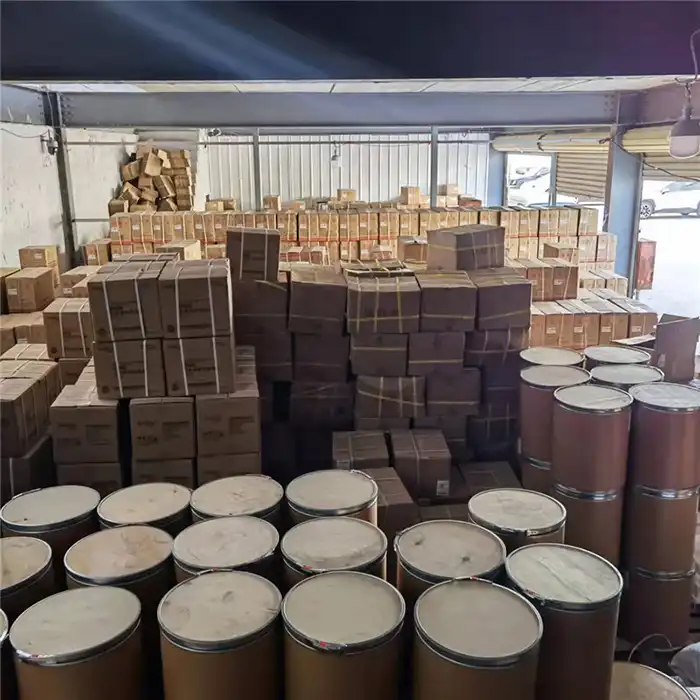
Factories with integrated supply networks can offer shorter lead times and consistent availability, regardless of seasonal fluctuations in the raw stevia market. A supplier with strong R&D capabilities—developing over 2,000 formulations annually—can also assist in troubleshooting formulation challenges.
Summary
Rebaudioside M is reshaping the landscape of sugar reduction, offering a viable solution for brands that prioritize taste. However, the quality of the final consumer product is directly dependent on the quality of the Rebaudioside M raw material sourced.
For procurement professionals, the focus must shift from lowest-cost sourcing to value-based sourcing. Prioritizing a Rebaudioside M manufacturer that offers transparency, third-party validation (SGS, NSF), and advanced biomanufacturing capabilities ensures not only regulatory compliance but also the sensory excellence required to win in a competitive market.
FAQ: Frequently Asked Questions
Q1: What is the difference between Reb A and Reb M?
Rebaudioside A is the most abundant glycoside in stevia but often carries a bitter, licorice-like aftertaste. Rebaudioside M is less abundant but offers a cleaner sweetness profile that is much closer to sucrose, with no bitterness.
Q2: Is Rebaudioside M powder natural?
Yes, Rebaudioside M occurs naturally in the Stevia rebaudiana leaf. Even when produced via bioconversion (using enzymes to convert leaf extracts), the resulting molecule is identical to the one found in nature.
Q3: Can I buy Rebaudioside M in bulk for small businesses?
Yes, many suppliers offer bulk Rebaudioside M with varying Minimum Order Quantities (MOQs). It is advisable to request a sample first to verify solubility and taste profile before committing to a wholesale order.
Q4: What certifications should I look for in a Manufacturer?
Always look for ISO 9001/22000, GMP, and food safety certifications like Halal and Kosher. Third-party testing reports (e.g., SGS) are strong indicators of a trustworthy supplier10.
Q5: How stable is Rebaudioside M in high-temperature processing?
Reb M is heat stable, making it suitable for baked goods, pasteurized beverages, and other applications requiring thermal processing without losing its sweetness potency.
Next Step for Buyers
Are you currently evaluating steviol glycosides for a new product launch? We can provide a comprehensive Certificate of Analysis (COA) and a sample of our high-purity Rebaudioside M powder for your R&D team to test. [Contact Us to Request a Quote or Sample]