
Abstract
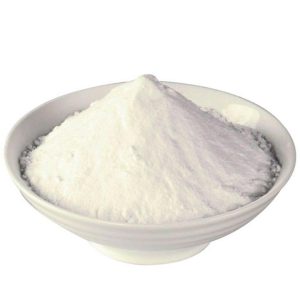
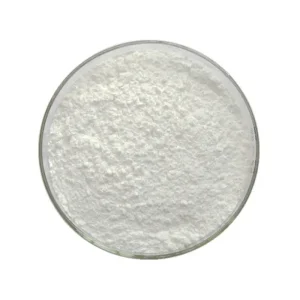
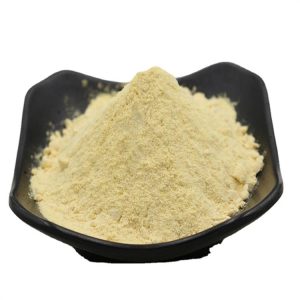
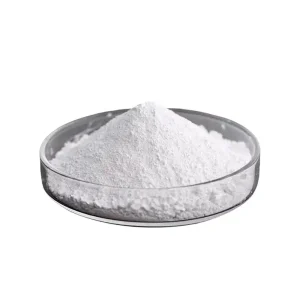
Rebaudioside A (Reb A), Rebaudioside D (Reb D), and Rebaudioside M (Reb M) are three of the most commercially relevant steviol glycosides used in modern food and beverage formulation. As global demand for natural sweeteners continues to rise, manufacturers and brand owners increasingly seek high‑purity Rebaudioside powder in bulk or wholesale formats.
This article provides a clear, evidence‑based overview of these ingredients, focusing on their characteristics, applications, and sourcing considerations. It is written for businesses evaluating Rebaudioside raw material suppliers and aims to support informed procurement decisions.
1. What Are Rebaudiosides? A Technical Overview
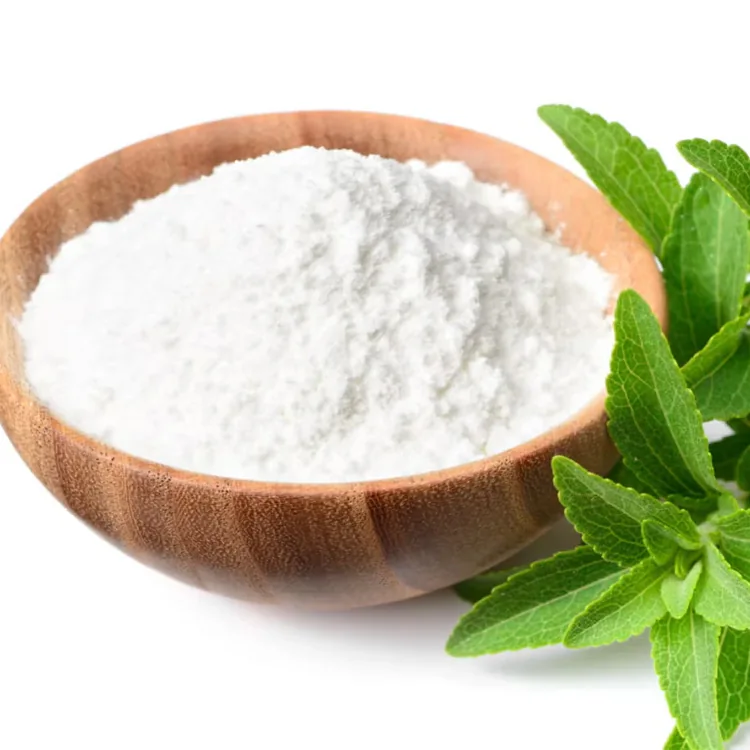
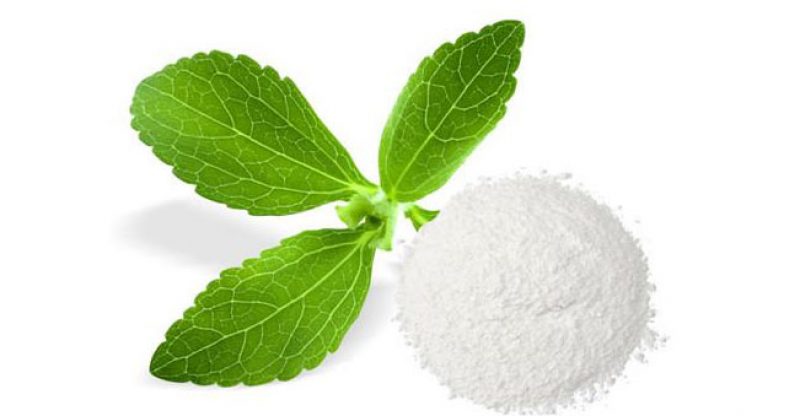
Rebaudiosides are steviol glycosides naturally found in Stevia rebaudiana. They are responsible for the plant’s sweetness and are widely used as natural, zero‑calorie sweeteners.
Among more than 40 identified steviol glycosides, Rebaudioside A, D, and M are the most relevant for commercial formulation due to their sweetness intensity and sensory performance.
1.1 Rebaudioside A (Reb A)
- One of the earliest and most widely used steviol glycosides
- High sweetness intensity
- May exhibit bitterness or lingering aftertaste at high usage levels
- Common in tabletop sweeteners, beverages, and general food applications
1.2 Rebaudioside D (Reb D)
- Cleaner sweetness profile than Reb A
- Lower bitterness and reduced lingering notes
- Increasingly preferred in beverage and dairy applications
- Often produced through extraction, purification, or bioconversion
1.3 Rebaudioside M (Reb M)
- Considered one of the best-tasting steviol glycosides
- Very close to sucrose in sweetness quality
- Ideal for high‑end beverage, functional food, and sugar‑reduction projects
- Typically available in high‑purity grades for industrial use
2. Comparing Reb A, Reb D, and Reb M for Commercial Use
Businesses evaluating Rebaudioside bulk ingredients often compare these three molecules based on taste, cost, and application suitability.
2.1 Sensory Performance
| Ingredient | Sweetness Quality | Aftertaste | Typical Use Cases |
|---|---|---|---|
| Reb A | Good | Noticeable at high levels | General food, tabletop sweeteners |
| Reb D | Very good | Minimal | Beverages, dairy, nutrition products |
| Reb M | Excellent | Very low | Premium beverages, sugar‑free innovation |
2.2 Cost and Availability
- Reb A: Most cost‑effective and widely available
- Reb D: Moderate cost due to higher purification requirements
- Reb M: Highest cost but best sensory performance
2.3 Regulatory and Technical Considerations
- All three are recognized as safe in major markets (US, EU, Asia)
- Stability is strong across pH ranges and processing conditions
- Compatibility with other sweeteners (erythritol, allulose) is excellent
3. Key Considerations When Sourcing Rebaudioside Raw Material
For businesses purchasing Rebaudioside wholesale or in bulk, supplier selection directly impacts product quality, formulation performance, and regulatory compliance.
3.1 Purity and Specification
High‑purity grades (95%–99%) are preferred for:
- Clean sweetness
- Reduced bitterness
- Consistent performance in beverages and functional foods
3.2 Manufacturing Expertise
A reliable Rebaudioside manufacturer should demonstrate:
- Experience in steviol glycoside extraction or bioconversion
- Documented quality systems (ISO, HACCP, FSSC)
- Transparent COA, MSDS, and regulatory documentation
- Batch‑to‑batch consistency
3.3 Supply Chain Stability
For B2B buyers, stable access to Rebaudioside bulk quantities is essential. Consider:
- Production capacity
- Lead times
- Export experience
- Inventory management
3.4 Application Support
Technical support is valuable for:
- Sweetness optimization
- Blending strategies
- Sensory improvement
- Cost‑in‑use calculations
4. Applications of Reb A, Reb D, and Reb M in Modern Formulation
Rebaudioside powder is widely used across industries seeking natural sugar reduction.
4.1 Beverage Industry
- Carbonated drinks
- Flavored waters
- Energy and sports beverages
Reb D and Reb M are especially favored due to their clean sweetness.
4.2 Functional Foods
- Protein shakes
- Meal replacements
- Nutritional bars
4.3 Confectionery and Bakery
- Sugar‑free candies
- Gummies
- Baked goods
4.4 Tabletop Sweeteners
Reb A remains the most common choice due to cost‑effectiveness.
5. Market Trends and Future Outlook
- Demand for natural sweeteners continues to grow globally
- Brands are shifting from Reb A to Reb D and Reb M for improved taste
- Bioconversion and enzymatic production are expanding supply
- Rebaudioside wholesale markets are becoming more competitive
For businesses, this means more options—but also a greater need to evaluate suppliers carefully.
Conclusion
Rebaudioside A, D, and M each offer unique advantages for commercial food and beverage formulation. Understanding their sensory profiles, cost structures, and application suitability helps businesses make informed procurement decisions.
When sourcing Rebaudioside raw material, buyers should prioritize purity, manufacturing expertise, regulatory compliance, and supply chain reliability. As a Rebaudioside manufacturer, providing transparent specifications and consistent quality is essential for long‑term partnerships.
FAQ
1. What is the difference between Reb A, Reb D, and Reb M?
They are different steviol glycosides with varying sweetness quality. Reb M offers the cleanest taste, followed by Reb D, then Reb A.
2. Which Rebaudioside is best for beverages?
Reb D and Reb M are preferred due to their reduced bitterness and closer‑to‑sucrose sweetness.
3. What purity level should I choose for industrial applications?
Most manufacturers use 95%–99% purity Rebaudioside powder for optimal performance.
4. Can Rebaudiosides be blended with other sweeteners?
Yes. They work well with erythritol, allulose, and other natural sweeteners to improve taste and functionality.
5. How do I choose a reliable Rebaudioside manufacturer?
Look for documented quality systems, consistent COAs, technical support, and proven export experience.
About Our Company
We are a professional Rebaudioside manufacturer specializing in high‑purity Rebaudioside A, Rebaudioside D, and Rebaudioside M.
Our product portfolio includes:
- Rebaudioside A powder (95%–99%)
- Rebaudioside D powder (95%–99%)
- Rebaudioside M powder (95%–99%)
- Steviol Glycosides blends
- Customized natural sweetener solutions
We supply Rebaudioside raw material, Rebaudioside bulk, and Rebaudioside wholesale quantities to global food, beverage, and nutrition brands.
Our commitment is consistent quality, transparent documentation, and long‑term reliability.