





Abstract
Glucosamine is a widely used ingredient in dietary supplements and nutraceuticals, often sourced as glucosamine powder or glucosamine raw material from specialized manufacturers. While it supports joint health, questions about its potential side effects are common among businesses evaluating raw materials for product formulation. This article explores these concerns from a neutral, evidence-based perspective, drawing on scientific insights to help manufacturers and suppliers make informed decisions. By understanding side effects, factors that influence them, and quality assurance practices, businesses can better assess risks and ensure product safety for their end-users.

What is Glucosamine and Its Role in Products?
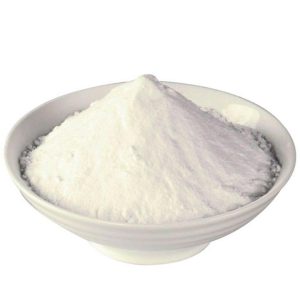
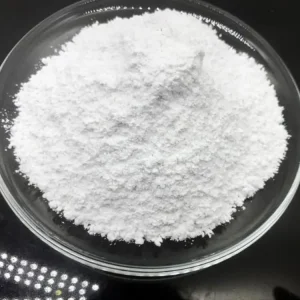
Glucosamine is a naturally occurring amino sugar found in the body, particularly in cartilage and joint fluids. It is commonly produced as glucosamine powder through processes like extraction from shellfish or fermentation for vegan alternatives. As a glucosamine raw material, it serves as a key building block in supplements aimed at supporting joint mobility and reducing inflammation-related discomfort.
In the nutraceutical industry, glucosamine manufacturers supply this ingredient in various forms, such as glucosamine hydrochloride or sulfate, to enable formulation into capsules, tablets, or powders. Businesses sourcing glucosamine raw material often prioritize purity and bioavailability to meet regulatory standards. While glucosamine is generally recognized as safe by bodies like the FDA when used appropriately, its integration into products requires careful consideration of dosage and sourcing to align with health claims and consumer expectations.
Common Potential Side Effects Associated with Glucosamine
Research indicates that glucosamine is well-tolerated by most individuals, but some may experience mild side effects. These can include gastrointestinal issues such as nausea, diarrhea, or indigestion, which are often temporary and resolve with continued use or adjusted dosing. Less frequently reported effects might involve allergic reactions, particularly in those with shellfish allergies if the glucosamine powder is derived from crustacean sources.
Studies, including systematic reviews from sources like the Cochrane Database, suggest that side effects occur in a small percentage of users, comparable to placebo in many trials. For businesses dealing with glucosamine raw material, it’s essential to note that these effects are dose-dependent and can vary based on the product’s formulation. As a glucosamine manufacturer, providing detailed certificates of analysis (COAs) can help downstream partners communicate potential risks transparently in their labeling.
Factors That May Influence Side Effects
Several variables can affect the likelihood and severity of side effects from glucosamine. Purity of the glucosamine powder plays a critical role; impurities or contaminants in the glucosamine raw material could exacerbate reactions. Manufacturers adhering to GMP standards minimize such risks through rigorous testing.
Individual factors, such as pre-existing conditions like diabetes or gastrointestinal disorders, may heighten sensitivity. Interactions with medications, including blood thinners, are another consideration—though evidence is limited, businesses should advise consulting healthcare professionals. Sourcing from a reputable glucosamine manufacturer ensures consistent quality, reducing variability that could lead to unexpected effects. Environmental factors, like storage conditions affecting the stability of glucosamine raw material, also warrant attention to maintain efficacy and safety.
How Quality Control Mitigates Risks in Manufacturing
In the production of glucosamine powder, quality control is paramount to addressing potential side effects. Established glucosamine manufacturers implement multi-stage testing, including HPLC for purity and microbial assays for safety, to comply with international standards like ISO 22000.
Businesses sourcing glucosamine raw material benefit from suppliers who offer third-party verified reports, ensuring traceability from raw extraction to final product. This approach not only reduces the risk of adverse reactions but also supports regulatory compliance in markets like the EU or US. By selecting a glucosamine manufacturer with a strong emphasis on R&D, companies can access formulations that enhance tolerability, such as combining glucosamine with chondroitin to potentially offset mild digestive issues.
Best Practices for Businesses Handling Glucosamine Products
For suppliers and formulators, integrating glucosamine raw material requires strategies to minimize side effect concerns. Start with supplier vetting: Choose a glucosamine manufacturer with certifications like NSF or Halal to guarantee ethical and safe production. Conduct stability testing on finished products to confirm that the glucosamine powder maintains its integrity over time.
Educate your team on evidence-based information to guide customer inquiries. Recommend starting with lower doses in product lines and monitoring user feedback through post-market surveillance. This proactive stance helps build trust and ensures that glucosamine-based offerings align with industry best practices, ultimately supporting long-term business sustainability.

Article Summary
Glucosamine, available as high-quality glucosamine powder or glucosamine raw material from specialized manufacturers, offers significant value in joint health applications but may carry mild potential side effects for some users. By focusing on factors like purity, dosage, and individual variability, businesses can effectively manage these risks. Prioritizing quality from a reliable glucosamine manufacturer enables informed decision-making, fostering safer products and stronger market positioning. This balanced approach underscores the importance of evidence over exaggeration in the nutraceutical sector.
FAQ
Are side effects from glucosamine common? Side effects are generally uncommon and mild, affecting a small subset of users based on clinical studies. They often mirror placebo responses in trials.
What should businesses do if a customer reports side effects? Advise customers to consult a healthcare provider and review product labeling. As a supplier of glucosamine raw material, providing batch-specific data can aid in investigations.
How can glucosamine manufacturers ensure minimal side effects? Through stringent quality controls, such as GMP compliance and third-party testing, manufacturers reduce contaminants that could contribute to reactions.
Is shellfish-derived glucosamine more likely to cause allergies? Yes, it may trigger reactions in those with shellfish allergies. Vegan alternatives from fermentation are available from many glucosamine manufacturers.
Does dosage impact side effects? Higher doses may increase the chance of gastrointestinal discomfort. Businesses should formulate products within recommended ranges, typically 1,500 mg daily.
About Gothink Biotech
Gothink Biotech is a professional manufacturer and global supplier of functional raw materials based in China. Our key product lines include Coenzymes such as NMN, NADH, NAD+, NADP, Coenzyme Q10, Folic Acid, and NMNH; Human Milk Oligosaccharides (HMOs) like 2′-Fucosyllactose (2′-FL), 3-Fucosyllactose (3-FL), Lacto-N-tetraose (LNT), and Lacto-N-neotetraose (LNnT); Glucosamine series including Glucosamine, Glucosamine Hydrochloride, Glucosamine Sulfate, and N-Acetyl-Glucosamine; and Saccharide Derivatives such as N-Acetylneuraminic Acid, Reb D, Reb M, Rh2/Rg3, and Sialic Acid. With certifications including ISO 9001, ISO 22000, GMP, SGS, NSF, CQC, Halal, and Kosher, we provide reliable OEM/ODM services, ensuring high-quality, customizable solutions for partners in nutraceuticals, dietary supplements, and pharmaceuticals worldwide.